12 May 2026
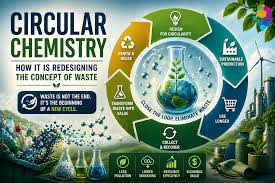
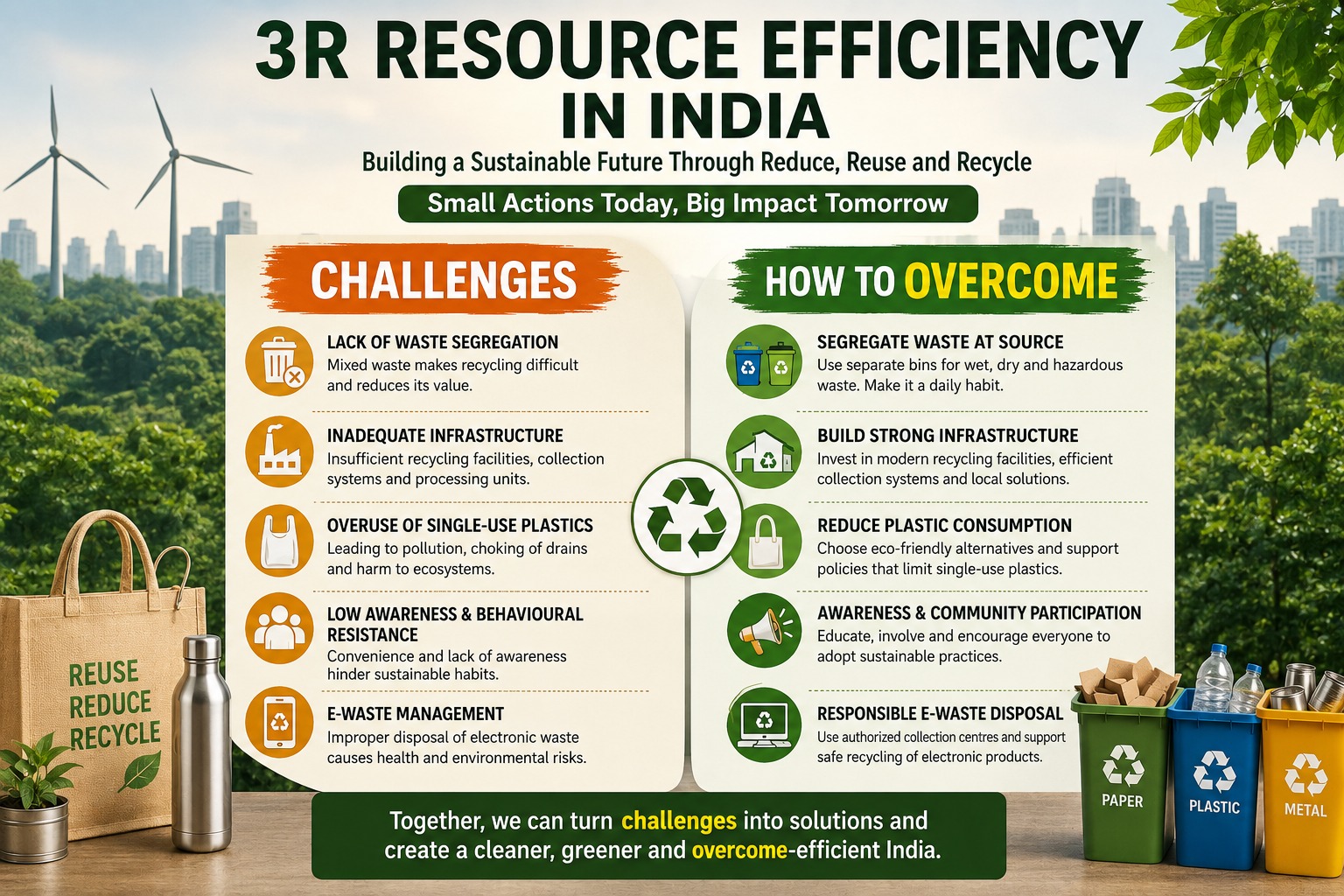
Environmental compliance regarding pollution and waste has moved beyond "end-of-pipe" solutions, such as filters and scrubbers, toward Source Reduction. The traditional linear model of "extract, make, dispose" is being replaced by the Circular Economy, where every byproduct of a manufacturing process is viewed as a potential raw material for another. This is particularly vital in the chemical and textile industries, where water pollution has historically been a major compliance risk. By adopting "Zero Liquid Discharge" (ZLD) systems, factories can treat and recycle 100% of their wastewater on-site, ensuring that no harmful effluents reach local water bodies. In the realm of solid waste, the focus is shifting toward Extended Producer Responsibility (EPR). Regulatory bodies are increasingly holding companies accountable for their products even after they have been sold to the consumer. This has sparked a revolution in "Design for Disassembly." When a product is designed to be easily taken apart, its components can be recovered and fed back into the supply chain. This reduces the need for virgin material extraction and eliminates the environmental harm associated with landfilling. The adoption of Green Chemistry is the final piece of the pollution puzzle. By replacing toxic solvents and reagents with bio-based alternatives, companies can ensure that their processes are inherently safe. This "Benign by Design" philosophy means that even if a leak or spill were to occur, the environmental impact would be negligible. For modern corporations, this represents the ultimate form of compliance: a system so well-integrated with natural cycles that it requires minimal external regulation to remain safe. ...Read more
12 May 2026
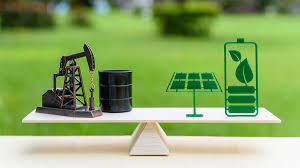
For decades, industrial growth was synonymous with increased energy consumption, usually derived from fossil fuels. However, the modern compliance landscape—driven by protocols like the Paris Agreement and domestic carbon taxes—now requires a decoupling of productivity from carbon output. This begins with Energy Efficiency First (EE1) principles, where companies audit every motor, HVAC system, and lighting fixture to eliminate "phantom loads." By implementing Variable Speed Drives (VSDs) and high-efficiency heat exchangers, a typical manufacturing plant can reduce its baseline energy consumption by up to 30% without altering its output. Beyond efficiency lies the frontier of On-Site Renewable Generation. Corporate environmental compliance is increasingly defined by the "Power Purchase Agreement" (PPA) and the installation of localized microgrids. By integrating solar arrays, wind turbines, or biomass boilers directly into the industrial site, companies insulate themselves from volatile energy markets while meeting strict renewable energy mandates. In 2026, the gold standard is "Grid-Positive" status, where a company’s facility generates more clean energy than it consumes, feeding the surplus back into the local community. This transforms the factory from an environmental liability into a regional sustainability asset. The final hurdle in energy compliance is the electrification of thermal processes. Many industries, such as cement and steel, require high-grade heat that solar panels cannot easily provide. Innovation in Green Hydrogen and large-scale industrial heat pumps is now allowing these "hard-to-abate" sectors to phase out coal and gas. Compliance in this era is not just about avoiding fines; it is about future-proofing the business against a looming global carbon price that will make carbon-intensive production economically unviable. ...Read more
12 May 2026
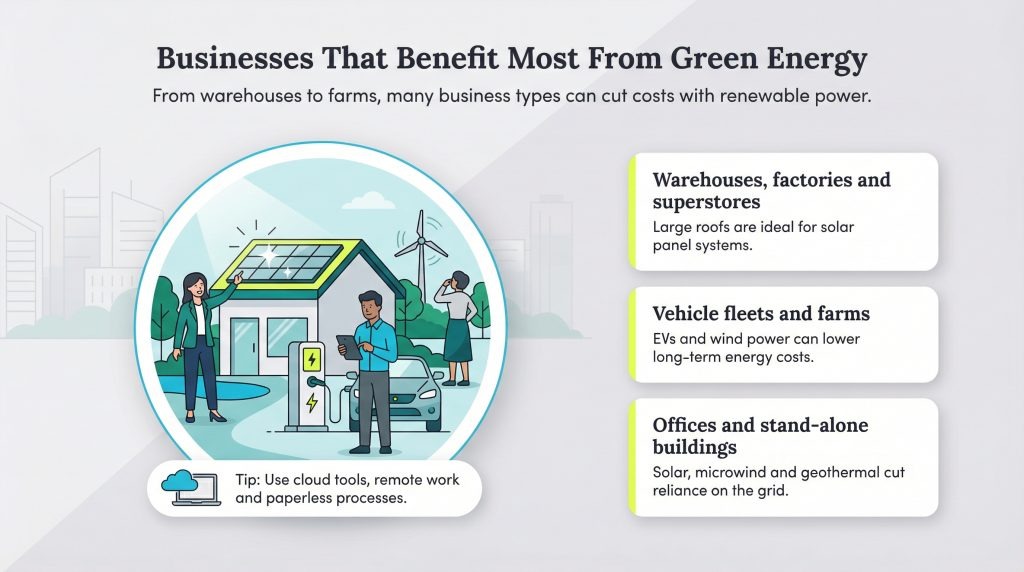
Sustainable supply chains are the new expectation. Large Indian and multinational companies are setting ambitious targets for carbon reduction, ethical sourcing, and environmental compliance. They pass these targets down to their suppliers. But here is the problem that no one likes to talk about. The suppliers who feel the weight of these demands are often small and medium enterprises. A factory with fifty workers, a modest turnover, and no dedicated sustainability team. A family owned foundry that has supplied the same component for twenty years. A textile unit in a Tier 2 city where the owner barely has time to manage production, let alone fill out carbon accounting spreadsheets. These smaller suppliers are the backbone of Indian manufacturing. They are also the most vulnerable link in the sustainability chain. If big buyers simply demand compliance without offering support, the result is not a greener supply chain. It is a hidden, unspoken crisis of supplier anxiety, falsified reports, and quietly lost business relationships. The alternative is partnership. This article explores the real story of small suppliers under pressure and offers a practical path forward for buyers who truly want to build sustainable supply chains, not just check a box. The phone call that changed everythingLet us begin with a small story. A factory owner in Coimbatore has run a small precision engineering unit for nearly two decades. He employs around seventy people. He makes metal components for an automotive company. His order book is steady. His quality is good. His delivery is reliable. One Tuesday morning, he receives a phone call from his big buyer. Not the usual purchase manager. Someone from a new department called Supplier Sustainability. The voice on the line is polite but firm. They explain that the company now requires all suppliers to complete a new sustainability assessment. There is an online portal. There are more than fifty questions. The deadline is thirty days. And by the way, a third party audit of environmental compliance will be required by the end of the quarter. The factory owner puts the phone down. He stares at the ceiling. He does not have a computer in his factory office that can comfortably run an online portal. He does not have a person who understands terms like scope one emissions or wastewater discharge limits. He has a production manager, a quality controller, and an accountant who still uses paper ledgers. He has no sustainability team. He has no budget for an audit. He has no idea where to begin. This is not a story of a bad buyer or a bad supplier. It is a story of a mismatch. The buyer has moved into a new era of supply chain accountability. The supplier is still operating in the old era, not because of laziness but because no one helped them transition. And now, the distance between them feels impossibly wide. The hidden economy of small suppliers in IndiaTo understand why this mismatch matters, we need to appreciate the scale of India's small and medium enterprise economy. There are more than six crore micro, small, and medium enterprises in India. They contribute nearly thirty percent of the country's gross domestic product. They employ more than eleven crore people. They are the second largest source of employment after agriculture. In manufacturing supply chains specifically, small and medium enterprises are everywhere. They make the components that go into larger assemblies. They provide the packaging, the fasteners, the coatings, the sub assemblies, and the specialised parts that big factories do not produce themselves. An automobile company's final vehicle might be assembled in a large plant, but that plant depends on hundreds of small suppliers for everything from seat fabric to brake pads to windshield wipers. These small suppliers are typically lean. They operate on thin margins. They reinvest most of their profits back into basic operations. They rarely have the luxury of forward planning. Their owners wake up every morning thinking about raw material prices, wage bills, power cuts, and delivery deadlines. Sustainability, in the sense that a multinational company uses the word, is simply not on their radar. And yet, these are precisely the suppliers that large buyers now want to transform. The demand that landed without a manualLet us be honest about what happens when a big buyer sends a sustainability questionnaire to a small supplier. The supplier opens the document. They see questions like these. Please provide your greenhouse gas emissions inventory for the past three financial years, broken down by scope one, scope two, and scope three categories. Please share your Science Based Targets initiative approved emission reduction targets. Please confirm that all your subcontractors comply with our supplier code of conduct. Please provide evidence of wastewater treatment meeting Central Pollution Control Board standards. Please share your occupational health and safety management system certification. Please provide a breakdown of your energy consumption by source, including the percentage from renewable sources. A small supplier reads these questions and feels a distinct emotion. Not inspiration. Not motivation. Panic. And then resentment. And then a quiet, desperate calculation about whether to ignore the request or simply lose the customer. Many small suppliers choose a different option. They hire a consultant. Not a genuine sustainability expert, but someone who knows how to fill out forms and produce documents that look acceptable. The consultant writes the answers. The supplier pays a fee. The buyer receives a completed assessment. Everyone moves on. The sustainability outcome is exactly zero. This is the tragedy of demand without support. Big buyers spend time and money creating elaborate assessment frameworks. Small suppliers spend time and money learning how to game those frameworks. The environment gains nothing. Trust erodes on both sides. The three things small suppliers actually needIf you ask small suppliers what they need to become more sustainable, they will not ask for grand visions or ambitious targets. They will ask for three simple things that big buyers rarely provide. The first thing is clarity. A small supplier needs to know what specific, measurable actions are most important. Not fifty seven questions. Not a hundred page code of conduct. Three things. This year, we want you to measure your electricity consumption. Next year, we want you to switch to LED lighting. The year after, we want you to conduct a waste audit. Clear, sequential, achievable. A small supplier can work with that framework. The second thing is capacity building. A small supplier needs training, tools, and templates. Can the buyer provide a simple spreadsheet for tracking energy use? Can the buyer offer a free webinar on basic environmental compliance? Can the buyer share examples of what good practice looks like for a factory of similar size? This is not charity. It is enlightened self interest. A supplier who knows how to improve is a supplier who will improve. The third thing is financial support. Some sustainability improvements cost money. A small supplier cannot always afford the upfront investment, even if the long term savings are clear. Can the buyer offer low interest financing, longer payment terms, or shared investment in shared infrastructure? Even modest financial support can unlock genuine change. These three things, clarity, capacity building, and financial support, are not expensive for a big buyer to offer. But they require a shift in mindset. From policing to partnership. From compliance to collaboration. The audit trap and the trust deficitLet us talk about audits, because audits have become a flashpoint in buyer supplier relationships. A big buyer wants assurance that its supply chain is sustainable. So it hires an auditing firm. The auditing firm visits the small supplier. They walk the factory floor. They review documents. They interview workers. They produce a report with findings and corrective actions. This sounds reasonable. But here is what actually happens in many cases. The audit is announced in advance. The supplier has time to prepare. A temporary file of compliance documents is created. Workers are coached on what to say. The factory floor is cleaned for the day. The auditor, who is paid by the buyer and knows that finding zero problems might look suspicious, writes up a few minor non conformances. The supplier agrees to fix them. No one checks whether the fixes actually happen. Everyone moves on. This is not because suppliers are dishonest or auditors are lazy. It is because the system is structured for performance rather than genuine transformation. A two hour audit once a year cannot possibly verify the day to day reality of a factory's operations. Real sustainability is about what happens on the other three hundred and sixty four days. A better approach exists. It is called continuous improvement partnership. Instead of a single annual audit, the buyer and supplier agree on a set of indicators that the supplier tracks and shares monthly. Energy use per unit of output. Water use per unit of output. Waste sent to landfill. Overtime hours as a proxy for worker welfare. The supplier reports honestly, and the buyer responds with support, not punishment, when numbers move in the wrong direction. Over time, trust builds. And trust, not audits, is what drives real change. A success story from the Indian textile sectorThere is a notable example of buyer supplier partnership in the Indian textile sector. A large international apparel brand realised that its small weaving and dyeing suppliers in Tamil Nadu were struggling with wastewater compliance. The brand could have simply cut them off and found new suppliers. Instead, they chose a different path. The brand invested in a common effluent treatment plant that served multiple small suppliers in the same industrial cluster. The brand paid for the design and a portion of the construction. The suppliers paid a modest user fee that was lower than what they would have paid to build their own individual treatment systems. A local non profit organisation provided training on operation and maintenance. The result was clean water, shared cost, and stronger relationships. Within two years, the entire cluster achieved compliance that no single supplier could have afforded alone. This is the model that works. Not one buyer telling one supplier what to do alone. Multiple buyers, multiple suppliers, and shared infrastructure solving a shared problem. Indian industrial clusters are perfectly suited to this approach. The geography is concentrated. The relationships are long standing. The potential for collective action is enormous. The responsible buyer's framework for small supplier engagementIf you are a large buyer reading this and you want to do better, here is a practical framework. It contains five principles that have been tested in Indian supply chains. The first principle is to segment your suppliers. Not all suppliers are the same. A large, sophisticated supplier with its own sustainability team can handle detailed questionnaires and third party audits. A small, family owned supplier cannot. Group your suppliers by size, capability, and risk. Apply different expectations to different segments. Do not treat everyone the same. The second principle is to start with materiality. What are the most significant environmental and social risks in your supply chain? For a small metal finishing unit, the answer might be wastewater. For a small packaging unit, the answer might be plastic waste. For a small textile unit, the answer might be energy efficiency. Focus on the one or two issues that truly matter. Ignore the rest until the basics are in place. The third principle is to provide tools, not just targets. A target without a tool is a wish. A target with a tool is a plan. Give your small suppliers simple, free, practical tools. A spreadsheet to track electricity. A checklist for waste segregation. A template for calculating water consumption. Make it easy for them to do the right thing. The fourth principle is to reward improvement, not perfection. A small supplier that reduces its energy intensity by ten percent this year has done something real. Acknowledge that progress in your supplier scorecard. Offer preferential sourcing or better payment terms for demonstrated improvement. Perfection is a destination. Improvement is a journey. Reward the journey. The fifth principle is to collaborate with competitors. Your small suppliers also sell to other large buyers. If you all demand different sustainability standards, the supplier is caught in an impossible web of conflicting requirements. Engage with your competitors. Agree on common standards, common tools, and common reporting formats for shared suppliers. Reduce the burden. Increase the impact. The cost of doing nothingLet us end with a sobering thought. Some big buyers will read this article and decide that helping small suppliers is too much trouble. They will simply drop suppliers who cannot comply and find larger, more sophisticated suppliers who already have sustainability systems in place. This is a losing strategy for three reasons. First, there are not enough large, sophisticated suppliers to replace the small ones. The Indian economy depends on its small and medium enterprise backbone. If every buyer only sourced from large suppliers, supply chains would struggle to meet demand. Second, dropping small suppliers does not make the world cleaner. It simply shifts the environmental and social impact elsewhere, out of sight, out of mind, but still present. A responsible buyer takes responsibility for its entire value chain, not just the visible parts. Third, the regulatory tide is turning. Soon, laws such as the European Union's Corporate Sustainability Due Diligence Directive will require buyers to actively manage sustainability in their supply chains, including the smallest suppliers. Ignoring the problem now only means scrambling to fix it later under tighter deadlines and greater pressure. The smarter path is the harder path. Engage. Train. Support. Partner. Build the sustainable supply chain together, one small factory at a time. Conclusion: A factory transformedLet us return to that factory owner in Coimbatore. His big buyer did not drop him. Instead, they sent a young sustainability associate to spend two days at his factory. Not to audit. To help. She sat with his accountant and set up a simple energy tracking sheet. She walked the floor with his production manager and identified three low cost fixes. Install an automatic shutoff for compressed air leaks. Replace old fluorescent lights with LEDs. Segregate metal scrap for recycling. One year later, the factory had reduced its electricity consumption by nearly twenty percent. Metal scrap sales had increased significantly. The workers took pride in the clean, organised floor. And the big buyer renewed the contract with a modest price premium for demonstrated improvement. The factory owner still does not know what scope three emissions are. He still does not have a sustainability team. But his factory is genuinely, measurably greener than it was. And that happened not because of a demand, but because of a partnership. That is the small factory's load. And that is how responsible buyers help carry it. ...Read more
12 May 2026
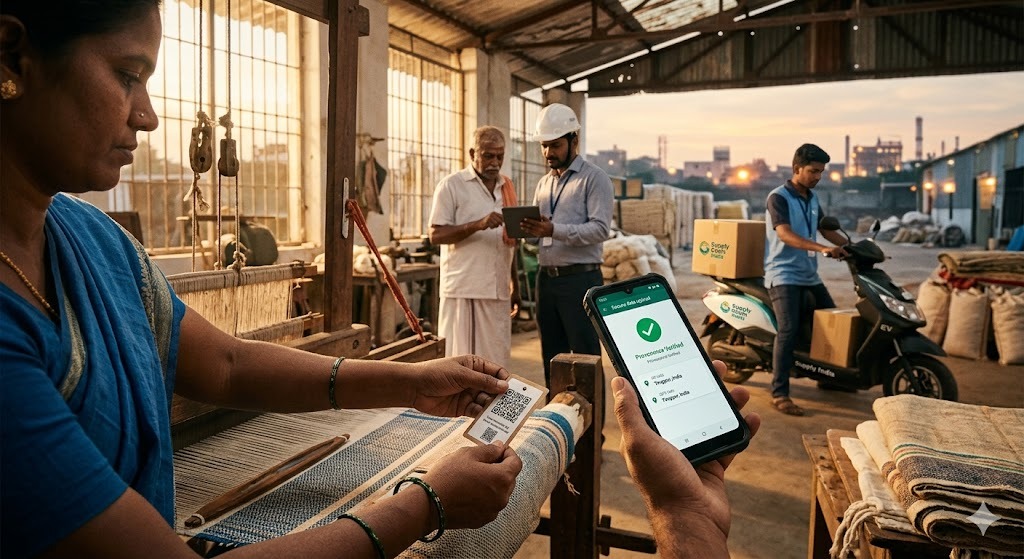
In the bustling industrial corridors, where the rhythmic hum of textile machinery provides a constant soundtrack to daily life, a profound transformation is taking place. It is a shift that is less about the speed of the looms and more about the stories they tell. For decades, the global supply chain was a black box. Raw cotton entered one end, and a finished garment emerged from the other, with very little clarity regarding what happened in between. Today, that opacity is being replaced by a digital pulse of trust, driven by the urgent need for sustainable supply chains that are ethical, transparent, and environmentally responsible. When we talk about transparency and traceability in a professional context, we often drift toward cold terminology like “decentralized ledgers” or “automated data harvesting.” But in the Indian landscape, these technologies are deeply humanized. They represent the bridge between a small-scale organic farmer in Vidarbha and a conscious consumer in a metropolitan hub like Mumbai or London. To write about this for a professional website, we must explore how India is uniquely positioned to lead the world in tech-enabled, human-centric supply chain integrity. The Human Necessity of Knowing the SourceIn a supply chain, transparency is the "what" and "how," while traceability is the "who" and "where." For a professional organization, these are no longer just "nice-to-have" ESG metrics. they are fundamental requirements for risk mitigation. In India, where supply chains are often fragmented and involve a high degree of informal labor, the challenge of traceability is significant. However, it is precisely this complexity that makes the human story so compelling. Consider the journey of a single piece of jewellry crafted in Jaipur. Traditionally, the provenance of the gemstones used might be obscured through half a dozen middle brokers. By implementing traceability tools, a professional brand can now verify that the stones were ethically mined and that the artisans were paid a fair, living wage. This isn't just about compliance with international labor laws. it is about honoring the craftsmanship and the human rights of the individuals at the very start of the value chain. Blockchain as a Tool for EmpowermentOne of the most potent tools in the professional arsenal for supply chain integrity is blockchain. While the hype around cryptocurrency has fluctuated, the underlying utility of a tamper-proof, transparent ledger remains a game-changer for Indian procurement. Empowering the First MileIn many Indian sectors, the "first mile", the point where raw materials are produced, is the most vulnerable. Blockchain allows for the creation of a digital identity for smallholder farmers or local weavers. Every time a bag of cotton or a bundle of silk changes hands, the transaction is recorded. This creates a "digital footprint" that serves two purposes. First, it provides the brand with an ironclad audit trail to prove environmental claims, such as organic certification or pesticide-free farming. Second, and perhaps more importantly, it provides the producer with a formal record of their output. For a farmer in rural India, this digital history can be life-changing, serving as proof of income that allows them to access formal banking services and credit for the first time. The technology acts as a silent advocate for the marginalized, bringing them into the formal economy with dignity. Eliminating the Information GapFor professionals in logistics and operations, blockchain solves the "information asymmetry" that often leads to inefficiency and waste. In the Indian food supply chain, where cold chain infrastructure is still maturing, real-time traceability can track the temperature and handling of perishable goods from a farm in Himachal Pradesh to a retail shelf in Delhi. By reducing spoilage through better visibility, we aren't just saving money. we are ensuring that the hard work of the farmer isn't wasted and that the environmental resources used to grow that food weren't expended in vain. AI and the Prediction of Ethical RiskWhile blockchain records the past, Artificial Intelligence (AI) is being used by Indian tech firms to predict the future of supply chain ethics. This is where the professional narrative moves from "reporting" to "proactive management." Mapping the Unseen TierMost large corporations have a decent handle on their Tier 1 suppliers—the factories they deal with directly. However, the ethical risks often hide in Tier 2 or Tier 3, the subcontractors and raw material processors. In the Indian context, AI tools are now being used to analyze vast amounts of disparate data, from satellite imagery of mining sites to local news reports and social media sentiment. If an AI algorithm detects a sudden spike in production at a Tier 1 factory that doesn't align with their known capacity, it can flag a "subcontracting risk." This allows procurement professionals to investigate whether work is being offloaded to unauthorized workshops where labor standards might be lower. This "human-in-the-loop" AI approach doesn't replace human auditors. it gives them a high-powered lens to focus their efforts where they are needed most. Climate Resilience for the Supply ChainAI is also being used to humanize environmental responsibility. By analyzing weather patterns and soil health data across different Indian regions, companies can help their suppliers adapt to climate change. If a drought is predicted in a specific cotton-growing belt, a brand can work with its suppliers to implement water-saving technologies before a crisis hits. This shifts the relationship from a transactional one to a partnership focused on mutual survival and long-term sustainability. Digital Product Passports: A New Standard for Indian ExportsAs India aims to become a global manufacturing hub, the adoption of Digital Product Passports (DPP) is becoming a strategic necessity. A DPP is essentially a "digital twin" of a physical product that contains all the information about its composition, origin, and recyclability. The Competitive Edge for Indian ManufacturersFor an Indian manufacturer exporting to Europe or North America, a DPP is a ticket to market entry. It allows a professional buyer to scan a QR code and instantly see the carbon footprint of the item, the percentage of recycled content, and instructions for how to disassemble the product at the end of its life. This level of transparency forces a "design-led" approach to the supply chain. Engineers in Pune or Chennai are no longer just designing for function. they are designing for circularity. The human element here is the pride in creating products that are built to last and designed to be reborn. It aligns the technical prowess of Indian industry with the global demand for a "cradle-to-cradle" economy. The Role of Logistics: Greening the Last MileIn the dense urban environments of Mumbai or Kolkata, the "last mile" of the supply chain is where the environmental impact is most visible. The professional shift toward electric vehicles (EVs) for delivery is a crucial part of the sustainable supply chain story, but it also has a profound human impact. Improving Urban LiveabilityWhen a major Indian e-commerce player switches its delivery fleet to electric scooters and vans, the immediate benefit is a reduction in Scope 3 emissions. However, the human benefit is the reduction in noise and air pollution in residential neighborhoods. The delivery partners themselves—often young men and women navigating stressful traffic—benefit from vehicles that are easier to maintain and cheaper to operate. The professional narrative here should focus on "co-benefits." A sustainable supply chain doesn't just improve the company's ESG score. it improves the quality of life for the communities in which it operates. It turns a logistical necessity into a social good. Overcoming the Human Resistance to TransparencyDespite the benefits, the journey toward total transparency in Indian supply chains is not without friction. There is an inherent fear among many smaller suppliers that "transparency" is just a fancy word for "more surveillance" or "lower margins." Building a Culture of CollaborationTo successfully implement these technologies, professional leaders must foster a culture of trust. Transparency cannot be a top-down mandate. it must be a collaborative effort. This involves: Incentivizing Data Sharing: Suppliers should be rewarded for transparency. This could mean better payment terms, longer-term contracts, or access to low-interest "green loans" for those who provide accurate sustainability data. Simplifying the Tech Interface: For a warehouse manager in a Tier 2 city, a traceability tool needs to be as intuitive as a messaging app. The human-centered design of supply chain software is critical for widespread adoption. Education and Training: We must move away from the "policing" model of auditing. Instead, professional organizations should invest in training their suppliers on *why* this data matters and how it can help them grow their own businesses. The Ethical Imperative: Beyond the Bottom LineAt the end of the day, a sustainable supply chain is an ethical choice. It is an acknowledgment that every dollar spent by a corporation has a ripple effect through society. In India, where the gap between the corporate boardroom and the village farm can feel immense, traceability is the thread that sews these worlds together. When a professional website discusses these topics, it must remind the reader that behind every data point on a blockchain ledger is a human being. There is a weaver who spent weeks on a handloom, a truck driver who spent nights on the highway, and a factory worker who takes pride in the quality of their output. The Power of Radical HonestyThe final frontier of the sustainable supply chain is "radical honesty." This means being transparent not just about the successes, but also about the challenges. If a company discovers a breach of its ethical code deep in its Indian supply chain, the professional response is not to hide it, but to acknowledge it, investigate the root cause, and work with the supplier to fix it. This humanized approach to "corrective action" builds much more long-term brand equity than a polished, but hollow, sustainability report. It shows that the company is committed to the *process* of improvement, recognizing that the journey toward a truly sustainable future is a marathon, not a sprint. A Vision for India’s LeadershipIndia has a historic opportunity to define what a sustainable supply chain looks like for the 21st century. We have the technical talent to build world-class traceability platforms, the industrial scale to make a global impact, and a cultural heritage that traditionally valued resourcefulness and community. As professionals, our task is to integrate these elements into a cohesive strategy. We must build supply chains that are not just efficient, but also kind. We must create systems where transparency is used to empower, not to exploit. And we must ensure that as our goods move across the globe, they carry with them the values of integrity, respect, and environmental stewardship. The digital pulse of trust is beating louder every day. From the digital payment received by a farmer to the QR code scanned by a shopper, the story of the Indian supply chain is being rewritten. It is a story of a country that is no longer content to be a "low-cost" provider, but is instead striving to be a "high-trust" partner in the global quest for a sustainable future. Call to Action for the Professional ReaderThe transition to a transparent and sustainable supply chain is no longer a futuristic concept. it is a present-day mandate. To begin this journey, professional organizations in India should: 1.Map the Human Landscape: Go beyond the Tier 1 suppliers. Use technology to understand who is really making your products and under what conditions.2. Invest in Partnerships: View your suppliers as partners in sustainability. Provide them with the tools and the training they need to join you on this journey.3. Celebrate the Stories: Use your platform to highlight the human stories of your supply chain. Let your customers see the faces and hear the voices of the people who bring your brand to life.4. Embrace Technology with a Purpose: Don't just adopt blockchain or AI because it is trendy. Use it to solve specific human and environmental challenges within your value chain. By humanizing the tech and professionalizing the ethics, we can create a supply chain that truly serves the people and the planet. This is the new standard of excellence for Indian business, and it is a journey that starts with a single, transparent step. ...Read more
12 May 2026
The modern world runs on supply chains. Every product people use in their daily lives has travelled through a long network of manufacturers, suppliers, warehouses, transport systems, retailers, and workers before reaching consumers. From a mobile phone assembled using materials sourced across multiple countries to vegetables transported from farms to urban supermarkets, supply chains form the invisible foundation of the global economy. For decades, businesses focused primarily on making supply chains faster, cheaper, and more efficient. Speed and cost reduction became major priorities in an increasingly competitive marketplace. However, this approach often overlooked the environmental and social consequences hidden behind production and distribution systems. Today, the conversation around supply chains is changing rapidly. Rising environmental concerns, climate change, resource depletion, labour rights issues, and growing consumer awareness have forced businesses to rethink how products are sourced, manufactured, packaged, and transported. As a result, sustainability is no longer viewed as a secondary corporate responsibility. It has become an essential part of long term business strategy and economic resilience. This shift has brought greater attention to the idea of sustainable supply chains. A sustainable supply chain focuses on ethical, environmentally responsible, transparent, and socially conscious practices throughout every stage of production and distribution. The goal is not only to deliver products efficiently but also to minimise environmental harm, protect worker welfare, conserve resources, and create systems that remain viable for the future. For a country like India, where manufacturing, agriculture, logistics, retail, and exports play major roles in the economy, sustainable supply chains have become increasingly important. India’s future growth will depend not only on industrial expansion but also on how responsibly that growth is managed. Understanding Sustainable Supply ChainsA supply chain includes every process involved in moving a product from raw material extraction to final consumer delivery. This includes sourcing, manufacturing, packaging, transportation, warehousing, retail operations, and waste management. A sustainable supply chain seeks to improve these processes by reducing environmental impact and promoting ethical practices at every stage. This means businesses are increasingly expected to think beyond profits alone. They are now being evaluated based on how responsibly they operate, how transparently they source materials, how fairly they treat workers, and how effectively they reduce pollution and waste. Sustainability within supply chains generally focuses on three major areas: Environmental responsibility involves reducing carbon emissions, conserving water and energy, minimising waste generation, and lowering pollution caused by manufacturing and transportation activities. Social responsibility focuses on fair wages, safe working conditions, labour rights, diversity, inclusion, and ethical sourcing practices. Economic sustainability ensures that businesses remain financially stable while investing in long term responsible growth rather than short term exploitation of resources or labour. Together, these elements create supply chains that are more resilient, trustworthy, and future ready. Why Sustainable Supply Chains Matter More Than EverThe importance of sustainable supply chains has grown significantly over the last decade due to several global challenges. Climate change has become one of the defining concerns of modern society. Industries, transportation networks, and manufacturing systems contribute heavily to greenhouse gas emissions. Global supply chains, especially those dependent on fossil fuel transportation and mass production, generate enormous environmental impact every year. At the same time, consumers have become more aware of how products are made and where they come from. Many people today want greater transparency regarding sourcing practices, environmental responsibility, and labour conditions. Businesses can no longer assume that consumers only care about price and convenience. Investors and governments are also increasing pressure on companies to adopt Environmental, Social, and Governance standards. Businesses that fail to prioritise sustainability may face reputational risks, regulatory challenges, and declining consumer trust. The COVID-19 pandemic further exposed the vulnerability of traditional global supply chains. Disruptions in manufacturing, transportation, and sourcing revealed how fragile highly centralised and unsustainable systems could become during global crises. Sustainable supply chains are increasingly viewed as more resilient because they prioritise efficiency, adaptability, local sourcing, responsible resource management, and long term planning. India’s Growing Role in Global Supply ChainsIndia has emerged as one of the world’s major manufacturing and sourcing destinations. Industries such as textiles, pharmaceuticals, agriculture, electronics, automotive production, and information technology contribute significantly to both domestic growth and international trade. Cities such as Mumbai, Bengaluru, Chennai, Hyderabad, and Kolkata play major roles in manufacturing, logistics, exports, and technology driven supply chain management. As India strengthens its position in global trade networks, sustainability is becoming increasingly important for maintaining competitiveness. International buyers and investors are placing greater emphasis on ethical sourcing, environmental responsibility, and transparency within supplier networks. Indian businesses are therefore facing growing pressure to modernise supply chain operations and align with global sustainability expectations. At the same time, India also possesses unique advantages in this transition. Traditional practices such as repairing products, minimising waste, reusing materials, and supporting local production have long existed within Indian communities. Many sustainability principles that are now being discussed globally were historically embedded in everyday life across various regions of the country. Modern sustainable supply chain strategies can build upon these cultural foundations while integrating new technologies and business practices. The Environmental Impact of Traditional Supply ChainsTraditional supply chains often create significant environmental damage at multiple stages of operation. Manufacturing facilities consume large quantities of energy and water. Transportation systems dependent on diesel and fossil fuels generate high carbon emissions. Excessive packaging creates enormous plastic waste, while poor waste management practices contribute to pollution and landfill expansion. Fast production cycles also encourage overconsumption and resource depletion. Products are often designed for short term use rather than durability, leading to higher waste generation and increased demand for raw materials. In India, environmental stress caused by industrial expansion is becoming increasingly visible. Air pollution, contaminated water bodies, overflowing landfills, and declining natural resources are affecting both urban and rural communities. Industrial zones surrounding major cities often face severe environmental challenges due to untreated waste discharge, excessive emissions, and inefficient production systems. Sustainable supply chains aim to reduce these impacts through cleaner production methods, renewable energy adoption, efficient transportation systems, sustainable packaging, and circular economy practices. Sustainable Manufacturing and Responsible ProductionManufacturing lies at the centre of most supply chains. As a result, improving sustainability within production systems has become a major priority for industries worldwide. Indian manufacturers are increasingly exploring ways to reduce environmental impact while improving operational efficiency. Many companies are adopting energy efficient machinery, water recycling systems, renewable energy infrastructure, and waste reduction programs. The textile sector provides an important example. India is one of the world’s largest textile producers, but textile manufacturing also consumes significant amounts of water and chemicals. Sustainable textile initiatives now focus on reducing water usage, improving waste treatment, promoting recycled fabrics, and supporting ethical labour practices. Similarly, the automotive industry is gradually shifting toward cleaner technologies, electric mobility, and more sustainable sourcing of materials. Sustainable manufacturing does not simply benefit the environment. It often improves long term profitability by lowering resource consumption, reducing waste management costs, and improving energy efficiency. Businesses are increasingly realising that environmental responsibility and economic performance can work together rather than against each other. Ethical Sourcing and Human ResponsibilitySustainability is not only about environmental protection. It is also deeply connected to human welfare and ethical responsibility. Supply chains often involve large networks of workers, including factory employees, farmers, transport workers, warehouse staff, and small suppliers. In some industries, poor labour conditions, unsafe workplaces, unfair wages, and exploitation remain serious concerns. Consumers today are asking more questions about who makes the products they buy and under what conditions those products are produced. Ethical sourcing focuses on ensuring fair treatment, safe working environments, and responsible labour practices throughout supply chains. In India, sectors such as textiles, agriculture, handicrafts, and manufacturing employ millions of workers, including many from economically vulnerable communities. Improving supply chain ethics can therefore have a significant social impact. Fair wages, worker safety, skill development opportunities, and responsible sourcing practices contribute not only to sustainability but also to broader social progress. Many Indian businesses are now recognising that worker welfare is closely linked to long term productivity, reputation, and operational stability. The Rise of Green LogisticsTransportation forms one of the largest sources of emissions within supply chains. Trucks, cargo ships, airplanes, and delivery vehicles consume massive amounts of fuel while moving products across regions and countries. As e commerce and online retail continue growing rapidly in India, logistics networks are becoming even more important. Green logistics focuses on reducing the environmental impact of transportation systems through cleaner technologies and more efficient operations. Companies are increasingly exploring electric delivery vehicles, route optimisation software, shared transportation systems, and fuel efficient fleets to lower emissions. Urban delivery systems are also evolving. Several businesses are introducing electric two wheelers and bicycles for last mile delivery services in congested city environments. Warehousing operations are similarly becoming more sustainable through solar powered facilities, energy efficient lighting systems, and automated inventory management technologies. These changes may appear gradual, but collectively they represent a major transformation in how supply chains operate. Technology and Supply Chain TransparencyTechnology is playing a major role in making supply chains more transparent and sustainable. Consumers and regulators increasingly expect businesses to provide clear information regarding sourcing practices, environmental performance, and production standards. Digital systems now allow companies to track products across supply chain stages more accurately. Technologies such as artificial intelligence, blockchain systems, Internet of Things devices, and data analytics are helping businesses improve visibility and efficiency. For example, companies can now monitor energy usage, transportation emissions, supplier compliance, and inventory movement in real time. This improved transparency helps businesses identify inefficiencies, reduce waste, and strengthen accountability. In India, the growth of digital infrastructure and technology startups is creating new opportunities for supply chain innovation. Logistics technology platforms, smart warehousing systems, and sustainability tracking software are becoming increasingly common across industries. Technology alone cannot solve sustainability challenges, but it provides powerful tools for supporting more responsible decision making. Consumer Awareness and Changing ExpectationsOne of the biggest drivers of sustainable supply chains is changing consumer behaviour. People today are becoming more conscious of environmental and ethical issues. Consumers increasingly notice packaging waste, excessive plastic usage, unethical sourcing practices, and environmentally harmful business operations. Younger generations especially tend to value sustainability more strongly when making purchasing decisions. This shift is encouraging businesses to rethink product design, packaging choices, and sourcing strategies. Sustainability is gradually becoming part of brand identity rather than simply a marketing trend. Companies that fail to adapt may struggle to maintain consumer trust in the future. Challenges in Building Sustainable Supply ChainsDespite growing awareness and progress, sustainable supply chains still face several challenges. One major obstacle is cost. Sustainable technologies, renewable energy systems, ethical sourcing programs, and environmentally friendly materials may require significant investment, especially for smaller businesses. Supply chains are also highly complex and interconnected. Large companies often depend on extensive supplier networks spread across multiple regions and countries. Ensuring sustainability across every level of these networks can be difficult. Infrastructure limitations also remain a challenge in many developing regions. Transportation inefficiencies, inconsistent waste management systems, and limited renewable energy access can slow progress. Additionally, sustainability standards and reporting systems are still evolving. Businesses sometimes struggle with measuring environmental impact accurately or maintaining consistent supplier compliance. However, despite these challenges, the direction of change is becoming increasingly clear. Building a Greener Future Through Sustainable Supply ChainsThe future of business will depend heavily on sustainability. Companies that invest in responsible supply chains today are likely to become more resilient, trusted, and competitive in the long term. Sustainable supply chains support a future where economic growth does not come at the cost of environmental destruction or human exploitation. For India, this transition carries enormous significance. As one of the world’s fastest growing economies, India has the opportunity to shape industrial growth differently by integrating sustainability into the foundation of development itself. This requires collaboration between businesses, governments, technology providers, workers, and consumers. Policies supporting renewable energy, ethical manufacturing, waste reduction, and green logistics will play important roles in accelerating progress. Educational institutions and training programs can also help prepare future professionals for sustainability focused industries and responsible business management. Most importantly, sustainability must become part of everyday business thinking rather than an isolated initiative. ConclusionSustainable supply chains represent a major shift in how businesses approach production, distribution, and responsibility. They reflect a growing understanding that economic success cannot be separated from environmental protection and social well being. The products people use every day carry environmental and human stories behind them. Sustainable supply chains aim to ensure those stories are built on responsibility, fairness, efficiency, and long term thinking. India’s role in this transformation will continue to grow as industries modernise and global sustainability expectations increase. Businesses that embrace cleaner technologies, ethical sourcing, transparent operations, and responsible logistics will help shape a greener and more resilient economy. The transition will not happen overnight. Challenges involving cost, infrastructure, awareness, and implementation still remain. However, the momentum toward sustainability is becoming stronger across industries and societies worldwide. Ultimately, sustainable supply chains are about more than business operations alone. They are about creating systems that respect both people and the planet while supporting future generations. A greener future will not depend only on what products are made, but also on how responsibly those products travel through the world before reaching our hands. ...Read more
12 May 2026
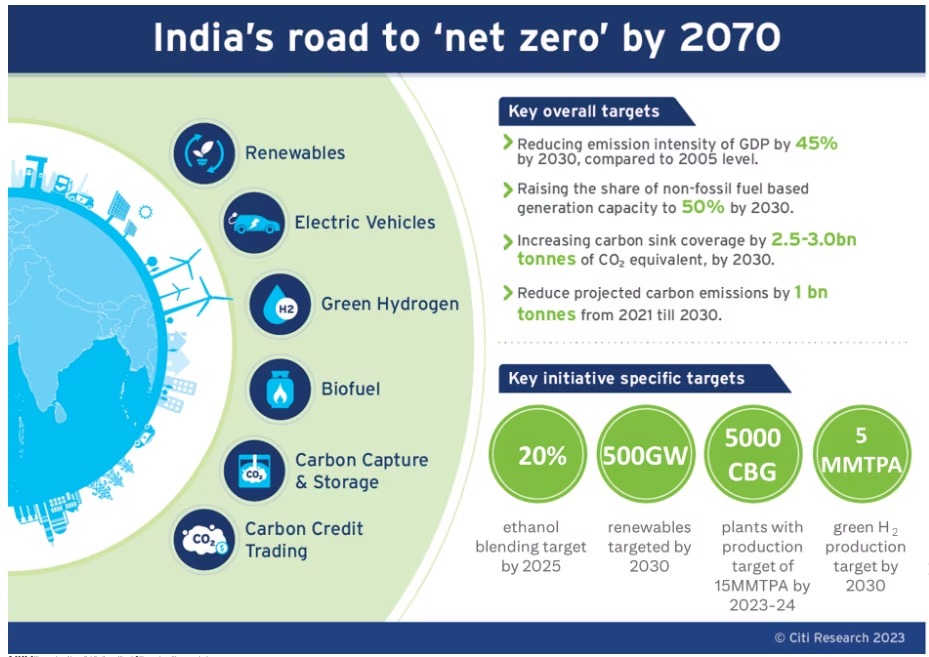
India has set ambitious renewable energy targets. The government aims for 500 gigawatts of non fossil fuel capacity by 2030. But for a business owner or facility manager, national targets matter less than a single practical question. How do I actually install solar panels on my factory roof or buy wind power for my office? The answer involves navigating a complex landscape of central policies, state regulations, subsidy schemes, net metering rules, open access provisions, and utility company procedures. The good news is that the framework exists and is improving. The challenging news is that it varies significantly by state. Understanding the policy pipeline is not optional for a business serious about renewable transition. It is the difference between a smooth, profitable installation and a stalled, frustrating project. The two page electricity bill and the question that started everythingLet us begin with a small scene that might feel familiar. A manufacturing company owner in Gujarat sits down with the monthly electricity bill. It is thick this year. Two pages instead of one. The tariff has gone up again. Diesel for the backup generator is more expensive too. He looks at the roof of his factory, which is flat, wide, and baking under the afternoon sun for ten months of the year. And he asks a simple question. Why is this roof not saving me money? That question, asked in a thousand boardrooms and shop floors across India, is the real engine of the renewable transition. Not climate summits. Not corporate social responsibility reports. Just a business owner looking at an unshaded roof and a rising electricity bill. But that question quickly leads to a second, more complicated question. How do I actually do this? Who do I talk to? What forms do I fill? How much will it cost upfront? When will I see savings? What happens when I generate more power than I need? What happens when I generate less? These are not technical questions. They are policy questions. And they are the subject of this guide. The three pathways. Onsite, open access, and the green choiceBefore we dive into policies, we need to understand the three basic ways a business can use renewable energy in India. Each pathway has different rules, different economics, and different paperwork. » Onsite generation. This is the most common and the most straightforward. You install solar panels on your own rooftop or on unused land within your factory premises. You use the electricity directly. Any excess can be sent back to the grid if your state allows net metering. The main policy questions here involve building permits, grid connection approvals, and metering arrangements. » Open access. This is for businesses that cannot install enough onsite capacity because their roof is too small, shaded, or structurally weak. Under open access, you buy renewable power from a solar or wind farm located elsewhere, and the utility company transmits it through the grid to your facility. You pay the generator for the power and the utility for the transmission. The main policy questions here involve interstate or intrastate transmission charges, banking provisions, and cross subsidy surcharges. » Green power option. Some discoms (distribution companies) now offer tariffs where you pay a small premium to source a portion of your power from renewable sources without installing anything yourself. This is the simplest administratively but often the least economical because the premium may not reflect the true cost savings of renewable energy. Most Indian businesses start with pathway one, move to pathway two if needed, and consider pathway three only if the first two are not feasible. The central government. The architect of the frameworkThe central government sets the broad rules. The Ministry of New and Renewable Energy is the primary agency. It designs schemes, provides subsidies, and issues guidelines. The Central Electricity Regulatory Commission sets tariffs and rules for interstate transmission. The Solar Energy Corporation of India acts as a implementing agency for many large scale schemes. For a business owner, the central government matters most for two reasons. Subsidies and basic rights. The central government offers capital subsidies for rooftop solar installations, particularly for smaller systems. For a typical business, the subsidy might cover twenty to thirty percent of the cost, though the exact percentage and eligibility criteria change over time. The subsidy is usually channeled through state nodal agencies, which means you apply at the state level even though the funding comes from Delhi. More importantly, the central government has established the basic legal right for consumers to generate their own electricity through renewable sources. This is enshrined in various regulations and has been affirmed by the Appellate Tribunal for Electricity. No state can simply ban rooftop solar. They can only regulate it. That said, the central framework is only a framework. The real detail lies with the states. The state government. Where the real decisions happenIf the central government is the architect, the state government is the builder. And every builder works a little differently. Electricity is a concurrent subject in India's constitution, which means both central and state governments have jurisdiction. But operational control over distribution lies firmly with the states. Each state has its own electricity regulatory commission, its own discoms, and its own policies on net metering, banking, cross subsidies, and open access. This is where many businesses get stuck. A policy that works beautifully in Karnataka might be nearly impossible to implement in Uttar Pradesh. A solar installation that pays for itself in three years in Tamil Nadu might take seven years in West Bengal. The technology is identical. The difference is policy. Let us break down the key state level policies you need to understand.Net metering. The policy that makes rooftop solar sing Net metering is the single most important policy for onsite solar. Here is how it works. Your solar panels generate electricity during the day. Your factory uses what it needs immediately. Any excess power flows back into the grid, and your electricity meter runs backwards. At night or on cloudy days, you draw power from the grid as usual. At the end of the billing cycle, you pay only for the net amount you consumed. If you generated more than you consumed, you get a credit on your next bill. Net metering makes rooftop solar financially attractive because it essentially uses the grid as a free battery. You do not need to buy expensive storage to use the power you generate. The grid stores it for you. However, not all states offer true net metering. Some states offer net billing instead, where excess power is purchased by the discom at a lower rate than the retail tariff. Others cap net metering capacity at a certain percentage of your sanctioned load, often at eighty or ninety percent. Others limit net metering to systems below a certain size, typically one megawatt or less for commercial consumers. Before you invest in rooftop solar, you must check your state's net metering policy. Call your discom. Ask for the latest regulations. Speak to a local solar installer who has done projects recently. The policy landscape changes frequently, and outdated information can ruin your financial model. Banking and banking charges. The hidden cost of open accessIf you are using open access to buy power from a remote solar farm, you will encounter a concept called banking. Banking allows you to send excess power generated during sunny months to the grid and withdraw it during less sunny months. This is important because solar generation varies by season. Summer months might produce a surplus. Monsoon months might produce a deficit. Banking is incredibly valuable, but discoms do not offer it for free. They charge banking fees, typically a percentage of the energy banked, often ranging from two to fifteen percent. A high banking fee can significantly reduce the financial benefit of open access solar. Some states also impose cross subsidy surcharges on open access consumers. The logic, from the discom's perspective, is that large commercial and industrial consumers pay higher tariffs that effectively subsidise residential and agricultural consumers. When a large business switches to open access renewable power, the discom loses that high paying customer. The cross subsidy surcharge is meant to recover some of that lost revenue. These charges are not unfair. Discoms have legitimate financial concerns. But they can make open access uneconomical in some states. You must factor them into your calculations. The subsidy maze. How to find your way throughThe central government offers subsidies for rooftop solar, but accessing them requires patience. The process typically works like this. 1. First, you identify an approved vendor. The Ministry of New and Renewable Energy maintains a list of approved solar panel and inverter models. Some state nodal agencies also maintain empanelled lists of installers. Using an unapproved vendor can disqualify you from the subsidy. 2. Second, you submit an application through the national portal for rooftop solar. The portal guides you through the process, connects you to your discom, and tracks your application status. Many businesses find this portal helpful, though it is still evolving. 3. Third, you receive a technical feasibility approval from your discom. They will inspect your roof, check your electrical infrastructure, and confirm that your grid connection can handle the solar system. This step can take anywhere from two weeks to three months depending on your discom. 4. Fourth, you install the system through your approved vendor. The vendor handles all electrical work, mounting structures, and grid integration. 5. Fifth, you submit a completion report and a request for inspection. The discom inspects the installation, installs a bidirectional meter if needed, and authorises interconnection. 6. Sixth, you start generating and the subsidy is released. The subsidy is typically credited to your bank account within a month or two of commissioning. The entire process can take four to eight months for a first time applicant. That sounds slow, and it is. But it has improved significantly in recent years. The national portal has reduced paperwork. Many discoms now have dedicated rooftop solar cells. And once your first system is installed, any future expansion is much faster. The virtual net metering option for smaller businessesNot every business owns its own roof. Many small enterprises, retail shops, and offices rent their premises. For them, rooftop solar is not an option because the landlord may not agree or the lease is too short. Virtual net metering is designed for exactly this situation. Under virtual net metering, a group of consumers can collectively own or subscribe to a solar installation located elsewhere, and the power generated is credited to their individual bills in proportion to their share. For example, a shopping complex with ten small shops could install solar panels on the common roof. Each shop receives a credit on its electricity bill based on its share of the investment. The shops that rent their space benefit even though they do not own the building. Virtual net metering is still in early stages in India. A few states including Delhi, Karnataka, and Tamil Nadu have active virtual net metering policies. Others are developing them. If you are a small business owner or a tenant, this is a policy to watch. The renewable purchase obligation. A hidden driver of changeThere is one more policy that indirectly affects businesses. The renewable purchase obligation requires certain categories of electricity consumers, including large commercial and industrial users, to source a minimum percentage of their power from renewable sources. The percentage is set by the central and state regulators and typically increases every year. If you meet your obligation through your own solar installation or through open access, you are compliant. If you do not, you may have to purchase renewable energy certificates from other generators who have exceeded their obligations. For most businesses, the renewable purchase obligation is not a penalty. It is simply a reinforcement of what you already want to do. But it is worth understanding because it creates a baseline demand for renewable power and gives you another reason to act. The closing thought. The roof is waitingLet us return to that factory owner in Gujarat. He asked his question. He navigated the policy maze. He found a good vendor. He filled the forms. He waited for approvals. And one morning, the discom engineer came, flipped the switch, and his meter started running backwards. He did not become an environmental activist. He did not write a sustainability report. He simply decided that paying for sunshine made more sense than paying for coal. The policies were there to help him, imperfect but functional. He used them. The roof is waiting for you too. The sun is still free. The policies, for all their complexity, are on your side. The only question is when you will start. ...Read more
12 May 2026
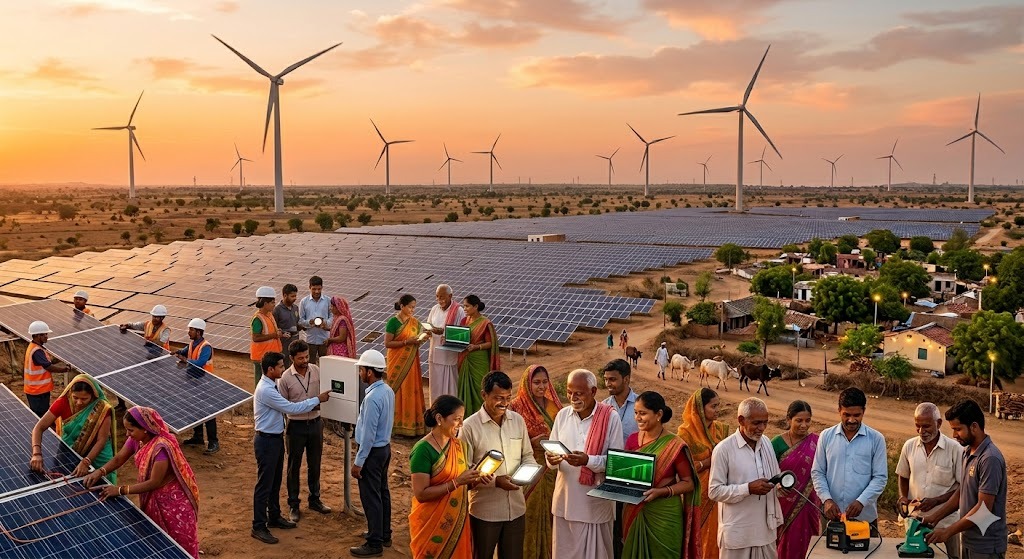
The global conversation around the renewable transition is frequently dominated by abstract numbers: gigawatts of installed capacity, billions of dollars in climate finance, and percentage points of carbon reduction. While these metrics are essential for policy benchmarks, they often obscure the most critical element of the entire movement: the people. In a country as vast and as complex as India, the shift from a fossil fuel-dependent economy to a renewable one is not merely a technical swap of solar panels for coal furnaces. it is a profound social evolution that touches every layer of the human experience. For India, the Renewable Transition is a deeply personal story. It is the story of a coal miner in Dhanbad wondering if his son will have a job in twenty years, a farmer in Rajasthan leasing his arid land for a solar park to pay for his daughter’s education, and a young engineer in Bengaluru designing smart grids for a future she hopes to live in. To write about this transition for a professional audience, we must look beyond the hardware and examine the Just Transition—the commitment to ensuring that as we move toward a cleaner planet, we do not leave our people behind. The Architecture of a Just Transition in the Indian ContextIndia stands in a unique position. Unlike many developed nations that built their wealth on centuries of unrestricted carbon emissions, India is attempting to industrialize and lift millions out of poverty while simultaneously decarbonizing its energy grid. This is an unprecedented historical challenge. A Just Transition in India must be defined by three pillars: economic security for legacy workers, energy equity for the underserved, and the massive undertaking of national upskilling. 1. Economic Security and the Coal HeartlandThe Indian economy has long been anchored by the coal sector. States like Jharkhand, Chhattisgarh, and Odisha are not just regions of mining. they are entire ecosystems built around the "black gold." From the formal employees of Coal India Limited to the informal workers who transport coal on bicycles, millions of livelihoods are at stake. A professional analysis of the transition must address the reality that a solar farm requires significantly fewer permanent employees than a coal mine. Therefore, the transition cannot be a "shut down and walk away" approach. It requires a repurposing strategy. We are seeing the early stages of this in discussions around Green Energy Corridors. The goal is to transform aging thermal power plants into hubs for battery storage or green hydrogen production. By doing so, we utilize existing land and grid infrastructure while providing a localized transition path for the existing workforce. 2.Energy Equity: Beyond the GridFor a professional website focusing on sustainability, it is vital to highlight that renewable does not always mean centralized. In India, the humanized version of the transition is often seen in decentralized renewable energy (DRE). In remote villages where grid stability remains a dream, solar microgrids are changing the fundamental quality of human life. When a health clinic in a rural district gets a reliable solar-powered refrigerator, it isn't just a technical achievement. it means vaccines remain viable, and lives are saved. When a woman in a village can use a solar-powered sewing machine, she moves from subsistence to entrepreneurship. The professional narrative here is one of Productive Use of Energy. We are not just giving people light. we are giving them the tools for economic agency. The Great Upskilling: Preparing the Workforce of 2030The transition is often described as a threat to jobs, but for the professional sector, it is more accurately described as a massive shift in required competencies. The skills needed to maintain a wind turbine in Tamil Nadu are vastly different from those needed to operate a boiler in a thermal plant. Bridging the Skill GapIndia’s Skill Council for Green Jobs (SCGJ) has been instrumental in identifying these gaps. However, the professional community must go further. We need to bridge the gap between academic theory and vocational reality. From Mechanical to Digital: The future renewable worker is as much a software specialist as a mechanical one. As we integrate more solar and wind, which are intermittent by nature, the human in the loop must be adept at using AI-driven forecasting tools and automated grid management systems. Localized Manufacturing:The Make in India initiative for solar modules and lithium-ion batteries is not just about reducing imports. it is a massive job creator. The human story here is the birth of a new middle class of technicians and factory floor managers who are building the components of a green future. The Role of the Private Sector: Companies like Tata Power and Adani Renewables are not just building plants. they are becoming educators. Professional articles should highlight corporate social responsibility (CSR) programs that focus on training local youth in the vicinity of renewable projects, ensuring that the local community benefits from the clean air and the green paycheck. The Social Fabric: Gender and Youth in RenewablesOne of the most humanizing aspects of India’s energy shift is its potential to dismantle old social hierarchies. Historically, the energy sector—particularly coal and heavy oil—has been heavily male-dominated due to the physical nature of the work. The renewable sector offers a cleaner, more digitized, and more inclusive entry point. Women as Energy LeadersIn rural India, the Solar Mamas program has gained international acclaim, but the professional sector needs to look at the broader integration of women in the green workforce. From assembling solar modules in factories to managing micro-finance for solar irrigation pumps, women are at the forefront. A professional website should explore how the transition provides a unique "reset button" for gender parity in the corporate energy world. It is about creating workplaces that are safe, accessible, and designed for a diverse workforce from day one. The Aspiration of the YouthIndia is one of the youngest countries in the world. For an Indian professional under the age of 30, climate change isn't a theoretical threat. it is a defining reality of their career. This generation does not want to work for companies that are part of the problem. they want to be part of the solution. This shift in sentiment is forcing traditional Indian conglomerates to accelerate their green pivots to attract top-tier talent. The human story here is the alignment of professional ambition with planetary survival. Overcoming the Human Hurdles: Culture and MindsetsOne of the least discussed barriers to the renewable transition is the human tendency to stick with what is known. In the professional world, this manifests as incumbent bias. Engineers who have spent thirty years perfecting the efficiency of a coal turbine may naturally be skeptical of solar energy's reliability. Policy makers who rely on the steady tax revenue from fossil fuel movements may be hesitant to pivot toward decentralized models. Humanizing the transition means acknowledging these fears and addressing them with data and empathy. The Reliability MythThe professional conversation must pivot from "Is renewable energy reliable?" to "How do we make the grid resilient?" This involves a shift in mindset from centralized control to distributed intelligence. By framing the transition as an upgrade rather than a replacement, we reduce the friction of change. It is not about taking away the reliable power that coal provided. it is about providing a smarter, more reliable, and ultimately cheaper alternative through a hybrid of solar, wind, and sophisticated storage. The Environmental Justice Aspect: Health as a Human RightWe cannot talk about renewables in India without talking about the air we breathe. For many professionals living in NCR, Mumbai, or Bengaluru, the transition is a matter of public health. The humanized argument for renewables is found in the pediatric wards of our hospitals. Reducing our reliance on thermal power plants directly correlates with a reduction in particulate matter and respiratory illnesses. When writing for a professional audience, it is crucial to link energy policy to healthcare costs and productivity. A healthier workforce is a more productive workforce. The renewable transition is, at its heart, a massive public health intervention. India’s Leadership on the Global StageWhen we talk about the renewable transition in India, we are talking about a global bellwether. The success of the International Solar Alliance (ISA), headquartered in Gurugram, is a testament to India’s intent to lead the Global South in this journey. The humanized professional narrative here is about Global Collaboration. It is about Indian engineers sharing best practices for high-temperature solar installations with colleagues in Africa or South America. It is about the One Sun, One World, One Grid (OSOWOG) initiative, which envisions a world where power is shared across borders, ensuring that the sun never sets on the global energy supply. This is not just a geopolitical strategy. it is a vision of human interconnectedness. The Role of Finance: Investing in People, Not Just ProjectsFor the professional reader in the financial sector, the transition is often seen through the lens of ESG (Environmental, Social, and Governance) scores. However, the humanized approach requires a "S" (Social) focus that is as rigorous as the "E" (Environmental). Capital must flow toward projects that demonstrate a clear community benefit. We are seeing the rise of Green Bonds in India, but the next step is the "Social Impact Bond" for energy transitions. These financial instruments should fund the reskilling of coal workers or the electrification of primary health centers. The human story in finance is the shift from "extraction" to "stewardship." Investors are beginning to realize that a project that ignores its local community is a risky project. Case Studies: Human Success Stories in IndiaTo truly humanize this, we must look at where it is already working. Modhera, Gujarat: India’s first round-the-clock solar-powered village. Here, the transition isn't an article. it's the fact that villagers have zero electricity bills and are actually earning money by selling excess power back to the grid. This transforms the consumer from a passive recipient of energy into an active participant in the economy. The Rewa Ultra Mega Solar Park: By providing cheap, clean power to the Delhi Metro, this project connects the rural sun of Madhya Pradesh to the daily commute of millions in the capital. It is a tangible link between rural land and urban mobility. The Road Ahead: A Call to Action for ProfessionalsAs we look toward 2030 and 2070—India’s target for net-zero—the transition will accelerate. For those writing or working in this space, the goal should be to keep the human element at the forefront of every strategy. The professional community in India has a responsibility that goes beyond the balance sheet. We are the architects of a new social contract. One where energy is a right, not a privilege, and where the air we breathe is as clean as the ambitions we hold. Key Takeaways for Professional Strategy:1. Prioritize Social Impact: Every renewable project should have a clear human ROI. How many local jobs are created? How is the local community’s energy access improved? 2. Invest in Human Capital: The hardware of the transition (panels and turbines) is a commodity. the software (the people who design, install, and maintain them) is the true asset. 3.Transparent Communication: Avoid the jargon of carbon credits and sequestration when talking to the public. Talk about cleaner air for our children, cheaper electricity for our small businesses, and a future where India is energy-independent. 4. Embrace Resilience over Perfection: The transition will be messy. There will be grid failures and policy hiccups. The human element requires us to build resilient systems that can learn and adapt, rather than seeking a perfect, static solution. Conclusion: The Legacy of the Green ShiftIn the decades to come, when history books look back at India in the early 21st century, they will not just record the number of megawatts added to the grid. They will record how a nation of over a billion people managed to redefine its relationship with the planet while lifting its people out of poverty. The Renewable Transition is the most significant industrial shift since the dawn of the steam engine. In India, it is a chance to rectify historical inequities and build a nation that is both prosperous and sustainable. By focusing on the Just Transition, we ensure that the green future we are building is a home for everyone. It is a journey from the darkness of the coal mine to the brightness of the solar-powered home, and every step of that journey is taken by a person seeking a better life. That is the story we must tell. That is the future we must build. This transition is not a destination. it is a continuous process of human improvement. As professionals, our role is to ensure that the light of this new energy era reaches every corner of our country, leaving no one in the shadows of the past. Let us build a grid that is not just made of copper and silicon, but of empathy, foresight, and unyielding hope. ...Read more
12 May 2026
India is experiencing one of the most significant periods of transformation in its modern history. Cities are expanding rapidly, industries are growing at unprecedented rates, and millions of people are gaining access to better technology, transportation, education, and economic opportunities. This development has improved living standards for many, but it has also created immense pressure on the country’s natural resources and energy systems. Energy lies at the heart of this transformation. Every home, office, hospital, school, factory, and transportation network depends on a steady and reliable supply of electricity. For decades, India has relied heavily on fossil fuels such as coal, oil, and natural gas to meet these growing energy demands. While these resources played a major role in powering industrial growth and urban expansion, they have also contributed to severe environmental and public health challenges. Today, India finds itself at a critical turning point. The country must continue developing economically while also addressing rising pollution levels, climate change, resource depletion, and energy security concerns. In this context, renewable energy is no longer viewed merely as an alternative source of power. It has become one of the most important pillars of sustainable development and long term economic resilience. The transition toward renewable energy represents more than a technological shift. It reflects a broader change in how societies think about growth, responsibility, and the future. It is about creating systems that support development without exhausting the environment or compromising the well being of future generations. Understanding Renewable Energy and Its ImportanceRenewable energy refers to energy generated from naturally replenishing resources such as sunlight, wind, water, and biomass. Unlike fossil fuels, which are finite and environmentally damaging, renewable resources can provide cleaner and more sustainable energy over long periods of time. Among the various forms of renewable energy, solar and wind power have become especially important for India. The country receives abundant sunlight throughout the year, making solar energy one of the most practical and scalable solutions for both urban and rural regions. Wind energy has also gained momentum, particularly in coastal and high wind states where large wind farms have become increasingly common. What makes renewable energy especially significant is its ability to address multiple challenges at once. It supports economic growth while reducing environmental damage. It improves energy access while lowering pollution levels. It creates employment opportunities while strengthening long term sustainability. For a country as large and diverse as India, these benefits carry enormous importance. The Environmental Cost of Fossil Fuel DependenceIndia remains one of the world’s largest consumers of coal. Coal based thermal plants continue to produce a major share of the country’s electricity. While these plants have supported industrialisation and infrastructure growth for decades, their environmental impact has become impossible to ignore. The effects are visible across many Indian cities. Urban centres such as Delhi, Mumbai, Kolkata, and Chennai frequently struggle with severe air pollution. Thick smog, declining air quality, and rising respiratory illnesses have become common concerns, especially during winter months. Air pollution does not only affect the environment. It directly impacts people’s health and quality of life. Children growing up in polluted urban environments often face respiratory problems at a young age. Elderly populations remain vulnerable to heart and lung diseases aggravated by poor air quality. Even healthy individuals increasingly experience the effects of polluted environments through fatigue, allergies, and breathing difficulties. Beyond urban pollution, fossil fuel dependence also contributes heavily to climate change. Rising temperatures, irregular rainfall patterns, floods, heatwaves, and water scarcity are becoming more frequent across different parts of India. Farmers are among the worst affected, as changing climate conditions directly influence crop productivity and agricultural stability. Renewable energy offers a path toward reducing these environmental and public health risks. Cleaner energy systems can help improve air quality, lower greenhouse gas emissions, and reduce long term ecological damage while still supporting economic development. Renewable Energy and Sustainable DevelopmentThe concept of sustainable development focuses on meeting present needs without compromising the ability of future generations to meet theirs. It requires balancing economic growth with environmental protection and social well being. Renewable energy plays a central role in achieving this balance. Environmentally, renewable energy significantly reduces harmful emissions compared to fossil fuels. Solar panels and wind turbines generate electricity without continuously releasing pollutants into the atmosphere. As renewable adoption increases, dependence on environmentally destructive mining and fuel extraction gradually decreases. Economically, renewable energy is becoming increasingly competitive. A decade ago, renewable technology was often considered expensive and impractical for large scale adoption. Today, technological advancements and falling production costs have made renewable energy more accessible than ever before. India’s solar sector in particular has expanded rapidly due to falling installation costs and supportive government policies. Renewable energy projects are now attracting major domestic and international investment, creating opportunities across manufacturing, infrastructure, engineering, and research sectors. The social impact of renewable transition is equally important. Reliable electricity access can transform entire communities. In rural areas especially, access to stable and affordable energy improves education, healthcare, communication, and economic productivity. Renewable systems can reach regions where traditional grid expansion may be difficult or financially unviable. In this way, renewable energy supports not only sustainability but also social equity and inclusive development. India’s Renewable Energy TransformationOver the last two decades, India has emerged as one of the world’s fastest growing renewable energy markets. The country has invested heavily in solar and wind energy infrastructure, gradually reshaping its energy landscape. States such as Rajasthan, Gujarat, Tamil Nadu, and Karnataka have become major centres for renewable energy development. Vast solar parks now stretch across dry landscapes, while large wind turbines operate along coastal and high wind regions. The growth of solar energy has been particularly remarkable. Rooftop solar systems are becoming increasingly common in residential buildings, educational institutions, offices, and commercial establishments. For many households and businesses, solar adoption offers both financial savings and environmental benefits. In rural India, renewable energy has created new possibilities for decentralised development. Solar powered irrigation systems are helping farmers reduce dependence on diesel pumps, while mini grid systems are bringing electricity to remote villages. These developments reflect a larger shift in how energy is produced and distributed. Instead of relying entirely on centralised fossil fuel systems, renewable energy enables more flexible and locally adaptable solutions. The Human Side of Renewable TransitionConversations about energy often focus heavily on technology, infrastructure, and policy. However, renewable transition is ultimately about people and the lives they lead. In many rural communities, reliable electricity changes everyday life in simple but meaningful ways. Students are able to study after sunset without depending on kerosene lamps. Healthcare centres can store medicines and operate medical equipment more effectively. Small businesses gain the ability to expand operations and improve productivity. Women in particular often benefit from cleaner household energy systems. Reduced reliance on traditional fuels such as firewood improves indoor air quality and lowers health risks associated with smoke exposure. Renewable energy also creates employment opportunities across various skill levels. Engineers, technicians, construction workers, researchers, electricians, and entrepreneurs are all becoming part of the growing green economy. This human dimension is what makes renewable transition especially significant. It is not only about cleaner electricity generation. It is about improving quality of life while creating more sustainable systems for future generations. Businesses and the Shift Toward Clean EnergyRenewable energy is increasingly becoming a strategic priority for businesses across India. Companies are recognising that sustainability is no longer simply a matter of corporate image. It is becoming an essential part of long term operational resilience and economic competitiveness. Many industries are investing in renewable energy to reduce electricity costs, improve energy security, and align with global environmental standards. Corporate sustainability goals, investor expectations, and international market pressures are all encouraging cleaner business practices. Large office campuses, manufacturing facilities, shopping centres, and technology parks are adopting solar energy systems and energy efficient infrastructure. Businesses that embrace renewable transition are often viewed as more future ready and environmentally responsible. The growth of the renewable sector has also created opportunities for startups and innovation driven enterprises. Areas such as battery storage, electric mobility, green hydrogen, energy management systems, and sustainable infrastructure are attracting increasing entrepreneurial interest. India’s renewable transition is therefore not only an environmental movement but also a major economic opportunity. Challenges in the Renewable TransitionDespite impressive progress, India’s renewable journey still faces several challenges. One major concern is energy storage. Solar and wind energy depend on weather conditions, meaning electricity generation can fluctuate. Developing reliable and affordable battery systems remains essential for maintaining consistent energy supply. Infrastructure limitations also continue to affect renewable integration. Electricity grids must evolve to manage decentralised and variable energy systems more efficiently. This requires significant investment in modernisation and smart grid technologies. Initial installation costs can also remain a barrier for some households and smaller businesses, even though renewable systems often reduce expenses over time. Financial support mechanisms and accessible financing options are therefore important for expanding adoption. Public awareness remains another challenge. Many people still lack clear information regarding renewable energy benefits, available subsidies, or long term cost advantages. Greater educational outreach is necessary to encourage broader participation. At the same time, renewable projects themselves must be planned responsibly. Large infrastructure developments should consider environmental protection, biodiversity, and local community concerns to ensure sustainable implementation. The Future of Renewable Energy in IndiaIndia’s future development will depend heavily on how effectively the country manages its energy transition. As urban populations continue growing and industrial demand increases, sustainable energy systems will become even more critical. Future Indian cities are likely to depend increasingly on cleaner transportation, smart energy systems, electric mobility, energy efficient buildings, and decentralised renewable infrastructure. Public transportation networks powered by cleaner energy, solar integrated buildings, and improved urban planning could significantly reduce pollution and environmental stress. Younger generations are also becoming more aware of climate issues and sustainability concerns. Across schools, universities, startups, and social initiatives, there is growing interest in environmental responsibility and green innovation. This cultural shift matters because long term sustainability requires not only technological change but also social participation and collective responsibility. ConclusionRenewable energy has become one of the defining foundations of sustainable development in the twenty first century. For India, the transition toward cleaner energy systems represents an opportunity to pursue economic growth while protecting environmental and public well being. The movement away from fossil fuels is driven by multiple realities: worsening pollution, climate challenges, rising energy demand, technological advancement, and the need for long term resilience. Renewable energy offers solutions that are cleaner, increasingly affordable, and better aligned with the goals of sustainable development. India’s renewable journey is already reshaping industries, communities, and everyday life. Solar farms, wind projects, electric mobility systems, and green technologies are gradually transforming how the country generates and consumes energy. Challenges still exist, particularly in infrastructure, storage, financing, and awareness. However, the momentum toward cleaner energy continues to grow stronger each year. Ultimately, renewable transition is about more than electricity generation. It is about building a future where development does not come at the cost of environmental destruction or public health. It is about ensuring that progress remains sustainable, inclusive, and responsible. For India, renewable energy is not simply the future of power generation. It is increasingly becoming the foundation for a cleaner, healthier, and more sustainable future altogether. ...Read more
12 May 2026
India’s rapid economic growth has transformed the country over the last few decades. Expanding cities, rising industrial production, growing digital access, and increased consumer spending have improved the quality of life for millions. However, this development has also created a serious challenge that cannot be ignored anymore: the growing pressure on natural resources and waste management systems. Every day, Indian households, industries, markets, offices, and institutions generate enormous quantities of waste. Landfills are reaching capacity, plastic pollution is affecting ecosystems, water resources are under stress, and valuable materials are often discarded after a single use. In many urban areas, waste management infrastructure struggles to keep up with the increasing volume of garbage generated daily. This is where the concept of 3R Resource Efficiency becomes critically important. The principles of Reduce, Reuse, and Recycle are designed to minimise waste, conserve resources, and create a more sustainable system of production and consumption. While the idea itself is simple, implementing it effectively across a large and diverse country like India comes with several challenges. Understanding these obstacles and identifying practical solutions is essential for building a cleaner, more efficient, and environmentally responsible future. Understanding the Importance of the 3RsBefore discussing the challenges, it is important to understand why the 3R framework matters so much in the Indian context. The traditional economic model followed by most societies is linear: Extract → Produce → Use → DisposeThis model consumes large quantities of raw materials and generates equally large amounts of waste. In contrast, the 3R approach promotes a circular system where resources are conserved and reused for as long as possible. Reduce: Reduction focuses on lowering the consumption of resources and preventing waste generation at the source. Reuse: Reuse extends the lifespan of products and materials through repair, refurbishment, and repeated use. Recycle: Recycling converts waste into usable materials, reducing the need for fresh raw resource extraction. Together, these practices help conserve natural resources, reduce pollution, improve efficiency, and support sustainable development. The Current Waste Scenario in IndiaIndia generates massive quantities of waste every year. Urban centres such as Delhi, Mumbai, Chennai, Kolkata, and Bengaluru face mounting pressure on waste collection and disposal systems. The situation becomes more complicated due to:✅️ Increasing population density✅️ Rapid urbanisation✅️ Growth in packaged consumer goods✅️ Rising plastic consumption✅️ Electronic waste generation✅️ Limited landfill space✅️ Inadequate waste segregation Although awareness regarding sustainability has increased significantly, implementation gaps still remain across sectors. Major Challenges in Implementing 3R Resource Efficiency 1. Lack of Waste Segregation at SourceOne of the biggest obstacles in India’s waste management system is the absence of proper segregation at the household and commercial level. Many people still dispose of wet waste, dry waste, sanitary waste, and hazardous materials together. Once waste becomes mixed, recycling becomes much more difficult and expensive. Organic waste contaminates recyclable materials such as paper and plastic, reducing their recovery value. How to Overcome ItPublic participation is the key solution. Awareness campaigns must move beyond slogans and focus on practical education. Municipal corporations can encourage segregation by:✅️ Providing colour coded bins✅️ Conducting community workshops✅️ Offering incentives for proper segregation✅️ Imposing penalties for repeated non compliance✅️ Collaborating with schools and resident associations Educational institutions can also help build long term behavioural change among younger generations. 2. Limited Recycling InfrastructureWhile major metropolitan cities have developed some recycling capacity, many smaller towns and semi urban regions still lack organised recycling systems. Inadequate collection networks, poor transportation systems, and insufficient processing facilities limit the effectiveness of recycling programs. As a result, recyclable materials often end up in landfills or open dumping sites. How to Overcome ItIndia needs greater investment in decentralised recycling infrastructure. This can include: ✅️ Local material recovery facilities✅️ Community recycling centres✅️ Public private partnerships✅️ Improved waste transportation systems✅️ Regional recycling hubs for smaller cities Technology based waste tracking systems can also improve collection efficiency and transparency. Government support through subsidies and policy incentives can encourage private investment in recycling infrastructure. 3. Dependence on Single Use PlasticsSingle use plastics remain one of the largest environmental challenges in India. Disposable packaging, plastic bags, cutlery, and low cost plastic products contribute heavily to pollution. Plastic waste often clogs drainage systems, contaminates water bodies, and harms wildlife. Despite regulatory efforts, enforcement remains inconsistent in many areas. How to Overcome ItReducing plastic dependence requires both policy action and consumer participation. Possible solutions include:✅️ Promoting biodegradable alternatives✅️ Encouraging reusable packaging systems✅️ Strengthening plastic ban enforcement✅️ Supporting sustainable packaging startups✅️ Expanding Extended Producer Responsibility programs Consumers also play a major role by choosing reusable products over disposable alternatives whenever possible. 4. Informal Waste Sector ChallengesIndia’s informal waste workers contribute enormously to recycling activities. Waste pickers, scrap collectors, and local recyclers recover valuable materials from waste streams every day. However, they often work under unsafe conditions with little social protection, healthcare access, or financial stability. Despite their contribution, informal workers are frequently excluded from formal waste management planning. How to Overcome ItIntegrating informal workers into formal systems can improve both social welfare and recycling efficiency. This can be achieved through: ✅️ Worker registration programs✅️ Safety equipment distribution✅️ Health insurance support✅️ Skill development training✅️ Formal employment opportunities✅️ Partnerships between municipalities and waste worker cooperatives Recognising the informal sector as an important stakeholder is essential for creating inclusive sustainability systems. 5. Low Public Awareness and Behavioural ResistanceOne of the most difficult barriers to overcome is behavioural resistance. Many people understand environmental issues in theory but struggle to adopt sustainable habits consistently. Convenience often takes priority over responsible consumption. Practices such as carrying reusable bags, segregating waste daily, repairing products, or reducing excessive consumption require long term mindset shifts. How to Overcome ItAwareness campaigns must become more practical, relatable, and community focused. Effective approaches include:✅️ Social media awareness initiatives✅️ Local sustainability campaigns✅️ School environmental programs✅️ Influencer driven awareness✅️ Community recycling drives✅️ Gamified sustainability programs When sustainability becomes socially normal and convenient, adoption increases significantly. 6. Electronic Waste ManagementIndia is one of the world’s largest producers of electronic waste. Old smartphones, laptops, batteries, televisions, and household electronics generate hazardous waste containing toxic substances. Improper disposal of electronic waste can contaminate soil and water while creating health risks for workers handling materials without protection. How to Overcome ItStrengthening formal e waste recycling systems is critical. Solutions include:✅️ Expanding authorised collection centres✅️ Increasing consumer awareness regarding safe disposal✅️ Encouraging manufacturer take back programs✅️ Supporting certified recycling companies✅️ Implementing stronger compliance monitoring Consumers also need easy and accessible ways to dispose of electronics responsibly. 7. Industrial Resource InefficiencyIndustries consume large quantities of raw materials, water, and energy. Inefficient production processes increase waste generation and environmental impact. In some sectors, outdated technologies still contribute to excessive resource consumption. How to Overcome ItIndustries can improve efficiency through:✅️ Cleaner production technologies✅️ Energy efficient machinery✅️ Water recycling systems✅️ Waste heat recovery✅️ Sustainable supply chain management✅️ Circular manufacturing practices Many companies are already realising that resource efficiency improves profitability in the long run by reducing operational costs. 8. Food Waste and Organic Waste ManagementIndia wastes significant amounts of food across households, restaurants, weddings, hotels, and supply chains. At the same time, organic waste forms a major portion of municipal solid waste. When dumped into landfills, it generates methane emissions and contributes to pollution. How to Overcome ItBetter organic waste management can include✅️ Household composting✅️ Community composting units✅️ Food redistribution programs✅️ Improved cold chain logistics✅️ Awareness regarding responsible consumption Restaurants and event organisers can also collaborate with food donation networks to reduce unnecessary food wastage. The Role of Technology in Solving Resource ChallengesTechnology can become a powerful enabler of resource efficiency in India. - Smart Waste Collection: GPS enabled waste collection systems help improve route planning and operational efficiency. - Recycling InnovationIndian startups are creating solutions for:✅️ Plastic to fuel conversion✅️ Construction waste recycling✅️ Textile waste recovery✅️ Agricultural waste packaging✅️ AI based waste sorting Digital Awareness PlatformsMobile applications and digital platforms can educate citizens, connect recyclers, and simplify waste disposal processes. Technology alone is not enough, but when combined with policy and public participation, it can significantly improve sustainability outcomes. - Government Initiatives Supporting the 3Rs: The Indian government has introduced several initiatives focused on sustainability and resource management. - Swachh Bharat Mission: The Swachh Bharat Mission has improved awareness regarding sanitation and cleanliness while encouraging better waste management practices. - Plastic Waste Management Rules: These regulations aim to reduce plastic pollution and improve producer responsibility. - Smart Cities Mission: Several smart city projects now include sustainable waste management systems and circular economy practices. E Waste Management RulesThese policies promote safer collection and recycling of electronic waste.While progress has been made, consistent implementation remains essential. - Building a Culture of Sustainability: India’s traditional culture already contains many principles aligned with resource efficiency. Previous generations commonly practiced:✅️ Repairing instead of replacing✅️ Reusing containers and packaging✅️ Minimising food wastage✅️ Sharing household resources✅️ Using refill systems✅️ Repurposing old materials Modern consumer culture shifted many habits toward convenience and disposability. However, there is now a growing movement toward rediscovering sustainable practices. Young consumers, startups, educational institutions, and environmentally conscious businesses are helping reshape attitudes toward waste and consumption. ConclusionThe journey toward effective 3R resource efficiency in India is complex, but it is also full of opportunity. The challenges are real and deeply interconnected, ranging from infrastructure gaps and policy limitations to behavioural resistance and economic constraints. However, these obstacles are not impossible to overcome. With stronger public awareness, better infrastructure, inclusive policies, technological innovation, and responsible consumption habits, India can significantly improve its resource efficiency systems. The principles of Reduce, Reuse, and Recycle are not merely environmental concepts. They represent a smarter way of living, producing, and consuming in a world where resources are becoming increasingly limited. Creating a sustainable future requires collective participation from governments, industries, communities, and individuals alike. Every small action matters. Every responsible choice contributes to a cleaner and more resource efficient India. The transition may take time, but the direction is clear. Sustainability is no longer a future ideal. It is a present necessity. ...Read more
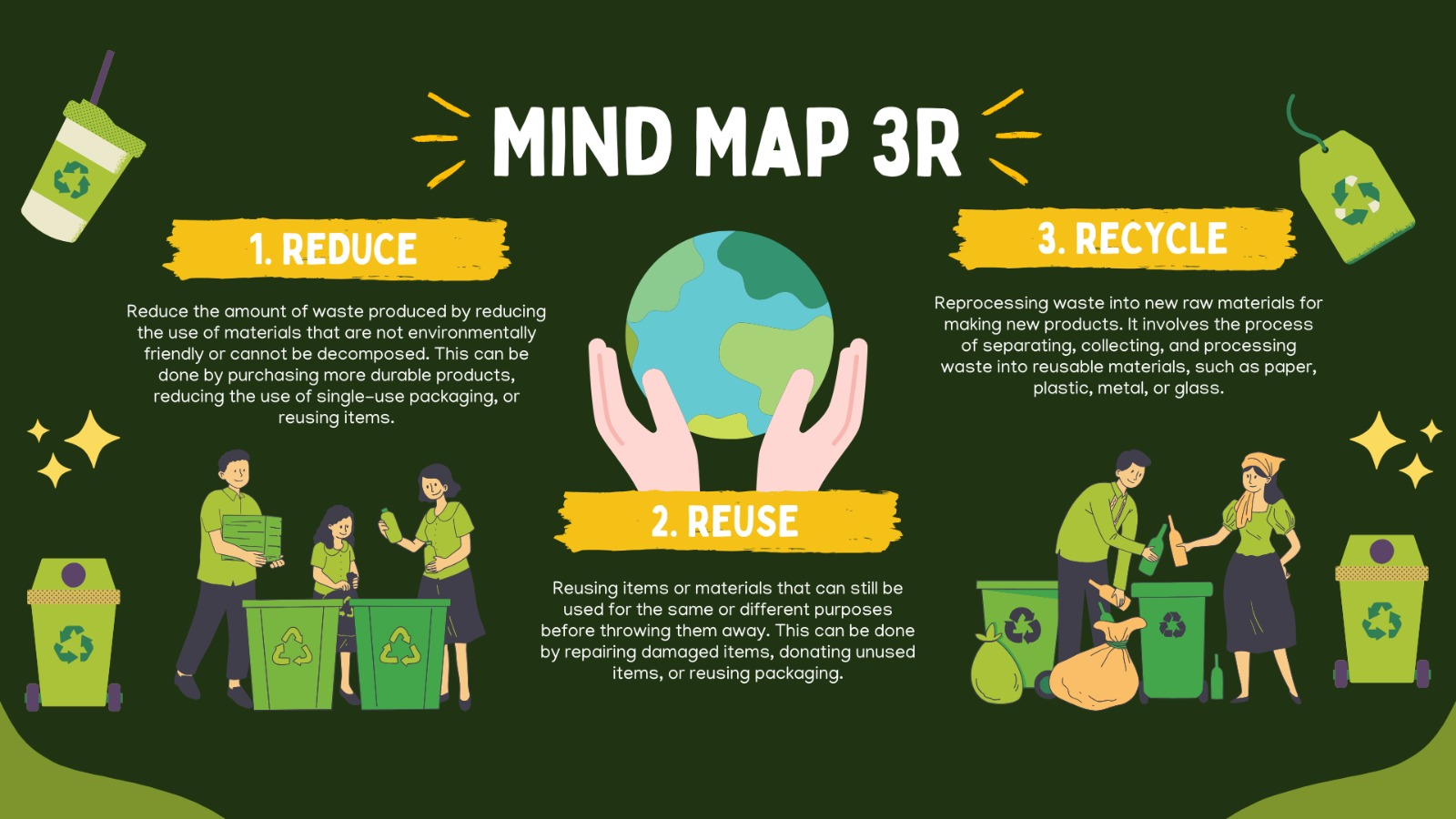
12 May 2026
The Issue: Resource efficiency through the 3R framework of Reduce, Reuse, and Recycle is no longer an environmental add on for Indian businesses. It is a financial and operational necessity. Rising raw material costs, stricter waste management rules, landfill scarcity, and growing consumer awareness are pushing companies to rethink how they handle resources. The 3R approach is not simply about being "less wasteful." It is a systematic method to cut costs, improve productivity, build regulatory compliance, and strengthen brand reputation. India's industrial landscape presents two very different faces of waste. In the sprawling textile hubs of Tirupur, water is the burning issue. In the dense electronics clusters of Chennai and Noida, plastic and metal scrap dominate the waste stream. Both regions show why the 3R is increasingly framed as business intelligence plus environmental responsibility, not just a green badge. At daybreak in Tiruppur, the air smells of wet cotton and dye. The textile capital of India wakes up to the sound of looms and the steady hum of water pumps. Here, every litre counts. A medium sized garment factory processes thousands of garments daily, and the wastewater pools in treatment tanks like a mirror reflecting the industry's biggest challenge. Water is never free in Tirupur. It is bought, moved, treated, and often paid for twice. Once when it arrives. Again when it leaves as effluent. At daybreak in a Chennai electronics unit, the air smells different. Solder and solvent. Plastic and precision. Here, the factory floor is tidy, but the bins behind the assembly line tell a different story. Wires cut to length. Component strips peeled away. Packaging film crumpled and tossed. The waste is dry, technical, and surprisingly valuable. Copper. Polycarbonate. High grade paperboard. The problem is not that this waste exists. The problem is that it leaves the factory as a cost instead of staying as a resource. Two mornings. Two Indias. And one question that no business can afford to ignore anymore. What if everything we throw away was actually something we never should have bought in the first place? This is the quiet revolution of the 3R. Not a grand gesture. Not a sustainability report filled with vague promises. It is a daily discipline. A way of running operations that treats waste as a design flaw rather than an inevitability. The 3R is not a slogan. It is a sequence.In everyday conversation, the 3R gets reduced to one line. "Reduce, reuse, recycle." But the sequence is the secret. You cannot recycle your way out of a problem that should have been reduced at the start. The 3R is a hierarchy. Reduce comes first because preventing waste is always cheaper and cleaner than managing it. Reuse comes second because extending the life of a material or product saves the energy and water that would be needed to break it down and remake it. Recycle comes last because it is better than landfilling but still consumes resources. Think of it like a medical triage for your business. Reduce is prevention. Eat better, exercise, stay healthy. Reuse is managing a minor condition with lifestyle changes. Recycle is treatment. Necessary and valuable, but you would rather not need it so often. Indian businesses often jump straight to recycling because it feels visible and satisfying. But the real savings live in reduction and reuse. And that is where the most exciting stories are being written.Why the 3R is considered smart business, and why the numbers finally make sense For years, Indian companies treated waste management as a compliance cost. Something you paid a contractor to handle so you could focus on production. That old thinking is collapsing for three reasons. First, raw material prices are volatile and generally rising. Every kilogram of material that ends up as waste is money that left the business with nothing to show for it. When you reduce waste, you are not saving the planet. You are saving your purchase budget. Second, waste disposal is getting more expensive and more regulated. Landfills are filling up. State pollution control boards are getting stricter. The days of cheap, unscrutinised dumping are ending. A company that ignores the 3R today will face higher compliance costs tomorrow. Third, customers and investors are starting to ask. A large garment brand in Bengaluru recently lost a European buyer because their audit revealed poor waste segregation. A mid sized auto parts supplier won a new contract partly because their 3R practices impressed a sustainability focused client. The market is not silent on this anymore. But the numbers tell the clearest story. A well implemented 3R programme typically pays for itself within twelve to eighteen months. After that, it becomes a source of ongoing savings and sometimes even new revenue from selling recyclables. That is not charity. That is arithmetic. The hardest part of the 3R. Behaviour, not technology.If the 3R were only about buying better machines or installing compactors, every factory would already be efficient. The hardest part is human. Old habits. Convenience. The unconscious way a worker tosses a used glove into the general bin because the recycling bin is three steps further away. This is where many Indian businesses struggle. They invest in segregation bins. They put up posters. They run a training session. And then nothing changes. The solution is not more posters. It is better design. Make the right behaviour easy and the wrong behaviour annoying. Place the recycling bin closer than the general waste bin. Colour code everything. Name a champion on each shift whose job is not to police but to remind. Celebrate small wins publicly. A team that reduces its waste by ten percent gets a small recognition, not a bonus that distorts behaviour, but a genuine thank you. We once visited a packaging unit in Pune where the floor manager had a simple rule. Every Friday, he walked the line with a notebook and wrote down three things he saw being wasted that should not have been. He read them out at the Monday meeting. Not to shame anyone. To ask a question. How do we fix this together? Within six months, that unit reduced its plastic waste by forty percent without spending a rupee on new equipment. That is the power of behaviour led 3R. Technology helps, but people drive it. The contemporary crisis. Single use plastic and the Indian responseNo conversation about the 3R in India is complete without talking about plastic. Specifically, single use plastic. The stuff that wraps our products, lines our cups, and chokes our drains. India has banned certain single use plastic items, but enforcement varies. More importantly, the ban only covers specific categories. A vast amount of plastic packaging still flows through the economy. Much of it is technically recyclable. Very little of it is actually recycled because collection is fragmented and contamination is high. What does this mean for the 3R conscious business? It means plastic needs a smarter strategy. 💡 Reduce first. Can you switch to paper based or fabric based packaging for certain products? Can you eliminate an inner wrapper that serves no real purpose? Can you ask your suppliers to take back their packaging instead of leaving it for you to manage? 💡 Reuse second. Can you collect clean plastic packaging from your incoming shipments and send it back to suppliers for another trip? Can you use shredded plastic waste as a component in non structural building materials or as an additive in road construction? Some Indian companies are already doing this with impressive results. 💡 Recycle third. For the plastic that cannot be reduced or reused, find a registered recycler and keep your plastic clean and sorted. A bale of uncontaminated PET or HDPE has real value. A mixed, dirty pile of plastic is just landfill. The plastic problem will not be solved by government bans alone. It will be solved by thousands of businesses treating plastic as a resource to be managed, not a nuisance to be discarded. The economics of patience. Why quick fixes fail and steady progress winsThe 3R is not a one time project. It is a continuous improvement cycle. And that is hard for businesses that are used to installing a solution and moving on. A common mistake is to start with the biggest, most visible waste stream, implement a solution, and then declare victory. Six months later, waste creeps back up because no one is monitoring. Habits slip. New processes get ignored. The better approach is slower and steadier. Pick one waste stream. Paper, for example. Measure how much paper you use this month. Set a target to reduce it by fifteen percent over three months. Implement three simple changes. Print double sided by default. Collect single sided sheets for reuse as notepads. Switch to digital approvals where possible. Measure again. Celebrate the reduction. Then move to the next stream. This is the economics of patience. Small, consistent improvements that compound over time. A factory that reduces its waste by five percent every quarter will cut its waste in half within three years. That is not dramatic. It is just disciplined.Technology and the 3R. Data as the new waste managerWe cannot talk about the modern 3R without talking about data. The traditional approach to waste management was reactive. Stuff fills a bin, someone empties it, end of story. The new approach is predictive. Smart bins with sensors can tell you when they are full, optimising collection routes and reducing fuel waste. Data analytics can show you exactly which shift, which line, or which product is generating the most waste. Radio frequency identification can track reusable containers across a supply chain so they come back instead of getting lost. None of this requires an artificial intelligence revolution. It requires basic measurement. Weigh your waste. Categorise it. Track it weekly. What gets measured gets managed. That is the oldest rule in business, and it applies perfectly to the 3R. A small pharmaceutical plant in Vadodara started weighing their plastic waste three years ago. They found that thirty percent of it was clean, uncontaminated, and immediately sellable to a recycler. They had been paying a contractor to haul it away. Now they get paid for it. That change came from one simple habit. Weighing before throwing. What the next decade should build. A 3R ready IndiaIf Indian business is serious about resource efficiency, the next decade will be about systems, not slogans. The first system is better waste segregation infrastructure inside industrial parks. Shared compactors, baling machines, and material recovery facilities can make recycling viable for small and medium enterprises that cannot afford their own equipment. The second system is a liquid market for recyclables. Many recyclable materials have volatile prices because information is poor. A digital platform that connects waste generators with verified recyclers could stabilise prices and increase recovery rates. The third system is smarter procurement. Companies should negotiate take back clauses with suppliers. You sold me this component in this packaging. You take the packaging back. That simple clause creates a closed loop and shifts responsibility up the supply chain. The fourth system is workforce training that goes beyond a one hour session. Embed 3R thinking into job descriptions, performance reviews, and daily stand up meetings. Make it part of how work is done, not an extra thing to remember. The fifth system is honest accounting. Most companies still treat waste disposal as a single line item. Split it out. Show the cost of each waste stream. Show the revenue from recyclables. Show the avoided cost from reduction. When the numbers are visible, the motivation is real. Closing thought:In Tiruppur, the factory manager now checks the recycling bin before the general waste bin. It is a small habit. But it changes everything. Because every time he sees something valuable in the general bin, he asks a question. Why did this happen? And that question leads to another question. How do we stop it? In Chennai, the electronics unit now has a scrap sale every quarter. The money is small relative to their turnover, but the signal is large. Waste is not a cost anymore. It is an oversight that got corrected. The bin was never the end of the story. It was just the place where businesses stopped paying attention. The 3R is simply paying attention again. To what comes in. To what goes out. And to the quiet truth that in a country of a billion people and finite resources, efficiency is not a choice. It is the only way forward. ...Read more

12 May 2026
Why the 3R Matters More Than Ever -Let us pause for a moment and think about the sheer volume of what we throw away every single day. In our homes, in our offices, and on our factory floors, waste has become such a familiar sight that we barely notice it anymore. A broken plastic chair here. A pile of discarded packaging there. Used water bottles. Old office stationery. The list is endless. But here is the truth, we at Sustainverse have come to understand after years of working with businesses across India. Waste is not really waste until we decide to call it that. Before that moment, it is just a resource waiting to be seen differently. And that shift in seeing is exactly what the 3R principle of resource efficiency is all about. The 3R stands for Reduce, Reuse, and Recycle. It sounds simple because it is simple. But do not let that simplicity fool you. When applied thoughtfully, these three small words have the power to transform how an organisation functions. They can cut costs, reduce environmental harm, improve operational efficiency, and build a brand that people genuinely trust. For Indian businesses in particular, the 3R approach is not just an environmental choice. It is an economic necessity. We live in a country where resources are precious. Water, energy, raw materials, and even landfill space are becoming harder to come by. The companies that learn to do more with less are the ones that will survive and thrive in the coming decade. So let us walk through each of the three Rs slowly, as a conversation between people who care about running responsible, efficient, and future ready organisations. The First R. Reduce. Doing More With Less, On PurposeLet us start at the very beginning of the waste chain. Before a material enters your office or factory, you already have a chance to decide whether it needs to be there at all. That is the heart of reduction. Reducing means using fewer resources in the first place. It means designing processes that generate less waste. It means asking uncomfortable questions like, do we really need this much packaging? Or, could we achieve the same result with half the paper, half the water, or half the energy? In an Indian context, reduction is often the most overlooked R. We are a culture that loves abundance. More is better. Extra is safe. But abundance comes at a cost. Every extra kilogram of raw material, every unnecessary printout, every light left on in an empty room adds up to a significant financial and environmental burden. Take the example of a small manufacturing unit in Pune that we worked with a couple of years ago. They were using a particular solvent to clean their machinery at the end of each shift. The process was standard. No one questioned it. But when we sat down with the plant manager and actually measured the usage, we discovered that they were using nearly forty percent more solvent than they technically needed. The excess was simply evaporating or being washed away. By adjusting the cleaning nozzles and training the staff pecisely, they reduced their solvent purchase by thirty five percent in just three months. Less waste. Less cost. Less environmental harm. That is reduction in action. Here are some practical ways Indian businesses can start reducing right away:➤ First, conduct a simple waste audit. For one week, collect and categorise everything that leaves your facility as waste. You will be surprised at what you find. Often, a large portion of that waste never needed to exist in the first place. ➤ Second, look at your procurement policies. Are you buying in bulk when smaller, more frequent orders would reduce spoilage and storage waste? Are your suppliers using excessive packaging that you then have to dispose of? ➤ Third, go digital wherever possible. Indian offices still use far too much paper. Meeting agendas, reports, invoices, and internal communications can almost always move to a digital format. The reduction in paper waste is immediate and measurable. ➤ Fourth, rethink your product design. If you manufacture something, can you make it with fewer materials without compromising quality? Can you design it to be lighter, smaller, or more efficient? Some of India's most innovative startups are already doing this with remarkable results. Reduction is not about deprivation. It is about precision. It is about using exactly what you need and not one bit more. When you embrace that mindset, waste stops being a problem and starts being a signal that something in your process can be improved. The Second R. Reuse. Giving Materials a Second Life Before RecyclingNow let us talk about the second R, which is reuse. If reduction is about preventing waste from being created in the first place, reuse is about extending the life of materials that have already been used. Though not very famous, it is absolutely essential. Reuse means taking an item that would otherwise be discarded and finding a new purpose for it. This can happen in the same process, in a different part of your organisation, or even in a different industry altogether. The key is that you are not breaking the material down. You are simply using it again, either for the same purpose or for a different one. India has a long and beautiful history of reuse. Many of us grew up watching our grandparents reuse newspaper as packaging, glass bottles as water containers, and old clothes as cleaning rags. That instinct for frugality and creativity is still alive. We just need to bring it into our professional lives with the same love and attention. Consider the example of a large corporate office in Bangalore. They used to throw away hundreds of single sided printouts every single day. Someone in the admin team had the simple idea of placing a tray next to the printer labelled "reusable paper." Any paper that had only been printed on one side went into the tray. It was then used for internal drafts, notepads, and informal communications. In one year, that single practice saved over fifty thousand sheets of paper. No complex technology. No big investment. Just a conscious choice to reuse. In the industrial context, reuse can take many forms. Cardboard boxes and wooden pallets from incoming shipments can be sent back to suppliers or used for outgoing products. Metal shavings from machining processes can be collected and sold to foundries for remelting. Used oil from machinery can be filtered and reused in less demanding applications. Even wastewater, after basic treatment, can be reused for cooling, washing, or landscaping. Here is a beautiful example from the textile industry in Tiruppur. A garment factory there realised that the water used for washing fabrics was still relatively clean. Instead of sending it down the drain, they installed a simple filtration system and redirected that water to their landscaping and toilet flushing needs. They reduced their freshwater consumption by nearly twenty five percent. That is reuse with real impact. For Indian small and medium enterprises, reuse is often the most immediately profitable of the three Rs. It requires minimal capital investment. It builds on existing habits of frugality. And it delivers results that can be seen on next month's utility bill. Here are some practical reuse ideas.💡 Set up a central exchange area where different departments can offer items they no longer need. One department's obsolete stationery could be another department's perfectly usable supplies. 💡 Invest in durable, reusable containers for internal transport of materials. Single use cardboard and plastic should be the exception, not the rule. 💡 Partner with other local businesses to create a reuse network. One company's waste product could be another company's raw material. For instance, a bakery's spent grain can be used by a farm as animal feed. 💡 Train your employees to see reuse opportunities. Often, the person working on the shop floor has the best ideas about how a material could be used a second time. Listen to them. Reward them. Reuse is not just good for the planet. It is good for the bottom line. Every time you use a material twice instead of once, you have effectively cut its cost in half. That is simple arithmetic that any business owner can appreciate. The Third R. Recycle. Closing the Loop ResponsiblyFinally, we come to the third R. Recycle. This is the one that most people think of first when they hear the word sustainability. But in the 3R hierarchy, recycling is actually the last resort. You reduce first. Then you reuse. And only after those two options have been exhausted do you consider recycling. Why does order matter? Because recycling takes energy. It takes water. It takes transport. It takes industrial processes that have their own environmental footprint. So while recycling is far better than landfilling or incineration, it is not as good as reduction or reuse. That said, recycling is absolutely essential for the materials that cannot be reduced or reused. And in India, the recycling sector is both vibrant and under recognised. From the kabadiwalas who collect scrap from our homes to the large recycling plants that process plastic, metal, paper, and glass, there is an entire economy built around giving waste a second life as a raw material. The key to good recycling is contamination. Clean, separated, well sorted materials are easy to recycle. Mixed, dirty, contaminated materials are not. A single greasy pizza box can ruin an entire batch of paper recycling. A plastic bottle with liquid still inside can contaminate a whole bale of PET. So the most important thing any organisation can do to enable recycling is to separate waste at the source. Have different bins for different materials. Train your staff on what goes where. Work with a reliable recycling partner who can verify that the materials are actually being recycled and not just dumped somewhere else. We once visited a large hotel in Jaipur that had achieved a recycling rate of over eighty percent. Their secret was nothing more than disciplined separation. Kitchen waste went to composting. Glass bottles went to a local recycler. Paper and cardboard went to another. Metals and electronics went to specialised vendors. Every single waste stream had a destination. Nothing was mixed. Nothing was contaminated. It took effort to set up, but within six months it became second nature for the staff. For businesses, there are some practical steps to improve recycling. 💡 First, map your waste streams. What materials are you throwing away in significant quantities? Paper, plastic, metal, glass, electronics, textiles, and organic waste all have different recycling pathways. 💡Second, find local recyclers. India has a strong decentralised recycling network. Chances are there is a recycler within a few kilometres of your facility. Build a relationship with them. Understand what they can and cannot accept. 💡 Third, set up clear, colour coded bins for different types of waste. Red for hazardous. Blue for recyclables. Green for organic. And make sure the bins are placed conveniently. If the recycling bin is far away, people will use the general waste bin instead. 💡 Fourth, measure and report your recycling rate. What gets measured gets managed. Track how many kilograms of each material you recycle every month. Share that information with your team. Celebrate improvements. And finally, be honest about what cannot be recycled. Some materials, like multi layer plastic packaging or certain types of composite materials, have no practical recycling solution yet. For those, reduction and reuse become even more important. Bringing the 3R Together. A Holistic Approach for Indian BusinessesNow that we have looked at each R individually, let us talk about how they work together. The 3R is not a menu where you pick one option. It is a system where all three support each other. Reduction makes reuse and recycling easier because there is less material to manage. Reuse extends the life of materials before they ever reach the recycling stage. Recycling captures value from materials that can no longer be reused. Together, they create a closed loop where waste is minimised and resources are respected. Let me share the story of a medium sized electronics assembly unit in Noida to show how this works in practice. First, they reduced. They redesigned their packaging to use forty percent less plastic. They switched to digital work instructions instead of paper. They optimised their component cutting to reduce scrap. Second, they reused. The cardboard boxes from incoming components were sent to the packaging section for outgoing products. The protective foam inserts were collected and sold to a local packaging company. The wooden pallets were repaired and reused multiple times. Third, they recycled. The small amount of plastic waste that remained was sent to a registered recycler. The metal scrap from component leads was sold to a smelter. Even the electronic waste from defective components was handled by an authorised e waste recycler. As a result, this unit reduced its waste disposal costs by sixty five percent in eighteen months. They generated a new revenue stream from selling scrap materials. Their employees took pride in working for a responsible organisation. And their customers, especially the larger international buyers, valued their sustainability credentials. That is the power of the 3R approach when it is implemented thoughtfully and completely.Overcoming Common Challenges in the Indian ContextOf course, nothing is ever perfectly smooth. Indian businesses face real challenges when trying to implement the 3R. Let us acknowledge them honestly and talk about practical solutions. 1.The first challenge is awareness. Many business owners and managers simply do not know what is possible with the 3R. They have never seen it done. They assume it is expensive or complicated. The solution is education and exposure. Visit facilities that are already doing this well. Attend workshops. Read case studies from similar businesses. At Sustainverse, we have seen time and again that seeing is believing. 2. The second challenge is infrastructure. In some parts of India, reliable recycling services are not easily available. There may be no local recycler for certain materials. The solution is to start with what is possible. Focus on reduction and reuse first. For recycling, build partnerships with aggregators who can transport materials to recyclers in other cities. Over time, as demand grows, local infrastructure will develop. 3. The third challenge is cost. Recycling can sometimes cost more than landfilling, especially if you are in a city with cheap landfill fees. But this calculation often misses the bigger picture. Landfill costs are not just financial. They are environmental and social. And increasingly, regulations are making landfilling more expensive. The solution is to take a long term view. The businesses that invest in 3R today will be far ahead when stricter regulations inevitably arrive. 4. The fourth challenge is employee behaviour. Changing how people sort waste or use materials requires effort. Old habits are hard to break. The solution is to make the right behaviour easy and the wrong behaviour annoying. Clear signage. Convenient bins. Regular training. And most importantly, leadership by example. When employees see their manager carefully separating waste, they will follow. 5. The fifth challenge is measurement. Many businesses do not track their waste at all. They pay a contractor to take it away and never think about it again. The solution is to start small. Weigh your waste for one week. Categorise it. That baseline data is invaluable for identifying the biggest opportunities. A Call to Action for Business LeadersSo where do you start? Right where you are. With what you have. The 3R journey does not require a massive budget or a dedicated sustainability department. It requires attention, curiosity, and a willingness to do things a little differently. Start with a walk through your facility. Look at your waste bins. What is in them? Notice the patterns. Are there materials that should not be there? Are there opportunities to reduce, reuse, or recycle that are being missed? Pick one material stream that seems promising. Maybe it is paper. Maybe it is plastic packaging. Maybe it is metal scrap. Focus on that one stream. Set a simple goal. Reduce it by twenty percent. Or find a reuse application. Or establish a recycling channel. Measure your progress. Share it with your team. Celebrate the small wins. Then pick another stream. Over time, these small improvements compound into something truly remarkable. At Sustainverse, we have seen Indian businesses of every size and sector make real progress on the 3R. A tiny bakery in Kerala that switched from plastic to banana leaf packaging. A mid sized logistics company in Gujarat that reduced its wooden pallet waste by training drivers to handle them more carefully. A large pharmaceutical plant in Hyderabad that recycled ninety percent of its solvent waste. These stories are not exceptions. They are proof that the 3R works everywhere, for everyone. A Final Thought. The 3R as a MindsetThe 3R is not really about waste. It is about respect. Respect for the materials that came from the earth. Respect for the labour and energy that went into producing them. Respect for the communities that live downstream of your facility. And respect for the future generations who will inherit the planet we leave behind. When you reduce, you are saying that you value resources enough not to waste them. When you reuse, you are saying that an item has more than one story to tell. When you recycle, you are saying that nothing truly disappears and that everything can begin again. That is the deeper meaning of the 3R. And that is why we at Sustainverse believe so strongly in this simple, profound framework. So go ahead. Look at your waste bins with fresh eyes. Ask the questions. Try the small experiments. Talk to your team. Build the partnerships. And watch as your organisation becomes not just more efficient, but more human. Because at the end of the day, resource efficiency is not a technical problem. It is a human choice. And that choice is yours to make, starting right now. Let us build a more sustainable India together, one reduction, one reuse, one recycle at a time. ...Read more
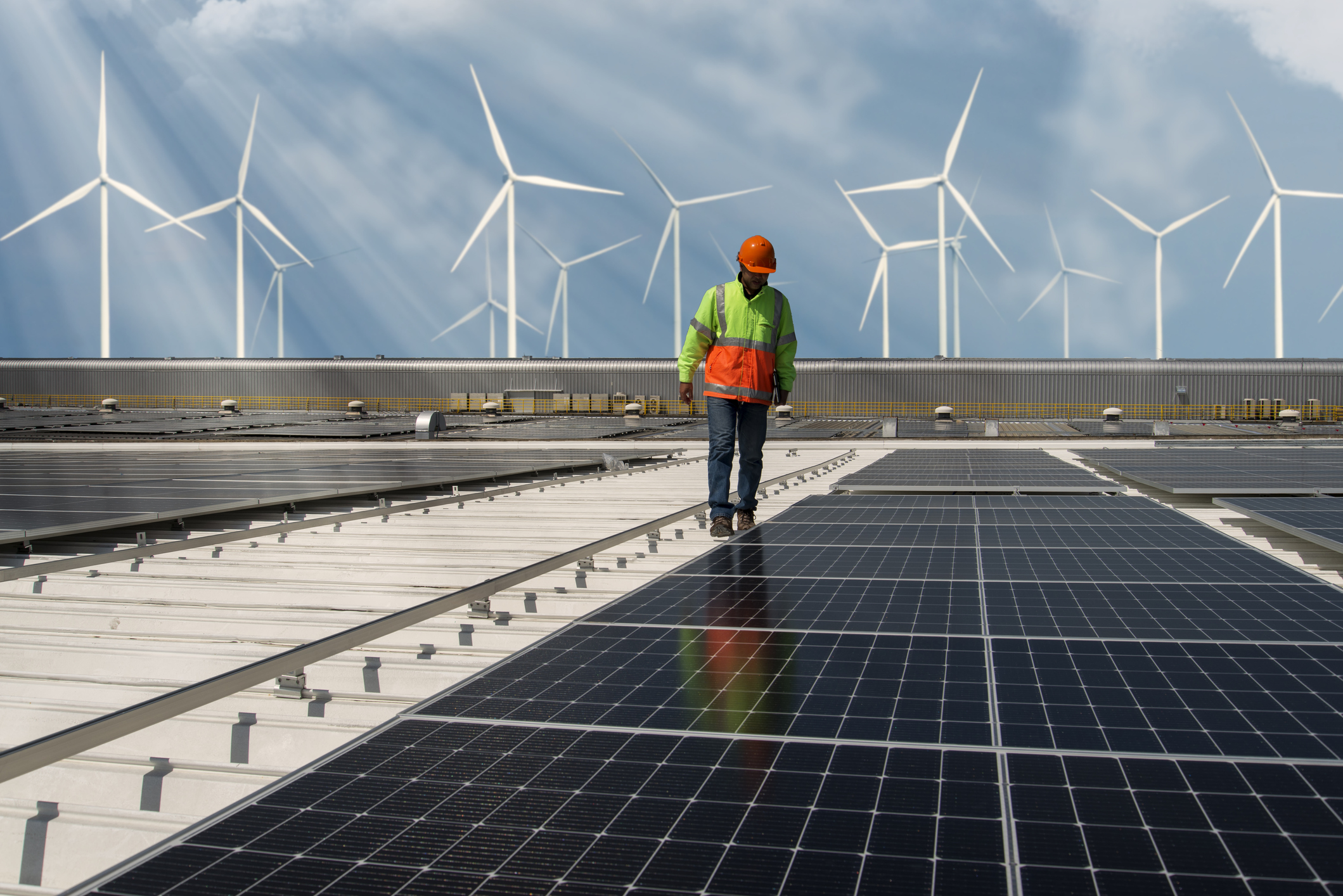
12 May 2026
The global manufacturing sector is currently undergoing a "Material Metamorphosis," shifting away from a century of reliance on petroleum-based polymers and energy-intensive metals toward a new frontier of bio-fabricated and recycled inputs. The central challenge of Green Materials lies in the "Performance-Sustainability Gap"—the historical difficulty of finding eco-friendly alternatives that match the durability, heat resistance, and scalability of traditional materials. However, in 2026, breakthroughs in Synthetic Biology and Molecular Engineering are closing this gap. Companies are no longer just looking for "less bad" materials; they are designing materials that are "nature-positive," meaning their production and end-of-life cycles actually contribute to ecological restoration. For instance, the rise of Mycelium-based composites—grown from the root structure of fungi—has moved from experimental packaging into high-performance construction and automotive interiors, providing a biodegradable alternative that sequesters carbon during its growth phase. One of the most significant innovations in this space is the development of Advanced Chemical Recycling (also known as Molecular Recycling). Unlike traditional mechanical recycling, which often degrades the quality of plastic (downcycling), chemical recycling breaks polymers down into their basic monomers. This allows materials to be rebuilt with virgin-quality integrity an infinite number of times, effectively decoupling material production from fossil fuel extraction. Furthermore, the textile industry—historically one of the world’s largest polluters—is pivoting toward Closed-Loop Cellulosic Fibers. By utilizing agricultural waste like orange peels, pineapple leaves, or hemp, and processing them with non-toxic, reusable solvents, brands are creating a "Bio-Textile" economy. These materials are designed with their "end-of-life" in mind, ensuring that once a garment is worn out, it can be chemically disassembled and reincarnated as a new fiber without any loss in quality. The transition to green materials also requires a fundamental rethinking of Material Efficiency through generative design. By using Artificial Intelligence to optimize the internal geometry of components, engineers can create parts that use 40% less material while maintaining the same structural strength. This "Dematerialization" is particularly crucial in the aerospace and electric vehicle industries, where every gram of weight saved translates directly into lower energy consumption. When combined with Additive Manufacturing (3D printing), which produces virtually zero waste compared to traditional subtractive machining, the environmental footprint of production is slashed. As we look toward a carbon-neutral future, the focus is shifting toward "Carbon-Negative" concrete and "Green Steel" produced via hydrogen electrolysis, proving that even the most carbon-intensive industries can be reinvented through material science. ...Read more