12 May 2026
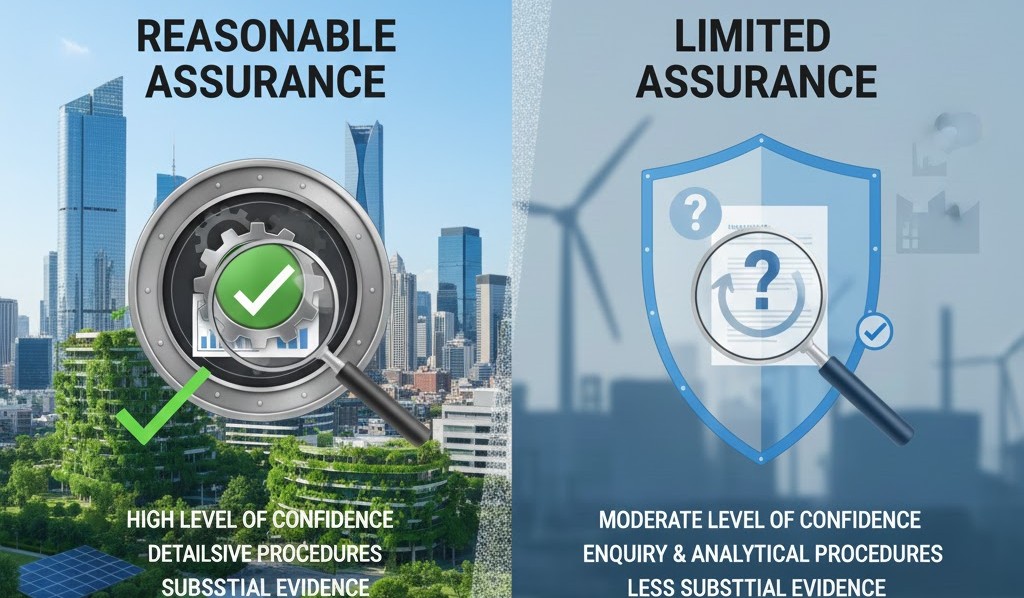
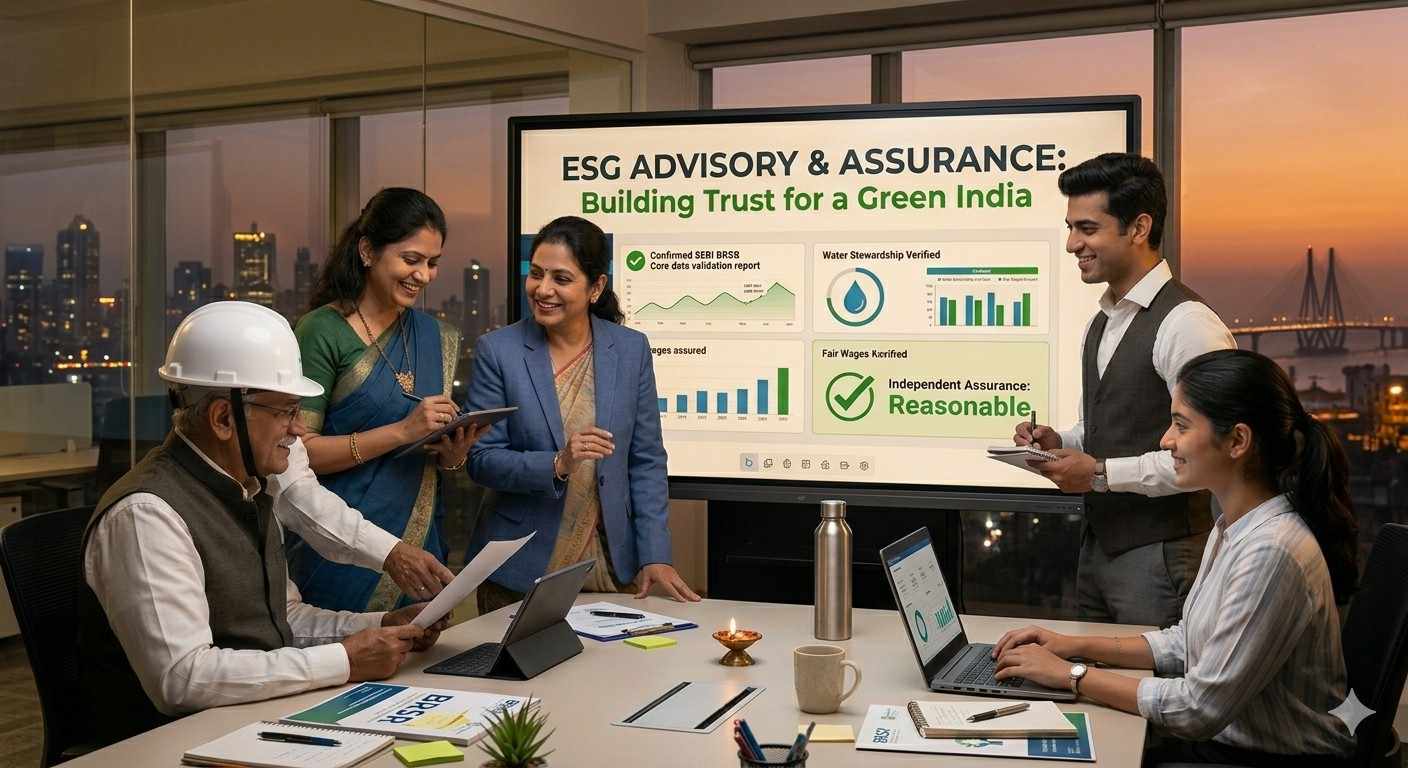
ESG has become a business imperative in India. Environmental, Social, and Governance factors now influence access to capital, regulatory compliance, customer preferences, and risk management. As more companies publish ESG reports and make sustainability claims, two distinct but complementary services have emerged. ESG advisory helps companies build their strategy, collect data, and prepare reports. ESG assurance independently verifies that the reported information is accurate, complete, and credible. Many companies confuse these two services. Some seek only advisory and skip assurance, leaving their reports unverified and vulnerable to greenwashing accusations. Others seek assurance before they have built the underlying systems needed to produce reliable data. Both approaches fail. This article explains the critical difference between advisory and assurance, why both are necessary, and how Indian companies can use them effectively to build trust with investors, regulators, and the public. The two questions every ESG journey must answerEvery company that commits to ESG reporting eventually faces two fundamental questions. The first question is strategic. What should we measure, how should we measure it, and how do we present our performance credibly? The second question is verification. Can we prove that what we have reported is true? These two questions require two different kinds of expertise. The first question is the domain of ESG advisory. The second question is the domain of ESG assurance. They are related but distinct. They involve different skill sets, different methodologies, and different relationships with the company. Understanding the distinction is essential for any company serious about ESG. ESG advisory is a collaborative, forward looking service. An advisor works with the company to build systems, improve processes, and prepare reports. The advisor is a partner in the company's ESG journey. The relationship is trusting and constructive. ESG assurance is an independent, backward looking service. An assurer examines the company's reported information, tests its accuracy, and provides an independent opinion. The assurer is not a partner but an evaluator. The relationship is professional and arms length. Neither service is better than the other. They serve different purposes. A credible ESG program requires both. Advisory without assurance leaves the company with unverified claims. Assurance without advisory leaves the company with no reliable system for producing accurate data in the first place. ESG advisory. Building the foundationsLet us begin with ESG advisory. This is the service that helps companies establish the infrastructure for credible ESG reporting. An ESG advisory engagement typically begins with a gap assessment. Where is the company today relative to where it needs to be? What data is already being collected? What data is missing? What systems are in place? What systems need to be built? The advisor maps the current state and identifies the gaps. The next phase is strategy development. Which ESG topics are material to this company? Materiality means the issues that have the most significant impact on the company's business performance or on its stakeholders. For a manufacturing company, the E in ESG might be dominant. Energy efficiency, water management, and waste reduction. For a financial services company, the G in ESG might be more important. Board diversity, executive compensation, and anti corruption controls. The advisor helps the company identify its material topics and focus its efforts where they matter most. The third phase is system building. An ESG report is only as reliable as the systems that produce the underlying data. An advisor helps the company design and implement data collection processes. This might involve setting up spreadsheets, implementing software tools, training staff, and defining roles and responsibilities. The goal is to ensure that data is collected consistently, accurately, and on a regular schedule. The fourth phase is report preparation. The advisor helps the company draft its ESG report, structure its disclosures, and align with applicable frameworks. The most common frameworks in India include the Business Responsibility and Sustainability Report (BRSR) required by the Securities and Exchange Board of India, the Global Reporting Initiative standards, and the Sustainability Accounting Standards Board standards. Each framework has different requirements. The advisor helps the company navigate them. The fifth phase is continuous improvement. ESG is not a one time project. It is an ongoing process. The advisor helps the company track performance over time, benchmark against peers, and identify opportunities for improvement. This might include setting targets, developing action plans, and monitoring progress. Throughout the advisory engagement, the relationship between the advisor and the company is collaborative. The advisor is on the company's side. They share the same goal. A credible, effective ESG program. ESG assurance. Verifying the claimsNow let us turn to ESG assurance. This is the service that provides independent verification of the company's reported information. An ESG assurance engagement is structured differently from an advisory engagement. The assurer must be independent. They cannot have been involved in preparing the report or designing the data collection systems. Independence is essential for credibility. An assurer who also advises cannot provide an objective opinion. The assurance process begins with an engagement agreement. The company and the assurer agree on the scope of the assurance. Which parts of the ESG report will be verified? Which locations or business units are included? What is the period covered by the assurance? The agreement also specifies the level of assurance. Reasonable assurance or limited assurance. Reasonable assurance is the higher level. It is comparable to the assurance provided in a financial statement audit. The assurer performs detailed testing, examines evidence, and provides a high degree of confidence that the information is accurate. Reasonable assurance engagements are more rigorous, more time consuming, and more expensive. Limited assurance is a lower level. The assurer performs fewer procedures, primarily inquiries and analytical reviews, and provides less confidence. Limited assurance is often sufficient for companies that are early in their ESG journey or for information that is difficult to verify precisely. Once the scope and level are agreed, the assurer begins their work. They interview the people responsible for collecting and reporting ESG data. They inspect documentation and evidence. They test the accuracy of calculations. They assess whether the data collection systems are designed appropriately and operating effectively. They confirm that the report includes all required disclosures and that the disclosures are presented fairly. At the conclusion of the engagement, the assurer issues an opinion. The opinion states whether the information is accurate, complete, and presented fairly. The opinion is included in the company's ESG report or issued as a separate letter. It provides stakeholders with confidence that the company's claims have been independently verified. Throughout the assurance engagement, the relationship between the assurer and the company is arms length. The assurer is not the company's partner. They are an independent evaluator. This independence is what gives the assurance opinion its value.The common confusion. Why companies mix them up Despite the clear distinction between advisory and assurance, many companies confuse the two. This confusion has several causes. ➣Unfamiliarity. ESG is still new to many Indian companies. The language, the frameworks, and the services are unfamiliar. It is easy to assume that one service covers everything. It does not. ➣Similarity in names. Both advisory and assurance start with the same letter. Both are offered by consulting firms and professional services firms. A company might hire a firm to help with ESG and not realise that the same firm should not both advise and assure. ➣ Cost pressure. Advisory and assurance both cost money. A company looking to save might try to combine them or skip one. This is a false economy. Skipping advisory leads to poor data quality. Skipping assurance leads to unverified claims. Both damage credibility. ➣ Overconfidence. Some companies believe they can handle advisory internally. They design their own systems and prepare their own reports. Then they seek assurance. The assurer finds that the underlying systems are inadequate. The assurance engagement fails or produces a negative opinion. The company has wasted time and money. The correct sequence is clear. Advisory first. Build the systems. Collect the data. Prepare the report. Then assurance. Verify the accuracy. Obtain the independent opinion. Publish the verified report. This sequence works. Skipping steps does not. Why both are necessary. Three compelling reasonsA company might ask why both advisory and assurance are truly necessary. Why cannot we just do one? Here are three compelling reasons. 1. Credibility requires independent verification.An ESG report that has not been assured is just a collection of claims. The company is essentially asking stakeholders to trust it. In today's skeptical environment, trust is scarce. Independent assurance provides evidence that the claims have been tested. It converts a promise into a verified statement. For investors, regulators, and customers, that difference is decisive. 2.Data quality requires systems.Assurance cannot create good data out of bad systems. If the underlying data collection is inconsistent, incomplete, or inaccurate, the assurer will identify those problems. The best possible assurance opinion on bad data is still an opinion on bad data. The company needs advisory to build the systems that produce good data in the first place. Then assurance can verify that the good data is accurate. 3.Continuous improvement requires both working together.The best ESG programs use advisory and assurance in an ongoing cycle. Advisory helps the company improve its systems and performance. Assurance independently verifies the results. The findings from assurance inform the next round of advisory. What weaknesses were identified? Where did the data fail testing? Those become priorities for the next improvement cycle. Together, advisory and assurance drive a virtuous cycle of continuous improvement. The Indian context. BRSR and the growing demand for assuranceIndia's ESG landscape has been transformed by the introduction of the Business Responsibility and Sustainability Report, or BRSR. The Securities and Exchange Board of India now requires the top 1000 listed companies to include a BRSR in their annual reports. The BRSR covers a wide range of ESG topics. Energy consumption, water usage, waste management, greenhouse gas emissions, employee safety, human rights, community engagement, and governance practices. The reporting requirements are detailed and specific. Companies must provide quantitative data, not just qualitative descriptions. The BRSR does not currently require assurance, but the direction is clear. The Securities and Exchange Board of India has indicated that assurance will become mandatory in the future. Some leading companies are already obtaining voluntary assurance to demonstrate leadership and build investor confidence. This regulatory trajectory creates both a challenge and an opportunity for Indian companies. The challenge is to build the systems necessary to produce reliable BRSR data. The opportunity is to get ahead of the curve by engaging advisory services now and preparing for mandatory assurance later. Companies that wait will scramble. Companies that act now will be ready.Choosing an advisor. What to look for When selecting an ESG advisory firm, companies should consider several factors. ➣ Relevant experience. Does the advisor have experience in your industry? ESG priorities differ significantly between manufacturing, financial services, technology, and healthcare. An advisor who understands your specific context will provide more valuable guidance. ➣ Framework expertise. Does the advisor understand the BRSR, the Global Reporting Initiative standards, the Sustainability Accounting Standards Board standards, and other relevant frameworks? Your advisor should be able to help you navigate the framework landscape and choose the most appropriate approach for your company. ➣ Practical orientation. Is the advisor focused on building systems that work in the real world, or are they focused on producing a glossy report? A good advisor cares about data quality, not just presentation. Ask about their approach to system design and staff training. ➣ Independence from assurance. Does the advisor also offer assurance services? If so, the same firm cannot both advise and assure you. The conflict of interest would be unacceptable. It is fine to hire a firm that offers both services, but you must ensure that the advisory team and the assurance team are completely separate and that the firm has robust policies to manage independence. ➣ Cultural fit. ESG advisory involves close collaboration. You will share sensitive information and work through complex problems. Choose an advisor you trust and feel comfortable with. Choosing an assurer. What to look forWhen selecting an ESG assurance provider, the criteria are different. ➣ Independence. The assurer must be independent of the company and independent of any advisory work performed for the company. If the same firm provided advisory services, the assurance engagement must be conducted by a separate team with no involvement in the advisory work. Many companies prefer to use different firms for advisory and assurance to avoid even the appearance of a conflict. ➣ Technical competence. ESG assurance requires knowledge of assurance standards, particularly the International Standard on Assurance Engagements 3000. The assurer should be able to explain the standard, the procedures they will perform, and the level of assurance they will provide. ➣ ESG knowledge. The assurer does not need to be an ESG expert in the same way an advisor does, but they must understand the topics they are assuring. They need to know what good evidence looks like for each metric. They need to understand the common pitfalls and errors in ESG data collection. ➣ Reputation. The value of assurance depends on the credibility of the assurer. A well known, respected assurance provider adds more value than an unknown one. Look for firms with established assurance practices and a track record of quality work. ➣ Clear communication. A good assurer explains their findings clearly, including any limitations or qualifications. They do not hide behind technical language. They help the company understand what the assurance opinion means and how to improve. The path forward for Indian companiesFor companies ready to begin or strengthen their ESG journey, here is a clear path forward. ✓ Start with a diagnostic. Engage an advisor to assess your current state. What data do you already collect? What systems do you have in place? What gaps need to be filled? ✓ Build the foundations. Work with your advisor to design and implement data collection systems. Train your staff. Establish roles and responsibilities. Start collecting data consistently. ✓ Prepare a report. Draft your first ESG report. Use the BRSR framework if you are a listed company, or another appropriate framework if you are not. ✓ Commission assurance. Before you publish your report, engage an assurer to verify the information. Start with limited assurance if reasonable assurance seems too ambitious. Even limited assurance adds credibility. ✓ Publish and improve. Release your assured report. Use the findings from the assurance engagement to identify areas for improvement. Work with your advisor to address those areas. Repeat the cycle next year. This path is not quick. Building a credible ESG program takes time. But every step builds on the last. And each year, your program becomes stronger, your data becomes more reliable, and your credibility becomes more solid. Closing thoughtESG is not a trend. It is a fundamental shift in how businesses are evaluated. Access to capital, regulatory standing, customer trust, and employee engagement all depend increasingly on credible ESG performance. Advisory and assurance are the two pillars of credible ESG reporting. Advisory helps you build the systems and prepare the report. Assurance helps you verify that the report is accurate. Neither pillar can stand alone. Build then verify. That is the sequence. That is the standard. Indian companies that embrace both will lead. Those that confuse them or skip one will struggle to be believed. The choice is clear. Build the foundations. Verify the results. Earn the trust. ...Read more
12 May 2026
In the quiet hours before a board meeting in a skyscraper overlooking the Bandra-Kurla Complex, there is a palpable shift in the air. For decades, these rooms were dedicated to the hard mathematics of profit, loss, and market expansion. Today, a new set of variables sits at the table. These variables are not just numbers. they represent the breath of the city, the safety of a factory worker in Pune, and the long-term survival of the business in a warming world. This is the realm of Environmental, Social, and Governance (ESG) integration, and in the Indian context, it is becoming the most human story in the corporate world. When we talk about ESG Advisory and Assurance, we often get lost in the technicality of the SEBI Business Responsibility and Sustainability Reporting (BRSR) framework. But if we pull back the curtain, we see that "Governance" is actually about the character of an organization. It is the silent engine that determines whether a company’s environmental and social promises are genuine or merely performance art. To write about this for a professional audience, we must move beyond the "engine room" and look at the people who are steering the ship. The Soul of the Boardroom: Governance ReimaginedGovernance is the "G" in ESG, but in many ways, it is the most important pillar because it provides the structure for the other two. In India, corporate governance has traditionally been viewed through the lens of family-run legacies or strict regulatory compliance. The transition to ESG-led governance is a human evolution of leadership. 1. Diversity as a Mirror of SocietyFor a professional website, the conversation around board diversity often starts and ends with gender quotas. However, a humanized approach to governance in India looks deeper. It asks: does this board reflect the world it operates in? We are seeing a trend where Indian boards are actively seeking "Cognitive Diversity." This means bringing in independent directors who aren't just retired CEOs or bankers, but environmental scientists, social activists, and digital ethicists. The human story here is the breaking of the "Old Boys' Club." When a board includes a director who has spent their life studying water scarcity in rural Maharashtra, the company’s water stewardship policy moves from a technical document to a lived reality. This diversity of thought acts as a safeguard against groupthink and ensures that the company remains connected to the ground reality of the Indian people. 2. The Ethical Compass of Executive PayOne of the most powerful tools in the ESG advisory kit is the restructuring of executive compensation. In the past, a CEO’s bonus was tied almost exclusively to EBITDA or stock price. Today, leading Indian firms are linking a significant portion of variable pay to ESG targets. Imagine a scenario where a Managing Director’s year-end bonus is dependent on reducing the company’s carbon footprint by 10% or achieving a 20% increase in the representation of women in middle management. This creates a direct human incentive for ethical leadership. It forces the leadership to care about the "S" and the "E" with the same intensity they bring to the financial balance sheet. It humanizes the C-suite by making them personally accountable for the company’s impact on the world. The Engine Room: Technical Implementation with a PurposeMoving from the boardroom to the factory floor, the implementation of ESG requires a sophisticated blend of technology and human intuition. This is where "Advisory" meets "Action." 1. The Digital Nervous System of ESG DataOne of the greatest challenges for Indian MNCs is the sheer scale of data collection. A company with dozens of manufacturing units across the country has thousands of data points: energy bills, waste logs, employee safety records, and community grievance reports. Advisory firms are now helping companies implement ESG SaaS (Software as a Service) platforms that act as a digital nervous system. These platforms automate the collection of data, but the human element remains critical. A software tool can flag a spike in water usage at a plant in Tamil Nadu, but it takes a human manager to investigate the cause and work with the local community to fix the leak. The professional narrative here is about "Empowered Data." We use technology to handle the drudgery of reporting so that people can focus on the strategy of improvement. 2. Climate Risk Assessment (TCFD) as a Tool for ResilienceThe Task Force on Climate-related Financial Disclosures (TCFD) sounds like a dry, technical framework. But in India, climate risk is a life-and-death matter. For a business with assets in flood-prone areas of Kerala or heatwave-vulnerable regions of Rajasthan, TCFD is a tool for human resilience. Advisory involves "Scenario Planning." We ask: what happens to our supply chain if the monsoon is 30% stronger this year? How do we protect our outdoor workers when temperatures hit 48°C? By quantifying these physical risks, companies can invest in protective infrastructure and better insurance for their employees. This is the human side of "Assurance." It is about providing certainty to stakeholders that the company has a plan to protect its people and its assets from an unpredictable climate. The Social Fabric: Beyond CSR to Social EquityIn India, the "S" in ESG has long been dominated by the 2% CSR mandate. While CSR is important, ESG Advisory pushes companies to look at "Social Equity" across their entire value chain. 1. The Human Rights of the Supply ChainA sustainable company cannot have a "clean" headquarters and a "dirty" supply chain. Advisory services are increasingly focusing on "Human Rights Due Diligence" (HRDD). This involves mapping the supply chain down to the deepest tiers to ensure that there is no child labor, no forced labor, and that fair wages are being paid. The humanized approach here is one of "Supplier Partnership." Instead of just sending an auditor to find faults, companies are working with their smaller suppliers to help them improve their labor standards. They are providing training on safety, offering better credit terms for ethical compliance, and treating the supplier as an extension of the corporate family. This shifts the focus from "policing" to "uplifting." 2. Health and Safety as a Governance PriorityIn the industrial belts of Gujarat and Haryana, the physical safety of workers is the ultimate metric of a company’s character. ESG Assurance involves verifying that safety protocols are not just written in a manual but are practiced on the floor. When an assurer validates that a factory has gone 500 days without a lost-time injury, they are confirming that 500 families have had their breadwinners come home safe every single night. This is where the "Social" and "Governance" pillars intersect. A board that prioritizes safety is a board that values human life over a minor increase in production speed. The Role of Technology in ESG AssuranceTo ensure accuracy and transparency, the modern Indian firm is turning to advanced technology to provide "Investor-Grade" data. » Satellite Monitoring: Using high-resolution imagery to verify reforestation claims or to monitor methane leaks at industrial sites. » IoT Sensors: Real-time monitoring of effluent treatment plants to ensure that no untreated waste is being discharged into local water bodies. » Blockchain for Ethics: Tracking "Conflict-Free" minerals or ethically sourced raw materials through every step of the manufacturing process to provide an unalterable record of integrity. These technologies provide the "Assurance" that global investors demand, but they also serve a higher purpose. They prevent "Greenwashing" by creating a culture of radical transparency. In the professional world, this is known as "Building a Single Version of the Truth." The Cultural Shift: From Compliance to ConvictionThe most difficult part of ESG Advisory isn't the technical implementation. it is the cultural shift. For many legacy businesses in India, ESG is initially viewed as an Western imposition or a regulatory hurdle to be jumped. 1. Education and Internal AdvocacyHumanizing ESG means educating everyone from the security guard to the Chairman on *why* this matters. Advisory firms are now creating "ESG Champions" programs within organizations. These are employees from various departments who volunteer to lead sustainability initiatives. When a junior accountant suggests a way to reduce paper waste, or a logistics manager finds a more efficient route that saves fuel, they are participating in the governance of the company. It democratizes the sustainability journey. It turns ESG from a "C-suite project" into a collective human endeavor. 2. Transparency as a Competitive EdgeIn the past, Indian companies were often guarded about their internal data. The new era of ESG Assurance requires a shift toward "Radical Transparency." By being honest about their challenges—where they are falling short on diversity or where their emissions are rising—companies actually build more trust with stakeholders. The professional insight here is that investors in 2026 value a company that is honest about its struggles and has a clear plan to fix them, more than a company that claims to be perfect. This honesty humanizes the brand. It shows that the company is a learning organization, capable of adapting to the complexities of the modern world. India’s Opportunity: Leading the Global SouthAs we look toward the end of the decade, India has the opportunity to define what ESG looks like for the developing world. We are not just following global standards. we are adapting them to our unique social and environmental context. The humanized professional narrative of India’s ESG journey is one of "Inclusive Prosperity." It is a vision where our industrial growth does not come at the cost of our environment, and where our corporate success is measured by the well-being of our citizens. ESG Advisory and Assurance are the tools we use to navigate this path. They provide the structure, the data, and the credibility. But the fuel for this journey is the human desire to build something that lasts—a legacy that our children can be proud of. Conclusion: A Call to the New Guard of Indian BusinessThe implementation of ESG is the defining challenge of our generation of professionals. Whether you are in the boardroom, the legal department, or on the factory floor, you are a part of this transition. Strategic Next Steps for Professionals:» Look for the Human Behind the Data: Every carbon metric or safety stat represents a real-world impact. Keep that perspective at the center of your reporting. » Champion Diversity of Thought: Encourage your board and your teams to look beyond traditional backgrounds. Fresh perspectives are the best defense against risk. » Invest in Transparency: View assurance not as an audit to be feared, but as a badge of honor to be earned. » Practice Radical Honesty: Be clear about your goals and your gaps. Trust is the most valuable asset in the modern economy, and it is built on truth. The skyscrapers of Mumbai and the factories of Chennai are no longer just places of business. They are laboratories for a more sustainable and equitable future. By humanizing our governance and professionalizing our purpose, we can ensure that the India of 2070 is a nation that has truly arrived. The silent engine of change is humming. It is time for us to step up and lead the way. ...Read more

12 May 2026
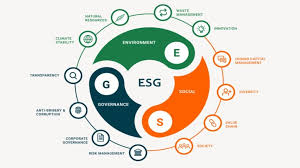
Businesses today operate in a world that is changing far more rapidly than ever before. Climate change, resource scarcity, social inequality, ethical governance concerns, and growing public awareness are reshaping the expectations placed upon organisations across every industry. Companies are no longer judged only by their financial performance or market value. Increasingly, they are also being evaluated based on how responsibly they manage environmental impact, social responsibility, and corporate governance practices. This shift has brought Environmental, Social, and Governance principles, commonly known as ESG, into the centre of modern business strategy. ESG is no longer viewed as a niche sustainability concept limited to large multinational corporations. It has become an important framework guiding how businesses operate, grow, communicate, and build long term resilience. At the same time, stakeholders today expect greater transparency and accountability from organisations regarding their ESG commitments and performance. Investors, regulators, consumers, employees, and communities increasingly want reliable information about how companies address environmental risks, labour practices, diversity, ethics, and governance standards. This growing demand for responsible and transparent business practices has significantly increased the importance of ESG Advisory and Assurance services. ESG Advisory helps organisations integrate sustainability, ethical governance, and social responsibility into business operations and long term strategic planning. ESG Assurance focuses on verifying ESG related data, reports, and disclosures to ensure that information shared with stakeholders is accurate, credible, and transparent. Together, ESG Advisory and Assurance support businesses in building trust, improving sustainability performance, strengthening governance systems, and preparing for a future where responsible business practices are becoming essential rather than optional. Understanding ESG and Its Growing ImportanceThe concept of ESG is based on three interconnected pillars that influence how organisations operate and create long term value. Environmental factors focus on how businesses impact the natural environment. This includes carbon emissions, energy usage, waste management, water conservation, pollution control, renewable energy adoption, climate risk management, and resource efficiency. Social factors examine how organisations manage relationships with employees, customers, suppliers, and communities. Areas such as labour rights, workplace safety, diversity, inclusion, employee welfare, customer protection, and community engagement all fall within this category. Governance focuses on leadership, ethics, accountability, transparency, compliance, and decision making structures within organisations. Corporate governance includes board practices, anti corruption policies, risk management systems, shareholder rights, and ethical business conduct. Together, these three pillars provide a broader understanding of organisational performance beyond financial results alone. In the past, sustainability and ethical business practices were often treated as secondary concerns. Today, ESG performance increasingly influences investment decisions, regulatory frameworks, consumer trust, and corporate reputation. Businesses that ignore ESG risks may face financial losses, reputational damage, legal scrutiny, operational disruptions, and declining stakeholder confidence. The Rise of ESG in IndiaIndia’s business landscape is undergoing a major transformation as sustainability and governance expectations continue to evolve. Rapid industrialisation, urbanisation, technological growth, and expanding global trade have strengthened India’s economic position significantly. However, these developments have also increased pressure on natural resources, infrastructure systems, and social equity. Environmental issues such as air pollution, water scarcity, climate vulnerability, waste generation, and energy consumption are becoming increasingly serious concerns across the country. At the same time, businesses are facing greater scrutiny regarding labour conditions, governance practices, transparency, and ethical accountability. Cities such as Mumbai, Bengaluru, Delhi, Hyderabad, and Chennai have become major centres for ESG consulting, sustainability reporting, climate risk management, and corporate governance initiatives. Indian regulators and financial institutions are also encouraging stronger ESG disclosures and sustainability reporting standards. Investors increasingly expect companies to demonstrate how they manage ESG risks and opportunities. As a result, ESG is gradually becoming integrated into mainstream business planning rather than remaining limited to sustainability departments alone. What is ESG Advisory?ESG Advisory involves helping organisations understand, develop, implement, and improve ESG strategies within business operations and long term decision making. Many companies recognise the importance of sustainability and responsible governance but struggle to determine where to begin or how to integrate ESG effectively into complex organisational structures. ESG Advisory services provide guidance in areas such as:› Sustainability strategy development› ESG risk assessment› Carbon footprint reduction› Climate transition planning› ESG reporting frameworks› Diversity and inclusion policies› Governance strengthening› Regulatory compliance› Stakeholder engagement› Sustainable supply chain managementAdvisory services help businesses align ESG goals with operational realities and long term corporate objectives. Importantly, ESG Advisory is not simply about compliance or image management. It focuses on helping organisations build resilience, improve efficiency, manage risks, and create sustainable long term value. Moving Beyond Sustainability as a TrendFor many years, sustainability initiatives were sometimes viewed primarily as public relations exercises or optional corporate programs. However, this perception has changed significantly. Today, ESG is increasingly linked directly to financial performance, investment attractiveness, operational stability, and market competitiveness. Investors are paying closer attention to how companies manage environmental risks and governance practices. Consumers are becoming more conscious of ethical sourcing, labour standards, environmental impact, and corporate transparency. Employees increasingly prefer organisations that demonstrate social responsibility and ethical leadership. Businesses are therefore recognising that ESG is not separate from core strategy. It is becoming part of how organisations manage growth, innovation, reputation, and long term survival. This shift has increased demand for professional ESG Advisory services capable of helping organisations navigate complex sustainability expectations while remaining commercially competitive. Environmental Responsibility and Climate ActionOne of the most visible dimensions of ESG involves environmental responsibility. Climate change has become one of the defining global challenges of the modern era. Rising temperatures, floods, droughts, extreme weather events, and resource scarcity are already affecting economies and communities worldwide. Businesses contribute significantly to environmental impact through energy consumption, manufacturing processes, transportation systems, waste generation, and resource extraction. As environmental concerns intensify, organisations are under increasing pressure to reduce emissions, improve efficiency, and transition toward more sustainable operations. Many Indian companies are now investing in:› Renewable energy adoption› Energy efficient infrastructure› Waste reduction systems› Water conservation technologies› Sustainable manufacturing› Circular economy practices› Carbon reduction strategiesESG Advisory services help organisations identify environmental risks and develop realistic sustainability roadmaps aligned with both business objectives and environmental responsibilities. The Social Dimension of ESGWhile environmental discussions often dominate ESG conversations, the social dimension is equally important. Businesses influence people’s lives in multiple ways through employment practices, workplace conditions, community interactions, and supply chain relationships. Social responsibility within ESG includes areas such as› Employee well being› Workplace diversity› Inclusion and equity› Health and safety standards› Labour rights› Skill development› Community engagement› Customer trust› Ethical sourcingIn India, where businesses operate within highly diverse social and economic environments, social responsibility carries significant importance. Companies increasingly recognise that long term success depends heavily on trust, employee satisfaction, community relationships, and ethical treatment of stakeholders. Socially responsible organisations are often better positioned to attract talent, improve employee retention, strengthen brand loyalty, and maintain operational stability. Governance and Ethical LeadershipGovernance forms the foundation that supports environmental and social responsibility efforts. Strong governance systems help organisations maintain ethical decision making, accountability, transparency, and regulatory compliance. Corporate governance includes areas such as:› Board oversight› Ethical business conduct› Anti corruption measures› Risk management› Internal controls› Transparency in reporting› Regulatory compliance› Shareholder accountabilityWeak governance structures can undermine sustainability efforts and create serious reputational or financial risks. Recent corporate scandals across various industries globally have highlighted the consequences of poor governance practices. Stakeholders today expect organisations to demonstrate integrity and responsible leadership alongside financial performance. ESG Advisory helps companies strengthen governance frameworks and build cultures of accountability and ethical conduct. What is ESG Assurance?As ESG reporting becomes more widespread, stakeholders increasingly want assurance that the information being disclosed is accurate and reliable. This is where ESG Assurance becomes essential. ESG Assurance involves independently verifying and validating ESG related data, disclosures, sustainability reports, and performance claims. Assurance services help evaluate whether ESG information presented by organisations is:AccurateTransparentConsistentCredibleProperly documentedAligned with reporting frameworksFor example, if a company claims to have reduced carbon emissions or improved diversity representation, assurance processes help confirm whether those claims are supported by measurable evidence and reliable data systems. This verification process strengthens stakeholder trust while reducing the risk of misleading or exaggerated sustainability claims. Preventing Greenwashing and Building CredibilityOne of the major concerns in modern sustainability reporting is greenwashing. Greenwashing occurs when organisations exaggerate or falsely present environmental or sustainability achievements to appear more responsible than they actually are. As public attention toward ESG grows, some businesses may attempt to use sustainability messaging primarily for branding purposes without making meaningful operational changes. This creates skepticism among investors, consumers, and regulators. ESG Assurance helps address this issue by improving transparency and accountability. Verified ESG reporting demonstrates that organisations are serious about responsible business practices rather than simply using sustainability as a marketing tool. Credibility is becoming one of the most valuable assets in the modern corporate environment, and assurance processes play a critical role in building that credibility. Technology and ESG Data ManagementTechnology is increasingly important in ESG reporting and assurance processes. Organisations now collect large amounts of sustainability related data involving emissions, energy usage, waste generation, workforce diversity, governance indicators, and supply chain practices. Digital platforms, data analytics tools, and ESG management software help businesses:✓ Monitor ESG performance✓ Improve reporting accuracy✓ Track sustainability targets✓ Analyse operational risks✓ Maintain compliance documentationArtificial intelligence and automated reporting systems are also helping organisations manage increasingly complex ESG disclosure requirements more efficiently. However, data quality remains essential. ESG Assurance helps validate whether data collection processes and reporting systems are reliable and accurate. Challenges in ESG ImplementationDespite growing momentum, ESG implementation still presents several challenges. Many organisations struggle with:✗ Lack of standardised reporting systems✗ Difficulty measuring ESG impact✗ Limited internal expertise✗ Complex regulatory expectations✗ Data collection challenges✗ High implementation costs✗ Supply chain transparency issues Smaller businesses in particular may face difficulties integrating ESG practices due to limited financial or technical resources. Additionally, ESG priorities can vary across industries, making implementation highly context specific. Nevertheless, despite these challenges, ESG expectations are likely to continue expanding as sustainability and transparency become increasingly central to global business systems. ESG and the Future of BusinessThe future of business will depend not only on profitability but also on how responsibly organisations manage environmental, social, and governance risks. Companies that integrate ESG effectively are often better prepared for changing regulations, investor expectations, climate challenges, and evolving consumer behaviour. ESG also encourages businesses to think more long term. Instead of focusing solely on immediate profits, organisations are increasingly expected to consider broader impacts on society, the environment, and future generations. For India, ESG presents both a challenge and an opportunity. As one of the world’s fastest growing economies, the country has the chance to shape development models that balance economic growth with sustainability and social responsibility. Businesses that embrace ESG principles today are likely to play a major role in shaping a more resilient and responsible economic future. ConclusionESG Advisory and Assurance have become essential components of modern corporate strategy and governance. They help organisations integrate sustainability, ethical leadership, social responsibility, and transparency into everyday business operations and long term planning. ESG Advisory supports businesses in developing responsible strategies that address environmental, social, and governance challenges while improving resilience and long term value creation. ESG Assurance strengthens trust and accountability by verifying the accuracy and credibility of sustainability data and disclosures. Together, these services help businesses move beyond symbolic sustainability efforts toward creating measurable, transparent, and meaningful impact. In India’s rapidly evolving economic landscape, ESG is becoming increasingly important for companies seeking long term growth, investor confidence, regulatory readiness, and public trust. Ultimately, ESG is not only about compliance or reporting requirements. It reflects a broader transformation in how businesses define success in the modern world. The organisations that lead the future will not simply be those with the highest profits, but those capable of creating value responsibly while contributing positively to society, governance standards, and environmental sustainability. ...Read more
12 May 2026
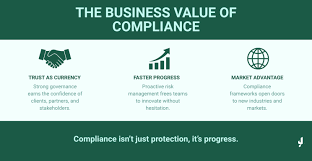
Corporate Social Responsibility in India is a legal requirement for thousands of companies. Section 135 of the Companies Act, along with the Companies CSR Rules, mandates that eligible companies spend at least two percent of their average net profits from the preceding three years on CSR activities. This has created a predictable flow of funds into social development. But here is the question that separates ordinary companies from exceptional ones. Is your CSR just about spending the money, or is it about creating lasting value for both the community and your business? Strategic CSR moves beyond writing cheques to trusted non profits. It aligns social impact with business expertise, employee passion, and geographic presence. It turns a compliance obligation into a source of brand strength, employee pride, and genuine community goodwill. This article explores how Indian companies can make that shift. From passive philanthropy to active, strategic citizenship. The compliance trap that holds companies backEvery year, as the new financial year begins, CSR committees across India gather to address the same question. How do we spend our mandated two percent? The pressure is real. Funds must be allocated. Projects must be identified. Implementing partners must be selected. Reports must be filed. The cycle is annual, predictable, and often rushed. The result is a familiar pattern. A company identifies a few broad sectors. Education, healthcare, skill development, environmental conservation. They invite proposals from non profits. They select a handful of projects based on proposal quality, personal connections, or what other companies are doing. They disburse funds. They collect some photographs and testimonials. They file their annual report. They start again next year. This approach ensures compliance. It meets the letter of the law. But it fails to meet the spirit of the law. The Companies Act was not designed to create a cheque writing exercise. It was designed to harness corporate resources for genuine social development. Unfortunately, many companies remain trapped in a compliance mindset. They treat CSR as a tax on profitability rather than an opportunity for meaningful engagement. The cost of this compliance trap is not just missed opportunity. It is wasted resources, shallow impact, and employee cynicism. When employees see their company treating CSR as a bureaucratic requirement rather than a genuine commitment, they disengage. When communities sense that a company is only present because the law requires it, they do not trust. And when the impact is shallow, the co :mpany has nothing to show for its investment beyond a filed report. Strategic CSR offers a way out of this trap What strategic CSR truly means: Strategic CSR is not a single definition. It is a different way of thinking about the relationship between a company and society. At its simplest level, strategic CSR means aligning a company's social initiatives with its core business expertise, its operational footprint, and its long term interests. It moves the conversation from what should we fund to what can we uniquely contribute. It recognises that a company brings more to the table than money. It brings people, skills, technology, networks, distribution channels, and deep local knowledge. A pharmaceutical company practicing strategic CSR does not simply fund a general health camp. It might focus on improving access to essential medicines, strengthening vaccine cold chains, or supporting research on neglected tropical diseases. These initiatives draw on what the company knows best. They create impact that a non pharmaceutical company could not easily replicate. And they reinforce the company's identity as a health focused organisation. A technology company practicing strategic CSR does not simply donate old computers to a school. It might develop digital literacy curricula, train teachers on technology integration, or build software tools for government schools. These initiatives use the company's core capabilities. They create impact that lasts beyond the donation. And they build a pipeline of future talent who have grown up using the company's products. A bank practicing strategic CSR does not simply fund a livelihood program. It might offer financial literacy workshops, provide mentorship to women entrepreneurs, or develop accessible banking products for rural customers. These initiatives connect directly to the bank's core business. They build trust with future customers. And they demonstrate that the bank understands the real financial needs of ordinary people. This is the essence of strategic CSR. Using your company's distinctive strengths to solve problems that your company is uniquely positioned to solve. The Indian advantage. Local knowledge and distribution networksIndia offers a particularly fertile ground for strategic CSR. The reasons are rooted in the country's economic and social structure. First, many Indian companies have deep roots in specific regions. A company may have operated in a particular district for decades. It knows the local language, the local power structures, the local needs, and the local trusted institutions. This knowledge is invaluable for designing effective social programs. An outsider would take years to develop the same understanding. A local company starts with it. Second, Indian companies often have extensive distribution networks. A fast moving consumer goods company reaches millions of retail outlets across the country. A logistics company has fleets, warehouses, and route networks. A telecommunications company has towers and retail presence in even the most remote areas. These networks can be leveraged for social good. Health supplies can ride on logistics trucks. Educational content can be delivered through telecom infrastructure. The same networks that move products can also move social value. Third, Indian employees care deeply about social contribution. Surveys consistently show that Indian professionals, particularly younger ones, want to work for companies that make a positive difference. Strategic CSR gives employees a reason to feel proud. It becomes a tool for talent attraction and retention. In a competitive labour market, that is a significant advantage. Fourth, India's development challenges are vast and varied. There is no shortage of meaningful work to be done. A company can choose a focus area that genuinely aligns with its expertise and know that it is addressing a real need. The opportunity for alignment is unusually rich. These advantages are available to any Indian company that chooses to use them. But they require intention. They require strategy. They do not happen by accident. A practical framework for strategic CSRFor companies ready to move beyond compliance and into strategy, here is a practical framework. It consists of five sequential steps. ➢ Inventory your core competencies.Begin by asking a simple question. What does our company do better than most other companies? Be specific. Do not say we are good at management. Say we are excellent at cold chain logistics. We have world class expertise in water purification. Our sales force is the best trained in the industry. Write down three to five genuine, demonstrable strengths. These will become the foundation of your CSR strategy. ➢ Map competencies to social needs.For each core competency, ask which social or environmental problem your company is uniquely positioned to address. A cold chain logistics company might focus on reducing vaccine waste in remote areas. A water purification company might focus on providing clean drinking water in fluoride affected districts. A well trained sales force might be deployed to spread awareness about nutrition or sanitation. The overlap between your strengths and society's needs is your strategic sweet spot. ➢ Choose a geographic focus.Many Indian companies spread their CSR budget thinly across many districts or even many states. This is almost always a mistake. Deep impact requires concentrated resources. Choose one, two, or three districts where your company already has a significant presence. Your employees live there. Your suppliers operate there. Your customers are there. You understand the local context. You can monitor projects effectively. You can build lasting relationships. Go deep, not wide. ➢ Design projects that leverage your assets.Do not simply write a cheque to an implementing partner. Ask how your company's people, technology, facilities, or networks can add value. Can your engineers volunteer their time? Can your underutilised office space host a training program? Can your distribution network deliver educational materials? The cheque is important, but the engagement is transformative. Design projects that could not succeed without your company's unique contribution. ➢ Measure outcomes, not just outputs.Outputs are easy to count. Number of workshops conducted. Number of people trained. Number of trees planted. Outcomes are harder to measure but much more meaningful. Improvement in learning outcomes. Increase in household income. Reduction in disease incidence. Commit to measuring outcomes from the beginning. Build a simple, credible measurement framework. Use it to learn and improve. Share the results transparently. This framework is not theoretical. It has been applied successfully by companies of all sizes across India. The specific details vary, but the underlying logic remains consistent. Align. Focus. Leverage. Measure. The employee engagement dividendOne of the most powerful benefits of strategic CSR is its effect on employee engagement. When employees see their company using its core strengths to solve real problems, they feel a sense of purpose that transcends their daily tasks. Strategic CSR creates opportunities for employee volunteering that are genuinely meaningful. An engineer from a water company can test water quality in a rural school. A banker can teach financial literacy to women entrepreneurs. A logistics professional can help a non profit optimise its supply chain. These are not token activities. They use employees' professional skills. They respect their expertise. They create experiences that employees remember and value. This matters for retention. In a competitive labour market, employees have choices. They increasingly choose employers who share their values and offer a sense of purpose. Strategic CSR communicates those values more credibly than any mission statement. It turns the workplace into a source of pride. This also matters for recruitment. Young professionals, in particular, want to know that their work contributes to something larger than shareholder returns. A company with a clear, credible, strategic CSR program stands out. It attracts talent that might otherwise go elsewhere. The brand and stakeholder trust advantageStrategic CSR also builds brand value. But it does so quietly and authentically, not through loud self promotion. When a company consistently supports a cause that aligns with its expertise, stakeholders notice. Customers perceive the company as genuine rather than performative. Investors see reduced risk and enhanced reputation. Regulators view the company as a responsible partner rather than a potential violator. Local communities welcome the company as a contributor rather than resisting it as an extractor. These benefits accumulate over time. Trust is built slowly and lost quickly. Strategic CSR is a long term investment in trust. It signals that the company is not just present to profit, but to contribute. There is also a defensive benefit. Companies with strong CSR reputations face less criticism from activists, less scrutiny from regulators, and less resistance from local communities. Strategic CSR does not immunise a company against legitimate criticism, but it builds a foundation of goodwill that helps the company weather difficult moments. How strategic CSR simplifies compliance and auditHere is a practical benefit that compliance officers will appreciate. Strategic CSR actually makes compliance and auditing easier, not harder. When CSR is ad hoc and reactive, every audit is a struggle. The auditor asks why a particular project was chosen. There is no coherent answer. The auditor asks how impact is measured. There is no consistent framework. The auditor asks whether funds were used efficiently. There is no benchmark for comparison. Every answer is defensive. Every finding is a surprise. When CSR is strategic, every decision is grounded in a clear rationale. This project was chosen because it aligns with our core competency in logistics. This geographic area was chosen because we already operate there and understand the local context. This implementing partner was selected because they have a proven track record in our focus area. The answers are clear, consistent, and defensible. Strategic CSR also simplifies reporting. Instead of compiling a random collection of project updates, the company tells a coherent story. Here is our focus area. Here is our theory of change. Here are the outcomes we have achieved. Here is how we are learning and improving. That kind of report satisfies both legal requirements and stakeholder expectations. The long term orientation. Patience as a strategic virtueStrategic CSR requires patience. Social change does not happen on quarterly cycles. A child's educational trajectory unfolds over years. A community's health outcomes improve slowly but measurably. A degraded ecosystem recovers over decades. The best strategic CSR programs are designed for the long term. They commit to a cause, a geography, and a set of partners for years, not months. They build relationships based on trust and mutual respect. They learn what works and what does not work. They adjust their approach based on evidence. They do not abandon good work just because a new financial year has begun. This long term orientation is a genuine competitive advantage because most companies lack patience. They chase new causes every year based on what is fashionable. They switch geographies based on convenience. They change partners when relationships become slightly difficult. A company that stays the course will eventually achieve impact that scattered competitors cannot match. Common mistakes to avoidAs companies shift toward strategic CSR, several common mistakes deserve attention. ✗ Choosing a focus area that is too broad. Education, for example, is not a focus area. It is an entire sector. A strategic focus might be improving foundational literacy in government primary schools in two specific districts. That is narrow enough to be meaningful. ✗ Expecting quick results. Strategic CSR is a long term commitment. Companies that expect to see transformation within one year will be disappointed. A three to five year horizon is more realistic. ✗ Treating strategic CSR as a replacement for responsible business practices. A company cannot pollute freely and then fund environmental projects as compensation. Strategic CSR is meant to address social and environmental issues beyond the company's legal obligations. It is not a licence to ignore those obligations elsewhere. ✗ Failing to communicate strategically. Many companies do excellent CSR work but never tell the story. Others tell the story poorly, focusing on their own generosity rather than the community's progress. The right approach is transparent, humble, and focused on outcomes. ✗ Doing strategic CSR alone. The most complex social problems require collaboration. Companies should partner with non profits, government agencies, other companies, and community based organisations. No single actor has all the answers. The true measure of strategic CSRHow does a company know when it has truly embraced strategic CSR? The answer lies in a few key indicators. 1. The CSR strategy is discussed at the board level, not just the department level. Directors understand and support the logic. 2. The CSR portfolio has a clear thematic coherence. An outside observer could look at the portfolio and identify the company's focus area without being told. 3. Employees can articulate the company's CSR strategy in a sentence or two. It is not a secret known only to the CSR department. 4. The company has stayed committed to the same focus area and geography for at least three years. There is evidence of learning and improvement, but not of abandonment. 5. The company measures outcomes, not just outputs. It can demonstrate change in the lives of the communities it serves. 6.The CSR program generates tangible business benefits. Employee engagement has improved. Brand perception has strengthened. Local relationships have deepened. These benefits are not the goal of strategic CSR, but they are reliable indicators that the strategy is working. When these indicators are present, a company has successfully moved beyond the cheque. It has turned compliance into competitive advantage. It has discovered that doing good, done intelligently and strategically, is also good business. ...Read more
12 May 2026
In the 21st century, the greatest threats to corporate stability are no longer just market competitors, but "Gray Swan" events—predictable but ignored risks such as climate-driven supply chain collapses or social unrest. Governance is the mechanism through which an organization identifies, assesses, and mitigates these non-financial risks. The integration of ESG into the Enterprise Risk Management (ERM) framework is the most significant evolution in corporate governance in recent years. It requires a shift from "historical risk" (looking at what happened in the past) to "scenario-based risk" (modeling what could happen in various climate and social futures). One of the primary tools in modern risk governance is Climate Scenario Analysis. Boards use sophisticated models to stress-test their business strategies against different global warming pathways (e.g., a $1.5^\circ C$ vs. a $3^\circ C$ world). This allows them to identify "stranded assets"—investments that may lose their value prematurely due to environmental regulations or physical climate changes. By identifying these risks years in advance, governed companies can "orderly transition" their portfolios, divesting from high-risk sectors and reinvesting in resilient, low-carbon alternatives. Social risk management has also become more sophisticated through Human Rights Due Diligence (HRDD). Governance protocols now mandate that companies look beyond their direct operations to identify risks in their Tier 2 and Tier 3 suppliers. By utilizing "whistleblower" technologies and satellite monitoring, companies can detect forced labor or environmental degradation in real-time, allowing them to terminate unethical contracts before they cause reputational or legal damage. Ultimately, governance is about Resilience. A well-governed company is not one that avoids all risk, but one that has the transparency, ethical leadership, and data-driven insights to navigate a volatile world while maintaining the trust of its stakeholders. ...Read more
12 May 2026
In the mahogany-paneled boardrooms of Mumbai and the high-tech hubs of Bengaluru, a new language is being spoken. It is not the language of quarterly profits or market share alone, but a more complex dialect of "materiality," "scope emissions," and "social equity." This is the era of ESG (Environmental, Social, and Governance), and for the Indian professional, it represents the most significant shift in corporate accountability since the introduction of independent audits. At its heart, ESG Advisory and Assurance is about one thing: trust. It is the process of proving that a company's promises to the planet and its people are backed by data, not just marketing. In India, where the gap between corporate ambition and grassroots reality can be wide, the role of the advisor and the assurer is to bridge that divide with integrity. To understand this landscape in 2026, we must look past the spreadsheets and see the human stories of transformation that are redefining Indian business. The Advisory Horizon: Crafting a Strategy with a SoulESG Advisory is often mistaken for a compliance exercise, especially as the Securities and Exchange Board of India (SEBI) has made Business Responsibility and Sustainability Reporting (BRSR) mandatory for the top 1,000 listed entities. However, the most successful Indian firms view advisory as a strategic compass. 1. Beyond the "Tick-Box" CultureFor many years, corporate responsibility in India was synonymous with CSR (Corporate Social Responsibility)—the 2% of profits spent on philanthropy. Advisory in 2026 has moved far beyond this. It is about integrating sustainability into the very DNA of the business model. When an advisor walks into a traditional textile mill in Tiruppur, they aren't just looking for solar panels. They are looking at the health and safety of the workers, the transparency of the chemical supply chain, and the long-term viability of the water sources. The humanized narrative here is the transition of a business owner from a "boss" to a "steward." Advisory helps these leaders understand that protecting the river they draw water from is not a cost—it is an investment in their own survival. 2.The Great Decarbonization RoadmapIndia’s commitment to Net Zero by 2070 has put immense pressure on heavy industries like steel and cement. ESG advisors are the architects of this transition. They help firms navigate the "Climate Finance Taxonomy," a structured system that defines what truly counts as a "green" investment in the Indian economy. The human story in decarbonization is found in the "Just Transition." Advisors work with HR teams to ensure that as a coal-fired plant is decommissioned, the workers are not simply discarded. They are reskilled for the green hydrogen or battery storage roles of the future. This is the "S" (Social) in ESG in action—ensuring that the drive for a cleaner planet does not come at the expense of human dignity. The Assurance Anchor: Building a Fortress of DataIf Advisory is the roadmap, Assurance is the proof that you’ve actually arrived. In a world increasingly skeptical of "greenwashing," third-party verification has become the ultimate currency of credibility. 1.The Death of the "Fluff" ReportUntil recently, many sustainability reports were filled with glossy photos of smiling children and saplings being planted. Assurance has put an end to this. Starting in the 2025-26 fiscal year, SEBI’s BRSR Core framework requires quantifiable, auditable metrics that are as rigorous as financial statements. The process of assurance is deeply technical, but its purpose is human. When an auditor verifies a company’s water-usage data in a drought-prone region like Marathwada, they are providing assurance to the local community that the company isn't depleting their life-source. They are providing assurance to a global investor in London or Singapore that the "risk" of water-related shutdowns has been accurately measured and managed. 2. The Challenge of “Dirty Data”One of the biggest hurdles for Indian firms is data integrity. ESG data is often fragmented across different departments—HR has the diversity stats, Operations has the energy bills, and Procurement has the supplier audits. Assurance professionals act as "data cleaners." They implement systems that track information from the source—like an IoT sensor on a factory chimney—directly to the report. This reduces human error and intentional manipulation. For the professional reader, the takeaway is clear: in 2026, an unverified ESG claim is a liability. It invites regulatory fines, investor flight, and irreparable brand damage. The Financial Ripple Effect: Why Credibility PayThe ultimate reason for the surge in ESG Advisory and Assurance in India is the "Green Premium." Evidence from 2026 shows that Indian firms with high ESG scores and independent assurance demonstrate better financial stability and a lower cost of capital. 1. Lowering the Cost of DebtBanks and NBFCs (Non-Banking Financial Companies) are increasingly offering "Sustainability-Linked Loans" (SLLs). In these arrangements, the interest rate is tied to the company’s ESG performance. If the company meets its carbon reduction or gender diversity targets—verified by an independent assurer—the interest rate drops. This creates a powerful human incentive for change. It turns the CFO into a champion for sustainability because they can directly see the impact on the bottom line. It isn't just about "doing good" anymore. it is about being more profitable through being more responsible. 2. Attracting the Global TitanGlobal institutional investors, managing trillions of dollars, are looking at India as a standout option among emerging markets. However, they are wary of the lack of standardized data. By providing "Reasonable Assurance"—the highest level of audit—Indian firms are effectively speaking the universal language of global finance. Sustainable investing in India is projected to hit $125 billion by 2026. This capital is flowing into sectors like e-mobility, agritech, and waste management. The humanized side of this investment is the creation of a new, green middle class. It is the funding that allows an Indian startup to deploy thousands of electric delivery scooters, providing clean air for the city and a stable income for the drivers. The Governance Pillar: Leading from the TopWhile the "E" and "S" often get the headlines, the "G" (Governance) is the foundation of ESG Advisory. Without strong governance, environmental and social initiatives are destined to fail. 1. Diversity as a Strategic AssetGovernance advisory in India has a strong focus on board diversity. In 2026, this has moved beyond just having one woman on the board to comply with the law. It is about cognitive diversity—bringing in experts in climate science, human rights, and digital ethics to the boardroom. The human story here is the "opening up" of the traditional Indian corporate structure. It is the realization that a board that looks and thinks the same way is a board that is blind to emerging risks. 2. Executive Compensation and AccountabilityA key trend in ESG Advisory is linking executive pay to sustainability targets. When the CEO's bonus is tied to the company’s safety record or its carbon footprint, the entire organization takes note. This shifts the focus from short-term "quarterly-ism" to long-term value creation. It forces a more humanized view of the company’s legacy. Overcoming the Hurdles: The Road to 2030Despite the progress, the path for ESG in India is not without its challenges. The professional community must address: » The Talent Gap: There is a massive shortage of professionals who understand both Indian business realities and global ESG frameworks. Investing in "Green Upskilling" is the most urgent human need in this sector. » SME Integration:While the top 1,000 firms are reporting, the millions of small and medium enterprises (SMEs) that form the backbone of the Indian supply chain are lagging behind. Advisory must find ways to make ESG accessible and affordable for the "Chote Bhai" of Indian industry. » Data Standardisation: 73% of investors still find ESG ratings inconsistent. The move toward SEBI-registered rating providers is a step in the right direction, but we need more harmony between Indian and global standards. Conclusion: The New Social ContractESG Advisory and Assurance are not just technical services. they are the tools we use to write a new social contract for Indian business. They represent a future where a company’s value is measured by its contribution to the world, not just its extraction from it. As professionals, our role is to ensure that this transition is rooted in reality. We must be the ones who ask the hard questions, who demand the verified data, and who never lose sight of the human being at the other end of the supply chain. In the bustling markets and quiet villages of India, the green shift is happening. By bringing credibility to this shift, we are building an India that is not just a global economic powerhouse, but a global moral leader. The "Green Budget" of 2026-27 and the rise of the Carbon Credit Trading Scheme are just the beginning. The real work happens every day, in the diligent collection of data and the courageous setting of targets. Let us build a corporate India where transparency is the light, and trust is the energy that moves us forward. ...Read more

12 May 2026
ESG reporting was once a voluntary, narrative-heavy marketing exercise. Today, it is a rigorous, data-driven discipline that is as critical as financial auditing. The transition to mandatory disclosure frameworks, such as the Corporate Sustainability Reporting Directive (CSRD) and the IFRS Sustainability Disclosure Standards, has effectively ended the era of "Greenwashing." Transparency is no longer a choice; it is a regulatory requirement that determines a company’s access to capital markets. Investors now view a lack of ESG transparency as a sign of hidden operational risk. The innovation driving this transparency is Double Materiality. This governance concept requires companies to report not only on how sustainability issues affect their financial performance (outside-in) but also on how their operations impact the environment and society (inside-out). By adopting this dual lens, organizations provide stakeholders with a 360-degree view of their value creation. To manage the vast amounts of data required for such reporting, companies are utilizing "Sustainability ERP" (Enterprise Resource Planning) systems that automate the collection of carbon, waste, and labor data from every corner of the supply chain. Moreover, the rise of Assurance and Auditability is bridging the trust gap. Just as financial statements are audited by third-party firms, ESG reports are now undergoing "Limited" and, increasingly, "Reasonable" assurance processes. This level of scrutiny ensures that a company’s claims about its renewable energy use or gender pay gap are verified by independent experts. For the modern corporation, a high-quality ESG report is the ultimate calling card—a demonstration of transparency that attracts ESG-focused funds, lowers the cost of debt, and builds a resilient brand in a skeptical marketplace. ...Read more
12 May 2026
In today’s rapidly evolving business environment, companies are no longer evaluated solely on the basis of profit and market performance. Consumers, investors, governments, and communities increasingly expect businesses to contribute positively to society while operating in an ethical and transparent manner. This growing expectation has made Corporate Social Responsibility, commonly known as CSR, an essential part of modern business strategy rather than a voluntary add on. Corporate Social Responsibility refers to the efforts made by businesses to contribute toward social, environmental, and economic well being beyond their primary commercial activities. CSR initiatives may focus on education, healthcare, environmental sustainability, rural development, women empowerment, skill development, sanitation, community welfare, and many other areas that create positive societal impact. However, simply launching CSR activities is not enough. Businesses today are expected to ensure that their CSR programs are meaningful, transparent, legally compliant, and capable of generating measurable impact. This is where CSR Advisory and Audits become increasingly important. CSR Advisory helps organisations design, implement, and manage effective social responsibility strategies aligned with both business values and community needs. CSR Audits, on the other hand, evaluate whether these initiatives are being carried out responsibly, efficiently, and in compliance with regulatory frameworks. Together, CSR Advisory and Audits help companies move beyond symbolic social initiatives toward creating long term, accountable, and sustainable impact. Understanding the Importance of CSR in Modern BusinessThe relationship between businesses and society has changed significantly over the past few decades. Earlier, companies were primarily expected to generate profits, create employment, and contribute to economic growth. While these responsibilities remain important, businesses are now also expected to address broader social and environmental challenges. This shift has been driven by multiple factors. Growing awareness regarding climate change, rising social inequality, environmental degradation, labour rights concerns, and ethical business practices has increased pressure on organisations to operate responsibly. Consumers today often prefer brands that demonstrate social consciousness and environmental commitment. Investors are also paying greater attention to Environmental, Social, and Governance standards when evaluating companies. Businesses that ignore social responsibility may face reputational risks, reduced public trust, and increasing regulatory scrutiny. In India, CSR has become especially significant because of the country’s diverse social and developmental challenges. Issues such as poverty, educational inequality, healthcare accessibility, rural infrastructure, unemployment, and environmental stress continue to affect millions of people across different regions. Corporate participation in social development therefore carries enormous potential for creating positive change. India’s CSR Framework and Legal LandscapeIndia became one of the first countries in the world to legally mandate certain companies to spend on CSR activities through the Companies Act, 2013. Under this framework, qualifying companies are required to allocate a percentage of their average net profits toward CSR initiatives. The law also outlines eligible sectors for CSR spending and requires businesses to disclose their CSR activities transparently. This legal structure significantly transformed the corporate approach toward social responsibility in India. CSR shifted from being viewed primarily as philanthropy to becoming a structured and strategic component of corporate governance. Cities such as Mumbai, Bengaluru, Delhi, Hyderabad, and Kolkata have become major centres for CSR planning, sustainability consulting, social impact partnerships, and compliance management. As CSR regulations evolved, companies increasingly realised the importance of expert guidance and systematic evaluation. This growing complexity contributed to the rise of specialised CSR Advisory and Audit services. What is CSR Advisory?CSR Advisory involves guiding organisations in planning, implementing, monitoring, and improving their social responsibility initiatives. Many companies genuinely want to contribute positively to society but struggle to identify where to focus, how to allocate resources effectively, or how to measure impact meaningfully. CSR Advisory services help businesses address these challenges by developing structured strategies aligned with organisational goals and community needs. Effective CSR planning requires more than simply donating funds or conducting one time events. Long term impact depends on understanding local realities, identifying genuine social needs, collaborating with stakeholders, and designing sustainable programs. CSR advisors help organisations:✓ Identify priority social sectors✓ Develop strategic CSR frameworks✓ Select suitable implementation partners✓ Ensure legal compliance✓ Measure social impact✓ Improve transparency and reporting✓ Align CSR activities with sustainability goalsThe role of CSR Advisory has become especially important as businesses increasingly recognise that well designed CSR initiatives can strengthen both community relationships and corporate reputation. Moving Beyond Charity Toward Sustainable ImpactOne of the most important changes in modern CSR thinking is the shift from short term charity toward long term sustainable development. Traditional corporate philanthropy often focused on donations, sponsorships, or isolated social activities. While these efforts could provide temporary support, they did not always create lasting impact. Modern CSR strategies focus more on sustainable and measurable outcomes. For example, instead of only donating school supplies, companies may invest in teacher training, digital education infrastructure, rural internet access, or long term scholarship programs. Similarly, environmental CSR projects increasingly focus on renewable energy, water conservation, waste management, afforestation, and climate resilience rather than symbolic environmental campaigns alone. CSR Advisory helps companies design initiatives that create meaningful and sustainable improvements within communities rather than temporary visibility. The Human Side of CSRAt its core, CSR is about people. It reflects the understanding that businesses do not operate in isolation from society. Every company depends on communities, workers, consumers, natural resources, and public infrastructure in some form. CSR initiatives therefore have the potential to improve lives directly. In rural areas, corporate support for education and healthcare can create opportunities for children and families who may otherwise lack access to basic services. Skill development programs can improve employability for young people. Women empowerment initiatives can strengthen economic independence and social participation. Environmental projects can also have deeply human outcomes. Clean water programs, sustainable agriculture initiatives, renewable energy projects, and waste management systems all contribute toward healthier living conditions and stronger community resilience. When designed thoughtfully, CSR programs create value not only for businesses but also for society as a whole. What are CSR Audits?While CSR Advisory focuses on planning and strategy, CSR Audits focus on evaluation, accountability, and compliance. A CSR Audit examines whether a company’s CSR initiatives are being implemented effectively and responsibly. It helps determine whether projects align with legal requirements, financial transparency standards, organisational commitments, and intended social objectives. CSR Audits play an important role in ensuring that CSR activities are not merely symbolic exercises or public relations efforts. An audit may evaluate:✓ Fund allocation and utilisation✓ Compliance with CSR regulations✓ Project implementation processes✓ Documentation and reporting✓ Social impact outcomes✓ Stakeholder engagement✓ Governance and accountability systemsAudits help businesses identify gaps, improve efficiency, strengthen transparency, and ensure that CSR investments generate meaningful results. In recent years, stakeholders have become increasingly concerned about greenwashing and superficial sustainability claims. CSR Audits help build credibility by providing structured evaluation and accountability. Why Transparency and Accountability MatterTransparency has become one of the most important expectations in modern corporate governance. Consumers and investors increasingly want evidence that companies are genuinely committed to responsible practices rather than using CSR only for branding purposes. Clear reporting and regular audits help organisations demonstrate authenticity and accountability. They also improve trust among stakeholders, including employees, investors, regulators, local communities, and implementation partners. For example, if a company claims to support rural education programs, stakeholders increasingly expect measurable evidence such as:✓ Number of schools supported✓ Infrastructure improvements✓ Student outcomes✓ Teacher training initiatives✓ Long term project sustainabilityCSR Audits help organisations evaluate whether intended goals are actually being achieved and whether resources are being used effectively. CSR and Environmental SustainabilityCSR initiatives are increasingly connected to environmental sustainability goals. Many Indian companies are investing in projects related to:✓ Renewable energy✓ Water conservation✓ Waste management✓ Afforestation✓ Plastic reduction✓ Sustainable agriculture✓ Climate adaptationAs environmental concerns continue growing globally, businesses are under increasing pressure to reduce ecological impact and support sustainable development. CSR Advisory services help organisations align social responsibility efforts with broader sustainability frameworks and Environmental, Social, and Governance objectives. This integration is becoming especially important because environmental and social challenges are often interconnected. Water scarcity, pollution, climate change, and resource depletion directly affect public health, livelihoods, and economic stability. The Role of Technology in CSR ManagementTechnology is playing a growing role in improving CSR planning, monitoring, and reporting. Digital platforms now allow organisations to track CSR spending, monitor project implementation, analyse impact data, and maintain compliance documentation more efficiently. Data analytics tools help companies measure outcomes more accurately and identify areas requiring improvement. Geographic Information Systems, mobile applications, and digital dashboards are also being used to monitor field projects in real time, particularly in rural development and environmental sustainability initiatives. Technology improves transparency while making CSR management more structured and measurable. Challenges in CSR ImplementationDespite growing awareness and investment, CSR implementation still faces several challenges. One major issue is the lack of long term planning. Some organisations continue to approach CSR as an annual obligation rather than an integrated sustainability strategy. Another challenge involves identifying genuine community needs. Without proper research and stakeholder engagement, CSR projects may fail to create meaningful impact. Monitoring and impact measurement also remain difficult for many organisations. Social progress is often complex and cannot always be measured through short term numerical indicators alone. Additionally, smaller organisations sometimes struggle with compliance requirements, reporting standards, and documentation processes. In certain cases, CSR initiatives may also become overly focused on visibility rather than sustainability. CSR Advisory and Audits help address these challenges by providing professional guidance, evaluation systems, and accountability frameworks. Building Responsible Businesses for the FutureThe future of business will increasingly depend on trust, accountability, and sustainability.Companies are no longer judged only by financial performance but also by how responsibly they contribute to society and the environment. CSR Advisory and Audits support this transformation by helping businesses develop more thoughtful, transparent, and impactful social responsibility strategies. In India, where businesses have the opportunity to contribute toward large scale social development, responsible CSR practices can play a meaningful role in addressing educational inequality, healthcare access, environmental sustainability, skill development, and community welfare. Corporate responsibility is gradually evolving from being a compliance requirement into a broader philosophy of ethical and sustainable business leadership. ConclusionCSR Advisory and Audits have become essential components of responsible corporate governance in the modern business environment. They help organisations move beyond symbolic social initiatives toward creating measurable, transparent, and sustainable impact. Through strategic planning, effective implementation, accountability systems, and continuous evaluation, businesses can ensure that their CSR efforts genuinely benefit communities while aligning with long term sustainability goals. For India, the importance of effective CSR is especially significant. With growing economic influence comes greater responsibility to contribute toward inclusive and sustainable development. Well designed CSR programs can support education, healthcare, environmental protection, women empowerment, rural development, and many other critical social priorities. At the same time, audits and accountability mechanisms help ensure that these efforts remain transparent, ethical, and impactful. Ultimately, CSR is not only about compliance or reputation management. It reflects a deeper understanding that businesses and society are interconnected. The most successful companies of the future will not simply be those that generate profits, but those that create value responsibly while contributing positively to the world around them. ...Read more

12 May 2026
Diversity, Equity, and Inclusion (DEI) have moved from being a department in HR to a core component of labor compliance and corporate strategy. In the past, diversity was often treated as a "numbers game"—meeting certain quotas for gender or ethnicity. Today, the focus is on Systemic Equity, which examines the underlying structures of a company to ensure that all individuals have the same access to opportunities, regardless of their background, neurodiversity, or physical ability. The innovation in this space is the move toward Data-Driven Inclusion Audits. Instead of general surveys, companies are using AI to analyze promotion rates, pay gaps, and "Attrition Velocity" across different demographics. If the data shows that a specific group is leaving the company at twice the average rate, it signals a failure in the social environment that needs immediate intervention. This proactive compliance model helps identify "Micro-exclusions"—subtle, systemic barriers that prevent talented individuals from reaching leadership positions. Community engagement is the final pillar of this strategy. A truly compliant company in 2026 does not exist in a vacuum; it is an active participant in its local ecosystem. This means "Local Sourcing" for labor and services, investing in local education through STEM programs, and ensuring that the company’s presence does not lead to gentrification or displacement. By integrating the company into the social fabric of its community, businesses create a "Mutual Value Exchange." This not only boosts the company’s reputation but also creates a stable, skilled local labor pool, ensuring that social and labor compliance is not just an ethical duty, but a powerful engine for regional economic growth. ...Read more

12 May 2026
Occupational Health and Safety (OHS) has historically focused on the "Hard Hats and Harnesses" aspect of labor—preventing slips, trips, and falls. While physical safety remains paramount, the 2026 compliance landscape has expanded to include Psychological Safety and mental health. With the rise of the digital economy and "Always-On" work cultures, burnout and mental fatigue have become recognized workplace hazards. Regulatory bodies like OSHA and the ILO are now introducing guidelines that treat chronic stress and workplace harassment with the same gravity as mechanical hazards. Modern safety compliance utilizes the Hierarchy of Controls, but it applies them to social environments. For example, rather than simply providing a "resilience workshop" (which is essentially Personal Protective Equipment for the mind), companies are looking to "Eliminate" and "Substitute" the stressors themselves. This involves redesigning workflows to prevent extreme overtime, implementing "Right to Disconnect" policies, and fostering a culture where employees can report misconduct or errors without fear of retribution. This "Just Culture" is essential for high-stakes industries like healthcare and manufacturing, where a fear-based environment leads to hidden mistakes and, eventually, catastrophic physical accidents. Furthermore, technology is playing a vital role through Biometric Safety Monitoring. Wearable devices can now track a worker's fatigue levels, heart rate, and heat stress, alerting supervisors before an accident occurs. However, this creates a new compliance tension: the balance between safety and privacy. Ethical companies are navigating this by ensuring that safety data is anonymized and used exclusively for protection, not for surveillance or punitive measures. By treating the worker as a holistic being—both physical and mental—companies are building more resilient and sustainable workforces. ...Read more

12 May 2026
For decades, labor compliance was defined by the "Minimum Wage"—a legal floor that, in many jurisdictions, failed to keep pace with the actual cost of living. However, a seismic shift is occurring as global brands move toward the Living Wage Standard. A living wage is defined as the minimum income necessary for a worker to meet their basic needs, including food, housing, healthcare, and education, while still allowing for a small margin of discretionary income. For a modern corporation, transitioning to a living wage model is a complex financial and operational challenge, yet it is becoming a mandatory benchmark for ESG (Environmental, Social, and Governance) investors. The primary barrier to this transition is the "Competitive Disadvantage" myth. Critics argue that increasing wages leads to higher product costs, driving consumers toward cheaper, less ethical competitors. However, empirical data from 2024 to 2026 suggests the opposite: companies paying living wages see a drastic reduction in Employee Turnover Costs. The expense of recruiting and training new staff often far exceeds the cost of a wage increase. Furthermore, "Efficiency Wage Theory" posits that better-paid workers are more productive, have lower rates of absenteeism, and exhibit higher levels of loyalty and engagement, which directly impacts the bottom line. To implement this, companies are using Social Impact Auditing tools that map local cost-of-living data against payroll in real-time. This ensures that even in remote parts of the global supply chain, workers are not just surviving, but thriving. This approach also mitigates the risk of child labor and forced labor; when parents earn a dignified wage, the economic necessity to pull children out of school or work in predatory conditions evaporates. In this sense, wage compliance is the ultimate preventative measure for broader human rights violations. ...Read more

12 May 2026
The greatest historical barrier to environmental compliance has been the lack of accurate, real-time data. For years, companies reported their emissions and water usage based on annual estimates, which often hid spikes in pollution or inefficiencies. In 2026, the rise of Environmental IoT (Internet of Things) and satellite-based monitoring has created an era of "Radical Transparency." Sensors placed at every emission point and discharge pipe now provide a continuous stream of data to both corporate dashboards and regulatory agencies. This eliminates the "compliance lag" and allows for immediate corrective action when a threshold is breached. AI-driven analytics are now used to correlate environmental data with operational performance. By analyzing patterns in energy surges or water waste, AI can predict equipment failures that might lead to an environmental incident. This Predictive Maintenance is a game-changer for compliance, shifting the focus from "cleaning up a mess" to "preventing the mess from happening." Furthermore, blockchain technology is being utilized to create immutable "Environmental Passports" for products, tracking their carbon and water footprints through every step of the global supply chain. As consumer demand for "Green Provenance" grows, this digital data becomes a powerful marketing tool. Companies that can prove their environmental claims with hard, real-time data gain a significant competitive advantage over those that rely on vague sustainability reports. In this digital age, environmental compliance is no longer a hidden back-office function; it is a front-facing demonstration of a company’s technological sophistication and ethical integrity. The companies that thrive will be those that embrace this transparency, using data not just to satisfy regulators, but to optimize their relationship with the natural world. ...Read more