12 May 2026
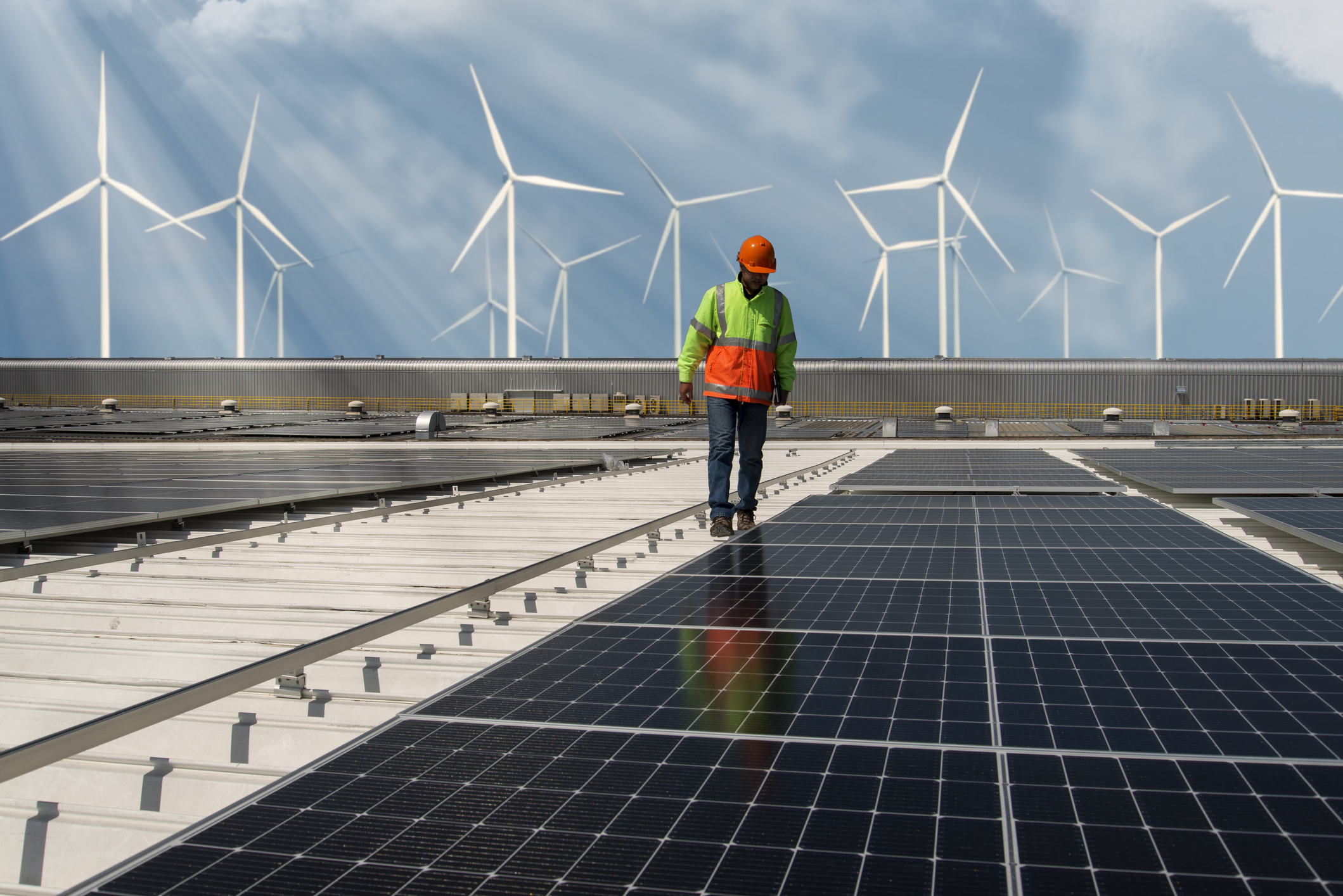
The ultimate testing ground for sustainable project management is the megaproject—large-scale infrastructure developments that have historically had massive carbon footprints and social displacement issues. Today, the focus has shifted from merely "minimizing damage" to creating Regenerative Infrastructure, where projects are designed to give back more to the environment and society than they take. A prime example of this shift is the development of energy-neutral tunnels and roadways that generate their own power through integrated renewable energy systems. These projects utilize innovative materials like "photovoltaic asphalt" and kinetic floor tiles that harvest energy from passing vehicles. By turning a passive piece of infrastructure into an active energy producer, project managers are transforming the very definition of a "public utility," moving toward a future where our built environment assists in the global transition to renewable energy rather than hindering it. Executing these projects requires a radical shift in Supply Chain Stewardship and construction techniques. Project managers are increasingly utilizing "Modular and Prefabricated Construction," where components are built in controlled factory environments to minimize on-site waste, noise pollution, and local traffic disruption. Furthermore, the use of Low-Carbon and Bio-based Materials, such as "green concrete" infused with recycled plastic or carbon-sequestering mass timber, has become the standard for high-performance infrastructure. These megaprojects also prioritize "Social License to Operate" by involving local communities in the design phase through augmented reality (AR) and virtual reality (VR) visualizations, ensuring that the infrastructure serves the people as much as it does the economy. By successfully delivering these complex, multi-billion-dollar sustainable projects, the industry is proving that the scale of a project is no longer an excuse for environmental degradation, but rather an opportunity for large-scale ecological and social restoration. This "Restorative" approach ensures that projects create a legacy of health and prosperity for future generations. ...Read more

12 May 2026
The second great challenge of corporate sustainability lies in the physical reality of production. For a century, industrial success was measured by throughput—the speed at which raw materials could be converted into products and sold. The barrier here is the Linear Infrastructure Lock-in. Billions of dollars are invested in factories, power plants, and logistics networks designed for a one-way flow of resources. Transitioning to a sustainable model requires more than just "doing less harm"; it requires a move toward Regenerative Business Models that actively contribute to the restoration of the ecosystems they draw from. One of the most significant barriers to this pivot is the Resource Scarcity-Complexity Trap. As companies try to move away from fossil fuels, they encounter a massive surge in demand for "transition minerals" like lithium, cobalt, and rare earth elements. This creates a new set of ethical and environmental dilemmas. The innovation solving this is the Circular Design Paradigm. Instead of simply looking for "better" materials to extract, innovative firms are designing products for "Disassembly." By using modular components and avoiding toxic glues or complex alloys, companies like those in the electronics and appliance sectors are ensuring that today’s products become the "urban mines" of tomorrow. This "Closed-Loop" manufacturing eliminates the need for virgin extraction and insulates companies from the volatility of global commodity markets. Another major hurdle is Energy Intermittency and Industrial Heat. While many corporations have successfully transitioned their offices to renewable electricity, the "Hard-to-Abate" sectors—such as steel, cement, and chemical production—require intense heat that solar and wind struggle to provide. Here, innovation is taking the form of Industrial Symbiosis. In "Eco-Industrial Parks," the waste heat or byproduct of one company becomes the fuel or raw material for its neighbor. For example, a data center’s excess heat can be piped into a nearby greenhouse, or a steel mill’s carbon emissions can be captured and converted into aviation fuel. This mimics natural ecosystems where "waste" does not exist, and every output is a useful input for another organism. The barrier of Consumer Inertia also plagues corporate progress. Even when a company develops a truly sustainable product, consumers are often reluctant to change their habits or pay a premium. To counter this, businesses are innovating through Behavioral Economics and Choice Architecture. Instead of making the "green" option a specialized luxury item, companies are making it the "default" setting. Whether it’s a logistics company defaulting to carbon-neutral shipping or a food giant reformulating its core products to be plant-forward, these subtle shifts utilize human psychology to drive mass-scale sustainability without requiring constant, conscious effort from the end-user.Finally, the evolution of Corporate Governance is providing the ultimate solution to the barrier of accountability. We are seeing the rise of "Benefit Corporations" (B-Corps) and legal frameworks that mandate directors to consider the interests of all stakeholders—employees, communities, and the environment—rather than just shareholders. This legal "hard-coding" of sustainability ensures that the mission survives leadership changes and economic downturns. As AI and machine learning begin to optimize supply chains for "minimum carbon" rather than just "minimum cost," the corporation is being redefined. It is moving from being a mere profit-extraction machine to becoming a sophisticated engine of social and ecological value, capable of thriving within the boundaries of a finite planet. ...Read more

12 May 2026
For the modern corporation, the transition toward sustainability is no longer a matter of philanthropic choice but a prerequisite for long-term viability. However, the path from "business as usual" to a truly regenerative model is fraught with structural, financial, and psychological barriers. To understand why some of the world’s largest entities struggle to adapt, one must look beyond simple corporate intent and examine the systemic friction inherent in global capital markets. The primary hurdle remains the Paradox of Quarterly Capitalism. Most publicly traded companies are beholden to short-term earnings reports, creating a misalignment between the immediate demands of shareholders and the long-term investments required for sustainable transformation. Financial barriers often manifest as the "Green Premium"—the additional cost of choosing a clean technology or sustainable raw material over a cheaper, carbon-intensive incumbent. For a manufacturing giant, switching to green hydrogen or recycled polymers can temporarily thin profit margins, leading to "fiduciary anxiety" among executives. This is compounded by Internal Siloing, where sustainability departments are treated as peripheral marketing wings rather than core strategic drivers. When the Chief Sustainability Officer (CSO) lacks the authority to influence the Chief Financial Officer (CFO) or the supply chain leads, sustainability initiatives remain surface-level, leading to the dreaded phenomenon of "Greenwashing," where a company spends more on advertising its environmental credentials than on actually improving them. Despite these barriers, a wave of Financial Innovation is beginning to bridge the gap. We are witnessing the rise of Sustainability-Linked Loans (SLLs) and Green Bonds, which tie interest rates to a company’s performance against specific Environmental, Social, and Governance (ESG) targets. If a company hits its carbon reduction goals, its cost of debt decreases. This creates a direct financial incentive for progress. Furthermore, "Internal Carbon Pricing" is becoming a standard tool for forward-thinking firms. By assigning a theoretical cost to every ton of carbon emitted by a specific department, companies can simulate a future regulatory environment and shift capital toward low-carbon projects today. Beyond finance, the barrier of Supply Chain Opacity is being dismantled by Digital Twins and Blockchain technology. Most corporations only have a clear view of their "Tier 1" suppliers, leaving them blind to the environmental degradations occurring deeper in the network. Innovation in traceability now allows companies to map their entire footprint—from the mine to the retail shelf. By using decentralized ledgers, every transaction and material movement is recorded, ensuring that "conflict-free" or "zero-deforestation" claims are backed by immutable data. This transparency doesn't just mitigate risk; it builds radical trust with an increasingly skeptical consumer base. Finally, the most profound innovation is the shift from Competitive to Collaborative Sustainability. Historically, companies kept their environmental efficiencies secret to maintain a competitive edge. Today, "Pre-competitive Collaboration" is the new norm. Competitors in the fashion, automotive, and tech industries are joining forces to build shared recycling infrastructures and standardized sustainability metrics. They have realized that the scale of the climate crisis is too large for any single entity to solve alone. By open-sourcing their sustainability patents and co-investing in new materials, corporations are effectively lowering the "Green Premium" for everyone, proving that in the race to save the planet, the only way to win is to finish together ...Read more

12 May 2026
Innovations Driving Sustainable Consumption - As the global population approaches 10 billion, the traditional methods of consumption are proving to be mathematically impossible to sustain. However, the intersection of digital technology and biological innovation is providing new pathways to satisfy human needs while minimizing the "ecological bootprint." Sustainable consumption in the modern era is increasingly defined by Dematerialization—the ability to provide the same or better utility using significantly fewer physical resources. This article explores how technological advancements and bio-based solutions are reshaping the landscape of responsible consumption and waste management. Digitalization is a primary driver of dematerialization. The shift from physical media (CDs, books, DVDs) to streaming and digital formats is a classic example of how technology reduces the need for plastic, paper, and physical logistics. However, the "Digital Revolution" goes much deeper. The Sharing Economy, powered by sophisticated algorithms, allows for the optimal utilization of existing assets. Ride-sharing, co-working spaces, and peer-to-peer tool libraries ensure that expensive, resource-intensive items do not sit idle. When we share resources, the total number of items that need to be manufactured drops significantly, leading to a massive reduction in the energy and water required for production. In the realm of food and agriculture—one of the most resource-intensive sectors—sustainable consumption is being revolutionized by Precision Agriculture and alternative proteins. Traditional livestock farming is a major contributor to greenhouse gas emissions and land degradation. Responsible consumption today involves a shift toward plant-based diets or lab-grown "cultivated" meats, which require a fraction of the land and water. Moreover, "smart" kitchens and AI-driven supply chains are tackling the global crisis of food waste. By using sensors and data to track freshness and optimize portions, we can address the fact that nearly one-third of all food produced is currently wasted, representing a colossal waste of the energy and water used to grow it. The materials science sector is also undergoing a "Green Chemistry" transformation. We are seeing the rise of Biomaterials, which are designed to mimic nature’s own cycles. Instead of petroleum-based plastics that persist in the environment for centuries, new packaging solutions are being derived from mushrooms (mycelium), seaweed, and agricultural byproducts. These materials are not only renewable but are often home-compostable, meaning they return nutrients to the soil rather than clogging oceans and landfills. For the consumer, choosing bio-based and biodegradable products is a direct way to support a "Bio-Economy" that operates in harmony with the Earth’s natural regenerative capacity. Finally, the role of data in empowering sustainable choices cannot be overstated. "Digital Product Passports" are emerging as a tool to provide consumers with real-time information about a product's carbon footprint, reparability score, and material composition via a simple QR code scan. This level of radical transparency removes the guesswork from responsible consumption, allowing individuals to make data-driven decisions that align with their values. When combined with smart grids and energy-efficient appliances, the "Internet of Things" (IoT) allows households to automate energy conservation, ensuring that consumption only happens when it is most efficient and least impactful. By leveraging these innovations, society can move toward a future where "sustainability" is not an inconvenient sacrifice, but a seamless, high-tech standard of living. ...Read more

11 May 2026
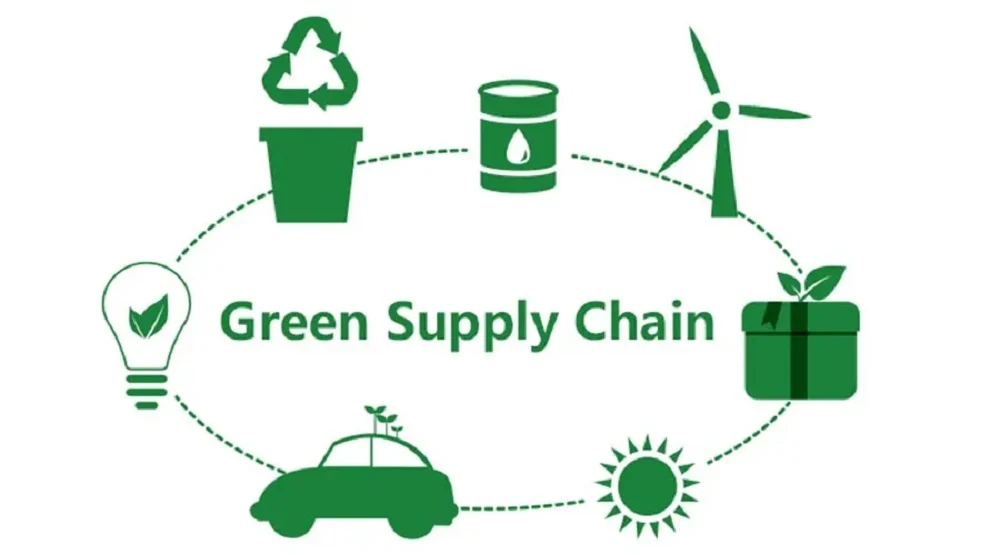
Bio-based polymers, regenerative textiles, and the chemistry of green materials.The foundation of a sustainable supply chain is the material itself. For over a century, the global economy has been built on "vignette" materials—plastics, alloys, and chemicals designed for performance and cost, with zero regard for their "end-of-life" reality. The first pillar of greening the supply chain is a fundamental shift toward Material Science Innovation.1. The Rise of Bio-Polymers and MyceliumWe are moving away from petroleum-based plastics toward PHAs (Polyhydroxyalkanoates) and PLA (Polylactic Acid). However, the true innovation lies in Mycelium-based packaging. Companies are now "growing" packaging using fungal root structures. This material is not just biodegradable; it is home-compostable and requires a fraction of the energy used to produce Expanded Polystyrene (EPS).2. Regenerative Textiles: Beyond Organic CottonWhile organic cotton was a step forward, the future lies in Regenerative Agriculture. This involves sourcing materials from farms that prioritize soil health, carbon sequestration, and biodiversity. We are seeing the emergence of "Carbon-Negative" fibers—materials like hemp and seaweed-based lyocell—which actually pull more carbon from the atmosphere during their growth cycle than is emitted during their processing.3. High-Performance Green AlloysIn the industrial sector, the focus is on "Green Steel" and low-carbon aluminum. Traditional steel production is one of the largest emitters of $CO_2$. Innovation here involves switching from coal-fired blast furnaces to Green Hydrogen-based Direct Reduced Iron (DRI). This allows manufacturers to source metals that carry a near-zero carbon debt, fundamentally altering the "Scope 3" profile of automotive and construction companies. ...Read more
11 May 2026
Bio-based polymers, regenerative textiles, and the chemistry of green materials. The foundation of a sustainable supply chain is the material itself. For over a century, the global economy has been built on "vignette" materials—plastics, alloys, and chemicals designed for performance and cost, with zero regard for their "end-of-life" reality. The first pillar of greening the supply chain is a fundamental shift toward Material Science Innovation.1. The Rise of Bio-Polymers and Mycelium.We are moving away from petroleum-based plastics toward PHAs (Polyhydroxyalkanoates) and PLA (Polylactic Acid). However, the true innovation lies in Mycelium-based packaging. Companies are now "growing" packaging using fungal root structures. This material is not just biodegradable; it is home-compostable and requires a fraction of the energy used to produce Expanded Polystyrene (EPS).2. Regenerative Textiles: Beyond Organic Cotton While organic cotton was a step forward, the future lies in Regenerative Agriculture. This involves sourcing materials from farms that prioritize soil health, carbon sequestration, and biodiversity. We are seeing the emergence of "Carbon-Negative" fibers—materials like hemp and seaweed-based lyocell—which actually pull more carbon from the atmosphere during their growth cycle than is emitted during their processing.3. High-Performance Green AlloysIn the industrial sector, the focus is on "Green Steel" and low-carbon aluminum. Traditional steel production is one of the largest emitters of $CO_2$. Innovation here involves switching from coal-fired blast furnaces to Green Hydrogen-based Direct Reduced Iron (DRI). This allows manufacturers to source metals that carry a near-zero carbon debt, fundamentally altering the "Scope 3" profile of automotive and construction companies. ...Read more
11 May 2026
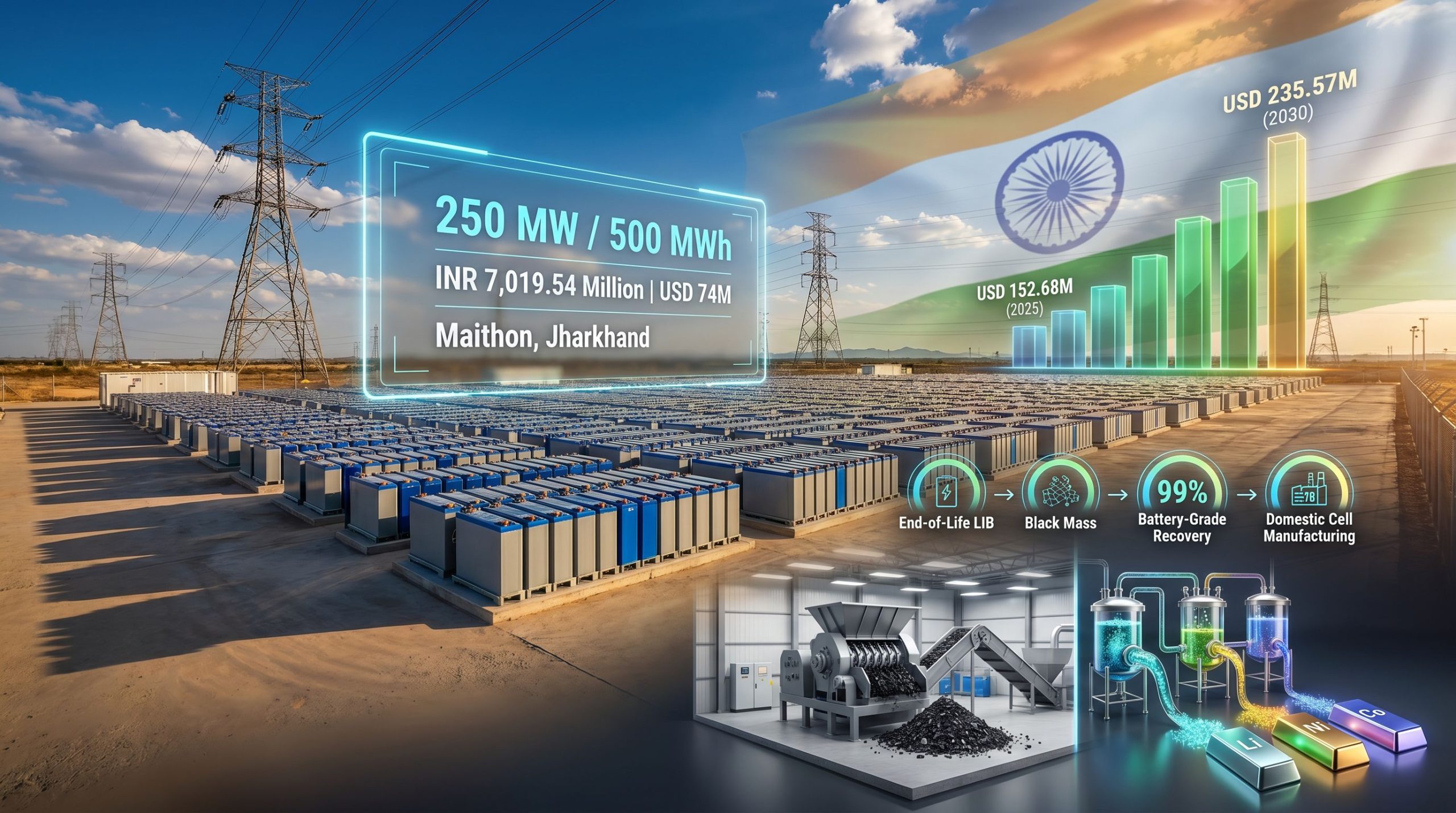
The Battery Waste Management Rules (BWMR) 2022, and their subsequent 2025 amendments, represent a transformative shift in India’s environmental and industrial policy, evolving from a mere waste-disposal framework into a strategic pillar for securing the nation’s critical minerals supply chain. Under the mandate of the Ministry of Environment, Forest and Climate Change (MoEFCC), these rules have institutionalized the principle of Extended Producer Responsibility (EPR), compelling manufacturers, importers, and brand owners—collectively termed "producers"—to take full accountability for the entire lifecycle of batteries, including portable, automotive, industrial, and electric vehicle (EV) types. Central to this framework is the aggressive escalation of material recovery targets; for instance, recyclers are now required to meet a 70% material recovery rate in FY 2024-25, rising to 80% by FY 2025-26, which effectively creates a "secondary mine" within the domestic economy. This is particularly vital as India navigates a high import dependency for primary sources of lithium, cobalt, and nickel—the "big three" minerals essential for the lithium-ion batteries that power the clean energy transition. By mandating that a specific percentage of recycled materials be reintegrated into new batteries from FY 2027-28 onwards, the government is forcing a circular loop that reduces reliance on volatile global markets and geopolitical risks. The 2025 amendments further sharpened these tools by introducing mandatory digital traceability through unique barcodes or QR codes on every battery pack, linking them to a centralized Central Pollution Control Board (CPCB) portal to eliminate the "leakage" of waste into the informal sector, which historically handled the majority of India's battery waste. This formalization is supported by the National Critical Minerals Mission (NCMM), approved in early 2025, which specifically identifies "recovery from end-of-life products" as a strategic priority alongside domestic mining and overseas asset acquisition. As India aims for significant expansion in annual battery production by 2030, the demand for cathode active materials is projected to grow exponentially; in this context, the BWMR serves as a safeguard, ensuring that valuable minerals like manganese and graphite are not lost to landfills but are instead harvested to fuel domestic value addition. Furthermore, the rules provide a legal pathway for "second-life" applications, allowing EV batteries to be refurbished for stationary energy storage before final recycling, thereby maximizing the utility of every gram of imported lithium. Through the interplay of strict EPR credit trading, heavy environmental compensation penalties for non-compliance, and the development of indigenous hydrometallurgical recycling technologies, India is building a resilient, self-reliant ecosystem. This integrated approach not only addresses the environmental hazard of toxic heavy metals like lead and cadmium but also positions battery recycling as a multi-billion dollar industry, ultimately ensuring that India's journey toward its 2070 Net Zero goal is powered by a secure, circular, and strategically independent critical minerals supply chain. ...Read more

11 May 2026
World Soil Day serves as a vital global audit of our most fundamental natural capital, emphasizing that the thin layer of topsoil beneath our feet is the silent engine of human survival. As we observe this day, the focus has shifted from mere conservation to the active restoration of soil carbon through regenerative farming, a transition that is now recognized as a prerequisite for global food security. Soil is not merely an inert medium for plant growth; it is a complex, living ecosystem that holds more carbon than the atmosphere and all terrestrial vegetation combined. However, decades of conventional industrial agriculture—characterized by intensive tillage, monocropping, and the heavy application of synthetic fertilizers—have depleted this vital carbon pool, leaving soils "starved" and structurally weak. This degradation creates a dangerous feedback loop: as soil organic matter vanishes, the soil loses its ability to retain water and nutrients, leading to declining crop yields, increased vulnerability to droughts, and the release of sequestered carbon back into the atmosphere as carbon dioxide. Regenerative farming offers a scientifically grounded pathway to break this cycle by prioritizing the "biology of the soil" over the "chemistry of the crop." By adopting core principles such as minimizing soil disturbance (no-till or low-till), maintaining continuous living roots, and integrating diverse crop rotations with cover cropping, farmers can actively pull carbon from the air and store it in the ground. This process of soil carbon sequestration does more than just mitigate climate change; it fundamentally re-engineers the soil’s physical properties. Carbon-rich soils act like sponges, significantly increasing water infiltration and holding capacity, which allows crops to thrive even during prolonged dry spells or survive heavy rainfall without the topsoil washing away. Furthermore, healthy soil carbon levels support a vast microbiome of fungi and bacteria that naturalize nutrient cycling, reducing the farmer's dependency on expensive and environmentally damaging chemical inputs. The linkage between soil health and food security is, therefore, absolute. With over 95% of our food originating from the soil, the "Silent Collapse" of soil fertility represents a direct threat to the stability of the global food system. As populations rise and climate-induced weather extremes become the norm, we cannot ensure food availability without resilient, high-functioning soils. Regenerative practices provide the "Climate Insurance" necessary to stabilize yields in an unpredictable environment. On World Soil Day, the message is clear: protecting soil carbon is not just an environmental choice but an economic and humanitarian imperative. By transitioning toward regenerative systems, we can restore the Earth’s digestive system, ensuring that our agricultural lands remain productive, our climate remains stable, and our global food supply remains secure for generations to come. ...Read more
11 May 2026
The International Day of Forests serves as a critical global audit of ecological integrity, exposing a profound accountability gap between the high-profile optics of mass tree plantation and the often-neglected reality of long-term tree survival. For decades, environmental progress has been measured through the "numbers game" of saplings planted—a metric that provides immediate political and corporate capital but fails to account for the complex biological requirements of forest establishment. This obsession with the initial act of planting often overlooks the fact that a sapling is not a forest; it is merely a biological potential that requires years of irrigation, protection from grazing, and soil nutrient management to become a self-sustaining carbon sink. When mass-planting drives are executed without a survival mandate, the results are often catastrophic, with survival rates in some unmonitored regions plummeting below twenty percent due to poor species selection, lack of local community involvement, and the absence of post-planting care. To bridge this gap, the focus must shift from "quantity-based reforestation" to "quality-based forest stewardship," where success is audited not by the number of pits dug on a single ceremonial day, but by the canopy density and biodiversity index recorded five to ten years later. This transition requires the implementation of radical transparency through geo-tagging and satellite-based monitoring, ensuring that every "green" investment is backed by verifiable data rather than ephemeral headlines. Furthermore, authentic forest restoration must prioritize indigenous species and ecological "fit" over fast-growing monocultures, which may look impressive in the short term but offer little in the way of climate resilience or habitat support. By redefining accountability as the sustained health of the ecosystem rather than the speed of the shovel, we ensure that the International Day of Forests moves beyond a symbolic gesture toward a permanent structural commitment to the planet's atmospheric and biological health, recognizing that the survival of a single mature tree is often more valuable than the planting of a thousand saplings that will never reach maturity. ...Read more

11 May 2026
Plastic Free July marks a fundamental shift in the global response to the plastic crisis, moving beyond individual lifestyle adjustments toward a systemic overhaul of the plastic economy. For years, the conversation was dominated by consumer-led "refusal" strategies; however, the current landscape is defined by high-stakes international diplomacy, aggressive regulatory shifts, and a manufacturing revolution that treats plastic not as a disposable convenience, but as a managed asset. This transition is anchored by four critical pillars: the finalization of a legally binding global treaty, the implementation of comprehensive Extended Producer Responsibility (EPR) frameworks, the industrialization of refill and reuse models, and a profound shift in consumer psychology from "waste management" to "resource stewardship." At the summit of global policy sits the Global Plastic Treaty, an international instrument designed to address the full lifecycle of plastic—from design and production to final disposal. Recent negotiations have focused on breaking the historical deadlock between production-focused caps and downstream waste management. The emerging consensus favors a "Circular Design" mandate, which effectively bans the creation of products that are "unrecyclable by design," such as complex multi-layered laminates and microplastic-laden formulations. By establishing unified global standards, the treaty aims to eliminate the regulatory "race to the bottom," ensuring that corporations are held to the same environmental standards regardless of where they manufacture. This treaty signifies a global recognition that plastic pollution is a transboundary crisis that cannot be solved by any single nation in isolation. Directly supporting these international goals is the rapid deployment of Extended Producer Responsibility (EPR) legislation. EPR has evolved from a voluntary corporate social responsibility (CSR) initiative into a mandatory financial and operational requirement across dozens of major jurisdictions. The modern EPR framework utilizes "Eco-Modulation," a system where producers pay fees based on the environmental footprint of their packaging. Products that are easy to reclaim and recycle incur lower fees, while "problematic" plastics are taxed heavily. These funds are redirected into municipal sorting infrastructure and chemical recycling technologies, effectively internalizing the environmental costs of plastic production into the brand's bottom line. In many regions, this has led to a dramatic simplification of packaging portfolios as companies strip away unnecessary colors, layers, and additives to minimize their regulatory costs. However, the true "North Star" of the plastic-free movement is the shift from recycling to Refill and Reuse Models. Industrial-scale refill systems are now being integrated into urban retail environments, replacing the "take-make-waste" cycle with a "Packaging-as-a-Service" model. This involves the use of IoT-enabled refill kiosks for bulk goods and standardized, durable containers for personal care and household products. By treating a bottle as a durable asset that can be professionally cleaned and refilled dozens of times, companies can reduce their material intensity by over 70%. This revolution is supported by a "Reverse Logistics" infrastructure, where the same networks that deliver products to consumers are used to reclaim empty containers, creating a truly closed-loop system that eliminates the need for single-use plastic at the source. The success of these structural changes is ultimately validated by a seismic shift in Consumer Behavior Change. Modern consumers are no longer satisfied with vague "recyclable" labels; they are increasingly auditing the integrity of the brands they support. This behavioral shift is driven by a collapse in trust regarding traditional recycling systems and a growing awareness of the health impacts of nanoplastics. As a result, sustainability has moved from a "premium" niche to a baseline requirement for market entry. Consumers are now acting as active participants in the "Refill Economy," utilizing digital platforms to track their "plastic prevented" metrics and favoring brands that offer radical transparency. Plastic Free July has thus become a period of collective accountability, where the choices of the individual are finally matched by the courage of the institution, ensuring that a plastic-free future is not just a seasonal goal, but a permanent structural reality. ...Read more

11 May 2026
The "One City, One Climate Action Plan" series serves as a rigorous audit of urban transformation, shifting the focus from national rhetoric to the granular reality of municipal policy. As Earth Day approaches, the global discourse must move beyond abstract targets for 2050 and look instead at the "Building Codes" and "Zoning Laws" that define the next decade of human survival. Cities are the engines of the global economy, consuming the vast majority of our energy and producing over 70% of greenhouse gas emissions. However, their centralized governance and high population density also make them the most efficient laboratories for climate innovation. Accountability in this series is defined by a city's ability to decouple its economic growth from environmental degradation, ensuring that "Net Zero" is not merely a financial accounting trick involving carbon offsets, but a physical reality reflected in the air quality of its streets and the resilience of its infrastructure. A critical pillar of city-level accountability is the "Decarbonization of the Built Environment," particularly in legacy cities where 70% to 80% of current buildings will still be standing in 2050. This requires a transition from spend-based modeling to activity-based data, where every skyscraper and residential block is audited for its energy intensity. True accountability is seen in cities that mandate "Local Laws" requiring large-scale retrofitting—replacing fossil-fuel-burning boilers with high-efficiency heat pumps and installing smart grids that can manage intermittent renewable energy. This is not just a technical challenge but a social one; the success of a city’s climate action plan is measured by its "Climate Justice" index. If the green transition primarily benefits affluent neighborhoods while leaving low-income areas vulnerable to heat islands and rising utility costs, the plan has failed the test of equitable sustainability. Furthermore, the "One City, One Climate Action Plan" series examines the "Metabolic Rate" of urban centers through the lens of the Circular Economy. Sustainable cities must move away from the "Linear Model" of importing vast amounts of raw materials and exporting mountains of waste. This involves pioneering "Urban Mining"—reclaiming precious metals and construction materials from demolished structures—and implementing "Digital Product Passports" for municipal procurement. By treating waste as a design flaw, cities can lower their "Scope 3" emissions, which represent the carbon footprint of the goods and services they consume from outside their borders. This holistic approach ensures that a city is not simply exporting its environmental impact to the Global South, but is taking full responsibility for its entire value chain. The series also highlights the "Adaptation Gap," recognizing that even with aggressive mitigation, cities must prepare for the physical impacts of a changing climate. Whether it is the "Sponge City" concept of using permeable pavements and urban wetlands to absorb storm surges, or the "15-Minute City" urban planning model that reduces the need for private car ownership, the focus is on resilience. Accountability here is measured by a city's "Climate Readiness"—its ability to protect vital infrastructure like power grids, water supplies, and hospitals from extreme weather events. On this Earth Day, the series concludes that while the climate crisis is a global threat, the solutions are inherently local. By holding cities accountable for their specific climate action plans, we foster a "Race to the Top" where urban centers compete not just for capital, but for the title of the most livable, resilient, and sustainable habitat for the 21st century. This continuous narrative of accountability ensures that mayors and municipal leaders are held to the same standards as national heads of state. By stripping away the promotional segments and focusing on the raw data of carbon variance and resource efficiency, we provide a transparent roadmap for the future. The ultimate goal is to prove that urban density is not a liability, but our greatest asset in the fight for a stable climate. As we audit each city, from the high-tech hubs of the north to the rapidly expanding megacities of the south, the "One City, One Climate Action Plan" series provides the evidence-based optimism needed to turn the tide, proving that when a city commits to a science-based action plan, it doesn't just survive—it thrives. ...Read more
11 May 2026
Integrating sustainability into the architecture of modern project management requires a fundamental departure from the traditional "Iron Triangle" of cost, time, and scope, evolving instead toward a holistic framework that treats environmental and social impacts as primary performance indicators. This transition is governed by the understanding that a project's success is no longer defined solely by its immediate delivery, but by its long-term viability and its ability to operate within the Earth's planetary boundaries. At the core of this evolution is the P5 Standard, which expands the project manager's focus to encompass People, Planet, Prosperity, Process, and Product, ensuring that every strategic decision—from the initial procurement of raw materials to the final decommissioning of a physical asset—is measured against its lifecycle impact. This "Cradle-to-Cradle" approach mandates that project managers move beyond short-termism, recognizing that while sustainable materials or energy-efficient technologies might incur higher upfront capital expenditures (CAPEX), they dramatically reduce long-term operational expenditures (OPEX) and de-risk the project against future regulatory shifts, carbon taxes, and resource scarcity. The operationalization of sustainability within a project lifecycle begins with the creation of a Sustainability Management Plan (SMP), a living document that identifies specific Materiality Issues relevant to the project’s unique context. For instance, in large-scale infrastructure, this involves conducting rigorous Life Cycle Assessments (LCA) to quantify the embodied carbon of materials like steel and concrete, then utilizing innovations such as Green Hydrogen-based production or carbon-sequestering aggregates to mitigate those impacts. In the realm of digital project management, this focus shifts toward the energy efficiency of data centers and the ethical implications of algorithmic bias, ensuring that the social dimension of the Triple Bottom Line—People—is upheld through fair labor practices, diversity in the workforce, and radical stakeholder engagement. By consulting with local communities and "silent stakeholders" like the local ecosystem early in the initiation phase, project managers secure a "Social License to Operate," which significantly reduces the probability of legal challenges, protests, and costly delays that often plague non-sustainable ventures. Technological innovation, particularly the integration of Artificial Intelligence and Digital Twin technology, has become the primary catalyst for achieving these technical depths of accountability and transparency. Digital Twins allow project teams to simulate a project's resource consumption and waste output in a virtual environment, enabling "what-if" scenarios that optimize efficiency before physical resources are ever committed. This data-driven approach allows for the real-time tracking of "Carbon Variance," shifting the project manager’s role from a simple task coordinator to a steward of natural and social capital. As the global economy moves toward mandatory ESG (Environmental, Social, and Governance) reporting, the project becomes the primary unit of change; companies that fail to embed these principles into their project management offices (PMO) will find themselves excluded from green financing and increasingly alienated from a climate-conscious consumer base. Ultimately, sustainability in project management is about building resilience—creating assets that are not just "less bad" for the environment, but are restorative, equitable, and capable of thriving in a volatile, resource-constrained future. This paradigm shift also necessitates a change in leadership style, moving from command-and-control to a collaborative model that prioritizes ethical transparency. The project manager must navigate complex supply chains to ensure that "Greenwashing" does not occur at the sub-contractor level, requiring the use of blockchain-based traceability to verify the origin of "green" materials. Furthermore, by aligning project goals with the UN Sustainable Development Goals (SDGs), organizations can demonstrate a clear contribution to global targets, such as climate action and reduced inequalities. This alignment not only improves brand equity but also attracts top talent who are increasingly seeking purpose-driven work. By treating every project as a micro-ecosystem, project managers can ensure that the outputs they produce today do not become the liabilities of tomorrow, effectively bridging the gap between immediate industrial progress and the long-term health of the planet. ...Read more