The Issue:
Resource efficiency through the 3R framework of Reduce, Reuse, and Recycle is no longer an environmental add on for Indian businesses. It is a financial and operational necessity. Rising raw material costs, stricter waste management rules, landfill scarcity, and growing consumer awareness are pushing companies to rethink how they handle resources. The 3R approach is not simply about being "less wasteful." It is a systematic method to cut costs, improve productivity, build regulatory compliance, and strengthen brand reputation. India's industrial landscape presents two very different faces of waste. In the sprawling textile hubs of Tirupur, water is the burning issue. In the dense electronics clusters of Chennai and Noida, plastic and metal scrap dominate the waste stream. Both regions show why the 3R is increasingly framed as business intelligence plus environmental responsibility, not just a green badge.
At daybreak in Tiruppur, the air smells of wet cotton and dye. The textile capital of India wakes up to the sound of looms and the steady hum of water pumps. Here, every litre counts. A medium sized garment factory processes thousands of garments daily, and the wastewater pools in treatment tanks like a mirror reflecting the industry's biggest challenge. Water is never free in Tirupur. It is bought, moved, treated, and often paid for twice. Once when it arrives. Again when it leaves as effluent.
At daybreak in a Chennai electronics unit, the air smells different. Solder and solvent. Plastic and precision. Here, the factory floor is tidy, but the bins behind the assembly line tell a different story. Wires cut to length. Component strips peeled away. Packaging film crumpled and tossed. The waste is dry, technical, and surprisingly valuable. Copper. Polycarbonate. High grade paperboard. The problem is not that this waste exists. The problem is that it leaves the factory as a cost instead of staying as a resource.
Two mornings. Two Indias. And one question that no business can afford to ignore anymore. What if everything we throw away was actually something we never should have bought in the first place?
This is the quiet revolution of the 3R. Not a grand gesture. Not a sustainability report filled with vague promises. It is a daily discipline. A way of running operations that treats waste as a design flaw rather than an inevitability.
The 3R is not a slogan. It is a sequence.
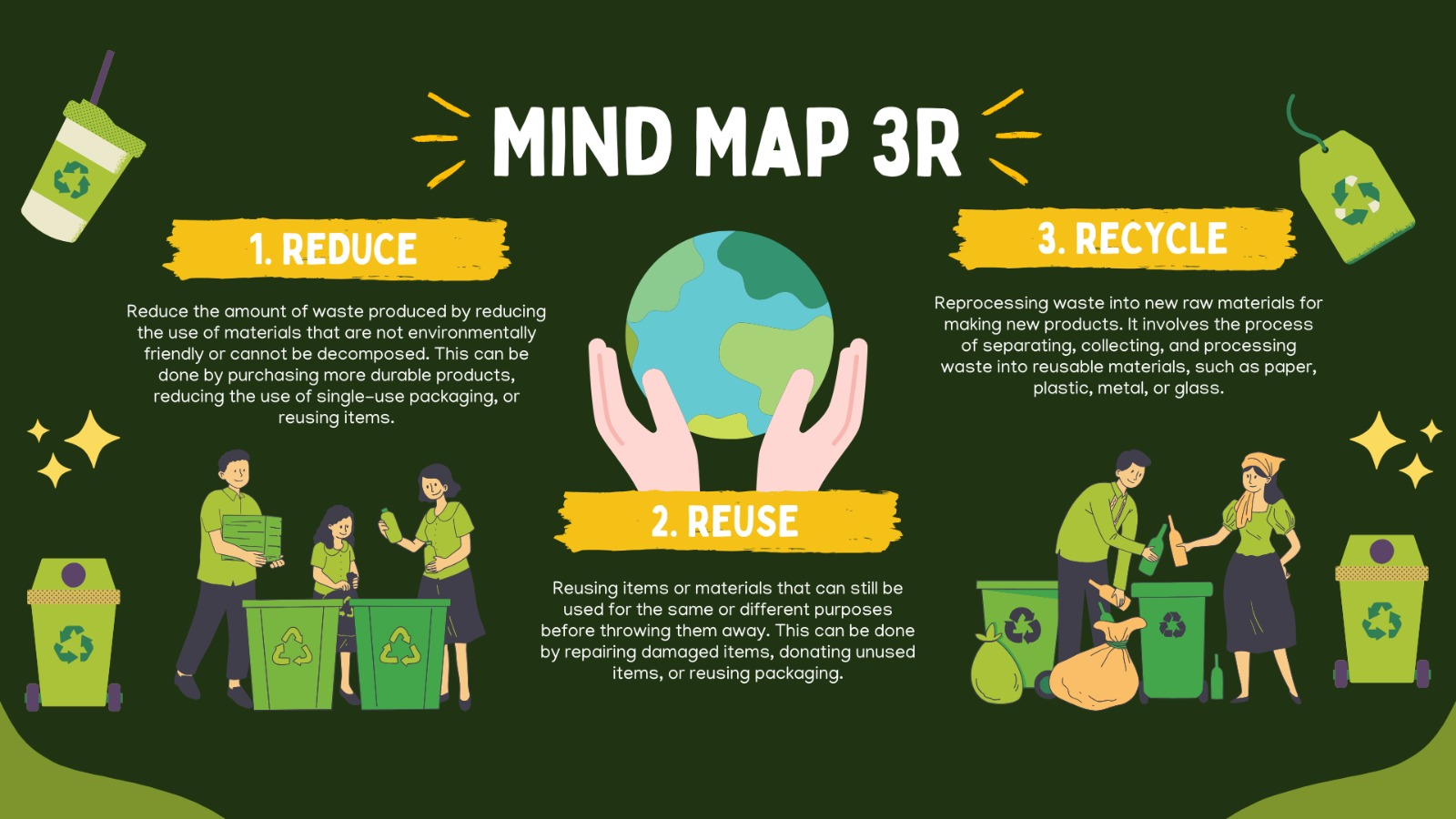
In everyday conversation, the 3R gets reduced to one line. "Reduce, reuse, recycle." But the sequence is the secret. You cannot recycle your way out of a problem that should have been reduced at the start.
The 3R is a hierarchy. Reduce comes first because preventing waste is always cheaper and cleaner than managing it. Reuse comes second because extending the life of a material or product saves the energy and water that would be needed to break it down and remake it. Recycle comes last because it is better than landfilling but still consumes resources.
Think of it like a medical triage for your business. Reduce is prevention. Eat better, exercise, stay healthy. Reuse is managing a minor condition with lifestyle changes. Recycle is treatment. Necessary and valuable, but you would rather not need it so often.
Indian businesses often jump straight to recycling because it feels visible and satisfying. But the real savings live in reduction and reuse. And that is where the most exciting stories are being written.
Why the 3R is considered smart business, and why the numbers finally make sense
For years, Indian companies treated waste management as a compliance cost. Something you paid a contractor to handle so you could focus on production. That old thinking is collapsing for three reasons.
First, raw material prices are volatile and generally rising. Every kilogram of material that ends up as waste is money that left the business with nothing to show for it. When you reduce waste, you are not saving the planet. You are saving your purchase budget.
Second, waste disposal is getting more expensive and more regulated. Landfills are filling up. State pollution control boards are getting stricter. The days of cheap, unscrutinised dumping are ending. A company that ignores the 3R today will face higher compliance costs tomorrow.
Third, customers and investors are starting to ask. A large garment brand in Bengaluru recently lost a European buyer because their audit revealed poor waste segregation. A mid sized auto parts supplier won a new contract partly because their 3R practices impressed a sustainability focused client. The market is not silent on this anymore.
But the numbers tell the clearest story. A well implemented 3R programme typically pays for itself within twelve to eighteen months. After that, it becomes a source of ongoing savings and sometimes even new revenue from selling recyclables. That is not charity. That is arithmetic.
The hardest part of the 3R. Behaviour, not technology.
If the 3R were only about buying better machines or installing compactors, every factory would already be efficient. The hardest part is human. Old habits. Convenience. The unconscious way a worker tosses a used glove into the general bin because the recycling bin is three steps further away.
This is where many Indian businesses struggle. They invest in segregation bins. They put up posters. They run a training session. And then nothing changes.
The solution is not more posters. It is better design. Make the right behaviour easy and the wrong behaviour annoying. Place the recycling bin closer than the general waste bin. Colour code everything. Name a champion on each shift whose job is not to police but to remind. Celebrate small wins publicly. A team that reduces its waste by ten percent gets a small recognition, not a bonus that distorts behaviour, but a genuine thank you.
We once visited a packaging unit in Pune where the floor manager had a simple rule. Every Friday, he walked the line with a notebook and wrote down three things he saw being wasted that should not have been. He read them out at the Monday meeting. Not to shame anyone. To ask a question. How do we fix this together? Within six months, that unit reduced its plastic waste by forty percent without spending a rupee on new equipment. That is the power of behaviour led 3R. Technology helps, but people drive it.
The contemporary crisis. Single use plastic and the Indian response
No conversation about the 3R in India is complete without talking about plastic. Specifically, single use plastic. The stuff that wraps our products, lines our cups, and chokes our drains.
India has banned certain single use plastic items, but enforcement varies. More importantly, the ban only covers specific categories. A vast amount of plastic packaging still flows through the economy. Much of it is technically recyclable. Very little of it is actually recycled because collection is fragmented and contamination is high. What does this mean for the 3R conscious business? It means plastic needs a smarter strategy.
💡 Reduce first. Can you switch to paper based or fabric based packaging for certain products? Can you eliminate an inner wrapper that serves no real purpose? Can you ask your suppliers to take back their packaging instead of leaving it for you to manage?
💡 Reuse second. Can you collect clean plastic packaging from your incoming shipments and send it back to suppliers for another trip? Can you use shredded plastic waste as a component in non structural building materials or as an additive in road construction? Some Indian companies are already doing this with impressive results.
💡 Recycle third. For the plastic that cannot be reduced or reused, find a registered recycler and keep your plastic clean and sorted. A bale of uncontaminated PET or HDPE has real value. A mixed, dirty pile of plastic is just landfill.
The plastic problem will not be solved by government bans alone. It will be solved by thousands of businesses treating plastic as a resource to be managed, not a nuisance to be discarded.
The economics of patience. Why quick fixes fail and steady progress wins
The 3R is not a one time project. It is a continuous improvement cycle. And that is hard for businesses that are used to installing a solution and moving on.
A common mistake is to start with the biggest, most visible waste stream, implement a solution, and then declare victory. Six months later, waste creeps back up because no one is monitoring. Habits slip. New processes get ignored.
The better approach is slower and steadier. Pick one waste stream. Paper, for example. Measure how much paper you use this month. Set a target to reduce it by fifteen percent over three months. Implement three simple changes. Print double sided by default. Collect single sided sheets for reuse as notepads. Switch to digital approvals where possible. Measure again. Celebrate the reduction. Then move to the next stream.
This is the economics of patience. Small, consistent improvements that compound over time. A factory that reduces its waste by five percent every quarter will cut its waste in half within three years. That is not dramatic. It is just disciplined.
Technology and the 3R. Data as the new waste manager
We cannot talk about the modern 3R without talking about data. The traditional approach to waste management was reactive. Stuff fills a bin, someone empties it, end of story.
The new approach is predictive. Smart bins with sensors can tell you when they are full, optimising collection routes and reducing fuel waste. Data analytics can show you exactly which shift, which line, or which product is generating the most waste. Radio frequency identification can track reusable containers across a supply chain so they come back instead of getting lost.
None of this requires an artificial intelligence revolution. It requires basic measurement. Weigh your waste. Categorise it. Track it weekly. What gets measured gets managed. That is the oldest rule in business, and it applies perfectly to the 3R.
A small pharmaceutical plant in Vadodara started weighing their plastic waste three years ago. They found that thirty percent of it was clean, uncontaminated, and immediately sellable to a recycler. They had been paying a contractor to haul it away. Now they get paid for it. That change came from one simple habit. Weighing before throwing.
What the next decade should build. A 3R ready India
If Indian business is serious about resource efficiency, the next decade will be about systems, not slogans.
The first system is better waste segregation infrastructure inside industrial parks. Shared compactors, baling machines, and material recovery facilities can make recycling viable for small and medium enterprises that cannot afford their own equipment.
The second system is a liquid market for recyclables. Many recyclable materials have volatile prices because information is poor. A digital platform that connects waste generators with verified recyclers could stabilise prices and increase recovery rates.
The third system is smarter procurement. Companies should negotiate take back clauses with suppliers. You sold me this component in this packaging. You take the packaging back. That simple clause creates a closed loop and shifts responsibility up the supply chain.
The fourth system is workforce training that goes beyond a one hour session. Embed 3R thinking into job descriptions, performance reviews, and daily stand up meetings. Make it part of how work is done, not an extra thing to remember.
The fifth system is honest accounting. Most companies still treat waste disposal as a single line item. Split it out. Show the cost of each waste stream. Show the revenue from recyclables. Show the avoided cost from reduction. When the numbers are visible, the motivation is real.
Closing thought:
In Tiruppur, the factory manager now checks the recycling bin before the general waste bin. It is a small habit. But it changes everything. Because every time he sees something valuable in the general bin, he asks a question. Why did this happen? And that question leads to another question. How do we stop it?
In Chennai, the electronics unit now has a scrap sale every quarter. The money is small relative to their turnover, but the signal is large. Waste is not a cost anymore. It is an oversight that got corrected.
The bin was never the end of the story. It was just the place where businesses stopped paying attention. The 3R is simply paying attention again. To what comes in. To what goes out. And to the quiet truth that in a country of a billion people and finite resources, efficiency is not a choice. It is the only way forward.





Add a Comment