The UN's latest global review isn't just measuring progress- it is testing whether countries can still deliver on the promises they made a decade ago
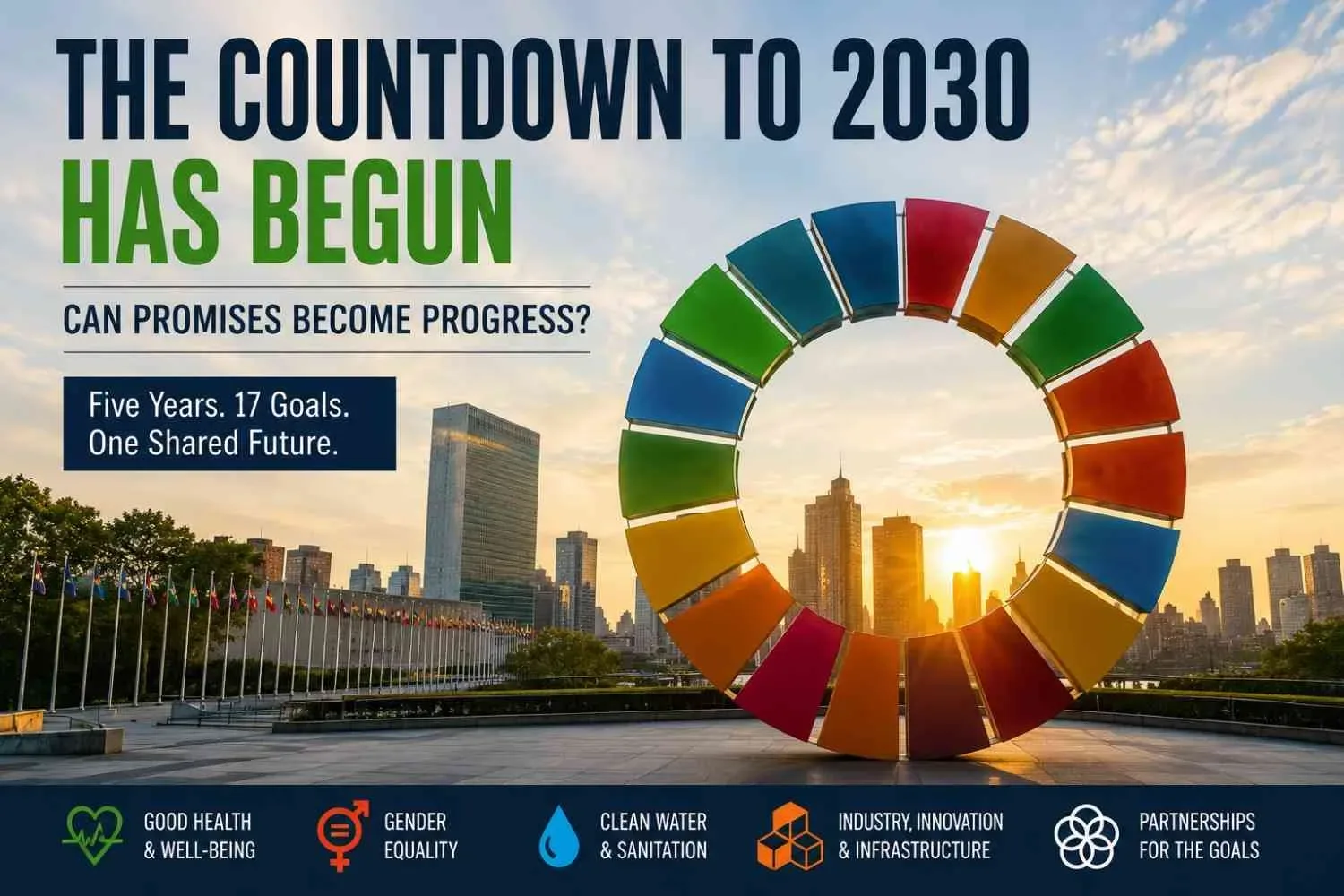
With only five years remaining to meet the United Nations' Sustainable Development Goals (SDGs), global attention has once again turned to the pace of progress.
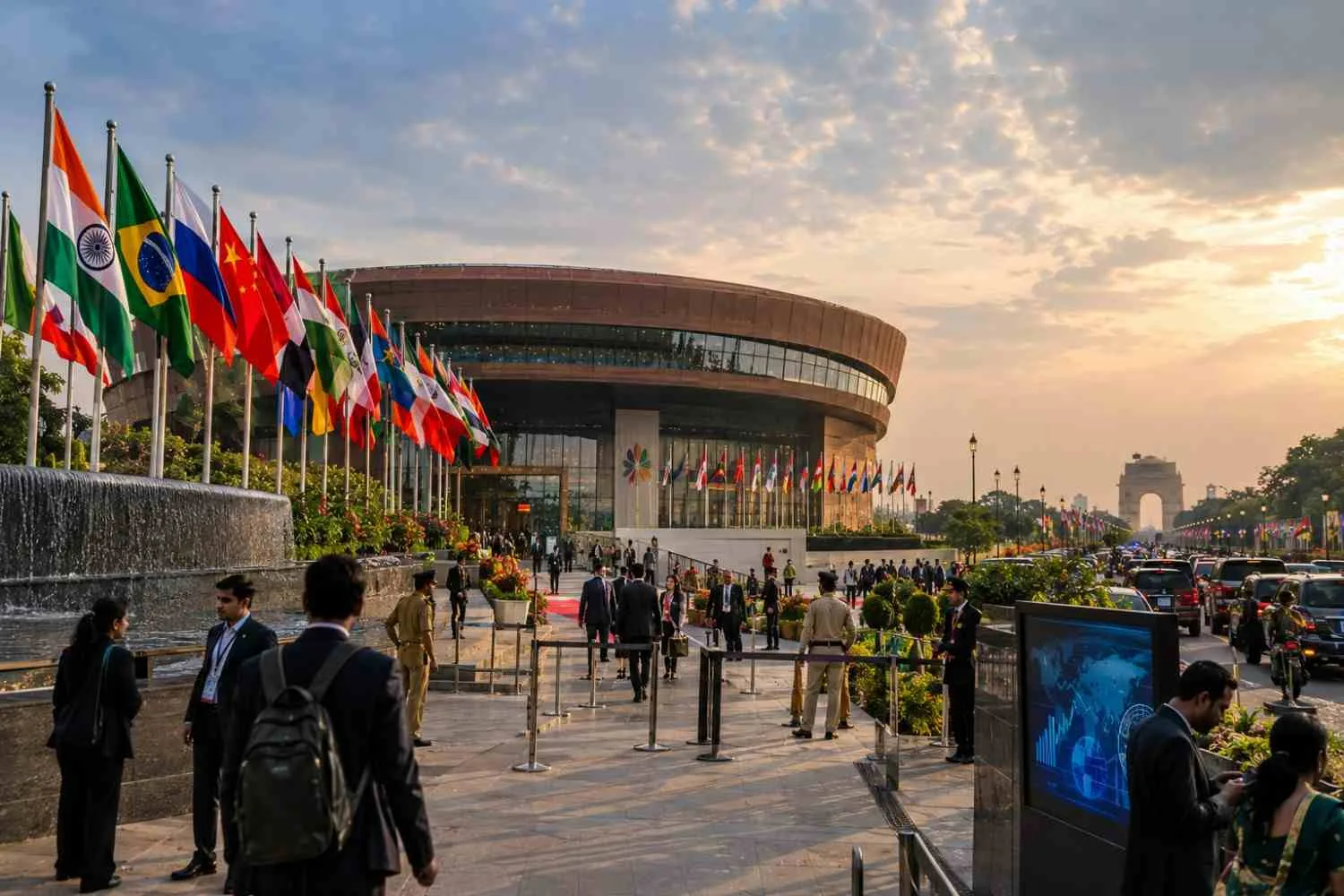
The High-Level Political Forum (HLPF), taking place at UN Headquarters in New York from 7 to 15 July, is assessing how countries are advancing on five key goals that directly affect billions of people.
This year's forum is reviewing progress on five Sustainable Development Goals: SDG 3 (Good Health and Well-being), SDG 5 (Gender Equality), SDG 6 (Clean Water and Sanitation), SDG 9 (Industry, Innovation and Infrastructure), and SDG 17 (Partnerships for the Goals). Together, these goals shape many aspects of sustainable development, from healthcare and clean water to resilient infrastructure and global cooperation.
But the discussions also raise a critical question.
The final five years of the 2030 Agenda have begun, bringing renewed focus on whether countries can turn a decade of commitments into measurable results.
The latest UN assessments paint a mixed picture.
Progress in healthcare, clean water and digital infrastructure has been encouraging in several countries, but it has been uneven.
Climate change, economic instability, conflicts and widening inequalities continue to hamper development, leaving many of the Sustainable Development Goals off track.
For India, the forum serves as an opportunity to assess both achievements and unfinished priorities.
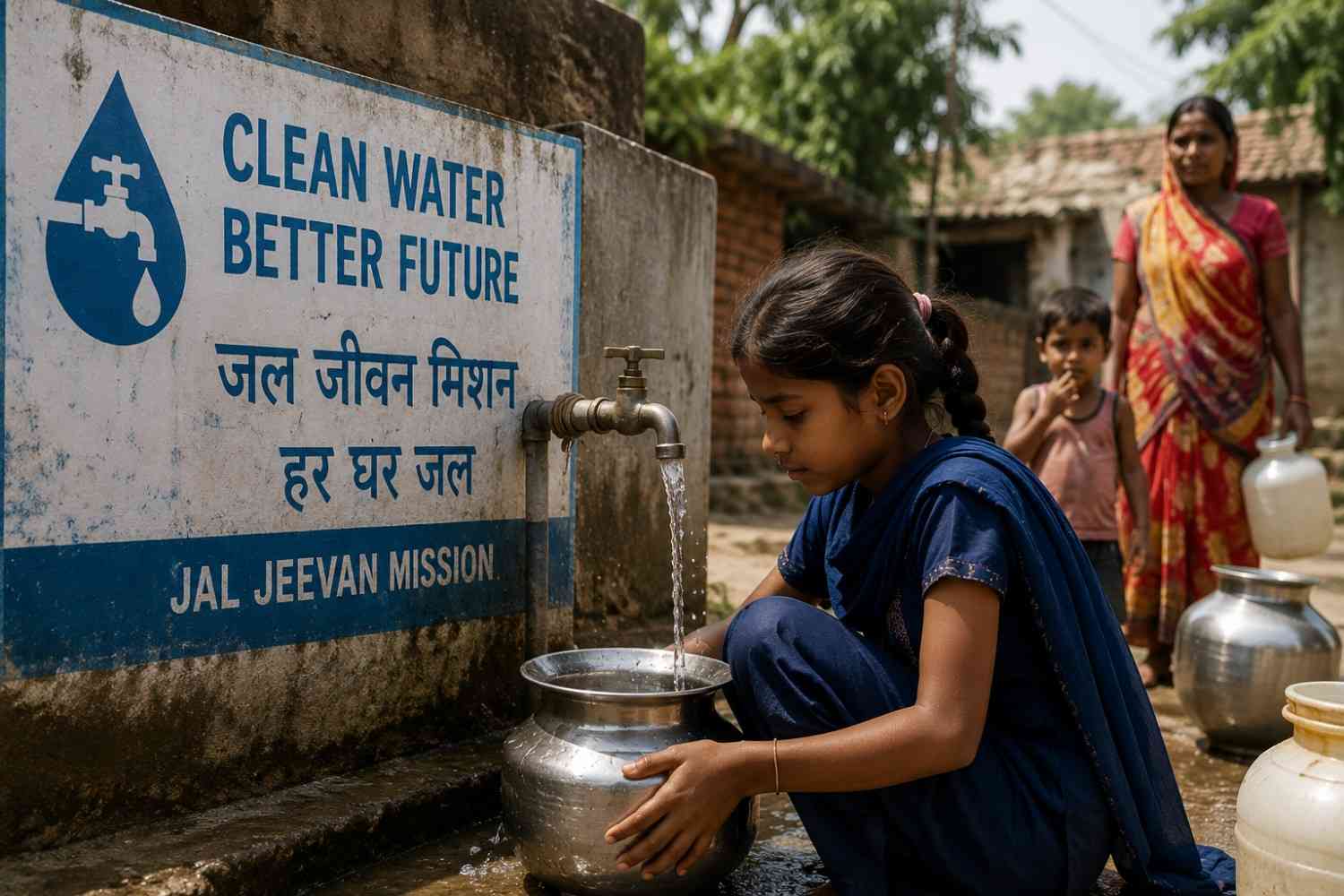
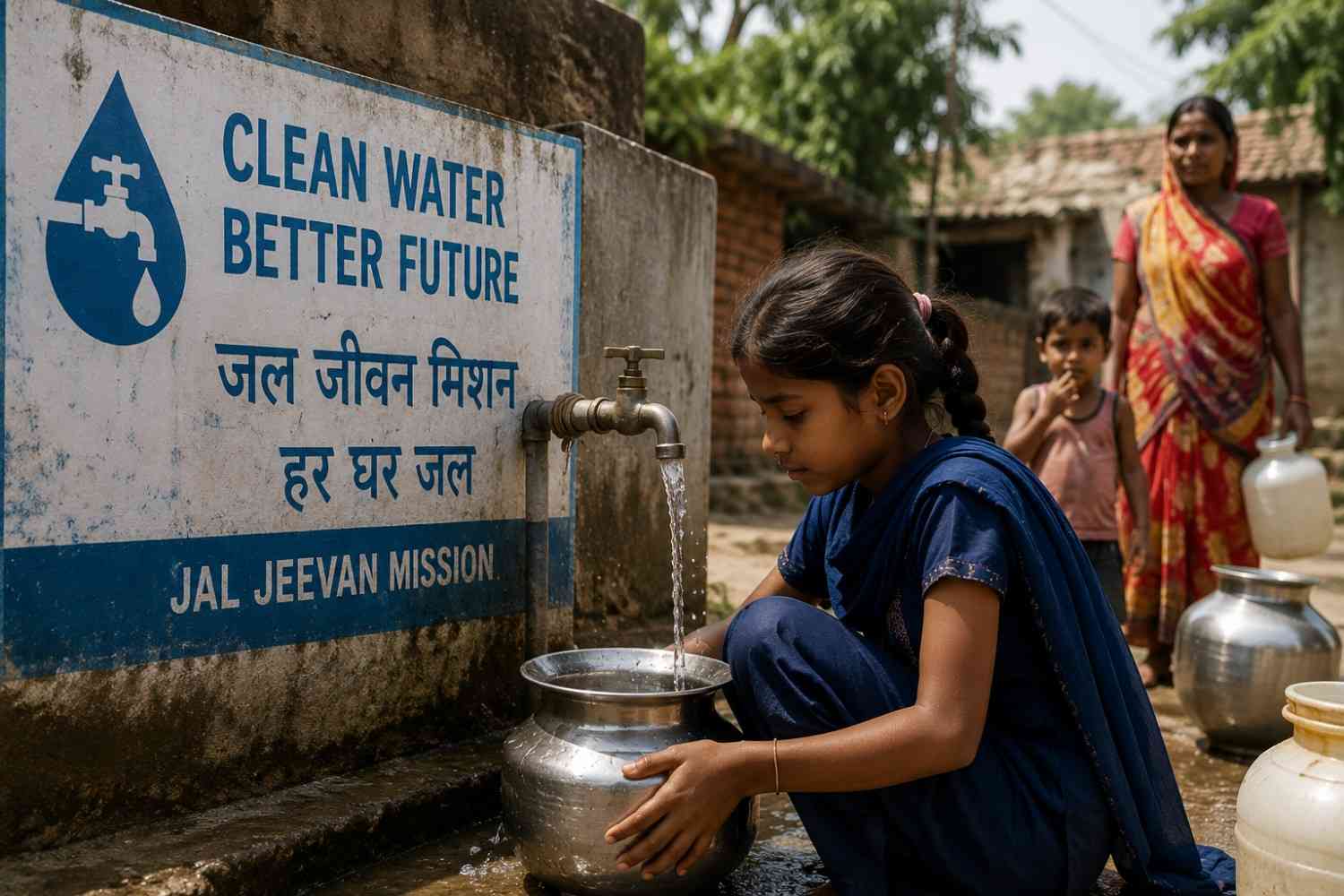
The country has made steady progress by expanding access to drinking water through the Jal Jeevan Mission, strengthening digital public infrastructure, increasing renewable energy capacity and extending healthcare coverage under Ayushman Bharat.
Despite these gains, India continues to face hurdles in expanding equitable healthcare, improving sanitation, increasing women's participation in the workforce and developing infrastructure that can withstand climate-related risks.
Experts say the HLPF is more than just an annual review of global commitments. It provides a platform for governments to showcase national progress, share successful policies and identify areas where greater international cooperation is needed.
Among the key issues expected to dominate discussions is water security.
Erratic rainfall, shrinking groundwater reserves and growing urban demand are intensifying pressure on freshwater resources in many parts of the world. Experts say governments must invest not only in expanding water supplies but also in wastewater treatment, river conservation and water-use efficiency.
Another key issue before the forum is gender equality.
Despite gains in girls' education and women's leadership, significant inequalities persist in employment, equal pay, unpaid care work and personal safety.
Experts say achieving the remaining Sustainable Development Goals will depend on ensuring that women and girls have equal access to education, healthcare, financial resources and decision-making opportunities.
Health systems are another major focus.
The COVID-19 pandemic exposed vulnerabilities in healthcare systems around the world, highlighting the need for stronger public health infrastructure, better disease surveillance, increased local production of medical supplies and universal health coverage.
Delegates are expected to explore ways to build more resilient health systems that are better prepared for future health emergencies.
Infrastructure and innovation are also expected to feature prominently in the discussions as countries work towards cleaner and more inclusive economic growth.
Investments in sustainable transport, climate-resilient cities, digital connectivity and low-carbon industries are gradually increasing as immediate priorities rather than long-term goals.
Experts also stress that innovation must reach underserved communities to ensure the benefits of development are shared more equitably.
Despite the diversity of issues on the agenda, one message continues to stand out: achieving the Sustainable Development Goals will require collective action, as no country can accomplish them alone.
Partnerships between governments, businesses, financial institutions, researchers, civil society organisations and local communities are expected to play a critical role during the final years of the 2030 Agenda. Whether it’s through technology transfer, climate finance, knowledge exchange, or capacity building, stronger global cooperation will largely determine how well countries fill the remaining development gaps.
As the forum progresses, the focus is shifting from setting ambitious targets to delivering measurable results. The next five years will be crucial in determining whether global commitments can translate into real improvements in people's lives.
For countries like India, the challenge now is to build on recent gains while ensuring that future development is inclusive, climate-resilient and environmentally sustainable.
The countdown to 2030 has entered its final stretch.
The future of the Sustainable Development Goals will be shaped not by the commitments made at international forums, but by how effectively countries turn those commitments into lasting action.
Sources:
United Nations – High-Level Political Forum on Sustainable Development (HLPF) 2026
United Nations Department of Economic and Social Affairs (UN DESA)
United Nations Sustainable Development Goals (SDGs) Knowledge Platform
UN Sustainable Development Report 2025/2026
UN Secretary-General's SDG Progress Report
NITI Aayog – SDG India Index
Ministry of Statistics and Programme Implementation (MoSPI), Government of India
Jal Jeevan Mission, Ministry of Jal Shakti
Ayushman Bharat, Ministry of Health and Family Welfare
Open-source reports and official UN HLPF session documents (7–15 July 2026)



Add a Comment