BengaluruInnovation & Urban Climate Action
Bengaluru will focus on innovation and urban climate action.
Explore City
Innovate. Include. Prevent. Conserve.
A travelling public-interest platform bringing policy, business, science, civil society, communities and young people into the same working architecture.
Four Cities, Four Imperatives: SustainVerse Takes Climate Action on the Road
From Bengaluru’s climate technologies and Kolkata’s blue livelihoods to Delhi’s pollution crisis and Pune’s energy transition, a new travelling summit series hopes to turn sustainability conversations into measurable action.
Between October and December 2026, an unusual sustainability journey is expected to travel across four Indian cities.
Bengaluru, Kolkata, Delhi and Pune will host four distinct editions of the SustainVerse Summit Series 2026—each addressing a different environmental and developmental imperative, yet connected through one national idea.
Innovate. Include. Prevent. Conserve.
The proposed series is not being positioned as another large conference where sustainability is discussed through ceremonial speeches and predictable panel conversations. Its planners describe it as a travelling public-interest platform intended to bring policy, business, science, civil society, communities and young people into the same working architecture.
The objective is to move from discussion towards city-specific commitments, investible projects, practical partnerships and measurable follow-through.
That is an ambitious promise in a sector crowded with conferences. The curiosity surrounding SustainVerse will therefore depend on one question:
Can these summits ensure that something meaningful remains after the stages are dismantled?
India’s sustainability crisis cannot be understood through one generic climate-change agenda.
Urban heat is connected with buildings, mobility, energy and water. Sanitation affects public health, rivers and livelihoods. Pollution involves industrial safety, waste, air quality and healthcare. Energy conservation concerns factories, offices, homes, transport and consumer behaviour.
The SustainVerse series attempts to reflect this complexity by giving each city its own thematic identity.
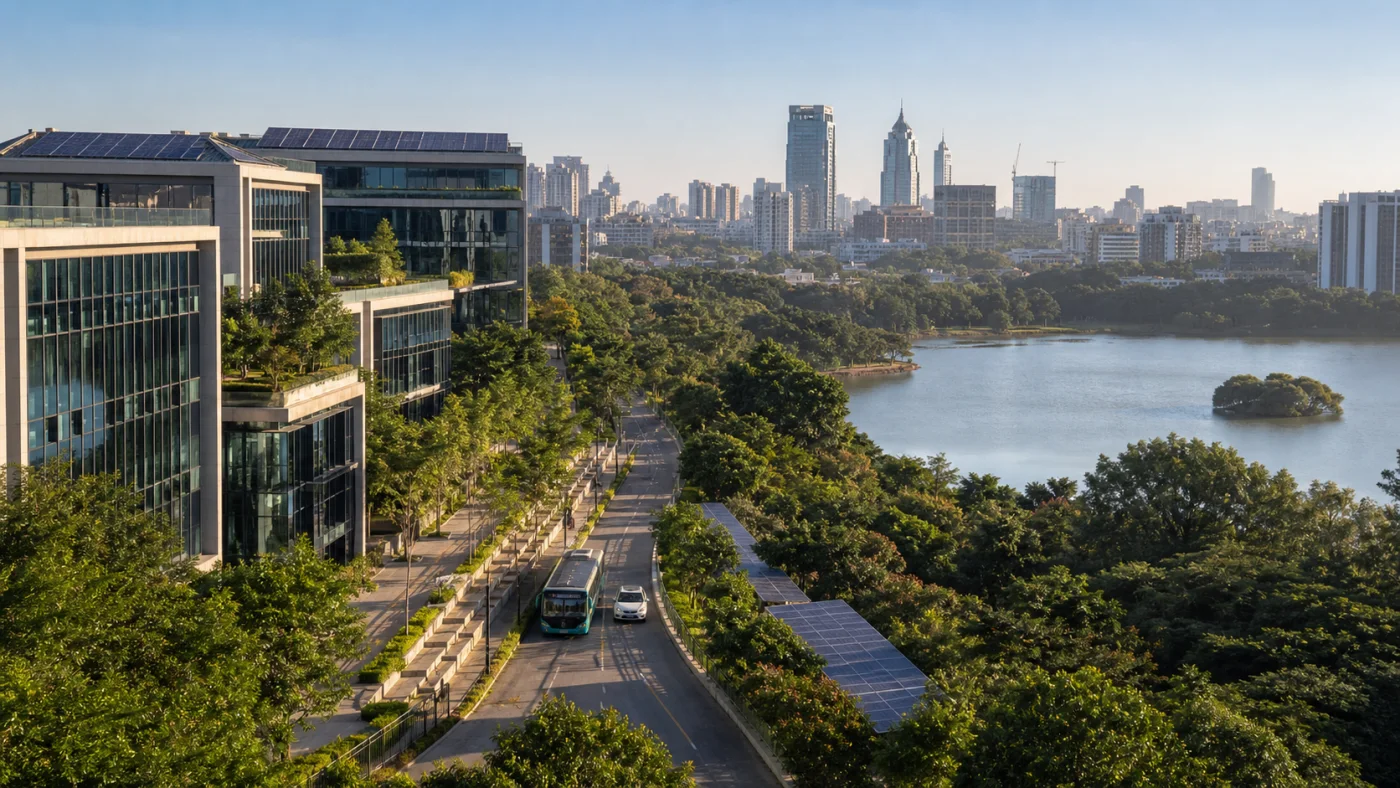
Bengaluru will focus on innovation and urban climate action.
Kolkata will connect sanitation, water, dignity, fisheries and coastal livelihoods.
Delhi will examine pollution prevention, public health and industrial responsibility.
Pune will look at energy efficiency, green manufacturing, mobility and the skills required for a lower-carbon economy.
Despite their different agendas, all four editions are expected to follow a shared programme structure consisting of leadership plenaries, action laboratories, solution showcases, youth participation, CSR–NGO and B2B meetings, recognition programmes and city declarations.
Bengaluru will focus on innovation and urban climate action.
Explore City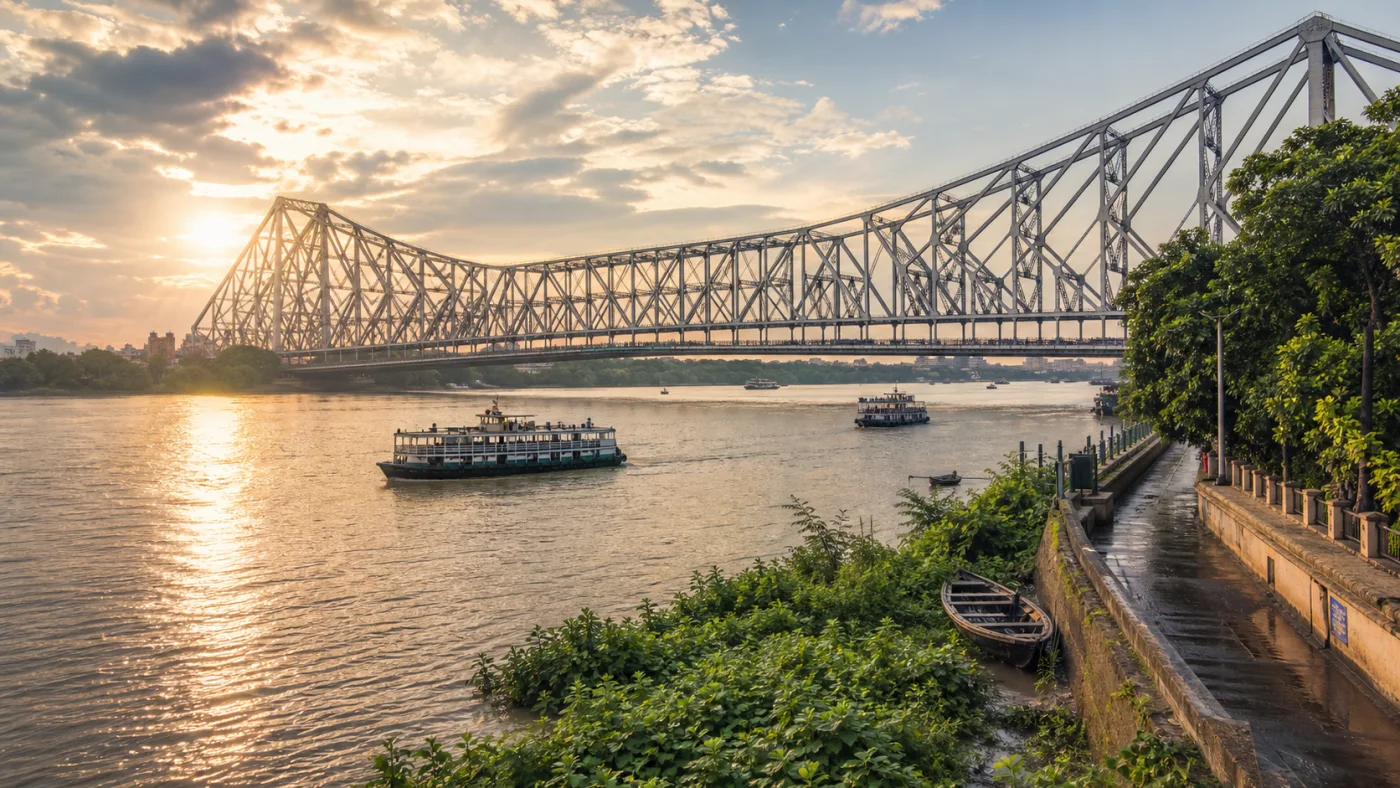
Kolkata will connect sanitation, water, dignity, fisheries and coastal livelihoods.
Explore City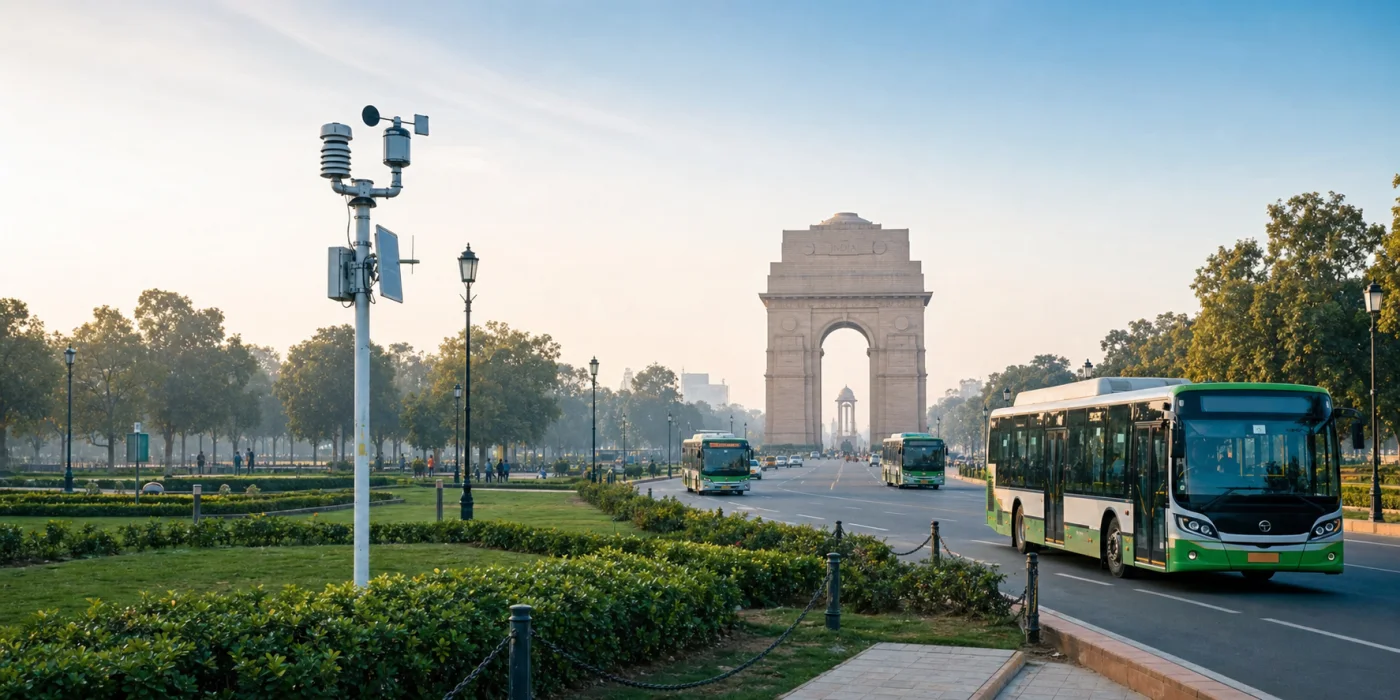
Delhi will examine pollution prevention, public health and industrial responsibility.
Explore City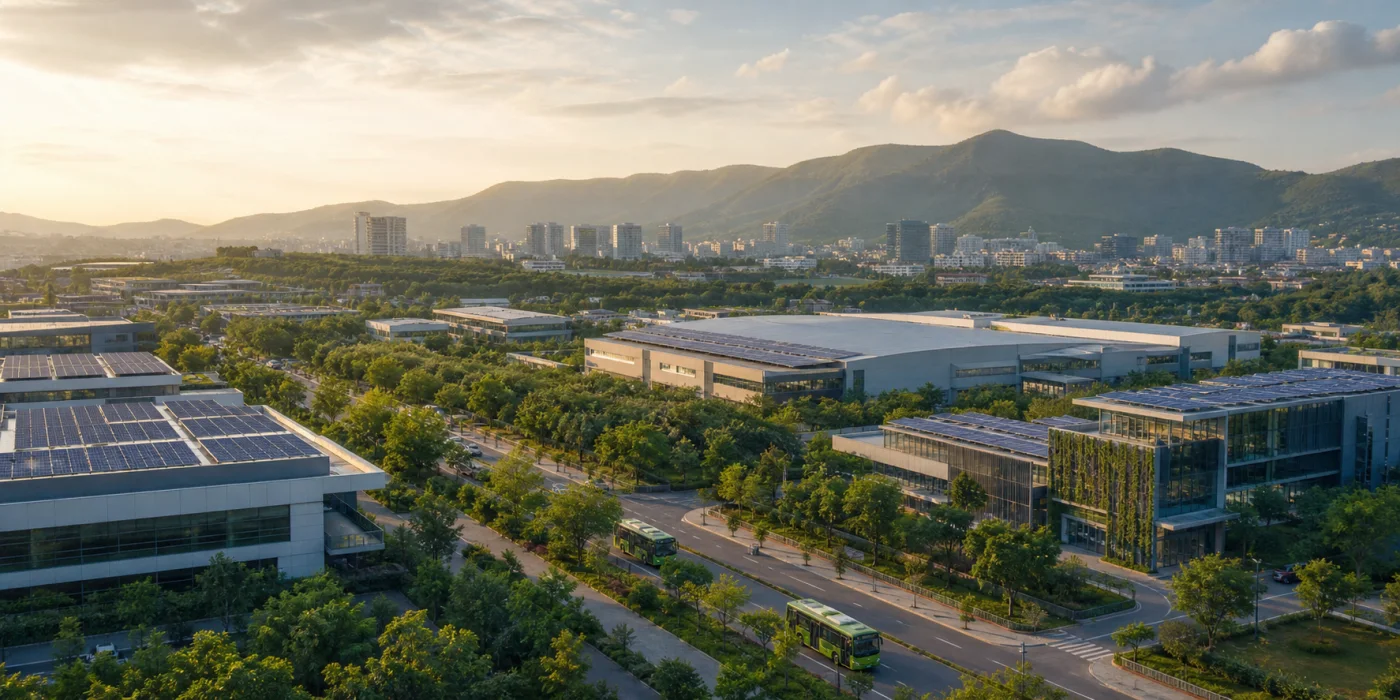
Pune will look at energy efficiency, green manufacturing, mobility and the skills required for a lower-carbon economy.
Explore City
The journey begins in Bengaluru on October 24, the International Day of Climate Action.
As India’s leading technology and startup centre, Bengaluru is an obvious location for conversations around artificial intelligence, climate data, clean mobility, circular electronics, distributed energy and urban resilience.
But the city is also an example of the environmental consequences of accelerated urbanisation. Water scarcity, stressed lakes, traffic congestion, mounting waste, urban heat and construction pressure have made Bengaluru a laboratory of both innovation and ecological vulnerability.
The summit is therefore likely to ask whether India’s technology sector can move beyond convenience and commercial efficiency to solve real urban problems.
The three-day Kolkata edition, scheduled from November 19 to 21, may become the social and emotional centre of the series.
Beginning on World Toilet Day and concluding on World Fisheries Day, it will examine sustainability through a distinctive “source-to-sea” perspective.
A school toilet, a sewer, a canal, a wetland, a river, a fish market, a mangrove forest and the Bay of Bengal may appear to be separate subjects. In reality, they form one ecological and economic chain.
Polluted wastewater damages rivers and wetlands. Degraded water systems affect fisheries, public health and food security. Declining fisheries threaten coastal livelihoods, accelerate migration and deepen social vulnerability.
The Kolkata programme is expected to begin with sanitation dignity, gender, menstrual health, school WASH, public toilets and sanitation-worker safety. The second day will focus on water security, wastewater reuse, circular sanitation and resilient communities. The final day will explore fisheries, fisherwomen, cooperatives, aquaculture, cold chains, market access, cyclones, salinity and coastal migration.
Delhi will host the third summit on December 2 and 3.
Its timing around National Pollution Prevention or Control Day—and the memory of the Bhopal gas tragedy—gives the edition a particularly serious character.
The summit proposes to examine pollution not merely as Delhi’s familiar winter smog, but as a connected crisis involving air, water, soil, waste, industrial safety, occupational health, plastics, batteries and electronic waste.
Its core argument is simple: pollution must be prevented before governments and communities are forced to manage irreversible damage.
By the time a river is biologically degraded, a landfill is burning or children are developing chronic respiratory conditions, environmental action has already arrived late.
The Delhi summit is expected to bring regulators, public-health experts, scientists, technology providers, industries, environmental lawyers, waste-worker organisations and affected communities into the same conversation.
Sensors, artificial intelligence, cleaner technologies and monitoring systems will be examined alongside questions of regulation, enforcement and corporate accountability.
The series will conclude in Pune on December 14 and the morning of December 15, aligned with National Energy Conservation Day.
Pune’s combination of manufacturing, automotive industries, research institutions, universities and startups makes it a natural setting for discussions on efficiency and industrial transition.
Energy conservation is often described as the “first fuel” because the cheapest and cleanest unit of energy is frequently the one that does not need to be consumed.
The Pune summit is expected to take this idea beyond familiar appeals to switch off lights. It will examine industrial energy audits, electrification, renewable power, storage, cooling, buildings, mobility, batteries, charging infrastructure, consumer technology and product longevity.
It will also address the human side of transition: green skills, employment and the preparation of students for emerging sustainability careers.
The strongest feature of the series may not be its speeches but its proposed mix of participants.
Policymakers, companies, scientists, startups, NGOs, community representatives and young people often work on the same problems without meaningfully meeting one another.
An NGO may possess community trust but lack access to CSR decision-makers. A startup may have a promising technology but no pilot opportunity. A corporation may have sustainability funds but struggle to identify credible implementation partners. A researcher may possess vital evidence that does not influence policy.
SustainVerse plans to address these gaps through solution showcases, project clinics, CSR–NGO matchmaking, B2B meetings, youth challenges and action laboratories.
Across four cities, the series aims to engage more than 250 organisations and 120 speakers and moderators, showcase at least 50 solutions and produce four city-level outcome documents leading to a national climate-action compendium.
These remain proposed targets, not established achievements. Their value will depend on execution, representation, transparency and post-event tracking.
The four physical summits together cover approximately seven-and-a-half days. The wider initiative, however, is planned as a 100-day national campaign running from September through December.
Interviews, explainers, city stories, short videos and solution profiles are expected before the events. Charters, reports, aftermovies, project banks and a national compendium are intended to extend their life afterwards.
Bengaluru will ask technology to become useful.
Kolkata will insist that sustainability include dignity and livelihoods.
Delhi will demand prevention before environmental damage becomes irreversible.
Pune will show why conservation is central to competitiveness and transition.
The cities are ready. The questions have been framed.
What remains to be seen is who enters these rooms—and what they are prepared to do after leaving them.
Let’s co-create solutions. Let’s build a sustainable India.