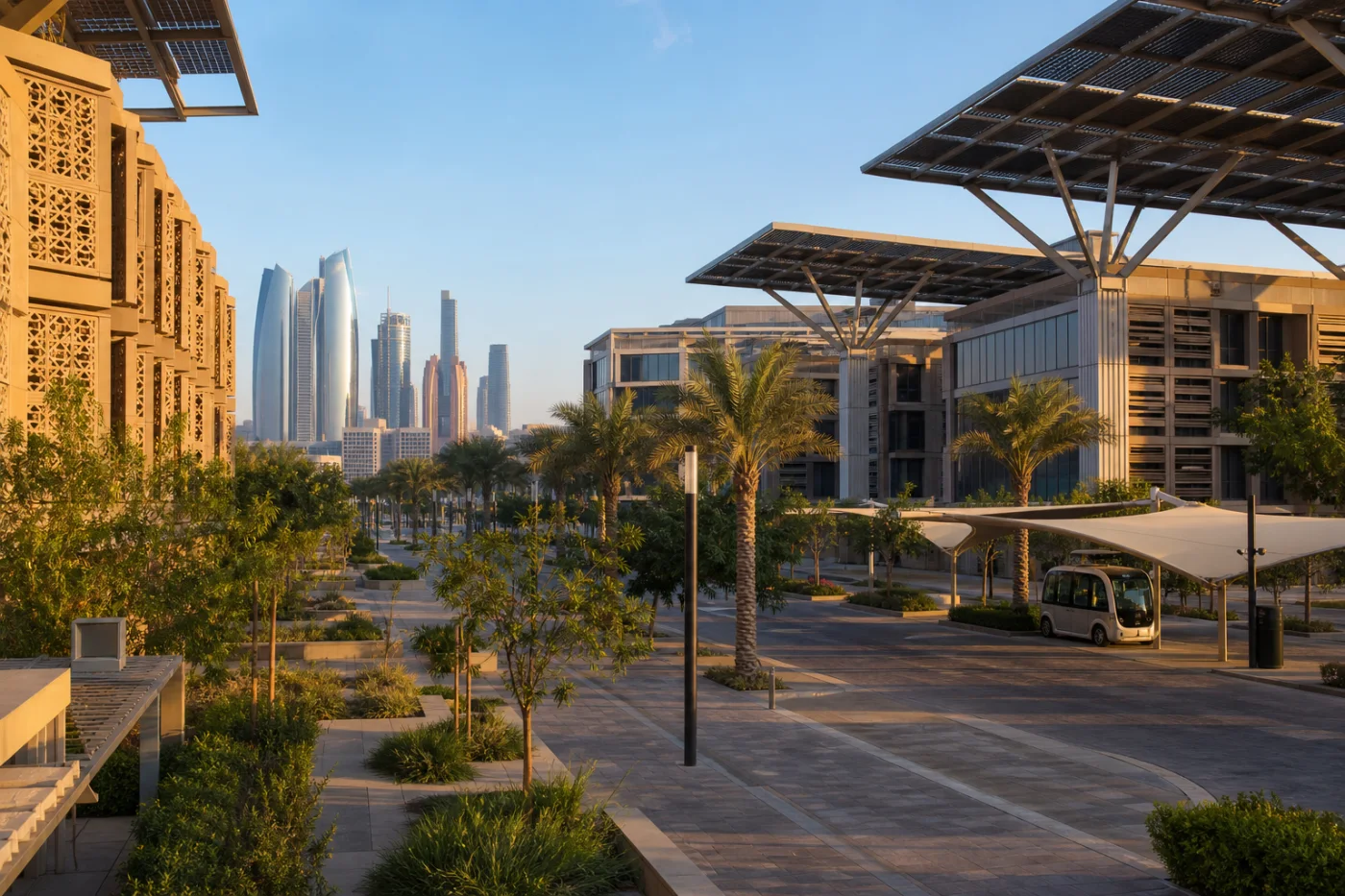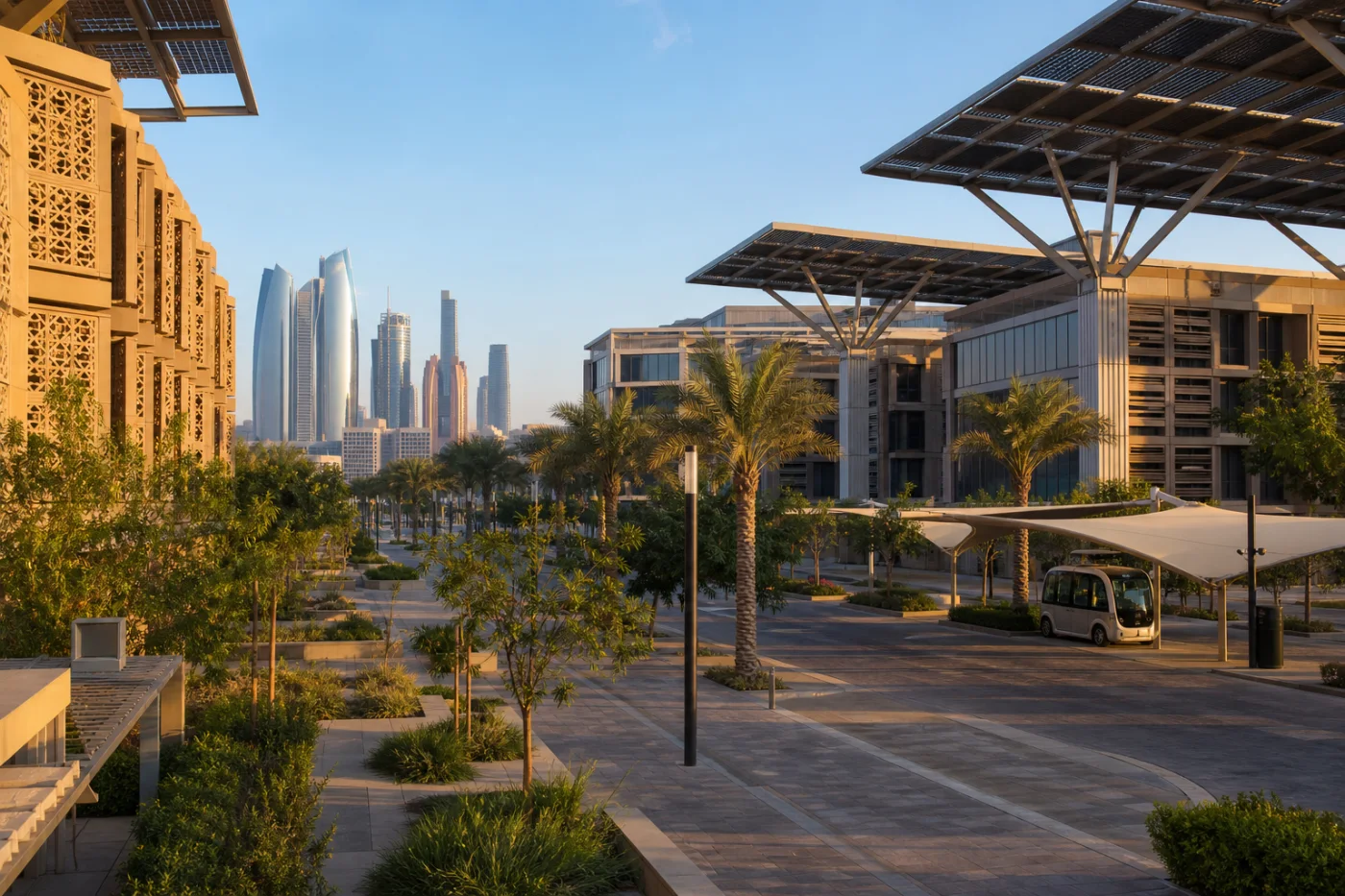
Abu DhabiClean Energy • Climate Diplomacy • Future Cities
Abu Dhabi and Masdar City naturally evoke clean energy, climate diplomacy, sustainable urbanism and the future of desert cities.
Explore Emirate
Desert Futures.
Inclusive Societies.
Living Wildlife. Living Soil.
Planned for January 2027, the UAE Sustain Summit is taking shape as something more ambitious than another conference on climate pledges. It seeks to connect policy with projects, capital with credible solutions, corporations with communities—and the UAE with a wider West Asian and Indian sustainability ecosystem.
Why the UAE Sustain Summit Could Become West Asia’s New Green Meeting Ground
There is no shortage of sustainability conferences today. Hotel ballrooms fill with familiar terminology: net zero, ESG, circularity, resilience, green finance and climate innovation. Leaders speak, panels conclude, photographs travel across social media—and too often, the real work remains where it was before the microphones were switched off.
The UAE Sustain Summit, being planned by SustainVerse for January 2027, is attempting to break that pattern.
Its ambition is not merely to gather experts under one roof, but to build a living platform across sectors and locations. The proposed summit is imagined as a compact, high-impact journey through the UAE’s sustainability landscape, bringing together government representatives, corporate ESG leaders, investors, scientists, universities, start-ups, non-profits, grassroots practitioners, young people and media professionals.
Its proposed public spirit—“Desert Futures, Inclusive Societies, Living Wildlife, Living Soil”—makes an important declaration: sustainability is not only about emissions. It is also about cities, dignity, biodiversity, food, livelihoods and human participation.
One of the most intriguing ideas in the current plan is its departure from the conventional single-venue conference. Rather than keeping delegates enclosed in one exhibition centre or luxury hotel, the UAE Sustain Summit is being conceived as a multi-emirate experience, with thematic chapters connected to the strengths of different locations.
Abu Dhabi and Masdar City naturally evoke clean energy, climate diplomacy, sustainable urbanism and the future of desert cities. Sharjah brings education, culture, research and social inclusion into the frame. Fujairah opens a conversation around mountains, coasts, wildlife and nature-positive development. Dubai offers the commercial energy, international connectivity and visibility required for a culminating marketplace, awards platform and regional network.
This architecture matters. Climate action does not occur in an abstract hall. It happens in cities, industrial systems, coastlines, farms, schools, workplaces and communities. By moving across the UAE, the summit can turn place itself into storytelling.
The planning documents describe the experience as a “curated UAE-wide sustainability journey”, with every chapter expected to produce an action output, potential partnership, pilot idea or knowledge document.
Abu Dhabi and Masdar City naturally evoke clean energy, climate diplomacy, sustainable urbanism and the future of desert cities.
Explore Emirate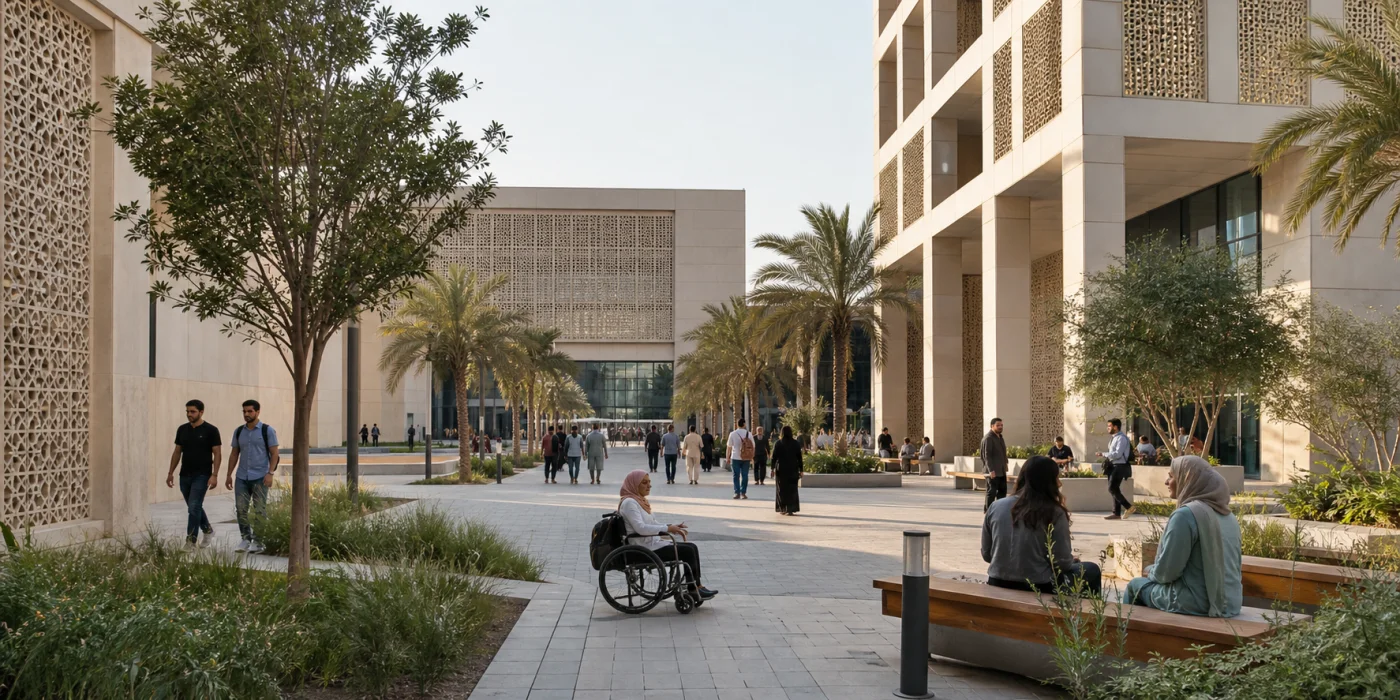
Sharjah brings education, culture, research and social inclusion into the frame.
Explore Emirate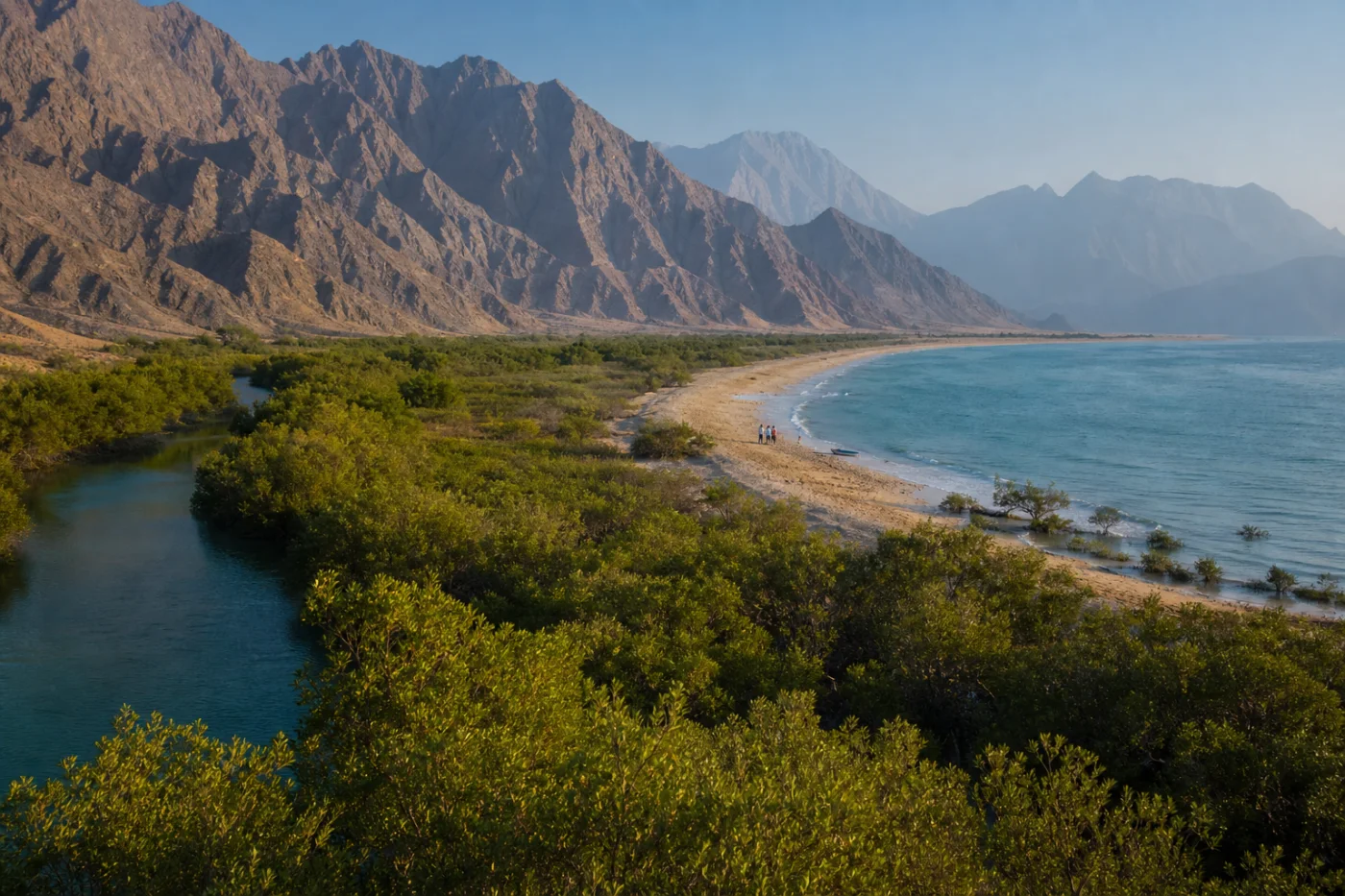
Fujairah opens a conversation around mountains, coasts, wildlife and nature-positive development.
Explore Emirate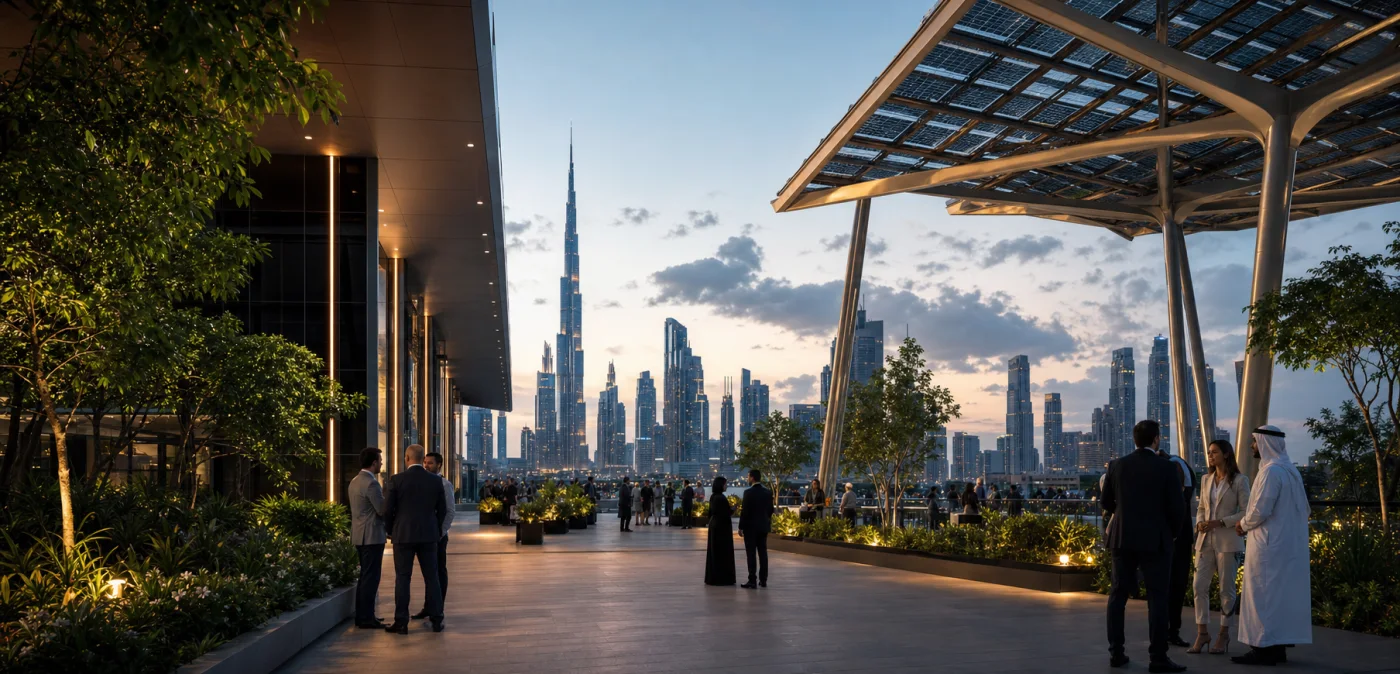
Dubai offers the commercial energy, international connectivity and visibility required for a culminating marketplace, awards platform and regional network.
Explore Emirate
The first is the future of sustainable cities. In one of the world’s most rapidly urbanising and climate-exposed regions, the question is urgent: can desert cities become global laboratories for resilience?
That means going beyond iconic green architecture to discuss heat mitigation, passive design, low-carbon construction, water efficiency, district cooling, clean mobility, circular waste systems, affordability and liveability.
The second lens is social sustainability, particularly disability inclusion. The summit plans to place People of Determination at the centre of the social pillar of ESG.
This moves the subject beyond charity towards rights, dignity, accessible infrastructure, inclusive education, employment, assistive technology, procurement and representation. Accessibility is not a side session; it is a measure of whether development is genuinely sustainable.
The third lens is nature-positive growth. Wildlife conservation is often separated from economic discussions, but the summit aims to place biodiversity on the business agenda. Coastal resilience, mountain ecology, mangroves, responsible tourism, citizen science and corporate biodiversity disclosure may all find space within this track.
The fourth is perhaps the least glamorous and most fundamental: soil.
The proposed programme treats soil as climate infrastructure, connecting it with water scarcity, salinity, carbon storage, microbes, composting, biochar, food-waste circularity, biosaline agriculture, urban farming, agritech and regional food security.
Together, these themes make a wider argument: sustainability cannot be reduced to carbon accounting. A net-zero future that is inaccessible, nature-depleted, food-insecure or socially unequal is not sustainable.
The summit’s real test will be whether it can convert conversation into commitment.
Current plans call for each major session to balance public authorities, corporate leaders, civil society representatives, academics, case-study presenters and people with lived experience. Structured interaction is intended to prevent panels from becoming ceremonial monologues.
Desired outputs include action notes, pilot discussions, partnership leads, corporate commitments, media assets and follow-up content.
This model could become one of the summit’s strongest features. Sustainability debates are frequently weakened by silos.
Corporations discuss targets without communities. Activists raise urgent concerns without access to capital. Scientists produce evidence that struggles to reach decision-makers. Start-ups demonstrate solutions but cannot enter procurement systems. Governments announce policies but require implementation partners.
A useful summit must place these actors in the same room—and give them a reason to meet after the session ends.
The programme may therefore include curated networking, case-study theatres, buyer-seller meetings, problem statements from large organisations, innovation showcases, investor interactions and institutional pledges.
One proposed device is a digital commitment wall where organisations record a pilot, grant, research collaboration, data-sharing initiative, youth programme or project follow-up rather than offering vague declarations of support.
The exhibition is also being designed differently. Instead of pursuing size for its own sake, the plan favours a curated sustainability marketplace.
Potential showcases include clean energy, smart mobility, green buildings, assistive technology, inclusive employment, wildlife conservation, biodiversity data, soil health, composting, biochar, agritech, sustainable food, university research, youth innovation, ESG reporting, climate finance and credible grassroots projects.
Indian sustainability solutions for West Asian markets are expected to form a visible part of this mix.
A stall should not merely distribute brochures. It should demonstrate a verified solution, display measurable results, identify a problem and connect with a possible buyer, investor, partner or sponsor.
The summit also plans to make room for organisations unable to afford premium exhibition fees. Shortlisted grassroots and non-profit initiatives may receive free or subsidised space, while recognised projects could be represented through an impact wall, digital profile, short video and QR-linked story.
Such choices would protect the event from becoming a gathering where only the largest marketing budgets are visible.
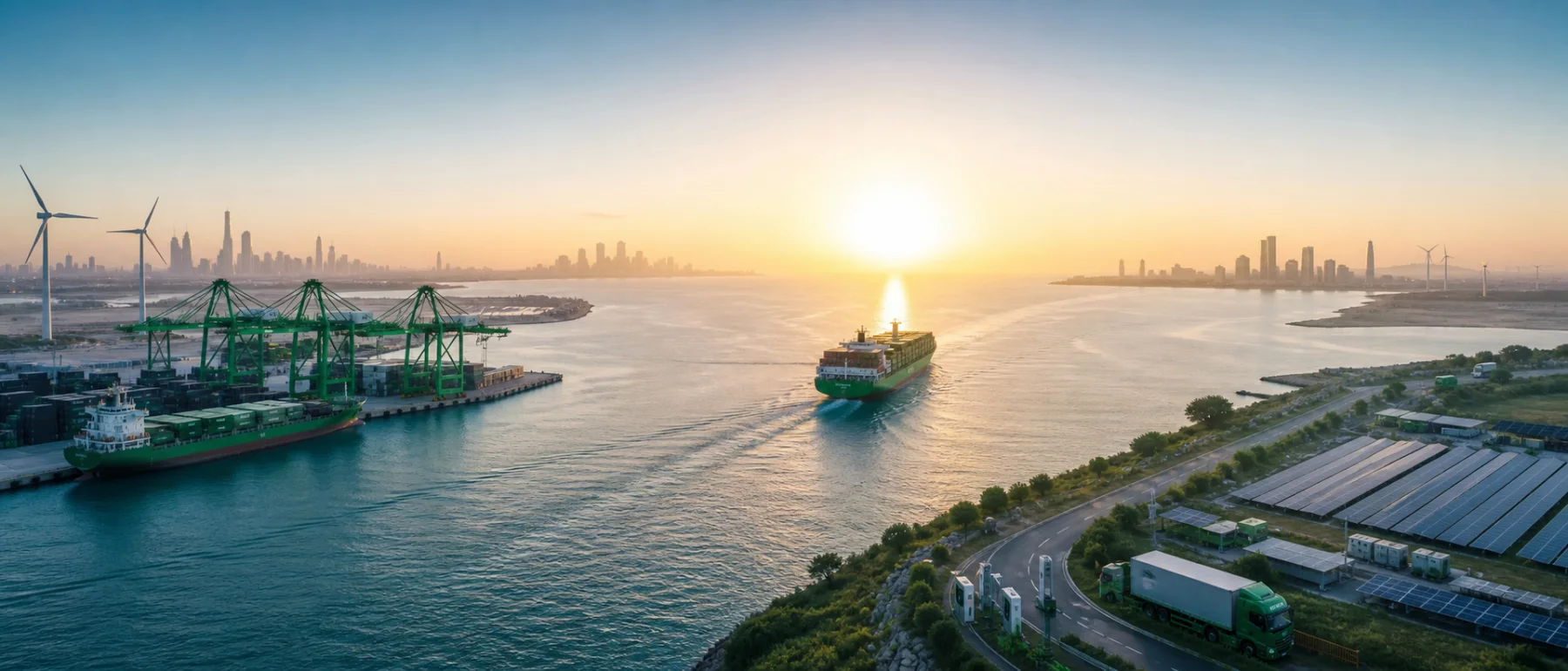
A major strategic layer is the proposed India–UAE and wider West Asia bridge.
India offers scale, talent, manufacturing capacity, digital systems, social innovation and a vast landscape of CSR-supported development. The UAE offers capital, global connectivity, sophisticated infrastructure, policy momentum and access to West Asian markets.
SustainVerse’s wider blueprint positions India as a scale-and-compliance engine and the UAE as a capital-and-commercial hub. The proposed ecosystem would connect Indian start-ups and impact projects with UAE investors while bringing finance, expertise and market access in the other direction.
At the summit, this corridor could come alive through green-technology showcases, procurement discussions, university partnerships, CSR collaborations, research exchanges, investor meetings and joint pilot projects.
Indian organisations working in renewable energy, digital ESG, sustainable agriculture, sanitation, disability inclusion, biodiversity, education and rural development could find a serious regional platform. UAE organisations, meanwhile, could discover credible partners capable of taking tested models to scale.
Done well, this could become a gateway linking South Asian innovation with West Asian ambition.
The proposed SustainVerse West Asia Sustainability Awards are expected to provide the summit’s ceremonial high point—but the organisers appear conscious of the danger of “pay-to-win” recognition.
The award architecture under consideration includes multiple levels of recognition across sectors and themes, supported by a four-stage process: application, desk assessment, verification of shortlisted entries and deliberation by a grand jury.
The intention is to reward measurable impact and guard against greenwashing, rather than recognise the organisation with the most polished nomination document.
Criteria being considered include impact, innovation, inclusion, scalability, governance, transparency and learning value. This could give smaller but rigorous initiatives a fairer chance alongside large corporations.
More importantly, the awards are conceived as the beginning of visibility, not its end. Nominees and winners may feed into case studies, films, interviews, publications, ratings, training programmes and future investment conversations.
The summit sits within a much larger SustainVerse vision.
SustainVerse describes itself not as a single portal or events company but as an integrated media, knowledge and business ecosystem built around content, community, certification, commerce and capacity-building.
Its proposed verticals include a digital portal, podcasts, social media, summits, awards, the Sustainability Impact Excellence Rating system, online radio, publications, green e-commerce, professional education and, ultimately, a green impact fund.
The logic is a flywheel: credible stories build an audience; the audience becomes a community; the community generates events, knowledge and data; evidence supports ratings and recognition; ratings build trust for commerce and investment; and revenues strengthen the content ecosystem.
The summit is therefore not intended to disappear after its closing dinner.
Its conversations can become reports, podcasts and films. Exhibitors can become marketplace participants. Award finalists can become case studies. Start-ups can enter investment pipelines. Delegates can become members of a year-round West Asia network.
The documents explicitly frame this sequence as content leading to audience, community, authority, certification, commerce and education.
Much remains under development: locations, institutional partnerships, speakers, sponsors, jury members, exhibitors and the final programme architecture. That incompleteness is part of the anticipation.
What is already visible is an unusually expansive idea.
The UAE Sustain Summit wants to discuss the climate crisis without forgetting human dignity; celebrate innovation without surrendering to greenwashing; welcome corporate capital without excluding grassroots voices; and create regional visibility without becoming another transient spectacle.
It seeks to make sustainability practical enough for a business leader, credible enough for a scientist, inclusive enough for a community organisation, attractive enough for an investor and compelling enough for the next generation.
In January 2027, the sector may not simply gather for another summit. It may witness the first chapter of a new sustainability network—one that travels across the UAE, connects India with West Asia, turns stories into solutions and insists that every conversation must lead somewhere.
For sustainability professionals, corporations, investors, universities, innovators and changemakers, that makes the UAE Sustain Summit a date—and a developing story—worth watching.
Partnership conversations are now open.
Discuss partnershipPartnership conversations are now open.
Discuss partnershipPartnership conversations are now open.
Discuss partnershipPartnership conversations are now open.
Discuss partnershipLet’s co-create solutions that connect the UAE, West Asia and India.