Human civilization has reached a decisive moment.
For centuries, progress was measured by how much we could produce, construct, consume and control. Forests became timber. Rivers became resources. Land became real estate. Human beings became workers, consumers and data points. Economic growth became more important than ecological balance, and speed often became more important than wisdom.
That model of progress has brought extraordinary scientific and technological advances. But it has also produced polluted air, poisoned water, exhausted soil, disappearing species, crowded cities, climate anxiety, lifestyle diseases, social isolation and widening inequality.
The great challenge before humanity is no longer simply how to grow.
It is how to grow without destroying the foundations of life.
Sustainability is therefore not a fashionable idea, a specialised environmental subject or an optional corporate activity. It is the most important civilizational principle for the future. It is the discipline of meeting human needs without stealing resources, health and opportunities from future generations.
Sustainability asks a fundamental question:
Can we live well without making the planet, society or ourselves unwell?
The answer to that question will shape the future of humanity. And SustainVerse will bring you this answer in myriad ways, every day, through words and visuals, videos and audios, learning and action, stories and advice, in every possible form.
Sustainability Begins with the Human Body
A sustainable civilization must begin with sustainable human beings.
Modern life is increasingly characterised by processed food, disturbed sleep, long working hours, screen addiction, physical inactivity and constant psychological pressure. Many people are materially connected but emotionally exhausted. They possess more devices, yet experience less peace. They have access to more information, but struggle to find meaning.
Sustainable living restores balance.
It encourages nutritious and locally available food, regular movement, adequate rest, preventive healthcare, clean surroundings and a healthier relationship with technology. It values moderation over excess and well-being over endless consumption.
Physical health cannot be separated from environmental health. Polluted air damages the lungs. Contaminated water spreads disease. Chemical-heavy food affects the body. Extreme heat increases cardiovascular and occupational risks. Noise pollution disturbs sleep and mental stability.
A healthy person requires a healthy habitat.
Mental and Emotional Sustainability Matter
Human beings cannot live permanently in a state of competition, comparison and anxiety.
A sustainable life creates space for reflection, relationships, community, creativity and emotional recovery. It recognises that mental health is not merely an individual medical issue. It is influenced by the way our cities, workplaces, schools, digital platforms and social systems are designed.
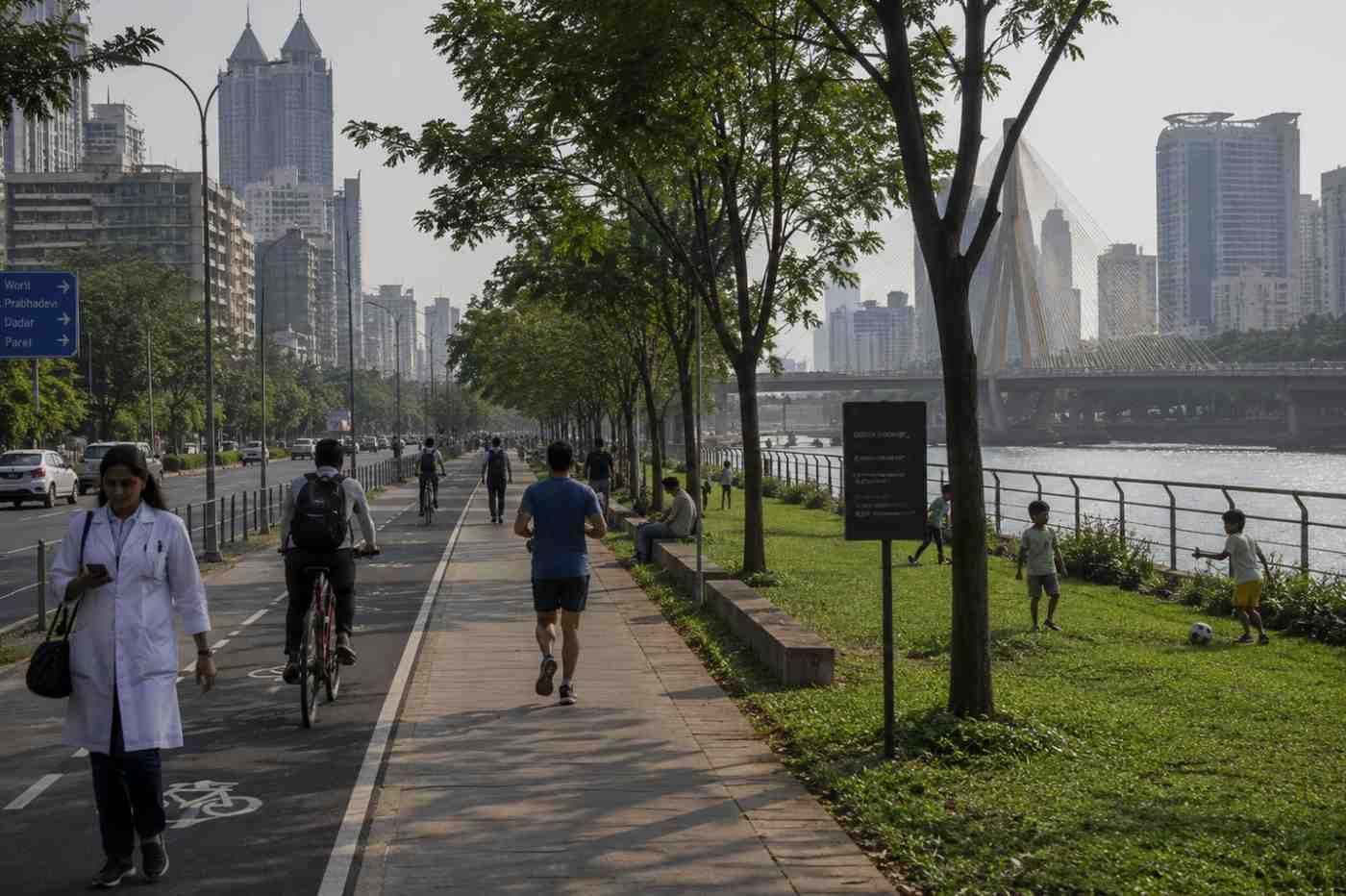
Green spaces, walkable neighbourhoods, meaningful work, supportive communities and access to art and nature can improve emotional well-being. A society that protects time, dignity and human relationships is more sustainable than one that only maximises productivity.
Emotional sustainability also means learning to live with empathy. It requires us to care about people whom we may never meet and generations that have not yet been born.
Sustainability is, ultimately, an act of responsibility and compassion.
Ecological Preservation Is Human Preservation
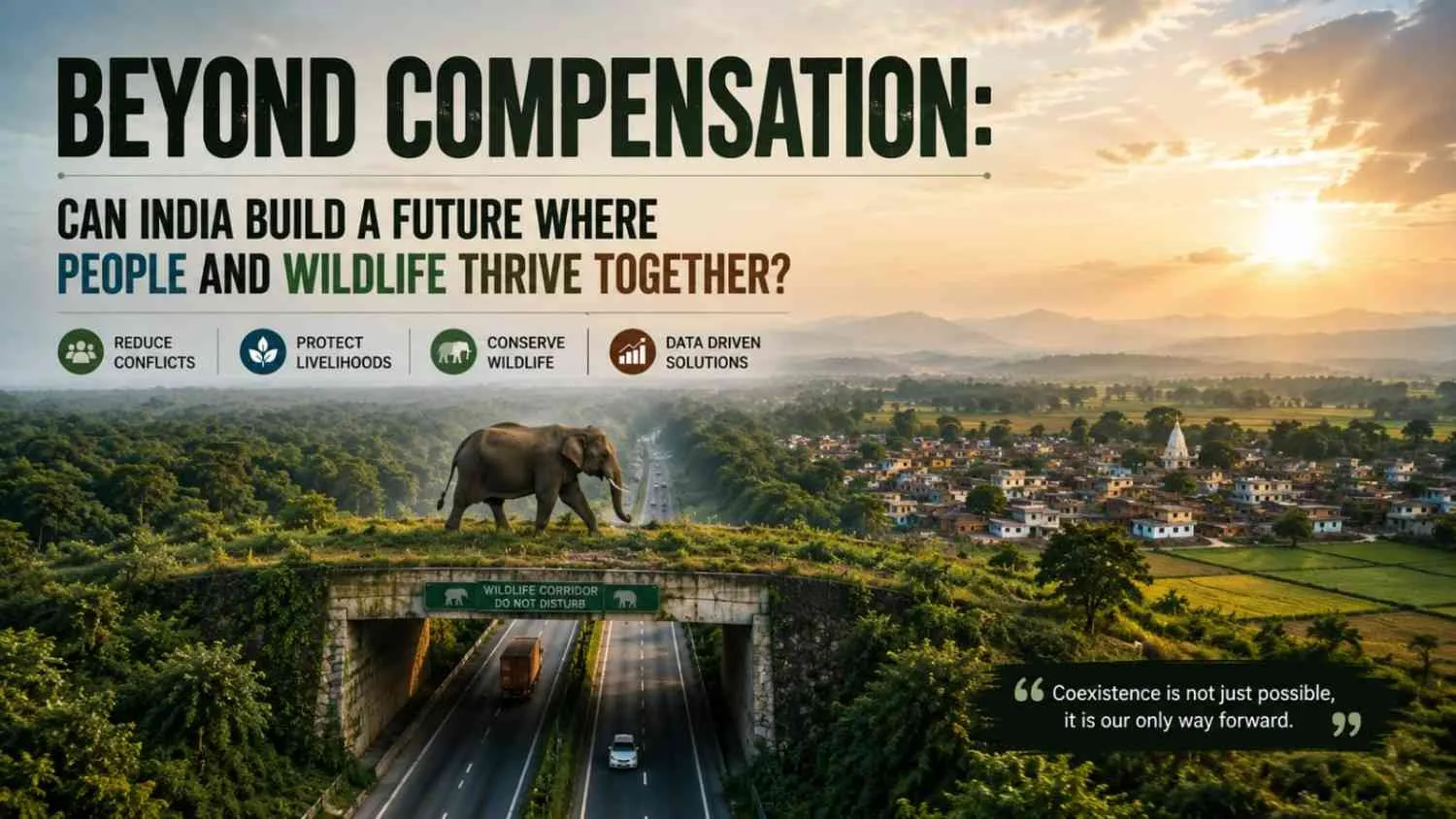
Forests, rivers, wetlands, oceans, mountains, grasslands and mangroves are not decorative features of the planet. They are living systems that protect and sustain civilization.
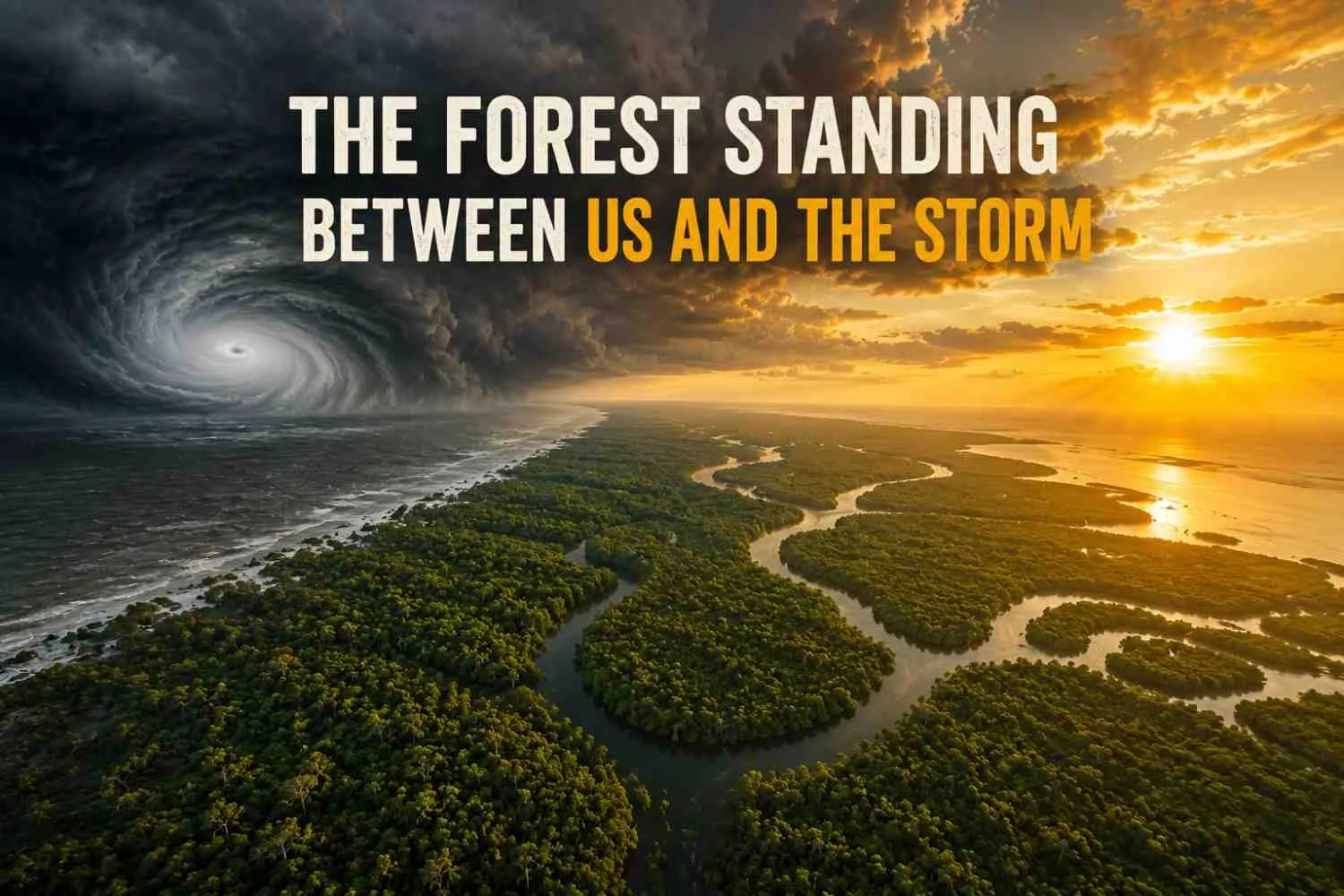
Forests regulate climate and support biodiversity. Wetlands absorb floods. Mangroves protect coastlines from storms. Healthy soil produces nutritious food. Rivers sustain agriculture and settlements. Oceans regulate weather and support millions of livelihoods.
When ecosystems collapse, economies and societies collapse with them.
Ecological preservation must therefore move from the margins of policymaking to its centre. Development projects must be evaluated not only by the roads, buildings or revenue they generate, but also by the forests, water systems, communities and biodiversity they affect.
Human beings are not outside nature. We are part of nature.
To protect ecology is not to oppose development. It is to protect the conditions under which development can continue.
Education Must Teach Us How to Live
The education system of the future cannot remain limited to examinations, degrees and employment.
Learners must understand climate change, biodiversity, water, energy, food systems, waste, health and responsible consumption. Sustainability must not be treated as one chapter in a textbook. It must become a way of learning and living.
Schools and universities can become living laboratories of sustainability through rainwater harvesting, renewable energy, waste segregation, biodiversity gardens, local food systems, repair workshops and community projects.
Students should learn not only how to solve equations, but also how to solve real problems. They should learn to observe nature, work with communities, question wasteful practices and design responsible alternatives.
Better learning practices are experiential, interdisciplinary and connected to life. They develop curiosity, cooperation, resilience and ethical judgment.
Education must prepare young people not merely to enter the existing world, but to improve it.
Mobility Must Move People, Not Pollution
Transport is essential to modern civilization, but poorly designed mobility systems damage health, climate and quality of life.
Cities cannot remain dependent on endless private vehicles, congested roads and fossil fuels. Sustainable mobility requires reliable public transport, safe walking paths, cycling infrastructure, shared mobility, cleaner fuels and appropriately designed electric transportation.
The goal should not simply be to replace every petrol vehicle with an electric vehicle. The deeper goal must be to reduce unnecessary travel, shorten distances between homes and workplaces, improve public transport and design cities around people rather than automobiles.
Sustainable mobility saves fuel, lowers emissions, reduces noise, improves public health and gives citizens more time.
A good city is not one where the wealthy move rapidly in private cars while others struggle. It is one where every person can move safely, affordably and with dignity.
Clean Air, Water and Food Are Fundamental Rights
No society can call itself advanced when its citizens must purchase clean air, depend on tankers for water or worry about toxins in everyday food.
Sustainability demands that clean air, safe water and nutritious food be treated as public priorities.
Cleaner energy and transport can reduce air pollution. Watershed protection, wastewater treatment, rainwater harvesting and responsible groundwater use can strengthen water security. Regenerative agriculture, reduced chemical dependence, crop diversity and shorter supply chains can improve food quality.
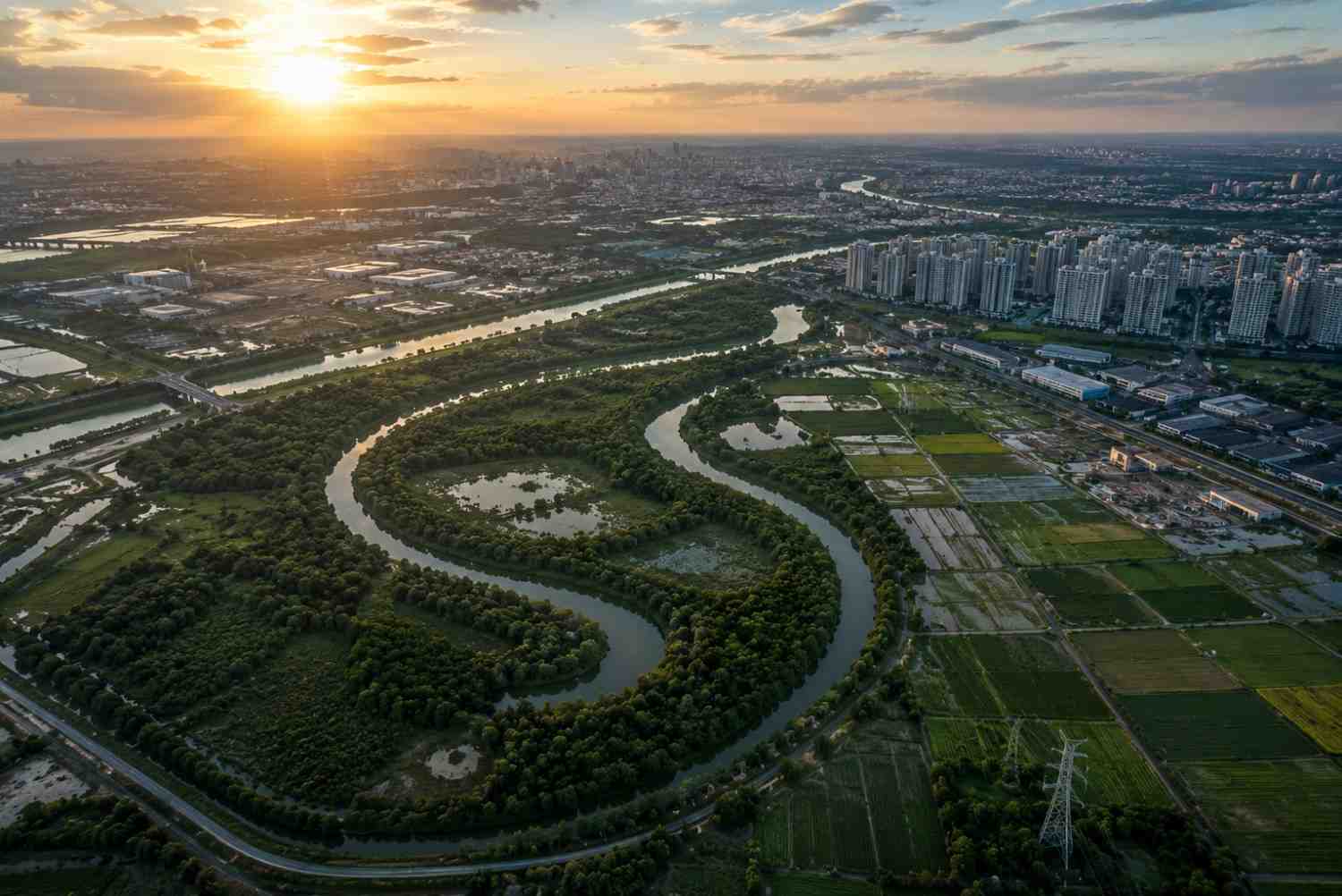
Food systems must also become fairer. Farmers should receive dignity and viable incomes. Consumers should receive safe and nutritious food. Nature should not be forced to bear the hidden cost of excessive chemical use, packaging, transportation and waste.
Every breath, every glass of water and every meal connects human life to ecological systems.
Sustainability Can Enrich Art and Culture
Sustainability is not only about survival. It is also about beauty.
Art, architecture, fashion, design, cinema, music and public culture can help people imagine a more harmonious civilization. Natural materials, local traditions, climate-sensitive architecture and indigenous knowledge can inspire contemporary creativity.
Aesthetic sustainability does not mean rejecting modernity. It means creating beauty without waste, exploitation or ecological destruction.
Art can transform sustainability from a technical conversation into an emotional experience. A painting can make a forest loss visible. A film can humanise a climate disaster. A song can unite a community. A well-designed public space can restore dignity and belonging.
Culture teaches us what to admire, celebrate and desire. When culture glorifies excess, waste grows. When culture celebrates care, balance, craftsmanship and connection with nature, sustainable living becomes aspirational.
The future must not only be greener. It must also be more beautiful.
Healthcare Must Move from Treatment to Prevention
Modern medicine has achieved remarkable success, but healthcare systems are increasingly burdened by diseases linked to pollution, stress, sedentary lifestyles and unhealthy food.
Sustainable healthcare begins before a patient enters a hospital.
It includes clean surroundings, nutritious food, preventive screening, physical activity, mental health support and public awareness. Hospitals themselves can reduce waste, improve energy efficiency, conserve water, manage biomedical materials responsibly and adopt greener procurement systems.
Technology can expand access through telemedicine, remote diagnosis and better data systems. But technology must remain humane, affordable and inclusive.
A sustainable healthcare system does not merely treat disease. It creates the conditions in which fewer people fall ill.
Sustainable Business Is Better Business
The business world is discovering that sustainability is not charity. It is strategy.
Companies depend on stable supplies of water, energy, materials, labour and social trust. Climate disruption, resource scarcity, pollution, fragile supply chains and community conflict create direct business risks.
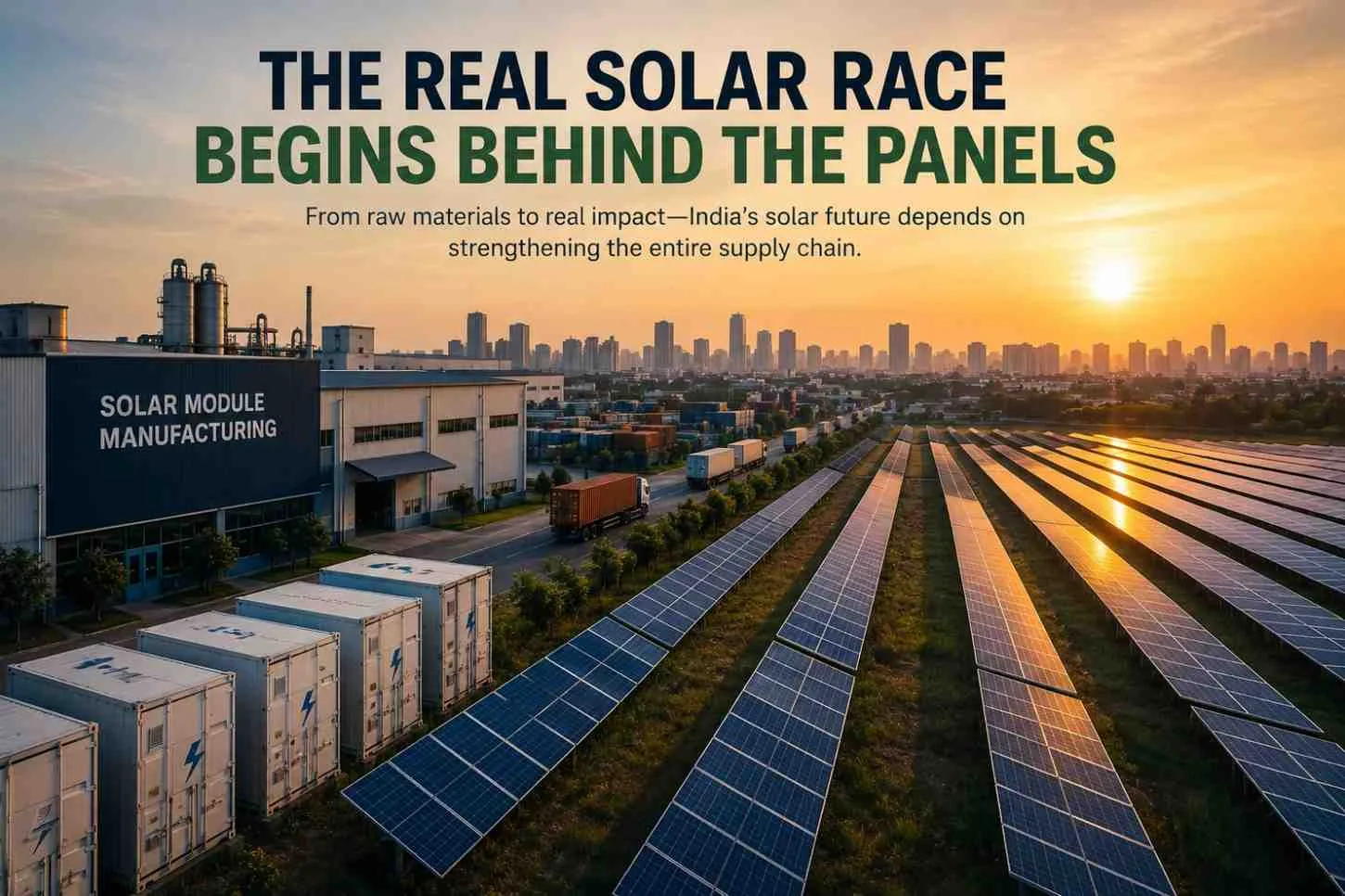
Sustainable businesses use resources efficiently, reduce waste, design durable products, protect workers and build responsible supply chains. They invest in renewable energy, circular production, ethical sourcing and innovation.
They do not merely ask, “How much profit can we make?”
They also ask, “How is that profit being made, and what does it leave behind?”
The businesses that understand sustainability will gain consumer trust, attract talent, reduce long-term costs and remain resilient in a changing world. Those that ignore it may find their technologies outdated, their supply chains disrupted and their reputations damaged.
Sustainability is not against enterprise. It is the foundation of responsible and lasting enterprise.
Stability Is More Valuable Than Reckless Speed
Civilizations often become vulnerable when they pursue growth faster than their ecological and social systems can sustain.
Unsustainable progress creates temporary prosperity and permanent damage. It can increase production while reducing soil fertility. It can expand cities while destroying water bodies. It can raise incomes while worsening health. It can build infrastructure while displacing communities and weakening ecosystems.
Real progress must be stable, inclusive and regenerative.
It must create jobs without degrading workers. It must expand infrastructure without destroying natural protection systems. It must increase prosperity without concentrating all benefits in a few hands.
Sustainability provides civilization with resilience—the capacity to absorb shocks, recover from disasters and adapt to change.
A sustainable society may sometimes move more carefully. But it moves with greater certainty.
From Extracting to Regenerating
The next stage of civilization must move beyond reducing harm.
We must begin repairing what has been damaged.
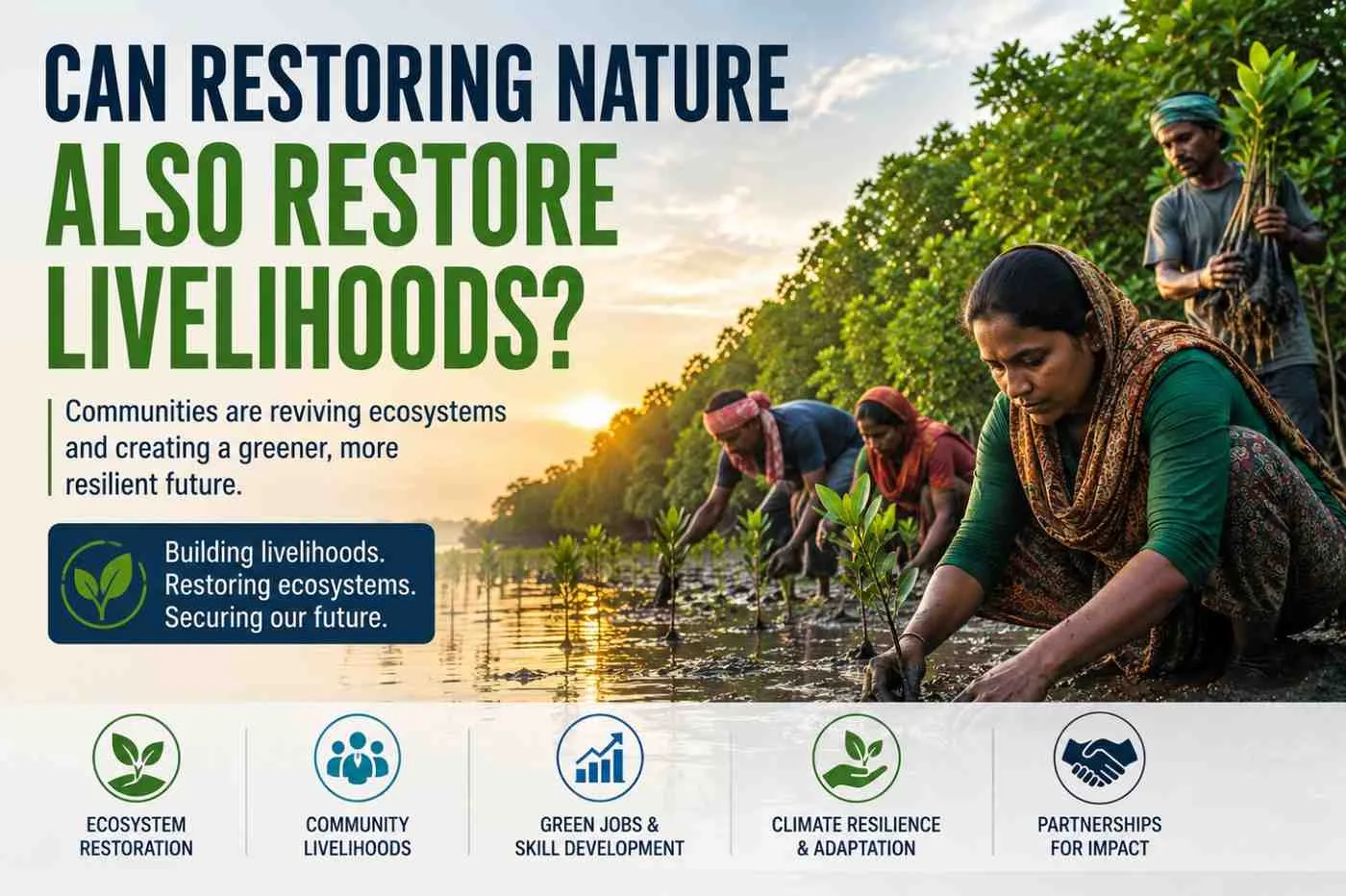
Regenerative agriculture can restore soil. Reforestation can revive landscapes. Wetland restoration can reduce floods. Circular manufacturing can recover materials. Responsible urban planning can bring nature back into cities. Community-led conservation can protect biodiversity while strengthening livelihoods.
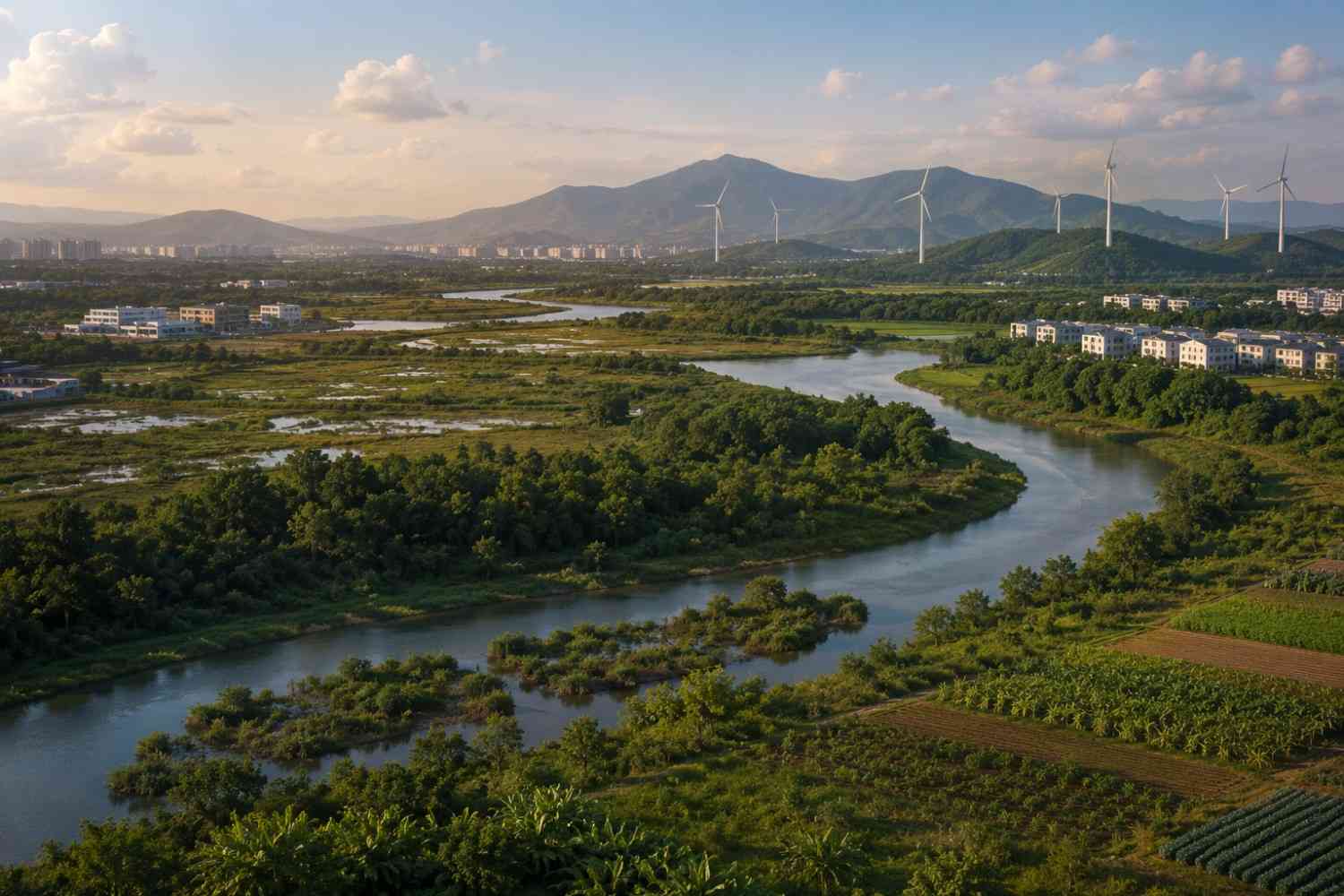
The future cannot be built only through less pollution, less waste and less destruction.
It must also produce more biodiversity, more clean energy, more public health, more dignity and more social trust.
The goal is not simply to leave a smaller footprint.
It is to leave the Earth healthier because we lived on it.
Everyone Has a Role
Governments must create strong policies and enforce environmental safeguards. Businesses must redesign products, supply chains and investment priorities. Educational institutions must prepare responsible citizens. Media and cultural organisations must make sustainability understandable and engaging.
But individuals also have power.
Every purchase is a signal. Every journey is a choice. Every meal has an ecological story. Every unit of electricity and every litre of water connects personal behaviour to a larger system.
Individual action alone cannot solve the crisis, but collective individual action can reshape markets, culture and politics.
We can consume more thoughtfully, waste less, protect local ecosystems, support responsible businesses, use public transport, conserve water, reduce disposable materials and demand accountability from institutions.
Sustainability must move from conferences into kitchens, classrooms, offices, factories, hospitals, farms, streets and homes.
The Defining Idea of Our Time
Every age is shaped by one great civilizational idea.
The industrial age was shaped by production. The digital age was shaped by information and connectivity. The age ahead must be shaped by sustainability.
Without sustainability, technological progress may deepen ecological destruction. Economic growth may increase instability. Medical advances may be overwhelmed by environmental disease. Artificial intelligence may become powerful while human wisdom remains weak.
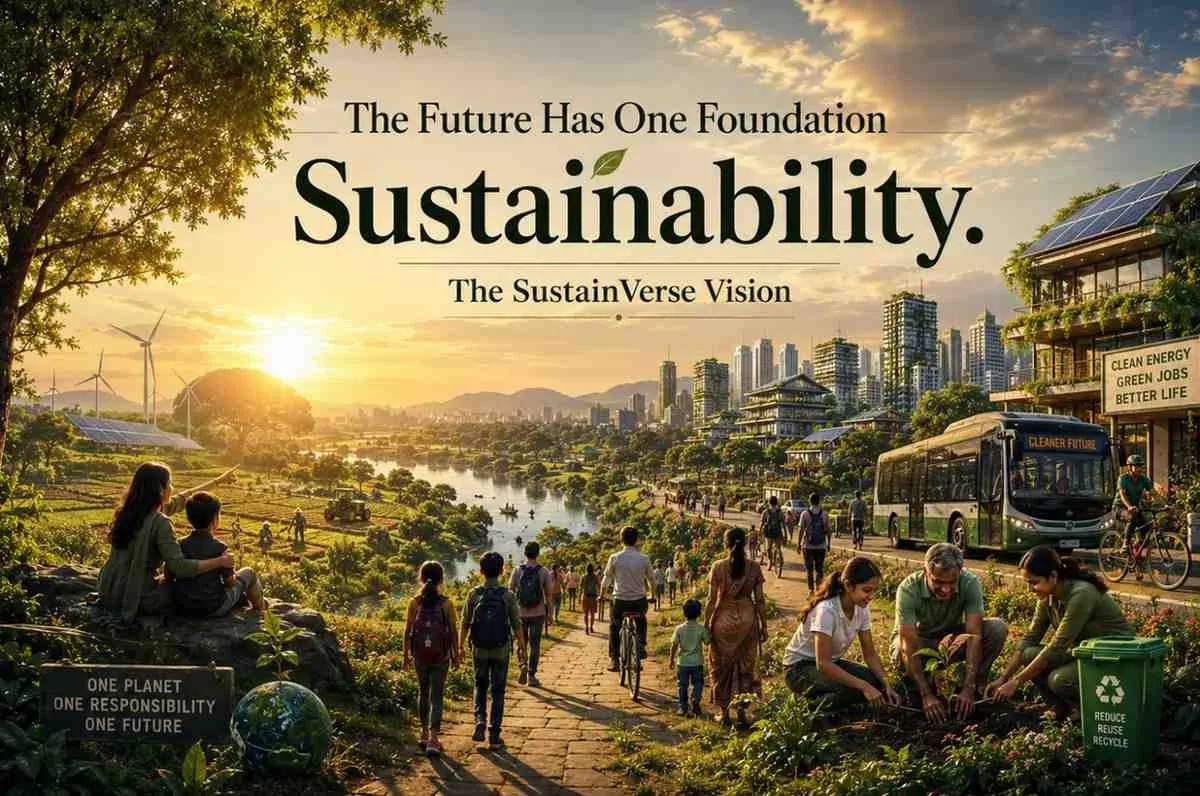
With sustainability, however, technology can serve life. Business can create prosperity with responsibility. Education can nurture informed citizens. Cities can become healthier. Agriculture can protect soil. Culture can celebrate balance. Healthcare can focus on prevention. Progress can become more stable and more humane.
Sustainability is not a limitation on human ambition.
It is the highest expression of human intelligence.
It asks us to build without destroying, consume without exhausting, travel without poisoning, create without wasting and prosper without depriving others.
The future of civilization will not be decided only by how advanced our machines become.
It will be decided by whether humanity learns to live within limits, share resources fairly and protect the living systems that make every economy, society and dream possible.
Sustainability is not one issue among many. It is the foundation connecting health, ecology, education, mobility, culture, medicine, business and human progress.
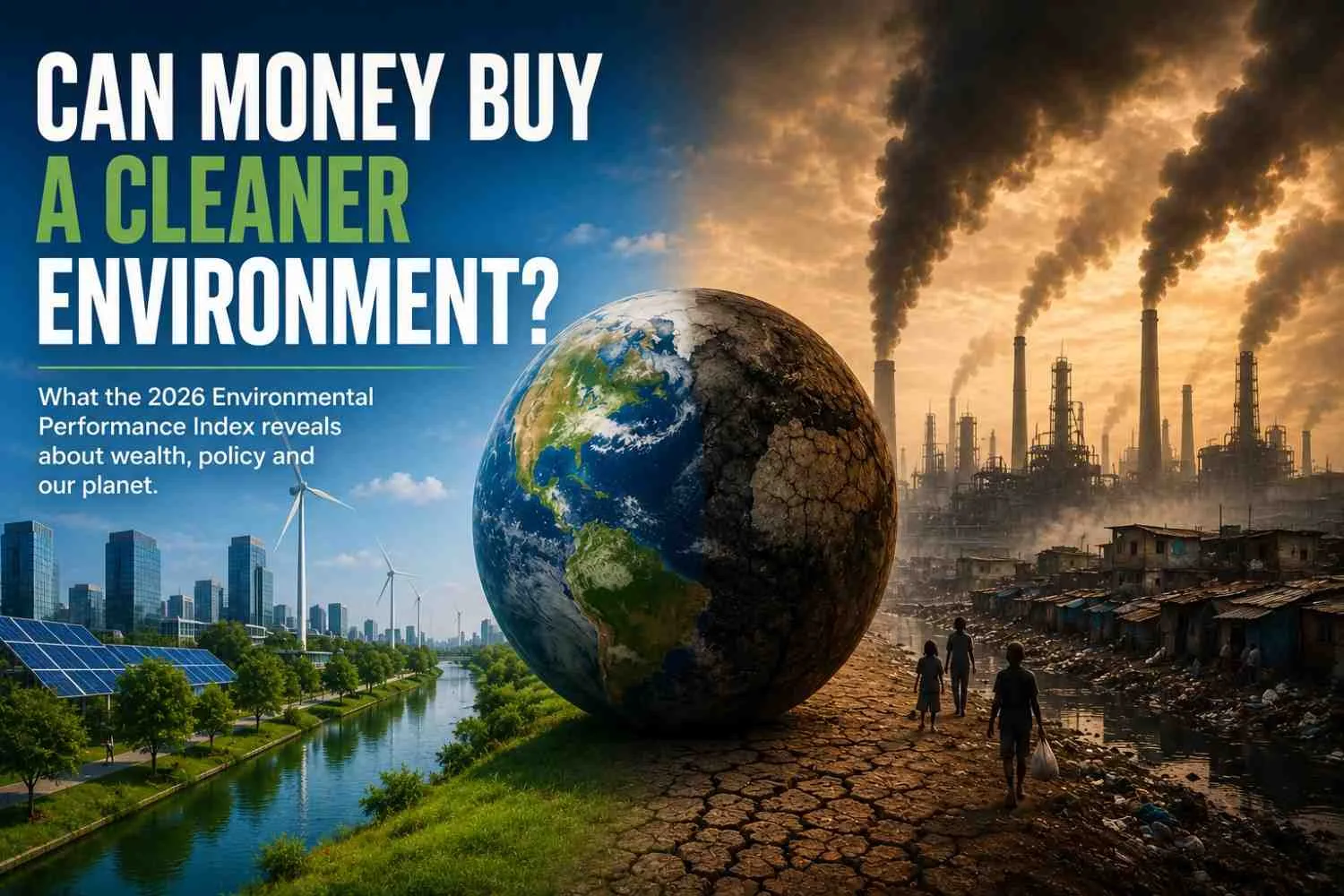
There is no lasting prosperity on a dying planet.
There is no healthy society in an unhealthy environment.
And there is no meaningful future unless sustainability becomes the central promise of human civilization.
And this meaningful future and what are we doing for this future, shall be explored every day through words, visuals, stories, news, voices, products, services, technologies, learning, recognition, et al, on the platform of SustainVerse.

Add a Comment