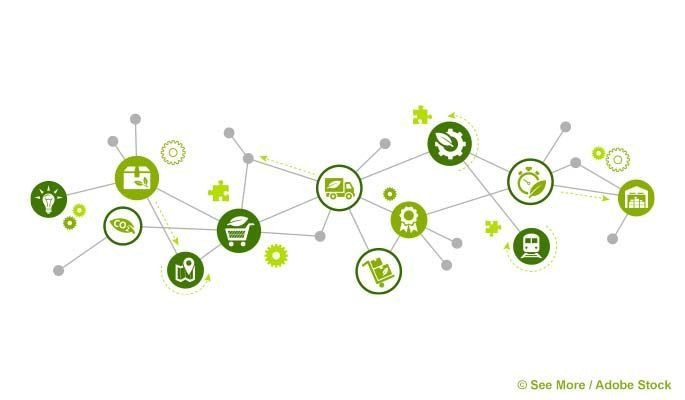
The modern world runs on supply chains. Every product people use in their daily lives has travelled through a long network of manufacturers, suppliers, warehouses, transport systems, retailers, and workers before reaching consumers. From a mobile phone assembled using materials sourced across multiple countries to vegetables transported from farms to urban supermarkets, supply chains form the invisible foundation of the global economy.
For decades, businesses focused primarily on making supply chains faster, cheaper, and more efficient. Speed and cost reduction became major priorities in an increasingly competitive marketplace. However, this approach often overlooked the environmental and social consequences hidden behind production and distribution systems.
Today, the conversation around supply chains is changing rapidly. Rising environmental concerns, climate change, resource depletion, labour rights issues, and growing consumer awareness have forced businesses to rethink how products are sourced, manufactured, packaged, and transported. As a result, sustainability is no longer viewed as a secondary corporate responsibility. It has become an essential part of long term business strategy and economic resilience.
This shift has brought greater attention to the idea of sustainable supply chains. A sustainable supply chain focuses on ethical, environmentally responsible, transparent, and socially conscious practices throughout every stage of production and distribution. The goal is not only to deliver products efficiently but also to minimise environmental harm, protect worker welfare, conserve resources, and create systems that remain viable for the future.
For a country like India, where manufacturing, agriculture, logistics, retail, and exports play major roles in the economy, sustainable supply chains have become increasingly important. India’s future growth will depend not only on industrial expansion but also on how responsibly that growth is managed.
Understanding Sustainable Supply Chains
A supply chain includes every process involved in moving a product from raw material extraction to final consumer delivery. This includes sourcing, manufacturing, packaging, transportation, warehousing, retail operations, and waste management.
A sustainable supply chain seeks to improve these processes by reducing environmental impact and promoting ethical practices at every stage.
This means businesses are increasingly expected to think beyond profits alone. They are now being evaluated based on how responsibly they operate, how transparently they source materials, how fairly they treat workers, and how effectively they reduce pollution and waste. Sustainability within supply chains generally focuses on three major areas: Environmental responsibility involves reducing carbon emissions, conserving water and energy, minimising waste generation, and lowering pollution caused by manufacturing and transportation activities. Social responsibility focuses on fair wages, safe working conditions, labour rights, diversity, inclusion, and ethical sourcing practices.
Economic sustainability ensures that businesses remain financially stable while investing in long term responsible growth rather than short term exploitation of resources or labour. Together, these elements create supply chains that are more resilient, trustworthy, and future ready.
Why Sustainable Supply Chains Matter More Than Ever
The importance of sustainable supply chains has grown significantly over the last decade due to several global challenges. Climate change has become one of the defining concerns of modern society. Industries, transportation networks, and manufacturing systems contribute heavily to greenhouse gas emissions. Global supply chains, especially those dependent on fossil fuel transportation and mass production, generate enormous environmental impact every year.
At the same time, consumers have become more aware of how products are made and where they come from. Many people today want greater transparency regarding sourcing practices, environmental responsibility, and labour conditions. Businesses can no longer assume that consumers only care about price and convenience.
Investors and governments are also increasing pressure on companies to adopt Environmental, Social, and Governance standards. Businesses that fail to prioritise sustainability may face reputational risks, regulatory challenges, and declining consumer trust.
The COVID-19 pandemic further exposed the vulnerability of traditional global supply chains. Disruptions in manufacturing, transportation, and sourcing revealed how fragile highly centralised and unsustainable systems could become during global crises. Sustainable supply chains are increasingly viewed as more resilient because they prioritise efficiency, adaptability, local sourcing, responsible resource management, and long term planning.
India’s Growing Role in Global Supply Chains
India has emerged as one of the world’s major manufacturing and sourcing destinations. Industries such as textiles, pharmaceuticals, agriculture, electronics, automotive production, and information technology contribute significantly to both domestic growth and international trade. Cities such as Mumbai, Bengaluru, Chennai, Hyderabad, and Kolkata play major roles in manufacturing, logistics, exports, and technology driven supply chain management.
As India strengthens its position in global trade networks, sustainability is becoming increasingly important for maintaining competitiveness. International buyers and investors are placing greater emphasis on ethical sourcing, environmental responsibility, and transparency within supplier networks. Indian businesses are therefore facing growing pressure to modernise supply chain operations and align with global sustainability expectations.
At the same time, India also possesses unique advantages in this transition. Traditional practices such as repairing products, minimising waste, reusing materials, and supporting local production have long existed within Indian communities. Many sustainability principles that are now being discussed globally were historically embedded in everyday life across various regions of the country. Modern sustainable supply chain strategies can build upon these cultural foundations while integrating new technologies and business practices.
The Environmental Impact of Traditional Supply Chains
Traditional supply chains often create significant environmental damage at multiple stages of operation. Manufacturing facilities consume large quantities of energy and water. Transportation systems dependent on diesel and fossil fuels generate high carbon emissions. Excessive packaging creates enormous plastic waste, while poor waste management practices contribute to pollution and landfill expansion.
Fast production cycles also encourage overconsumption and resource depletion. Products are often designed for short term use rather than durability, leading to higher waste generation and increased demand for raw materials.
In India, environmental stress caused by industrial expansion is becoming increasingly visible. Air pollution, contaminated water bodies, overflowing landfills, and declining natural resources are affecting both urban and rural communities. Industrial zones surrounding major cities often face severe environmental challenges due to untreated waste discharge, excessive emissions, and inefficient production systems.
Sustainable supply chains aim to reduce these impacts through cleaner production methods, renewable energy adoption, efficient transportation systems, sustainable packaging, and circular economy practices.
Sustainable Manufacturing and Responsible Production
Manufacturing lies at the centre of most supply chains. As a result, improving sustainability within production systems has become a major priority for industries worldwide.
Indian manufacturers are increasingly exploring ways to reduce environmental impact while improving operational efficiency. Many companies are adopting energy efficient machinery, water recycling systems, renewable energy infrastructure, and waste reduction programs.
The textile sector provides an important example. India is one of the world’s largest textile producers, but textile manufacturing also consumes significant amounts of water and chemicals. Sustainable textile initiatives now focus on reducing water usage, improving waste treatment, promoting recycled fabrics, and supporting ethical labour practices.
Similarly, the automotive industry is gradually shifting toward cleaner technologies, electric mobility, and more sustainable sourcing of materials. Sustainable manufacturing does not simply benefit the environment. It often improves long term profitability by lowering resource consumption, reducing waste management costs, and improving energy efficiency. Businesses are increasingly realising that environmental responsibility and economic performance can work together rather than against each other.
Ethical Sourcing and Human Responsibility
Sustainability is not only about environmental protection. It is also deeply connected to human welfare and ethical responsibility. Supply chains often involve large networks of workers, including factory employees, farmers, transport workers, warehouse staff, and small suppliers. In some industries, poor labour conditions, unsafe workplaces, unfair wages, and exploitation remain serious concerns.
Consumers today are asking more questions about who makes the products they buy and under what conditions those products are produced. Ethical sourcing focuses on ensuring fair treatment, safe working environments, and responsible labour practices throughout supply chains.
In India, sectors such as textiles, agriculture, handicrafts, and manufacturing employ millions of workers, including many from economically vulnerable communities. Improving supply chain ethics can therefore have a significant social impact. Fair wages, worker safety, skill development opportunities, and responsible sourcing practices contribute not only to sustainability but also to broader social progress.
Many Indian businesses are now recognising that worker welfare is closely linked to long term productivity, reputation, and operational stability.
The Rise of Green Logistics
Transportation forms one of the largest sources of emissions within supply chains. Trucks, cargo ships, airplanes, and delivery vehicles consume massive amounts of fuel while moving products across regions and countries. As e commerce and online retail continue growing rapidly in India, logistics networks are becoming even more important.
Green logistics focuses on reducing the environmental impact of transportation systems through cleaner technologies and more efficient operations. Companies are increasingly exploring electric delivery vehicles, route optimisation software, shared transportation systems, and fuel efficient fleets to lower emissions. Urban delivery systems are also evolving. Several businesses are introducing electric two wheelers and bicycles for last mile delivery services in congested city environments.
Warehousing operations are similarly becoming more sustainable through solar powered facilities, energy efficient lighting systems, and automated inventory management technologies. These changes may appear gradual, but collectively they represent a major transformation in how supply chains operate.
Technology and Supply Chain Transparency
Technology is playing a major role in making supply chains more transparent and sustainable. Consumers and regulators increasingly expect businesses to provide clear information regarding sourcing practices, environmental performance, and production standards.
Digital systems now allow companies to track products across supply chain stages more accurately. Technologies such as artificial intelligence, blockchain systems, Internet of Things devices, and data analytics are helping businesses improve visibility and efficiency. For example, companies can now monitor energy usage, transportation emissions, supplier compliance, and inventory movement in real time. This improved transparency helps businesses identify inefficiencies, reduce waste, and strengthen accountability.
In India, the growth of digital infrastructure and technology startups is creating new opportunities for supply chain innovation. Logistics technology platforms, smart warehousing systems, and sustainability tracking software are becoming increasingly common across industries. Technology alone cannot solve sustainability challenges, but it provides powerful tools for supporting more responsible decision making.
Consumer Awareness and Changing Expectations
One of the biggest drivers of sustainable supply chains is changing consumer behaviour. People today are becoming more conscious of environmental and ethical issues. Consumers increasingly notice packaging waste, excessive plastic usage, unethical sourcing practices, and environmentally harmful business operations.
Younger generations especially tend to value sustainability more strongly when making purchasing decisions. This shift is encouraging businesses to rethink product design, packaging choices, and sourcing strategies. Sustainability is gradually becoming part of brand identity rather than simply a marketing trend. Companies that fail to adapt may struggle to maintain consumer trust in the future.
Challenges in Building Sustainable Supply Chains
Despite growing awareness and progress, sustainable supply chains still face several challenges. One major obstacle is cost. Sustainable technologies, renewable energy systems, ethical sourcing programs, and environmentally friendly materials may require significant investment, especially for smaller businesses.
Supply chains are also highly complex and interconnected. Large companies often depend on extensive supplier networks spread across multiple regions and countries. Ensuring sustainability across every level of these networks can be difficult.
Infrastructure limitations also remain a challenge in many developing regions. Transportation inefficiencies, inconsistent waste management systems, and limited renewable energy access can slow progress. Additionally, sustainability standards and reporting systems are still evolving. Businesses sometimes struggle with measuring environmental impact accurately or maintaining consistent supplier compliance. However, despite these challenges, the direction of change is becoming increasingly clear.
Building a Greener Future Through Sustainable Supply Chains
The future of business will depend heavily on sustainability. Companies that invest in responsible supply chains today are likely to become more resilient, trusted, and competitive in the long term. Sustainable supply chains support a future where economic growth does not come at the cost of environmental destruction or human exploitation.
For India, this transition carries enormous significance. As one of the world’s fastest growing economies, India has the opportunity to shape industrial growth differently by integrating sustainability into the foundation of development itself.
This requires collaboration between businesses, governments, technology providers, workers, and consumers. Policies supporting renewable energy, ethical manufacturing, waste reduction, and green logistics will play important roles in accelerating progress.
Educational institutions and training programs can also help prepare future professionals for sustainability focused industries and responsible business management. Most importantly, sustainability must become part of everyday business thinking rather than an isolated initiative.
Conclusion
Sustainable supply chains represent a major shift in how businesses approach production, distribution, and responsibility. They reflect a growing understanding that economic success cannot be separated from environmental protection and social well being.
The products people use every day carry environmental and human stories behind them. Sustainable supply chains aim to ensure those stories are built on responsibility, fairness, efficiency, and long term thinking.
India’s role in this transformation will continue to grow as industries modernise and global sustainability expectations increase. Businesses that embrace cleaner technologies, ethical sourcing, transparent operations, and responsible logistics will help shape a greener and more resilient economy.
The transition will not happen overnight. Challenges involving cost, infrastructure, awareness, and implementation still remain. However, the momentum toward sustainability is becoming stronger across industries and societies worldwide.
Ultimately, sustainable supply chains are about more than business operations alone. They are about creating systems that respect both people and the planet while supporting future generations. A greener future will not depend only on what products are made, but also on how responsibly those products travel through the world before reaching our hands.


Add a Comment