India’s rapid economic growth has transformed the country over the last few decades. Expanding cities, rising industrial production, growing digital access, and increased consumer spending have improved the quality of life for millions. However, this development has also created a serious challenge that cannot be ignored anymore: the growing pressure on natural resources and waste management systems.
Every day, Indian households, industries, markets, offices, and institutions generate enormous quantities of waste. Landfills are reaching capacity, plastic pollution is affecting ecosystems, water resources are under stress, and valuable materials are often discarded after a single use. In many urban areas, waste management infrastructure struggles to keep up with the increasing volume of garbage generated daily.
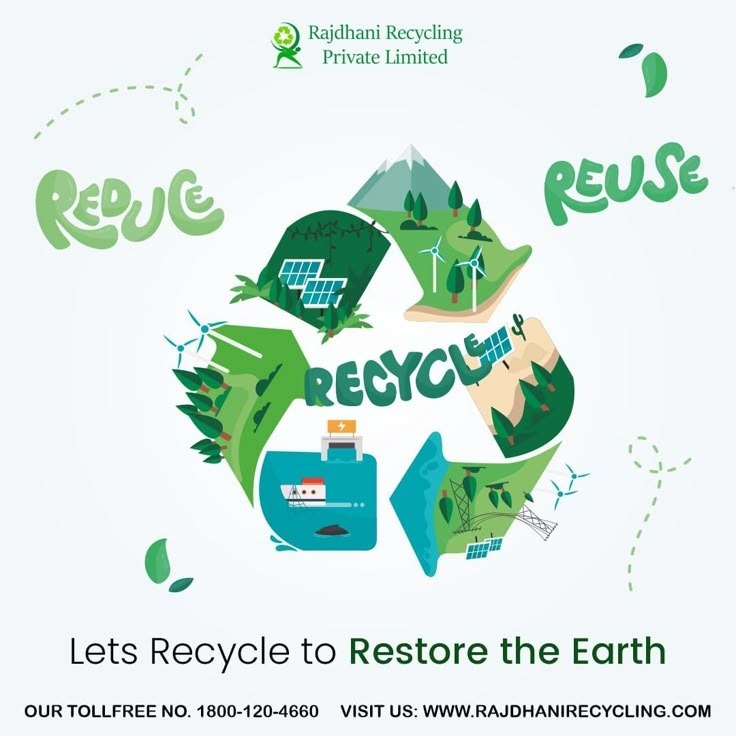
This is where the concept of 3R Resource Efficiency becomes critically important. The principles of Reduce, Reuse, and Recycle are designed to minimise waste, conserve resources, and create a more sustainable system of production and consumption. While the idea itself is simple, implementing it effectively across a large and diverse country like India comes with several challenges.
Understanding these obstacles and identifying practical solutions is essential for building a cleaner, more efficient, and environmentally responsible future.
Understanding the Importance of the 3Rs
Before discussing the challenges, it is important to understand why the 3R framework matters so much in the Indian context.
The traditional economic model followed by most societies is linear:
Extract → Produce → Use → Dispose
This model consumes large quantities of raw materials and generates equally large amounts of waste. In contrast, the 3R approach promotes a circular system where resources are conserved and reused for as long as possible.
Reduce: Reduction focuses on lowering the consumption of resources and preventing waste generation at the source.
Reuse: Reuse extends the lifespan of products and materials through repair, refurbishment, and repeated use.
Recycle: Recycling converts waste into usable materials, reducing the need for fresh raw resource extraction.
Together, these practices help conserve natural resources, reduce pollution, improve efficiency, and support sustainable development.
The Current Waste Scenario in India
India generates massive quantities of waste every year. Urban centres such as Delhi, Mumbai, Chennai, Kolkata, and Bengaluru face mounting pressure on waste collection and disposal systems.
The situation becomes more complicated due to:
✅️ Increasing population density
✅️ Rapid urbanisation
✅️ Growth in packaged consumer goods
✅️ Rising plastic consumption
✅️ Electronic waste generation
✅️ Limited landfill space
✅️ Inadequate waste segregation
Although awareness regarding sustainability has increased significantly, implementation gaps still remain across sectors.
Major Challenges in Implementing 3R Resource Efficiency
1. Lack of Waste Segregation at Source
One of the biggest obstacles in India’s waste management system is the absence of proper segregation at the household and commercial level.
Many people still dispose of wet waste, dry waste, sanitary waste, and hazardous materials together. Once waste becomes mixed, recycling becomes much more difficult and expensive.
Organic waste contaminates recyclable materials such as paper and plastic, reducing their recovery value.
How to Overcome It
Public participation is the key solution. Awareness campaigns must move beyond slogans and focus on practical education.
Municipal corporations can encourage segregation by:
✅️ Providing colour coded bins
✅️ Conducting community workshops
✅️ Offering incentives for proper segregation
✅️ Imposing penalties for repeated non compliance
✅️ Collaborating with schools and resident associations
Educational institutions can also help build long term behavioural change among younger generations.
2. Limited Recycling Infrastructure
While major metropolitan cities have developed some recycling capacity, many smaller towns and semi urban regions still lack organised recycling systems.
Inadequate collection networks, poor transportation systems, and insufficient processing facilities limit the effectiveness of recycling programs.
As a result, recyclable materials often end up in landfills or open dumping sites.
How to Overcome It
India needs greater investment in decentralised recycling infrastructure. This can include:
✅️ Local material recovery facilities
✅️ Community recycling centres
✅️ Public private partnerships
✅️ Improved waste transportation systems
✅️ Regional recycling hubs for smaller cities
Technology based waste tracking systems can also improve collection efficiency and transparency.
Government support through subsidies and policy incentives can encourage private investment in recycling infrastructure.
3. Dependence on Single Use Plastics
Single use plastics remain one of the largest environmental challenges in India. Disposable packaging, plastic bags, cutlery, and low cost plastic products contribute heavily to pollution.
Plastic waste often clogs drainage systems, contaminates water bodies, and harms wildlife.
Despite regulatory efforts, enforcement remains inconsistent in many areas.
How to Overcome It
Reducing plastic dependence requires both policy action and consumer participation.
Possible solutions include:
✅️ Promoting biodegradable alternatives
✅️ Encouraging reusable packaging systems
✅️ Strengthening plastic ban enforcement
✅️ Supporting sustainable packaging startups
✅️ Expanding Extended Producer Responsibility programs
Consumers also play a major role by choosing reusable products over disposable alternatives whenever possible.
4. Informal Waste Sector Challenges
India’s informal waste workers contribute enormously to recycling activities. Waste pickers, scrap collectors, and local recyclers recover valuable materials from waste streams every day.
However, they often work under unsafe conditions with little social protection, healthcare access, or financial stability. Despite their contribution, informal workers are frequently excluded from formal waste management planning.
How to Overcome It
Integrating informal workers into formal systems can improve both social welfare and recycling efficiency. This can be achieved through:
✅️ Worker registration programs
✅️ Safety equipment distribution
✅️ Health insurance support
✅️ Skill development training
✅️ Formal employment opportunities
✅️ Partnerships between municipalities and waste worker cooperatives
Recognising the informal sector as an important stakeholder is essential for creating inclusive sustainability systems.
5. Low Public Awareness and Behavioural Resistance
One of the most difficult barriers to overcome is behavioural resistance.
Many people understand environmental issues in theory but struggle to adopt sustainable habits consistently. Convenience often takes priority over responsible consumption. Practices such as carrying reusable bags, segregating waste daily, repairing products, or reducing excessive consumption require long term mindset shifts.
How to Overcome It
Awareness campaigns must become more practical, relatable, and community focused.
Effective approaches include:
✅️ Social media awareness initiatives
✅️ Local sustainability campaigns
✅️ School environmental programs
✅️ Influencer driven awareness
✅️ Community recycling drives
✅️ Gamified sustainability programs
When sustainability becomes socially normal and convenient, adoption increases significantly.
6. Electronic Waste Management
India is one of the world’s largest producers of electronic waste. Old smartphones, laptops, batteries, televisions, and household electronics generate hazardous waste containing toxic substances.
Improper disposal of electronic waste can contaminate soil and water while creating health risks for workers handling materials without protection.
How to Overcome It
Strengthening formal e waste recycling systems is critical. Solutions include:
✅️ Expanding authorised collection centres
✅️ Increasing consumer awareness regarding safe disposal
✅️ Encouraging manufacturer take back programs
✅️ Supporting certified recycling companies
✅️ Implementing stronger compliance monitoring
Consumers also need easy and accessible ways to dispose of electronics responsibly.
7. Industrial Resource Inefficiency
Industries consume large quantities of raw materials, water, and energy. Inefficient production processes increase waste generation and environmental impact.
In some sectors, outdated technologies still contribute to excessive resource consumption.
How to Overcome It
Industries can improve efficiency through:
✅️ Cleaner production technologies
✅️ Energy efficient machinery
✅️ Water recycling systems
✅️ Waste heat recovery
✅️ Sustainable supply chain management
✅️ Circular manufacturing practices
Many companies are already realising that resource efficiency improves profitability in the long run by reducing operational costs.
8. Food Waste and Organic Waste Management
India wastes significant amounts of food across households, restaurants, weddings, hotels, and supply chains.
At the same time, organic waste forms a major portion of municipal solid waste. When dumped into landfills, it generates methane emissions and contributes to pollution.
How to Overcome It
Better organic waste management can include
✅️ Household composting
✅️ Community composting units
✅️ Food redistribution programs
✅️ Improved cold chain logistics
✅️ Awareness regarding responsible consumption
Restaurants and event organisers can also collaborate with food donation networks to reduce unnecessary food wastage.
The Role of Technology in Solving Resource Challenges
Technology can become a powerful enabler of resource efficiency in India.
- Smart Waste Collection: GPS enabled waste collection systems help improve route planning and operational efficiency.
- Recycling Innovation
Indian startups are creating solutions for:
✅️ Plastic to fuel conversion
✅️ Construction waste recycling
✅️ Textile waste recovery
✅️ Agricultural waste packaging
✅️ AI based waste sorting
Digital Awareness Platforms
Mobile applications and digital platforms can educate citizens, connect recyclers, and simplify waste disposal processes.
Technology alone is not enough, but when combined with policy and public participation, it can significantly improve sustainability outcomes.
- Government Initiatives Supporting the 3Rs: The Indian government has introduced several initiatives focused on sustainability and resource management.
- Swachh Bharat Mission: The Swachh Bharat Mission has improved awareness regarding sanitation and cleanliness while encouraging better waste management practices.
- Plastic Waste Management Rules: These regulations aim to reduce plastic pollution and improve producer responsibility.
- Smart Cities Mission: Several smart city projects now include sustainable waste management systems and circular economy practices.
E Waste Management Rules
These policies promote safer collection and recycling of electronic waste.
While progress has been made, consistent implementation remains essential.
- Building a Culture of Sustainability: India’s traditional culture already contains many principles aligned with resource efficiency.
Previous generations commonly practiced:
✅️ Repairing instead of replacing
✅️ Reusing containers and packaging
✅️ Minimising food wastage
✅️ Sharing household resources
✅️ Using refill systems
✅️ Repurposing old materials
Modern consumer culture shifted many habits toward convenience and disposability. However, there is now a growing movement toward rediscovering sustainable practices.
Young consumers, startups, educational institutions, and environmentally conscious businesses are helping reshape attitudes toward waste and consumption.
Conclusion
The journey toward effective 3R resource efficiency in India is complex, but it is also full of opportunity. The challenges are real and deeply interconnected, ranging from infrastructure gaps and policy limitations to behavioural resistance and economic constraints.
However, these obstacles are not impossible to overcome.
With stronger public awareness, better infrastructure, inclusive policies, technological innovation, and responsible consumption habits, India can significantly improve its resource efficiency systems.
The principles of Reduce, Reuse, and Recycle are not merely environmental concepts. They represent a smarter way of living, producing, and consuming in a world where resources are becoming increasingly limited.
Creating a sustainable future requires collective participation from governments, industries, communities, and individuals alike. Every small action matters. Every responsible choice contributes to a cleaner and more resource efficient India.
The transition may take time, but the direction is clear. Sustainability is no longer a future ideal. It is a present necessity.



Add a Comment