Compliances

Compliances refer to the process by which an organization ensures that it follows all applicable laws, regulations, standards, and ethical practices relevant to its operations. This includes adhering to environmental laws, maintaining fair labor practices, and upholding strong governance and transparency standards. Effective compliance helps organizations reduce legal risks, build trust with stakeholders, and operate responsibly within society. It also supports long-term sustainability by aligning business activities with regulatory requirements and ethical expectations.

Showing 12/50

27 Jul 2026

Why mangroves matter to our coasts, climate, livelihoods and future Research-based feature by Prof Ujjwal K Chowdhury A World Mangrove Day feature | July 26, 2026 Mangroves grow where ordinary trees would die. They stand in salt water, breathe through roots, raise land with trapped sediment and protect people who may never know the full value of the forest before them. On World Mangrove Day, their story is also the story of the fisher, the honey collector, the child on an embankment and the city living behind a distant green wall. Where the Tide Enters Everyday Life At dawn in the Sundarbans, the boundary between land and water is never still. A fisher pushes a narrow boat into a creek. A woman checks a honey basket before the heat rises. A child walks along an embankment that may have to face the next cyclone. Around them stand trees that look almost impossible: trunks in salt water, roots rising out of mud, leaves shining above a tide that comes and goes twice a day. These are mangroves, and for millions of coastal people they are not scenery. They are security. July 26 is observed as the International Day for the Conservation of the Mangrove Ecosystem, commonly called World Mangrove Day. UNESCO established the day in 2015 to bring attention to an ecosystem that is rare, productive and deeply vulnerable. Mangroves receive less public affection than mountains, rainforests or charismatic wildlife because much of their life is hidden in muddy creeks and waterlogged soil. Yet their work is visible every time they slow a wave, hold a riverbank, shelter a young fish or protect a village before the first rescue team arrives. This day matters because mangroves are disappearing under pressure from aquaculture, urban growth, ports, roads, pollution, dams and rising seas. It also matters because a ceremonial plantation photograph can create the false belief that the problem has been solved. A mangrove is not simply a sapling placed in wet soil. It is a complete relationship among tides, freshwater, sediment, salinity, wildlife and people. World Mangrove Day should therefore be a yearly public audit: Are existing forests safe? Are newly planted trees surviving? Are tidal channels open? Are local communities gaining rights and livelihoods? Are development projects treating mangroves as living infrastructure rather than vacant land? A mangrove is not just a tree in mud. It is a coastal safety system built by nature. A Forest Built for Salt, Mud and Survival Mangroves are groups of salt-tolerant trees, shrubs and palms that grow in the intertidal zone, the strip of coast covered at high tide and exposed at low tide. They are found around estuaries, deltas, lagoons, creeks and sheltered tropical or subtropical shores. Ordinary plants struggle in salty, waterlogged and oxygen-poor soil. Mangroves have evolved remarkable ways to live there. Some block salt at the roots. Some remove salt through their leaves. Some send pencil-like breathing roots, called pneumatophores, above the mud to take in air. Others grow arching prop roots that act like stilts, steadying the tree while slowing water and trapping sediment. They are not one type of tree. Roughly 80 recognised mangrove tree and shrub species occupy different levels of the tidal landscape. One may tolerate stronger salinity near open water; another may need more freshwater and grow farther inland. This zonation is why a natural mangrove forest looks irregular and layered. It is also why a row of identical saplings cannot automatically replace a mature forest. Diversity is not decoration. It is the system's insurance against disease, salinity change, storms and other shocks. A Rare Green Belt Around the World - and Bengal's Great Share The world's mangroves covered about 14.8 million hectares in 2020 and occurred in 123 countries and territories. Nearly 44 per cent lay in South and Southeast Asia. Indonesia holds the largest area, while Brazil, Nigeria, Mexico and Australia are also major mangrove countries. Together, the five account for almost half of the global resource. Large mangrove landscapes also survive along the Amazon and Atlantic coasts of South America, the Niger Delta and West Africa, northern Australia, Papua New Guinea, the Caribbean and the coasts of South Asia. Globally, mangroves are extensive enough to sustain fisheries and coastal settlements, but rare when compared with other forests. They cover less than one per cent of the world's tropical forest area. FAO estimates show a net global decline of about 284,000 hectares between 2000 and 2020. The rate of loss slowed in the second decade, which proves that protection can work, but the total pressure remains severe. The first global IUCN assessment found that half of assessed mangrove ecosystems are at risk of collapse and nearly one-fifth are at high risk. India has around 5000 square kilometres of mangrove cover, according to the India State of Forest Report 2023. This is only 0.15 per cent of the country's geographical area, yet it performs a disproportionately large role in food security, disaster protection and biodiversity. The main regions are the Sundarbans in West Bengal; the Gulf of Kutch and Gulf of Khambhat in Gujarat; the Andaman and Nicobar Islands; the Krishna and Godavari deltas; Bhitarkanika and the Mahanadi delta; Pichavaram and Muthupet; and the mangrove belts around Mumbai, Thane, Raigad and Ratnagiri. West Bengal is India's mangrove capital. Its 2,119.16 square kilometres amount to more than two-fifths of the national total. Almost all of this lies in the southern coastal districts, especially South 24 Parganas. The Sundarbans, shared by India and Bangladesh, is the world's largest mangrove forest and a vast living maze created by the Ganga, Brahmaputra and Meghna river systems. It is a tiger habitat, a fish nursery, a cyclone buffer and a human landscape of islands, farms, embankments, boats and villages. The future of the Sundarbans is therefore tied not only to remote island communities but also to the safety of Kolkata and the wider Bengal delta. Mangroves Grow When Water Is Allowed to Move Mangroves are hardy, but they cannot be planted anywhere that looks muddy. They grow best in warm, frost-free weather, usually in sheltered tropical and subtropical waters where waves are not continuously violent. They need regular tides that carry water, nutrients, seeds and fine sediment. They need the right balance of salt and fresh water. They need soft soil at the correct height in relation to the tide. Above all, they need a functioning water system. There is no single best month for every Indian coastline. The monsoon and post-monsoon season may provide useful moisture and seed availability in many places, but local tides, rainfall, elevation and species matter more than the date on a plantation calendar. A sapling placed too low may drown or be washed away. One placed too high may not receive enough tidal water. A species suited to a saline outer creek may fail in a freshwater-influenced inner zone, and vice versa. The most important human intervention is often not planting but ecological repair. Illegal pond walls may need to be breached so tides return. Blocked creeks may need to be reopened. Dams, barrages and excessive withdrawal upstream must be managed so freshwater and sediment can still reach deltas. Grazing, dumping, cutting and trampling must be controlled. Native species must be matched to the exact site. Once the hydrology is restored, floating seeds and propagules can settle naturally, creating a more diverse and resilient forest than a hurried monoculture plantation. Mangroves also need space to move inland as sea level rises. Where roads, walls, industries or settlements block that movement, the forest becomes trapped between development and the advancing sea. Scientists call this coastal squeeze. A serious restoration policy must therefore protect migration space, not only today's tree line. One Forest, Many Strengths Different mangroves perform different jobs. Avicennia species are often first settlers on new mud. Their pencil-like breathing roots stabilise soft ground, tolerate considerable salinity and prepare the site for other life. Rhizophora species form dramatic prop-root walls that slow water, trap sediment and create hiding places for young fish, prawns and crabs. Sonneratia commonly grows near channels and estuaries; its roots, flowers, fruit and falling leaves feed a wide aquatic web. Excoecaria agallocha, often called gewa or blind-your-eye mangrove because its sap can irritate the eyes, grows on relatively higher ground and helps bind riverbank soil. Bengal's signature tree is the Sundari, Heritiera fomes, from which the Sundarbans takes its name. It carries ecological and cultural meaning, but it is globally threatened and sensitive to changing salinity and disease. Nypa fruticans, known locally as golpata in parts of the delta, is a mangrove palm whose leaves have long been used for roofing and thatching; elsewhere in Asia its sap is turned into sugar and vinegar. Bruguiera, Ceriops, Aegiceras, Xylocarpus and Phoenix paludosa add further layers of habitat and protection. In some regions, fruits of Sonneratia and processed products from Avicennia are used as food, while mangrove plants remain subjects of research for antioxidant, antimicrobial and other medicinal properties. Such uses should be scientifically tested and harvested within ecological limits. Together, these species create a living wall. The outer roots take the first force of waves. The forest slows currents. The roots hold soil. Sediment settles. Floodwater spreads with less destructive energy. Mangroves cannot stop every cyclone and should not be presented as a magical substitute for embankments, shelters, warning systems or evacuation plans. But a broad, healthy mangrove belt combined with well-designed infrastructure is often safer and more economical than concrete alone. The forest is also a fish factory. Juvenile fish and shellfish shelter among the roots, feed on leaf litter and later move into rivers and the sea. Birds nest and feed there. Crocodiles, turtles, dolphins, fishing cats, insects and countless smaller organisms depend on the connected landscape. For people, the same forest supports fishing, crab collection, honey and beeswax, leaves, crafts, nature guiding and tourism. The commercial benefit begins with the simple fact that a living mangrove keeps producing value year after year. The Crisis Is Not Only Cutting - It Is Bad Restoration The old image of mangrove destruction is a chainsaw. Today's crisis is more complicated. Forests are cleared or enclosed for shrimp ponds, salt pans, ports, roads, tourism and real estate. Urban sewage, plastic, industrial chemicals and oil choke roots and poison the food web. Dams and river engineering reduce freshwater and sediment, raising salinity and weakening the delta. Climate change adds higher seas, stronger storm impacts, erosion and changing rainfall. The second crisis is restoration that looks successful on paper but fails in the mud. Authorities may announce lakhs of planted seedlings without reporting how many remain alive after three or five years. Easy-to-grow Avicennia may be planted in straight rows everywhere, even where another species or natural mudflat should remain. Saplings may be pushed into deep water, exposed shorelines, seagrass beds or sites cut off from tides. Some projects protect the planting for a photograph but not from grazing, waves, garbage or later encroachment. A larger green patch on a satellite image does not necessarily mean a healthier ecosystem. The patch may be a young single-species block with little fish or bird life. It may have poor water exchange or weak soil. Real success must be judged through survival, natural regeneration, species diversity, tidal flow, sediment condition, fisheries recovery, carbon accumulation and benefits to local people. The first rule should be to protect mature forests, because an old, diverse mangrove and its deep soil carbon cannot be recreated quickly by planting new saplings elsewhere. Plantation numbers are easy to announce. A living, diverse forest is much harder to create. Blue Carbon - The Wealth Hidden Under the Mud Mangroves absorb carbon dioxide while growing. Some carbon remains in trunks, branches, leaves and roots, but a very large share enters waterlogged, oxygen-poor soil where decomposition is slow. Carbon held in coastal ecosystems such as mangroves, seagrasses and salt marshes is called blue carbon. UNEP reports a global average mangrove carbon stock of around 1,000 tonnes of carbon per hectare, including soil, though the real figure varies greatly by location, age, depth and ecology. Per unit area, mangroves can hold several times more carbon than many land forests, with much of it safely buried below ground. Two ideas are often confused. Carbon stock is the carbon already stored in an existing forest and its soil. Carbon sequestration is the additional carbon captured over time. Protecting an old mangrove saves a huge existing stock and prevents emissions from damaged or drained soil. Restoring a degraded site may gradually add new carbon, but it does not instantly replace what was lost. Mangrove carbon farming means protecting, restoring or scientifically expanding mangroves in ways that increase storage or avoid emissions. A credible project must prove that the climate benefit is real and additional, meaning it would not have happened without the project. It must measure carbon through field plots, tree data, soil sampling and remote sensing. It must show permanence, prevent destruction from merely shifting elsewhere, avoid double counting and explain what happens if a cyclone damages the forest. Accounting may also need to consider methane and nitrous oxide, especially where water flow has been badly altered. This is why blue-carbon credits are an opportunity, not free money. Measurement, reporting and verification take years. Land and carbon rights must be clear. Independent checks cost money. Carbon prices change. Claims can be exaggerated, and companies can use cheap credits as a public-relations shield while avoiding deeper cuts in their own emissions. Carbon finance should support genuine climate action, not become a licence to pollute. A Mangrove Economy Must Reward the People Who Keep It Alive The commercial value of mangroves is much wider than carbon credits. They support fish, prawns, crabs and shellfish; protect houses, farms, roads and businesses; reduce erosion and embankment repair; improve water quality; sustain honey, wax and plant products; and create work in nurseries, monitoring, guiding, kayaking, wildlife tourism and research. Some insurers and coastal investors are beginning to see mangroves as natural infrastructure because reducing storm and flood damage also reduces financial risk. A World Bank study in Indonesia estimated that the combined services of mangroves average about USD 15,000 per hectare per year, with some locations approaching USD 50,000. These figures cannot be copied directly into an Indian project, because population, fisheries, land value and storm exposure differ. But they show why the standing forest may be worth far more than the one-time profit from clearing it. West Bengal's experience with sustainable aquaculture offers another path. Models such as Sustainable Aquaculture in Mangrove Ecosystems, or SAIME, try to combine fish and shrimp production with the restoration of mangrove vegetation rather than creating closed ponds after total clearance. When carefully managed, such systems can improve water quality, reduce disease risk, diversify incomes and sell responsibly produced seafood at a better price. Carbon revenue can help pay for nurseries, community guards, scientific monitoring, cyclone preparedness, women's self-help groups and alternative livelihoods. Yet a project becomes unjust when outside developers own the contracts while fishers, honey collectors and island residents do the work and lose access to the forest. Every agreement should openly state who owns the carbon rights, who receives the money, who carries the risk, how long protection will continue and how customary access will be respected. The best mangrove economy is not based on fencing people out. It is based on keeping the forest alive while rewarding those who protect it. The greatest commercial benefit of mangroves is a coast that remains alive, productive and safe. From a Government Scheme to a People's Movement India has a policy foundation for action. The Mangrove Initiative for Shoreline Habitats and Tangible Incomes, or MISHTI, was launched on June 5, 2023. Government reporting stated that 22,560.34 hectares of degraded mangrove area had been taken up through convergence across 13 States and Union Territories by August 2025, while additional work received gap funding through National CAMPA. Reporting for 2025 cited 4,536 hectares brought under restoration during that year, and in June 2026 the Union environment minister referred to a national target of restoring 54,000 hectares by 2028. The Coastal Regulation Zone Notification of 2019 classifies mangroves as ecologically sensitive areas and provides a 50-metre buffer where mangrove cover exceeds 1,000 square metres. Where development affects mangroves, compensatory planting at three times the number lost is required. But the ecological lesson is important: three saplings are not the same as one mature tree, and a planted patch is not the same as an old tidal forest. Regulation must prevent destruction first, not merely promise replacement later. For mangroves to become a national environment movement, they must connect causes that are often kept separate: climate action and disaster protection, river health and coastal security, fisher rights and biodiversity, women's livelihoods and community leadership, city planning and wetland protection, science and traditional knowledge. Mumbai, Kolkata, Chennai, Kochi, Visakhapatnam, Surat and other coastal cities depend on healthy creeks and buffers even when citizens rarely see the connection. The movement needs public survival audits for every funded plantation, with locations, species, spending and three-to-five-year results placed online. It needs mangrove clubs in schools and colleges, community nurseries run by women's groups, citizen mapping of blocked creeks and pollution, and green-grey engineering that combines natural buffers with appropriate embankments. Most importantly, fishers, farmers, honey collectors and island residents must sit at the planning table and receive a fair share of benefits. Conservation becomes durable when local people are not treated as threats but as partners and knowledge holders. Mangrove warriors like teachers Uma Shankar Mandal and Ramkrishna Sarkar of the Sundarban area have taken up this battle with the help of local women, creating mangrove armies of women, planting trees, taking care of them, and getting small support in kind for the women from the society at large. Their valiant work has created areas with more than half a million mangrove trees in various blocs of Sundarban. What One Citizen Can Do - Even Far From the Sea A person living hundreds of kilometres inland still sends waste towards the coast through drains and rivers. Reducing single-use plastic and chemical pollution is therefore mangrove action. So is asking where prawns and shrimp come from, because destructive aquaculture remains a major driver of clearing. Travellers can choose community homestays, local guides and responsible boat operators rather than tourism that disturbs wildlife or dumps waste. People who donate to plantation campaigns should ask harder questions. Was the site historically a mangrove area? Is tidal water reaching it? Are native species being used? Are local residents involved? Who will protect the saplings for at least three to five years? Is the project restoring a forest or merely counting trees? Random planting is not helpful; scientific, community-based ecological restoration is. Citizens can photograph and report illegal dumping, burning, creek blockage, land filling and cutting. Students can adopt a creek, document birds and crabs, measure plantation survival, interview coastal residents and create local-language awareness material. Consumers can support legally and sustainably produced honey, handicrafts and seafood. Social media users can make mangroves visible not only on July 26 but whenever a port, road, resort or real-estate project threatens a tidal ecosystem. The message of World Mangrove Day is finally very simple. A mangrove is a storm barrier, fish nursery, carbon vault, wildlife home, water filter and source of work. It protects a village before a rescue vehicle arrives and supports a fishing family without appearing in a conventional balance sheet. We should not merely plant a mangrove. We must protect the water, soil, wildlife and people that allow an entire mangrove forest to live.   Research and Source Note This feature fully synthesises the attached background document and cross-checks time-sensitive figures against official or primary institutional sources available up to July 2026. The economic values cited from Indonesia illustrate the scale of ecosystem services and should not be transferred directly to Indian sites without local valuation. UNESCO - International Day for the Conservation of the Mangrove Ecosystem - Open official source FAO - The World's Mangroves 2000-2020 and global distribution data - Open official source IUCN - Red List of Mangrove Ecosystems global assessment - Open official source Forest Survey of India - India State of Forest Report 2023 - Open official source Press Information Bureau - Mangrove conservation and ISFR 2023 state-wise cover - Open official source Press Information Bureau - MISHTI implementation across States and Union Territories - Open official source UNEP - Mangrove forests and blue-carbon stocks - Open official source IPCC AR6 Working Group III - Reducing conversion of coastal wetlands - Open official source World Bank - Economics of large-scale mangrove conservation and restoration in Indonesia - Open official source ...Read more
24 Jul 2026

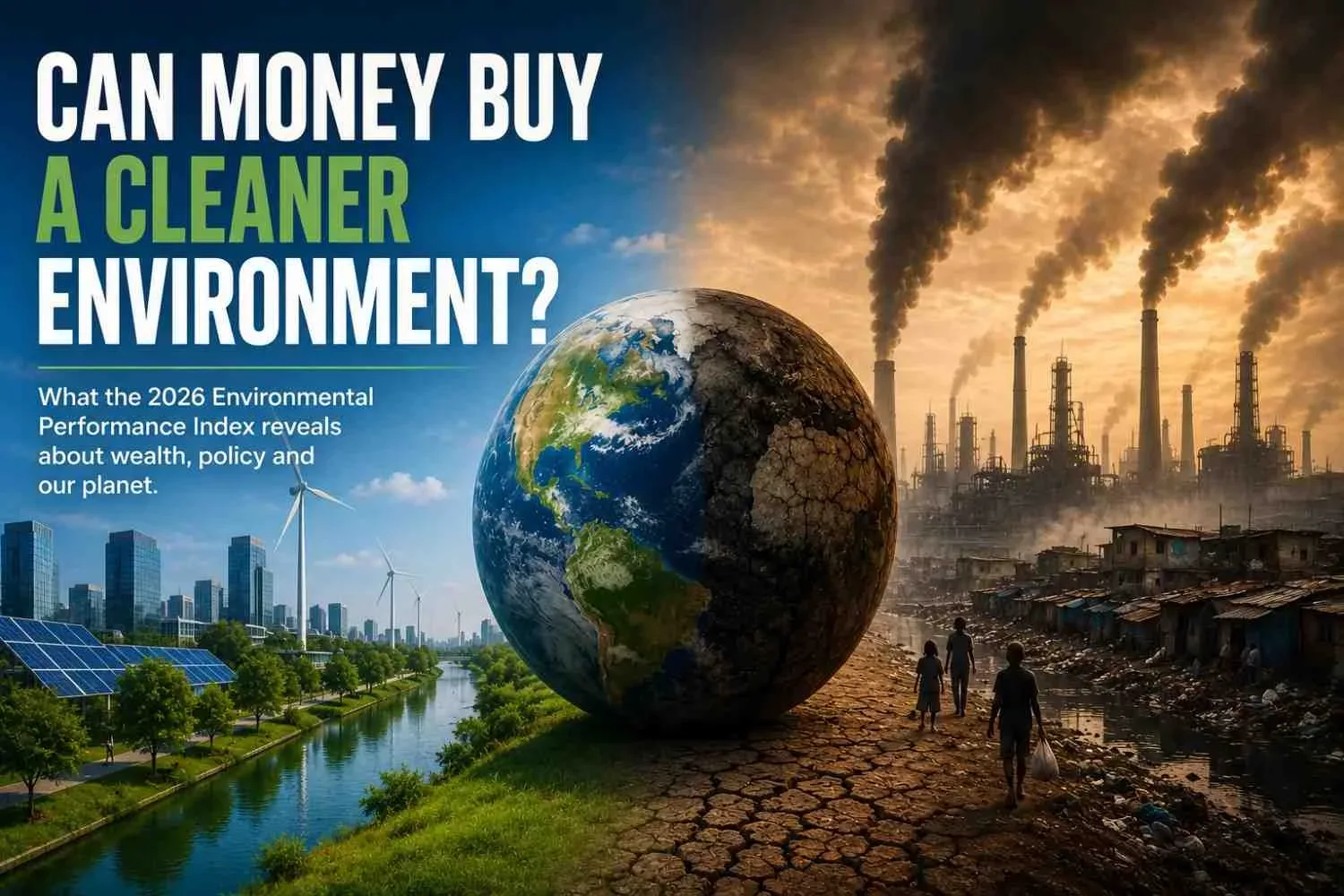
The latest Environmental Performance Index reveals global leaders and laggards, while raising important questions about wealth, policy and environmental progress.   Imagine two countries. One enjoys clean rivers, healthy forests, and fresh air. The other struggles with polluted cities, shrinking biodiversity, and rising climate risks. On the surface, the difference looks financial - richer nations simply have more means to safeguard the environment.  But is it so? The 2026 Environmental Performance Index (EPI) has once again highlighted on how nations rank on nature conservation and public health.Estonia claimed the top position this year, while European countries continued to dominate the rankings.Many lower-income countries continued to rank near the bottom, but the results raise a bigger question: Is environmental performance simply a reflection of economic wealth? It’s not a simple yes-or-no answer! Developed by Yale researchers, the Environmental Performance Index ranks countries based on dozens of environmental indicators. It evaluates factors such as air quality, sanitation, waste, biodiversity, climate policy, and ecosystem protection. The index goes beyond a single environmental measure, evaluating how effectively countries pursue economic growth while safeguarding the environment. The rankings matter every year because they tell a bigger story: not just who’s ahead or behind, but what path each country chose for development.Estonia's climb to the top is the result of long-term planning. Over the years, it has strengthened environmental policies while investing in clean energy, efficient waste management, and digital systems that support better management of natural resources.Across Europe, many countries have shown that economic growth and strong environmental standards can advance together. These results raise a further issue: if the European model is so effective, why has it not been applied globally?For many developing countries, the issue is less about ambition and more about competing priorities. With limited resources, governments must balance environmental action alongside poverty reduction, healthcare, housing, employment, and infrastructure.Many countries lack the financial resources needed to invest in clean technology or to restore degraded ecosystems. Rapid urbanisation makes it worse. Unchecked expansion of roads, housing, and industry often leads to higher pollution, shrinking green spaces, and increasing pressure on natural resources.The challenge is compounded by climate change. Countries with the lowest emissions are often among the most vulnerable to extreme weather, forcing governments to spend scarce resources on recovery instead of long-term environmental improvements. Comparing countries at different stages of economic development can therefore be misleading. A lower ranking does not necessarily indicate weak environmental commitment. It often reflects differences in income, governance, access to technology, and historical development. Similarly, a higher ranking does not mean every environmental challenge has been resolved.Experts say the bigger story lies beyond the rankings. Instead of focusing on who tops the list, they encourage a closer look at how countries are improving and where further action is needed. Ultimately, sustained progress is a better measure of success than rank alone. Countries that steadily improve air quality, expand renewable energy, strengthen waste management, or protect biodiversity are making meaningful progress, even if their rankings remain low. At the same time, top-performing countries cannot afford to be complacent, as environmental and climate challenges continue to evolve. The 2026 EPI also highlights that environmental protection cannot rest solely with governments. Businesses can reduce their environmental impact by adopting cleaner production methods and cutting emissions. Researchers help shape better policies through scientific evidence. Communities protect local ecosystems, while individuals contribute by conserving water, reducing waste, and choosing more sustainable products. Perhaps the biggest takeaway from this year's rankings is that wealth alone does not define environmental success. Lasting progress depends just as much on effective policies, strong institutions, and sustained action. Experts say lasting environmental progress is built on strong institutions, effective policies, public participation, and long-term planning. Countries that treat sustainability as a continuous priority rather than a short-term initiative are often the ones that achieve enduring results. The real value of the 2026 Environmental Performance Index lies beyond the rankings. Instead of debating who stands at the top or bottom, it should prompt every country to focus on a more meaningful challenge: What practical actions can we take today to create a cleaner, healthier, and more resilient future? At the end of the day, environmental progress is measured not by a country's position on a global index but by the difference it makes on the ground-cleaner air, healthier ecosystems, and better lives for the people who rely on them.   Sources:  Centre for Integrated Earth System InformationYale Centre for Geospatial Solutions   ...Read more

18 Jul 2026

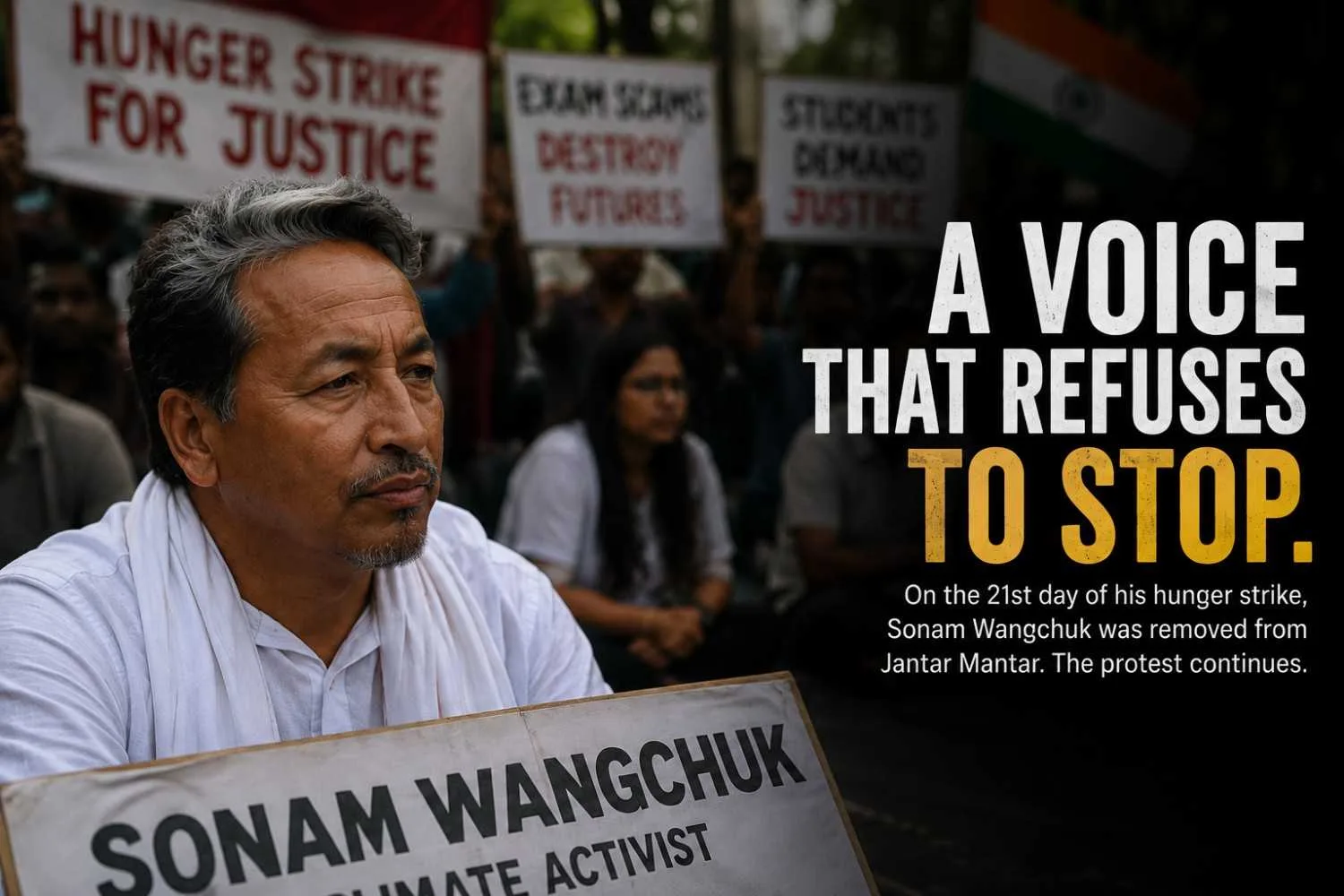
New Delhi, July 18: Environmentalist, education reformer and climate activist Sonam Wangchuk was removed from the protest site at Jantar Mantar early on Saturday morning and taken to VMMC–Safdarjung Hospital as his indefinite hunger strike entered its 21st day. Delhi Police said Wangchuk was shifted to hospital on medical advice after concerns were raised about his deteriorating health. Protest organisers, however, alleged that he was taken away against his wishes. Supporters formed a human chain and attempted to prevent the police from removing him from the site, leading to tense scenes during the early-morning operation. According to the latest available medical update, Wangchuk was conscious, alert and clinically stable, but weak and mildly dehydrated after fasting for nearly three weeks. Doctors reportedly advised continuous observation and monitoring of his electrolyte levels and other vital parameters. His wife and fellow educationist, Gitanjali J. Angmo, questioned the manner in which he was hospitalised. She said that medical intervention should be undertaken only with Wangchuk’s informed consent and in consultation with his family and the doctors who had been monitoring him during the protest. Angmo also reportedly asked that no oral or intravenous medication be administered without proper discussion. She maintained that Wangchuk remained mentally strong and continued his fast while under observation, consuming only water with salt. Protest Against Examination Irregularities The agitation at Jantar Mantar began as a youth- and student-led protest against alleged irregularities, paper leaks and failures in the country’s examination system. Wangchuk joined the movement in solidarity with students affected by repeated examination controversies and began his indefinite hunger strike on June 28. Protesters have demanded an independent investigation into examination-related scandals, greater accountability from the education authorities and structural reforms to restore transparency and credibility to the testing process. The protest has gradually expanded beyond the immediate issue of examination irregularities. It has become a wider movement seeking accountability in education, protection of students’ futures and a more responsive democratic system. Following Wangchuk’s removal, organisers said the agitation would continue and that other participants would carry forward the hunger strike and planned protest programmes. Opposition and Civil Society Extend Support The protest has received support from a wide range of opposition parties, student organisations, farmers’ groups, academics, writers, filmmakers and civil society representatives. Leaders associated with the Congress, Aam Aadmi Party, Samajwadi Party, Trinamool Congress, Shiv Sena (Uddhav Balasaheb Thackeray), Nationalist Congress Party–Sharadchandra Pawar, Communist Party of India (Marxist) and Rashtriya Janata Dal have either visited the protest site, expressed solidarity or criticised the manner in which Wangchuk was removed. Farmer representatives and student activists have also joined the mobilisation. Several civil society figures have appealed to the Union government to open a dialogue with the protesters and address the concerns being raised. Prominent academics, authors, artists and public intellectuals have urged Wangchuk to end his fast, describing his contribution to education, environmental protection and public life as invaluable. Their appeal has also placed responsibility on the government to initiate meaningful negotiations before the situation worsens. A Lifetime Dedicated to Education and Sustainability Wangchuk’s participation in the protest must be viewed in the context of his lifelong engagement with education, ecology and democratic action. In 1988, he co-founded the Students’ Educational and Cultural Movement of Ladakh, widely known as SECMOL. The initiative emerged in response to an education system that was failing many children in Ladakh because it was disconnected from their language, culture, environment and lived realities. SECMOL developed an alternative model of education centred on practical learning, community participation, environmental responsibility and self-reliance. Students are involved in managing the campus, farming, construction, renewable-energy systems and everyday decision-making. The SECMOL campus has become internationally known for its use of solar energy, passive heating, local building materials and sustainable design. It demonstrates how education can be connected with climate responsibility and community life rather than being limited to examinations and classroom instruction. Wangchuk is also known for developing the “ice stupa” concept, an innovative method of storing winter water in the form of artificial glaciers. These structures release water gradually during the spring and early summer months, when farmers in Ladakh face severe water shortages. His work has consistently focused on protecting Ladakh’s fragile high-altitude ecosystem from climate change, unregulated construction, excessive tourism and resource-intensive development. A Gandhian Method of Protest Wangchuk has repeatedly adopted peaceful and non-violent methods to draw attention to public issues. His campaigns have included climate fasts, marches, public appeals, dialogue and community mobilisation. He has also advocated constitutional safeguards for Ladakh, protection of local land and natural resources, greater democratic representation and recognition of the rights of indigenous communities. His hunger strike at Jantar Mantar is therefore consistent with his broader philosophy of public action. It reflects a Gandhian approach in which personal sacrifice, moral persuasion and non-violence are used to awaken public conscience and compel authorities to respond. His removal from the protest site and hospitalisation have intensified the political and public focus on the agitation. The immediate concern now remains his health, even as the larger questions raised by the protesters-about education, accountability, democracy and the right to peaceful dissent—continue to demand answers. ...Read more

15 Jul 2026

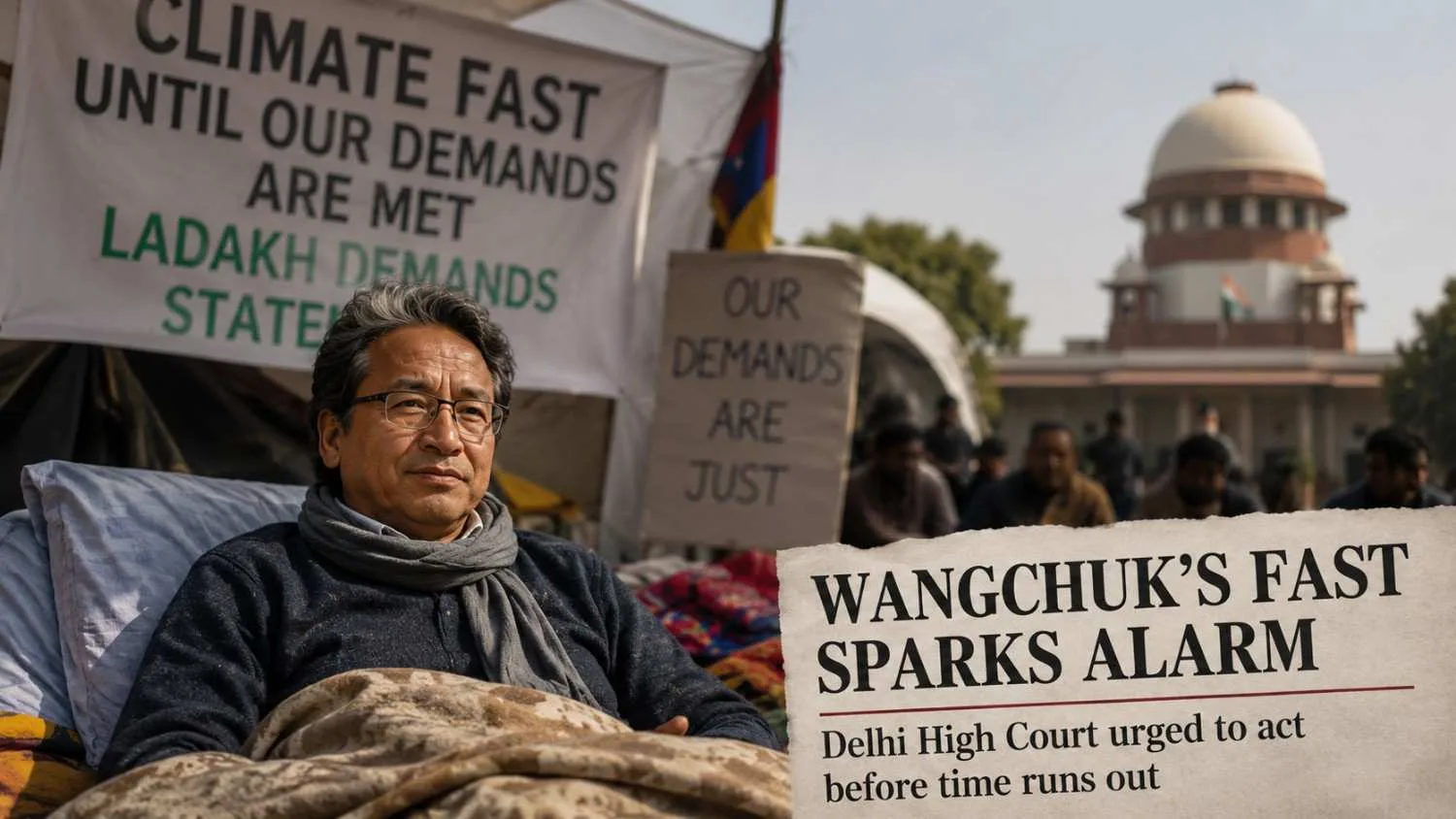
Wangchuk’s Fast Sparks Alarm Delhi High Court urged to act before time runs out By Tiyasha Ghosh How long can a person go without food before the country actually begins to listen? If the price of protest is a life, does silence become the real tragedy? And when someone's health starts deteriorating, should we focus on the protest- or on saving the person behind everything? These questions have taken over as Sonam Wangchuk, the renowned engineer, education reformer and environmental activist from Ladakh, continues his hunger strike in New Delhi. On 15 July, a Public Interest Litigation (PIL) was filed before the Delhi High Court, seeking urgent medical attention for him. The petition claimed that his condition had worsen after more than two weeks of fasting. It stated that he had lost nearly about 8.5 kilograms and alerted that further delay in treatment could put his life at stake. The court has now urged responses from the Centre and the Delhi Government, bringing the matter into the national spotlight. Sonam Wangchuk is known to millions across India. He is well-renowned for his contribution in education, sustainable development and environmental conservation in the Himalayan region. Born and raised in Ladakh, Wangchuk has spent years promoting innovative learning methods and climate-friendly solutions. His contribution also inspired the popular actor, Amir Khan who played as Phunsukh Wangdu in the Bollywood film - 3 Idiots, making him a prominent figure across the country. However, this time, it is not one of his inventions making headlines. It is His silence. As per court records, Wangchuk's health worsened significantly due to fasting. Doctors have reportedly expressed concerns over rapid weight loss, low blood sugar levels and weakness. The PIL has requested immediate medical support including hospitalisation if necessary, stating that protecting a person's life SHOULD BE the number one priority. This case has also ignited an important debate. Should authorities prioritize life over choice and treat hunger strikers? Some believe immediate involvement is necessary to prevent a tragedy. While others argue that peaceful protest is a democratic right and that any medical action should respect the consent of an individual. The Delhi High Court is expected to audit these legal and ethical questions while considering the plea. The incident has stirred emotions well beyond the courtroom. Peaceful protests have been a part of India's democracy since a long time. They have been used often to draw attention to concerns that deserves urgent solution. But when a protest reaches the point where someone's life is at stake, the focus shifts from demands to concerns over human lives. The situation warns us that dialogue delayed is dialogue denied. Early listening can often stop conflicts before it turns into an emergency. As the country waits for the next hearing, many people are hoping for two outcomes- one, Sonam Wangchuk receiving the medical aid he needs, and two, open discussions to get to the root of protesters' concerns. For now, onwards, the court will be deciding the next legal step. But the real question goes far beyond those four walls. Is this how a democracy looks like - waiting until a voice is nearly gone?      Source•    Reuters•    NDTV•    The Times of India•    Hindustan Times   ...Read more

13 Jul 2026

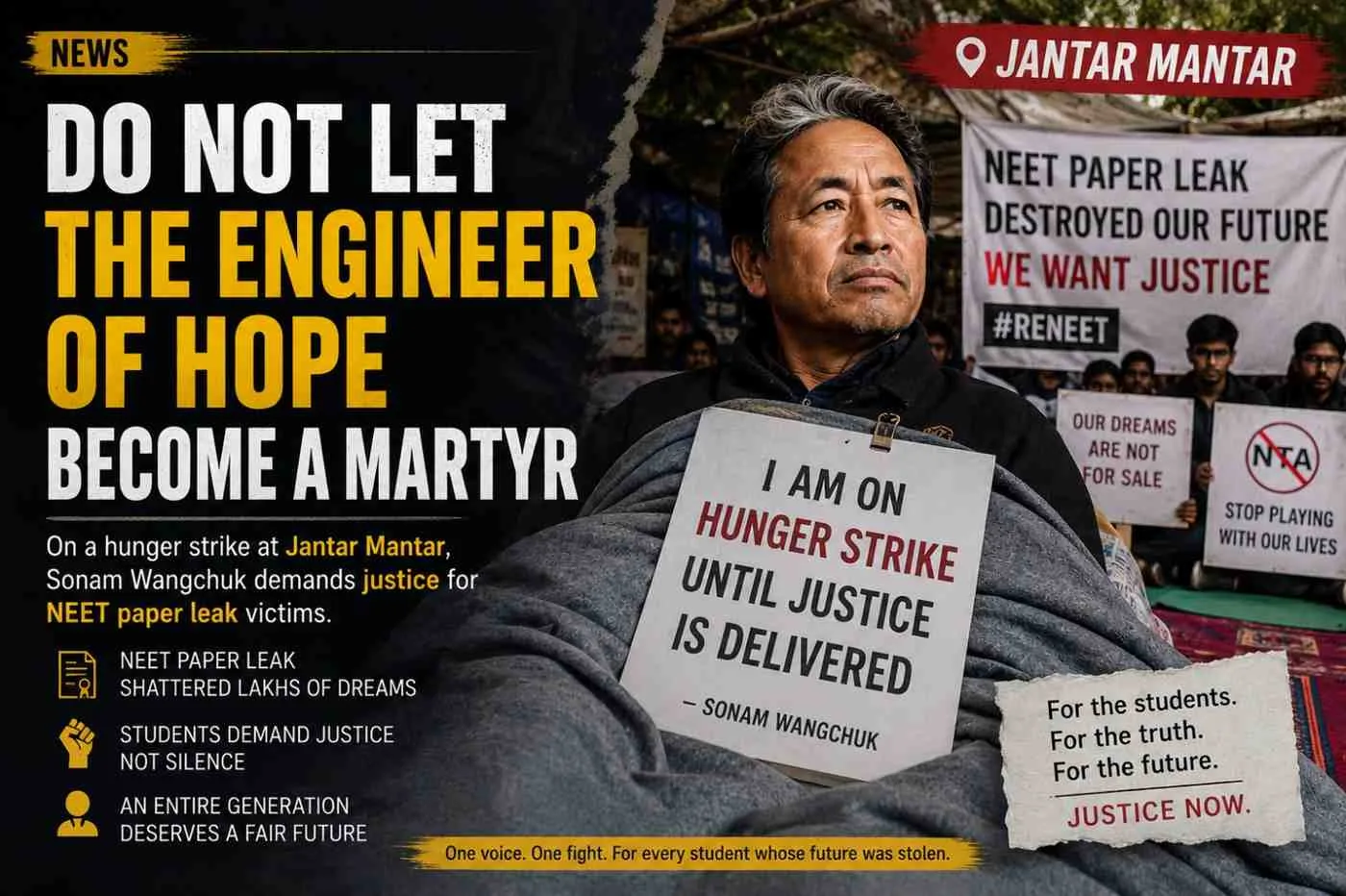
DO NOT LET THE ENGINEER OF HOPE BECOME A MARTYR An article and an appeal by Prof Ujjwal K Chowdhury The man who made ice stand upright is now placing his own body between India’s young people and a system that has failed them. As Sonam Wangchuk’s hunger strike enters its sixteenth day, the Republic must choose dialogue before obituary. UPDATED 13 JULY 2026   THIS IS NO LONGER A CONTEST OF ENDURANCE. IT IS A TEST OF DEMOCRATIC RESPONSIVENESS. A BODY BECOMES THE LAST PETITION At Jantar Mantar, in the hard heat and noise of New Delhi, Sonam Wangchuk’s shrinking body has become an expanding question for India: how much must a citizen suffer before power considers listening a democratic duty? On 13 July 2026, his indefinite hunger strike entered its sixteenth day. Wangchuk began the water-only fast on 28 June in solidarity with the youth-led Cockroach Janta Party protest over the NEET-UG paper leak, wider examination irregularities and the demand for accountability at the highest levels of the Union education establishment. He has also carried into the protest Ladakh’s unresolved demand for constitutional, ecological and democratic safeguards. The latest publicly reported medical figures, from the fifteenth day, were grave enough without exaggeration: a loss of about 7.8 kilograms and blood pressure recorded at 104/66 mm Hg. He was visibly weak. Yet he continued to speak with an almost disarming absence of self-dramatisation. A day earlier, rejecting comparisons with Mahatma Gandhi, he asked citizens not to wait for saviours but to “be your own hero.” That sentence changes the meaning of the fast. Wangchuk is not asking India merely to watch a heroic man suffer. He is asking citizens to recover their own agency. Still, no society can hide behind the striker’s courage. Prolonged fasting can lead to arrhythmia, organ injury, cognitive impairment and death. This is no longer a contest of endurance. It is a race between democratic responsiveness and physical collapse. “A sensitive government in a democracy listens to the pains of the people.”— Sonam Wangchuk, speaking to Reuters, 30 June 2026   THE CRISIS IN NUMBERS INDICATORFACT / CONTEXTDay of fast16th day on 13 July 2026; the water-only fast began on 28 June.Latest reported health dataAbout 7.8 kg weight loss and blood pressure of 104/66 mm Hg on Day 15. These are reported figures, not an independent clinical diagnosis.Scale of NEET impactApproximately 2.3 million candidates were affected by cancellation and retesting after the 2026 paper-leak scandal.Human tollThe Indian Express documented at least 12 deaths by suicide in 37 days before the retest; the Financial Times later reported at least 20 around the crisis. Individual causation requires careful verification.Core public questionWho accepts responsibility when an examination system affecting millions is compromised? Suicide figures are reported counts around the examination crisis; each case requires individual, sensitive verification.   WHEN MERIT IS MADE MEANINGLESS The immediate cause of this fast is not a technical dispute about how an examination was administered. It is the collapse of trust in one of the few institutions through which young Indians are told that effort can overcome birth, geography and poverty. More than 2.3 million candidates were affected when the original NEET-UG 2026 examination was cancelled after the paper-leak scandal and a retest was ordered. Behind that number were families that had spent years paying for coaching, travel, rent, books and application fees; students who had organised adolescence around a single date; and parents who had converted savings, jewellery or debt into hope. A leaked paper does not merely compromise an answer key. It steals time from the honest and sells advantage to the connected. The human cost has been reported in devastating terms. The Indian Express documented at least 12 deaths by suicide in the 37 days between cancellation and the retest; the Financial Times later reported at least 20 student suicides around the examination crisis. Every case has its own circumstances, and no death should be reduced to a slogan or assigned a single cause without careful investigation. But the scale of distress is undeniable. It demands a response rooted in compassion, evidence and institutional responsibility—not statistical evasion. This is the principle at the heart of Wangchuk’s intervention: when a public examination affecting millions fails, accountability cannot end with a press release, a retest and promises of tighter security. It must establish how the breach occurred, who benefited, who failed in oversight, what compensation and counselling are owed to candidates, and what changes will prevent repetition. Otherwise, the state asks young people to trust a system that has offered them no reason to do so. AN EXAMINATION LEAK IS NOT A CLERICAL ERROR. IT IS THEFT FROM MILLIONS OF YOUNG LIVES.   HE NEVER CALLED A CHILD A FAILURE Wangchuk’s presence gives this protest unusual moral force because education is not a theme he discovered for political convenience. It is the work of his life. A mechanical engineer by training, he co-founded the Students’ Educational and Cultural Movement of Ladakh—SECMOL—in 1988. Its founding insight was revolutionary because it was humane: perhaps Ladakhi children were not failing education; perhaps an alienating education system was failing them. Students were often taught through languages, examples and methods disconnected from the mountains, livelihoods and culture around them. Wangchuk helped replace this estrangement with learning rooted in local reality. At SECMOL, a young person could learn solar energy by running a solar-powered campus, management by helping administer it, agriculture by cultivating difficult land, and citizenship by accepting responsibility for a community. The purpose was not to romanticise poor academic performance, but to rebuild confidence and demonstrate that intelligence is wider than memory under examination pressure. His work also contributed to Operation New Hope, a collaboration among communities, civil society and public institutions to reform government schooling in Ladakh. The Ramon Magsaysay Award Foundation honoured him in 2018 for a systematic, collaborative and community-driven transformation of learning systems. The recognition mattered because Wangchuk had not created an elite island for exceptional children. He had helped redesign the relationship between school, society and the child. That history explains why he cannot treat the examination scandal as an administrative inconvenience. To Wangchuk, education is not a sorting machine that discards the many to reward the few. It is a public trust. When that trust is corrupted, the injury is moral before it is procedural. A LIFE OF PRACTICAL IDEALISM INDICATORFACT / CONTEXTEducation reformCo-founded SECMOL in 1988 and helped build culturally rooted, experiential learning for Ladakhi youth.School-system changeContributed to Operation New Hope, linking communities, civil society and government institutions in Ladakh’s education reform.Climate adaptationDeveloped and promoted Ice Stupas to store winter water for spring irrigation.Sustainable architectureDemonstrated passive-solar, earth-based construction suited to extreme Himalayan conditions.Institution buildingCo-founded the Himalayan Institute of Alternatives, Ladakh, centred on learning through real-world problem-solving.RecognitionRolex Award for Enterprise (2016) and Ramon Magsaysay Award (2018), among other honours.   HE MADE ICE STAND UPRIGHT Wangchuk’s best-known invention began with a paradox. Ladakh has abundant frozen water in winter, but farmers need irrigation in spring, before natural glaciers begin to melt sufficiently. His answer was the Ice Stupa: winter stream water channelled through pipes and sprayed into sub-zero air, where it freezes into a tall conical mass. The geometry is the genius. A cone stores a large volume while exposing relatively little surface area to the sun, allowing the ice to melt slowly into the planting season. No grand dam is required, and gravity can do much of the work. The innovation earned Wangchuk the Rolex Award for Enterprise in 2016 and became an internationally recognised model of locally rooted climate adaptation. He has applied the same ethic to passive-solar buildings, earth construction and high-altitude education: begin with the lived problem, respect the ecology, use science intelligently and ensure that the community can operate the solution. His inventions do not arrive from outside demanding that the mountains adjust. They grow from the mountains’ own conditions. There is a painful symmetry in the present moment. The man who taught India how to preserve winter water for the season of need is now consuming his own physical reserves because the institutions meant to preserve public trust appear unwilling to act in time. NOT A FILM CHARACTER—A WORKING METHOD Popular culture introduced millions to Wangchuk through the widespread description of Phunsukh Wangdu, Aamir Khan’s unconventional inventor in 3 Idiots, as partly inspired by him. The comparison made his ideas accessible: curiosity over rote learning, invention over credentialism, usefulness over status. But cinema can also shrink a life into a charming eccentricity. The real Wangchuk has spent decades doing what a film resolves in three hours—building institutions, negotiating with governments, raising resources, making mistakes, testing prototypes, confronting entrenched systems and returning to work the next morning. His importance lies not in being a ‘real-life Wangdu’. It lies in offering a repeatable civic method: understand deeply, simplify intelligently, build collectively and accept responsibility for consequences. That method now indicts the state. A government that celebrates innovation in speeches cannot remain indifferent when one of the country’s most credible innovators says that the architecture of accountability is broken. “Do not wait for a hero. Be your own hero.”— Sonam Wangchuk’s appeal from the protest, 11 July 2026   THE MOUNTAIN IS NOT A POSTCARD The fast is also inseparable from Ladakh. Since the reorganisation of Jammu and Kashmir in 2019, Ladakhi organisations have demanded statehood, constitutional protection under the Sixth Schedule, safeguards for land and employment, and meaningful local authority over development. For Wangchuk, these are not abstract constitutional clauses. They determine who decides the future of a fragile cold desert: its residents, or distant institutions and commercial interests. Ladakh faces glacier retreat, water insecurity, unregulated tourism, infrastructure pressure and the possibility of large projects being imposed without sufficient ecological limits or local consent. A region celebrated as a strategic frontier and tourist paradise can still be denied an adequate democratic voice. Wangchuk undertook a 21-day climate fast in 2024 and helped lead a march towards Delhi. In September 2025, after protests in Leh turned violent and four civilians were killed, the authorities accused him of contributing to unrest through provocative statements. He denied inciting violence and appealed for peace. He was detained under the National Security Act on 26 September and remained imprisoned for roughly 170 days before the Union government revoked the detention in March 2026. Accuracy matters here. Wangchuk was detained under a preventive-detention law; he was not convicted of treason. One may debate his politics, the government’s allegations or the tactics of the movement. But disagreement does not erase the central democratic question: can a border region seek constitutional and environmental safeguards without its most recognisable voice being treated principally as a security problem? SILENCE IS ALSO A DECISION As the fast moves into its third week, the most disturbing fact is not simply Wangchuk’s medical decline. It is the absence, so far, of a publicly reported formal negotiation capable of producing an honourable resolution. Dialogue is sometimes misrepresented as capitulation. In a democracy it is often the opposite: an assertion that institutions are strong enough to hear criticism, test allegations and correct failure. A minister need not accept every accusation in order to meet protesters. A government need not concede every demand in order to establish an independent inquiry, publish a timeline, offer student relief and open structured talks. The state has greater power, greater information and greater capacity than a citizen on a mattress. That asymmetry creates a greater duty of care. To wait for the body to fail is not neutrality. Delay itself becomes policy. ANNA HAZARE: THE LESSON IS NEGOTIATION, NOT NOSTALGIA The memory of Anna Hazare’s 2011 anti-corruption fast inevitably hangs over Jantar Mantar, but the comparison must be made accurately. Hazare began an indefinite fast on 5 April 2011; the Union government constituted a joint drafting committee on 8 April, and he ended the fast on 9 April. His larger August agitation lasted 12 days and ended after Parliament expressed agreement in principle on key demands. The Lokpal and Lokayuktas Act was eventually passed in 2013—not instantly at the protest site. The relevant lesson is not that every hunger strike should dictate legislation. It is that government engagement can begin before a citizen’s health reaches an irreversible threshold. Negotiation does not make elected authority weak; it demonstrates that authority understands its constitutional purpose. Wangchuk’s sixteenth day therefore carries a stark question. If the state could open talks with a fasting anti-corruption campaigner in 2011, why can it not establish a credible channel with an educator and environmentalist in 2026—especially when millions of students have already borne the cost of an acknowledged examination breakdown? DIALOGUE DOES NOT DIMINISH ELECTED AUTHORITY. IT REVEALS WHETHER AUTHORITY REMEMBERS ITS PURPOSE.   IF HE DIES, INDIA DOES NOT WIN No responsible article should romanticise Wangchuk’s death. Martyrdom is not a policy outcome, and a funeral is not institutional reform. Yet refusing to consider the consequences would be equally irresponsible. First, an examination controversy would become a moral crisis of the Republic. The defining question would no longer be only who leaked a paper, but why meaningful engagement did not begin while a nationally respected citizen’s health deteriorated in public view. Second, scattered youth anger could acquire a unifying symbol. Paper leaks, unemployment, delayed recruitment, expensive coaching and arbitrary evaluation cross state, caste, class and language. Wangchuk’s death could connect these grievances into a wider consciousness of generational injustice. Peaceful frustration may then harden into a belief that institutions respond only after catastrophe. Third, Ladakh’s constitutional movement would be transformed. A demand often treated as remote would be carried everywhere by the image of a Ladakhi educator dying in the national capital. The loss of a bridge-builder can empower voices less patient with dialogue. For a sensitive border region, alienation is not an abstract political cost. Fourth, India’s international standing would suffer. Wangchuk is globally recognised for climate adaptation and educational reform. His preventable death during a non-violent protest would be cited in debates about democratic dissent, environmental justice and the treatment of civil-society actors. Finally, the country could commit its most familiar act of evasion: mourn the man while abandoning the work. Institutions might be named after him, quotations circulated and statues proposed, while examination governance remained opaque and Ladakh’s safeguards unresolved. India has often found it easier to garland a photograph than to complete an unfinished agenda. THE COUNTRY MUST CHOOSE NEGOTIATION BEFORE OBITUARY.   SAVE THE MAN—AND REPAIR THE SYSTEM The answer cannot be merely to plead with Wangchuk to eat while leaving untouched the conditions that led him to fast. Nor should supporters value the symbolic power of his suffering above his life. Both the humanitarian emergency and the institutional demands must be addressed together. The government should immediately appoint a senior, empowered interlocutor; open a recorded and time-bound dialogue with Wangchuk, student representatives and Ladakhi leaders; commission an independent investigation into the examination breach and associated administrative failures; publish a transparent reform schedule; and create psychological, academic and financial support for affected candidates and bereaved families. It should also resume credible constitutional discussions on Ladakh with ecological safeguards and local consent at the centre. At the protest site, independent medical monitoring must be protected, clinical information communicated responsibly, and every route explored for a negotiated withdrawal that preserves Wangchuk’s dignity. Saving a life is not a political favour. It is the minimum duty of a state confronted with foreseeable harm. Wangchuk has spent nearly four decades showing that apparently impossible problems can be redesigned. A student branded a failure can become a leader. Winter water can irrigate spring fields. Mud, sunlight and intelligence can keep a building warm at Himalayan temperatures. A marginal region can generate ideas for the world. The problem before India is simpler than any of those: can power cross a few kilometres in Delhi and speak to a citizen before his body is broken? The nation does not need another photograph draped in marigolds. It needs Sonam Wangchuk alive—in a classroom, on a mountain, beside an ice stupa, arguing, inventing and reminding us that public life can still be useful. The highest tribute is not to prepare an obituary. It is to create the conditions in which he can eat again. The mountains are watching. The young are waiting. The clock is not. WHAT RESPONSIBLE ACTION LOOKS LIKE A senior, empowered government interlocutor and a formal negotiation channel.An independent, time-bound inquiry into the leak, oversight failures and beneficiary networks.A published examination-security reform plan with institutional accountability.Counselling, academic relief and financial support for affected candidates and bereaved families.Renewed constitutional talks on Ladakh, with ecology, land, jobs and local consent at the centre.Independent medical monitoring and an honourable path for ending the fast.   SOURCE NOTES AND FACT-CHECKING BASIS 1. Reuters, “India’s Cockroach party seeking education minister’s ouster awaits cabinet reshuffle,” 30 June 2026. 2. The Times of India, “Watch: Sonam Wangchuk looks visibly weak as hunger strike enters day 15th,” updated 12 July 2026. 3. India Today/PTI, “I am not Gandhi, be your own hero: Sonam Wangchuk urges citizens to join protest,” 11 July 2026. 4. The Indian Express, “Ahead of NEET-UG re-exam, 12 suicides in 37 days,” 20 June 2026. 5. Financial Times, “Why India’s education system gets poor marks from millions of students,” 13 July 2026. 6. Ramon Magsaysay Award Foundation, official citation for Sonam Wangchuk, 2018. 7. Rolex Awards for Enterprise, official project profile: Sonam Wangchuk and the Ice Stupa initiative, 2016. 8. Reuters, “Indian activist’s hunger strike for Ladakh autonomy draws thousands of supporters,” 23 March 2024. 9. Reuters, “Indian police arrest activist Wangchuk after deadly Ladakh protests,” 26 September 2025. 10. Press Information Bureau, Government of India, Finance Minister’s statement in Lok Sabha on the 2011 Lokpal movement, 27 August 2011; India Code, Lokpal and Lokayuktas Act, 2013.   ...Read more

12 May 2026

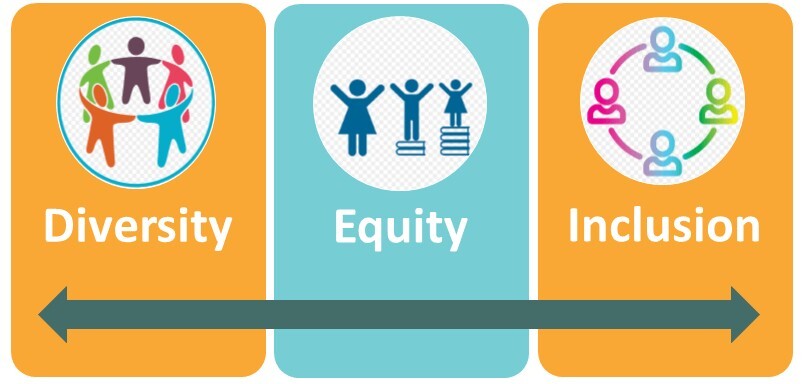
Diversity, Equity, and Inclusion (DEI) have moved from being a department in HR to a core component of labor compliance and corporate strategy. In the past, diversity was often treated as a "numbers game"—meeting certain quotas for gender or ethnicity. Today, the focus is on Systemic Equity, which examines the underlying structures of a company to ensure that all individuals have the same access to opportunities, regardless of their background, neurodiversity, or physical ability. The innovation in this space is the move toward Data-Driven Inclusion Audits. Instead of general surveys, companies are using AI to analyze promotion rates, pay gaps, and "Attrition Velocity" across different demographics. If the data shows that a specific group is leaving the company at twice the average rate, it signals a failure in the social environment that needs immediate intervention. This proactive compliance model helps identify "Micro-exclusions"—subtle, systemic barriers that prevent talented individuals from reaching leadership positions. Community engagement is the final pillar of this strategy. A truly compliant company in 2026 does not exist in a vacuum; it is an active participant in its local ecosystem. This means "Local Sourcing" for labor and services, investing in local education through STEM programs, and ensuring that the company’s presence does not lead to gentrification or displacement. By integrating the company into the social fabric of its community, businesses create a "Mutual Value Exchange." This not only boosts the company’s reputation but also creates a stable, skilled local labor pool, ensuring that social and labor compliance is not just an ethical duty, but a powerful engine for regional economic growth. ...Read more

12 May 2026

In the 21st century, the greatest threats to corporate stability are no longer just market competitors, but "Gray Swan" events—predictable but ignored risks such as climate-driven supply chain collapses or social unrest. Governance is the mechanism through which an organization identifies, assesses, and mitigates these non-financial risks. The integration of ESG into the Enterprise Risk Management (ERM) framework is the most significant evolution in corporate governance in recent years. It requires a shift from "historical risk" (looking at what happened in the past) to "scenario-based risk" (modeling what could happen in various climate and social futures). One of the primary tools in modern risk governance is Climate Scenario Analysis. Boards use sophisticated models to stress-test their business strategies against different global warming pathways (e.g., a $1.5^\circ C$ vs. a $3^\circ C$ world). This allows them to identify "stranded assets"—investments that may lose their value prematurely due to environmental regulations or physical climate changes. By identifying these risks years in advance, governed companies can "orderly transition" their portfolios, divesting from high-risk sectors and reinvesting in resilient, low-carbon alternatives. Social risk management has also become more sophisticated through Human Rights Due Diligence (HRDD). Governance protocols now mandate that companies look beyond their direct operations to identify risks in their Tier 2 and Tier 3 suppliers. By utilizing "whistleblower" technologies and satellite monitoring, companies can detect forced labor or environmental degradation in real-time, allowing them to terminate unethical contracts before they cause reputational or legal damage. Ultimately, governance is about Resilience. A well-governed company is not one that avoids all risk, but one that has the transparency, ethical leadership, and data-driven insights to navigate a volatile world while maintaining the trust of its stakeholders. ...Read more

12 May 2026

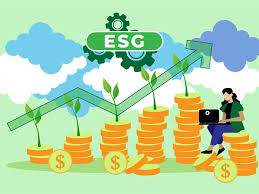
ESG reporting was once a voluntary, narrative-heavy marketing exercise. Today, it is a rigorous, data-driven discipline that is as critical as financial auditing. The transition to mandatory disclosure frameworks, such as the Corporate Sustainability Reporting Directive (CSRD) and the IFRS Sustainability Disclosure Standards, has effectively ended the era of "Greenwashing." Transparency is no longer a choice; it is a regulatory requirement that determines a company’s access to capital markets. Investors now view a lack of ESG transparency as a sign of hidden operational risk. The innovation driving this transparency is Double Materiality. This governance concept requires companies to report not only on how sustainability issues affect their financial performance (outside-in) but also on how their operations impact the environment and society (inside-out). By adopting this dual lens, organizations provide stakeholders with a 360-degree view of their value creation. To manage the vast amounts of data required for such reporting, companies are utilizing "Sustainability ERP" (Enterprise Resource Planning) systems that automate the collection of carbon, waste, and labor data from every corner of the supply chain. Moreover, the rise of Assurance and Auditability is bridging the trust gap. Just as financial statements are audited by third-party firms, ESG reports are now undergoing "Limited" and, increasingly, "Reasonable" assurance processes. This level of scrutiny ensures that a company’s claims about its renewable energy use or gender pay gap are verified by independent experts. For the modern corporation, a high-quality ESG report is the ultimate calling card—a demonstration of transparency that attracts ESG-focused funds, lowers the cost of debt, and builds a resilient brand in a skeptical marketplace. ...Read more

12 May 2026

Diversity, Equity, and Inclusion (DEI) have moved from being a department in HR to a core component of labor compliance and corporate strategy. In the past, diversity was often treated as a "numbers game"—meeting certain quotas for gender or ethnicity. Today, the focus is on Systemic Equity, which examines the underlying structures of a company to ensure that all individuals have the same access to opportunities, regardless of their background, neurodiversity, or physical ability. The innovation in this space is the move toward Data-Driven Inclusion Audits. Instead of general surveys, companies are using AI to analyze promotion rates, pay gaps, and "Attrition Velocity" across different demographics. If the data shows that a specific group is leaving the company at twice the average rate, it signals a failure in the social environment that needs immediate intervention. This proactive compliance model helps identify "Micro-exclusions"—subtle, systemic barriers that prevent talented individuals from reaching leadership positions. Community engagement is the final pillar of this strategy. A truly compliant company in 2026 does not exist in a vacuum; it is an active participant in its local ecosystem. This means "Local Sourcing" for labor and services, investing in local education through STEM programs, and ensuring that the company’s presence does not lead to gentrification or displacement. By integrating the company into the social fabric of its community, businesses create a "Mutual Value Exchange." This not only boosts the company’s reputation but also creates a stable, skilled local labor pool, ensuring that social and labor compliance is not just an ethical duty, but a powerful engine for regional economic growth. ...Read more

12 May 2026

Occupational Health and Safety (OHS) has historically focused on the "Hard Hats and Harnesses" aspect of labor—preventing slips, trips, and falls. While physical safety remains paramount, the 2026 compliance landscape has expanded to include Psychological Safety and mental health. With the rise of the digital economy and "Always-On" work cultures, burnout and mental fatigue have become recognized workplace hazards. Regulatory bodies like OSHA and the ILO are now introducing guidelines that treat chronic stress and workplace harassment with the same gravity as mechanical hazards. Modern safety compliance utilizes the Hierarchy of Controls, but it applies them to social environments. For example, rather than simply providing a "resilience workshop" (which is essentially Personal Protective Equipment for the mind), companies are looking to "Eliminate" and "Substitute" the stressors themselves. This involves redesigning workflows to prevent extreme overtime, implementing "Right to Disconnect" policies, and fostering a culture where employees can report misconduct or errors without fear of retribution. This "Just Culture" is essential for high-stakes industries like healthcare and manufacturing, where a fear-based environment leads to hidden mistakes and, eventually, catastrophic physical accidents. Furthermore, technology is playing a vital role through Biometric Safety Monitoring. Wearable devices can now track a worker's fatigue levels, heart rate, and heat stress, alerting supervisors before an accident occurs. However, this creates a new compliance tension: the balance between safety and privacy. Ethical companies are navigating this by ensuring that safety data is anonymized and used exclusively for protection, not for surveillance or punitive measures. By treating the worker as a holistic being—both physical and mental—companies are building more resilient and sustainable workforces. ...Read more

12 May 2026

For decades, labor compliance was defined by the "Minimum Wage"—a legal floor that, in many jurisdictions, failed to keep pace with the actual cost of living. However, a seismic shift is occurring as global brands move toward the Living Wage Standard. A living wage is defined as the minimum income necessary for a worker to meet their basic needs, including food, housing, healthcare, and education, while still allowing for a small margin of discretionary income. For a modern corporation, transitioning to a living wage model is a complex financial and operational challenge, yet it is becoming a mandatory benchmark for ESG (Environmental, Social, and Governance) investors. The primary barrier to this transition is the "Competitive Disadvantage" myth. Critics argue that increasing wages leads to higher product costs, driving consumers toward cheaper, less ethical competitors. However, empirical data from 2024 to 2026 suggests the opposite: companies paying living wages see a drastic reduction in Employee Turnover Costs. The expense of recruiting and training new staff often far exceeds the cost of a wage increase. Furthermore, "Efficiency Wage Theory" posits that better-paid workers are more productive, have lower rates of absenteeism, and exhibit higher levels of loyalty and engagement, which directly impacts the bottom line. To implement this, companies are using Social Impact Auditing tools that map local cost-of-living data against payroll in real-time. This ensures that even in remote parts of the global supply chain, workers are not just surviving, but thriving. This approach also mitigates the risk of child labor and forced labor; when parents earn a dignified wage, the economic necessity to pull children out of school or work in predatory conditions evaporates. In this sense, wage compliance is the ultimate preventative measure for broader human rights violations. ...Read more

12 May 2026

The greatest historical barrier to environmental compliance has been the lack of accurate, real-time data. For years, companies reported their emissions and water usage based on annual estimates, which often hid spikes in pollution or inefficiencies. In 2026, the rise of Environmental IoT (Internet of Things) and satellite-based monitoring has created an era of "Radical Transparency." Sensors placed at every emission point and discharge pipe now provide a continuous stream of data to both corporate dashboards and regulatory agencies. This eliminates the "compliance lag" and allows for immediate corrective action when a threshold is breached. AI-driven analytics are now used to correlate environmental data with operational performance. By analyzing patterns in energy surges or water waste, AI can predict equipment failures that might lead to an environmental incident. This Predictive Maintenance is a game-changer for compliance, shifting the focus from "cleaning up a mess" to "preventing the mess from happening." Furthermore, blockchain technology is being utilized to create immutable "Environmental Passports" for products, tracking their carbon and water footprints through every step of the global supply chain. As consumer demand for "Green Provenance" grows, this digital data becomes a powerful marketing tool. Companies that can prove their environmental claims with hard, real-time data gain a significant competitive advantage over those that rely on vague sustainability reports. In this digital age, environmental compliance is no longer a hidden back-office function; it is a front-facing demonstration of a company’s technological sophistication and ethical integrity. The companies that thrive will be those that embrace this transparency, using data not just to satisfy regulators, but to optimize their relationship with the natural world. ...Read more