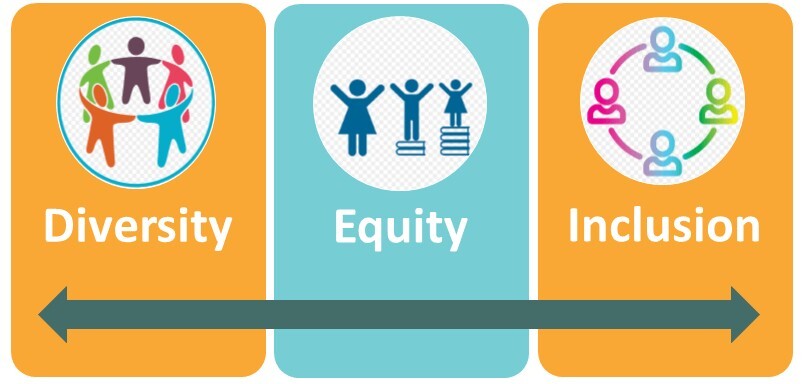
Diversity, Equity, and Inclusion (DEI) have moved from being a department in HR to a core component of labor compliance and corporate strategy. In the past, diversity was often treated as a "numbers game"—meeting certain quotas for gender or ethnicity. Today, the focus is on Systemic Equity, which examines the underlying structures of a company to ensure that all individuals have the same access to opportunities, regardless of their background, neurodiversity, or physical ability.
The innovation in this space is the move toward Data-Driven Inclusion Audits. Instead of general surveys, companies are using AI to analyze promotion rates, pay gaps, and "Attrition Velocity" across different demographics. If the data shows that a specific group is leaving the company at twice the average rate, it signals a failure in the social environment that needs immediate intervention. This proactive compliance model helps identify "Micro-exclusions"—subtle, systemic barriers that prevent talented individuals from reaching leadership positions.
Community engagement is the final pillar of this strategy. A truly compliant company in 2026 does not exist in a vacuum; it is an active participant in its local ecosystem. This means "Local Sourcing" for labor and services, investing in local education through STEM programs, and ensuring that the company’s presence does not lead to gentrification or displacement. By integrating the company into the social fabric of its community, businesses create a "Mutual Value Exchange." This not only boosts the company’s reputation but also creates a stable, skilled local labor pool, ensuring that social and labor compliance is not just an ethical duty, but a powerful engine for regional economic growth.






Add a Comment