08 May 2026
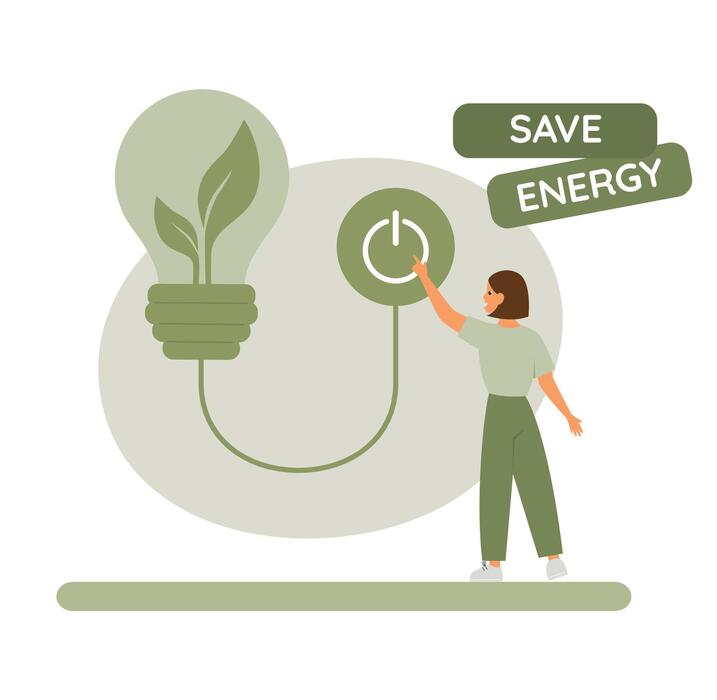
National Energy Conservation Day, observed annually on December 14th, serves as a pivotal cornerstone in India's journey toward a self-reliant and sustainable future. Orchestrated by the Bureau of Energy Efficiency (BEE), this day is not merely a symbolic gesture; it is a strategic mobilization of the country’s collective intellect and resources. It stands as a reminder that the "greenest" kilowatt-hour is the one that is never generated, and that energy conservation is the most cost-effective and immediate solution to the dual challenges of economic growth and climate change. In a rapidly developing nation like India, where energy demand is projected to grow faster than in any other country over the next two decades, conservation is not just an environmental preference—it is a national security imperative. The Architecture of Efficiency: Conservation vs. GenerationTo understand the significance of this day, one must distinguish between "energy conservation" and "energy efficiency." While conservation involves behavioral changes (such as turning off lights when not in use), energy efficiency involves technological optimization (using LED bulbs or high-efficiency motors to achieve the same result with less power). Together, they form the "First Fuel" of a sustainable economy. 1. Decoupling Growth from ConsumptionFor decades, it was believed that economic growth required a proportional increase in energy consumption. However, through aggressive energy conservation policies, India is proving that it can decouple GDP growth from energy intensity. By optimizing industrial processes and implementing building codes, we are learning to produce more while using less. 2. The Climate ImperativeEnergy production is the largest contributor to greenhouse gas emissions in India. By reducing our total energy demand through conservation, we directly lower the burden on our thermal power plants, thereby accelerating our path toward the "Panchamrit" goals—India's five-fold commitment to climate action, including reaching net-zero emissions by 2070. The Strategic Pillars of National ConservationIndia’s strategy for energy conservation is multifaceted, targeting the sectors with the highest footprints: Industry, Buildings, and Appliances. I. The Industrial Frontier: The PAT SchemeThe Perform, Achieve, and Trade (PAT) scheme is a flagship initiative of the BEE. It targets energy-intensive industries (such as cement, steel, and fertilizers) and sets mandatory specific energy consumption targets. Industries that exceed their targets are rewarded with Energy Saving Certificates (ESCerts), which can be traded. This market-based mechanism has transformed energy efficiency from a regulatory burden into a financial asset. II. Urban Evolution: The Energy Conservation Building Code (ECBC)As India undergoes a massive urban transition, the buildings we construct today will lock in energy consumption patterns for the next 50 years. The Energy Conservation Building Code (ECBC) ensures that new commercial buildings incorporate "passive design" features—utilizing natural light, superior insulation, and ventilation—to minimize the need for artificial cooling and lighting. III. The Domestic Revolution: Standards & LabelingThe iconic "Star Labeling" system on appliances (ACs, refrigerators, geysers) has democratized energy conservation. It empowers the average consumer to make informed decisions, transforming every household into a participant in the national conservation movement. The UJALA scheme, which distributed millions of LED bulbs across the country, stands as one of the world’s largest and most successful energy-efficiency programs, drastically reducing the peak load on the national grid. The India-UAE Energy Corridor: A Synergy of EfficiencyThe dialogue surrounding National Energy Conservation is increasingly global. The burgeoning India-UAE Sustainability Corridor offers a masterclass in how cross-border cooperation can drive efficiency. Green Hydrogen Synergy: As the UAE invests in large-scale green hydrogen production, India provides the technological expertise and market demand. This collaboration focuses not just on producing clean energy, but on ensuring that the process of production and transport is energy-efficient. Knowledge Exchange in Arid Cooling: Both nations face extreme cooling demands. Joint research into "District Cooling" systems—which are up to 40% more efficient than individual air conditioning units—is a key highlight of this partnership. Innovation: The Digital Grid and AIThe future of energy conservation lies in the marriage of power and pixels. The integration of Smart Grids and Artificial Intelligence (AI) is revolutionizing how we monitor consumption. Demand-Side Management (DSM): AI algorithms can now predict peak load times and automatically adjust the energy consumption of industrial equipment or smart home appliances, smoothing out the demand curve and preventing the need for "peaker" power plants (which are often the most polluting). IoT and Real-Time Monitoring: Internet of Things (IoT) sensors allow factory managers and homeowners to see exactly where energy is being wasted in real-time, moving conservation from a monthly bill reflection to a second-by-second action. The Social Dimension: Energy Conservation as a Lifestyle (LiFE)Prime Minister Narendra Modi’s Mission LiFE (Lifestyle for Environment) emphasizes that conservation is rooted in mindful consumption. In the Indian context, conservation is not a new concept; it is an ancestral value. Reclaiming these values—such as the "circularity" of resources and the "frugality" of waste—is essential for a modern sustainable society. When an individual chooses a bicycle for a short commute, or a company chooses to hold a "Green Hour," they are contributing to the national energy reserve. Conservation is a collective effort where the "power of one" translates into the "power of millions." The Economic Dividend: Why Conservation Makes SenseBeyond the environment, the economics of conservation are undeniable: Reduced Energy Bills: For industries, efficiency directly improves the bottom line and global competitiveness. Job Creation: The energy efficiency sector is a major employer, creating "green-collar" jobs in auditing, retrofitting, and high-tech manufacturing. Subsidy Reduction: By reducing the total demand for power, the government can reduce the massive subsidies provided to the power sector, freeing up capital for healthcare and education. Conclusion: A Vision for 2047As India marches toward its centenary of independence in 2047, energy conservation will be the silent engine of its progress. We are transitioning from a period of "energy scarcity" to an era of "energy responsibility." National Energy Conservation Day is a call to move beyond the technical and into the ethical. It asks us to view energy not as an infinite commodity, but as a precious resource that must be managed with wisdom and foresight. By integrating cutting-edge technology with traditional values and strategic international partnerships, we can build a nation that doesn't just grow fast, but grows smart. Let us resolve to make every day an energy conservation day. Through our choices today, we secure the light for tomorrow. Strategic Action Points for Sustain Verse (The 'Features' Perspective):The Audit Advantage: Highlighting the importance of professional energy audits for SMEs to identify hidden waste. The Tech Showcase: Featuring innovations in solid-state cooling and high-efficiency motor technology. Corporate Leadership: Showcasing Indian firms that have achieved "Carbon Neutrality" through aggressive efficiency measures. ...Read more