
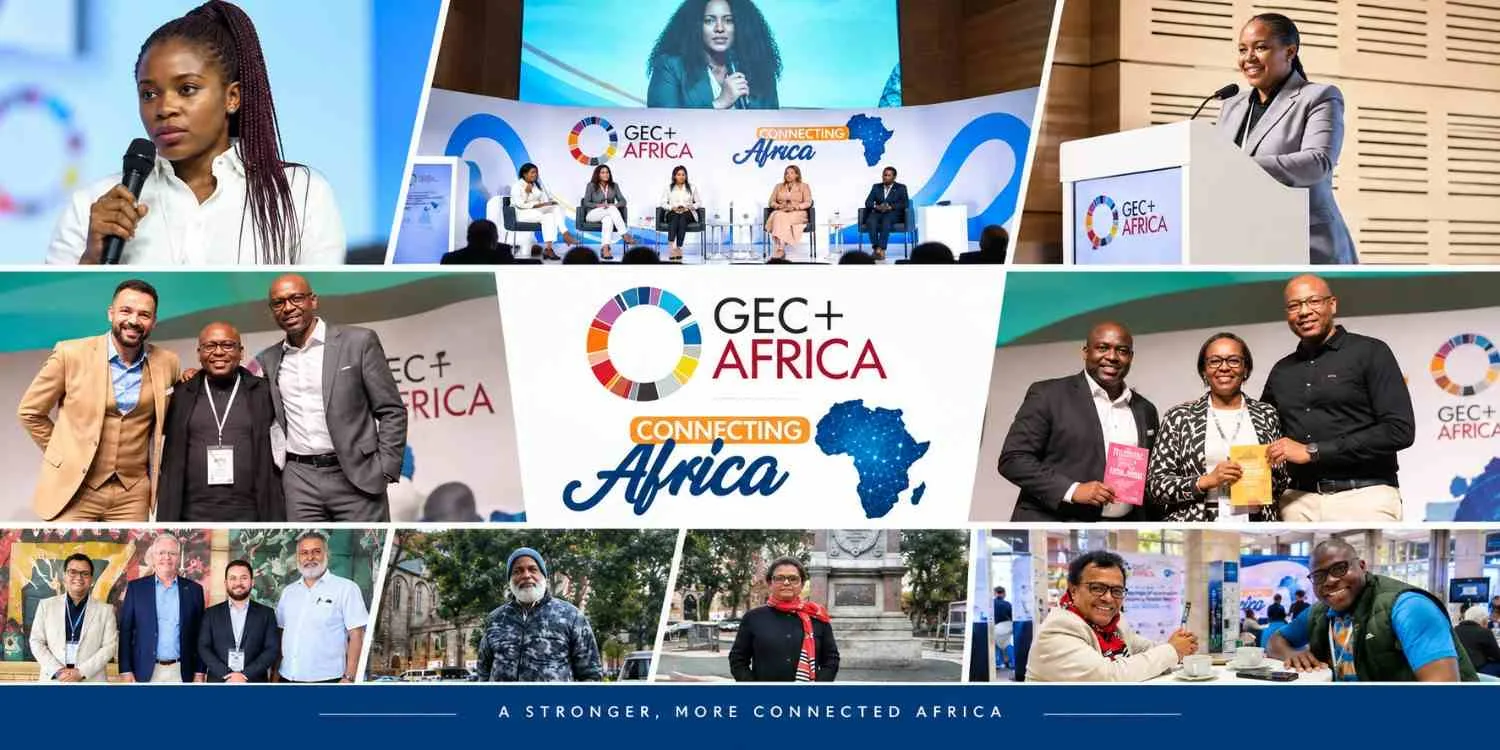
Cape Town, 18 September 2026
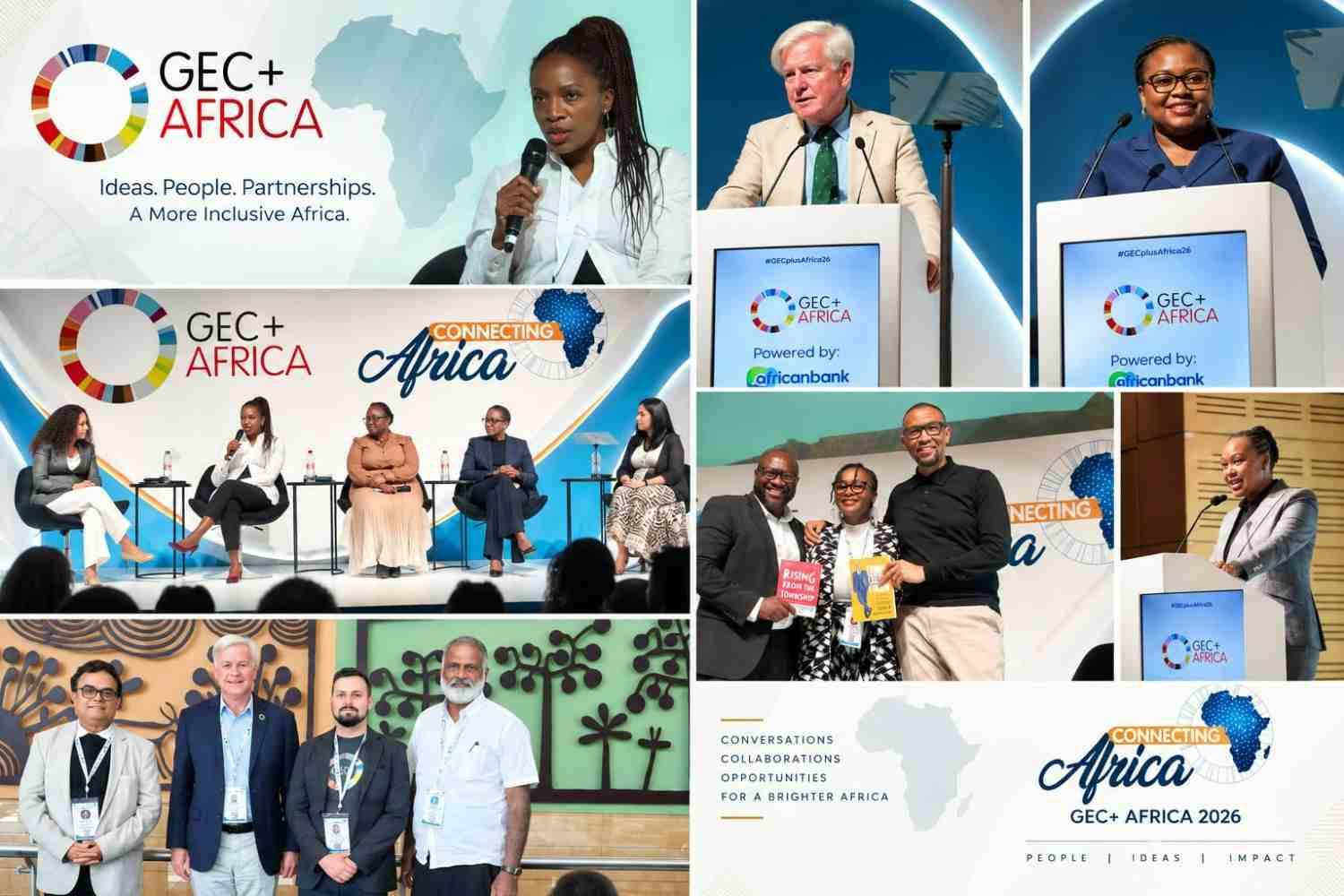
Day two of GEN’s Global Entrepreneurship Congress Africa (GEC+Africa) became a practical examination of the conditions that make entrepreneurship possible: responsive cities, useful artificial intelligence, investable women-led ventures and routes for small businesses to scale across borders.
At the Cape Town International Convention Centre, the 16–17 September congress followed the theme “Connecting Africa” and brought about 2,000 entrepreneurs, investors, policymakers, corporates and ecosystem organisations together. Hosted by GEN Africa and 22 On Sloane, it combined plenaries with research, pitching, exhibitions, masterclasses and investor engagement.
The morning opened with Alderman James Vos, Mayoral Committee Member for Economic Growth in Cape Town, who presented the city’s Ease of Doing Business approach. Its real-time index tracks ten areas: public-land transfers, land-use rights, building-plan approvals, wayleaves, electricity, water, revenue and rates clearances, business licences, informal-trading permits and digitisation. “If you can measure it, you can manage it,” Vos said.
The latest business survey gave public-service quality a score of 92, up from 86 in 2023/24, based on 369 businesses and 27 interviews, according to Invest Cape Town’s survey and Ease of Doing Business dashboard. Vos described support and investment reaching 100,000 small businesses in software, fintech, tourism, cybersecurity and light manufacturing, alongside a long-term infrastructure push focused on mobility, safety and energy. The objective, he said, is an ecosystem that completes rather than competes.
AI and the workforce then took centre stage. Moderated by Winnie Karanu, founder and CEO of Reign Advisors, the session featured Vukani Mngxati, CEO of Microsoft South Africa, and Robert Koen, Managing Director of Amazon Sub-Saharan Africa.
Mngxati compared AI with the combustion engine’s transformation of mobility and trade. He cited research showing that 64% of African workers had used AI at work in the previous year, against 54% globally, while only 35% believed their skills would remain relevant over the next three years. “The hero of AI is you,” he said. Africa, he argued, must move from consuming AI to contributing locally relevant systems, with access beyond a narrow group. He framed the practical test as learning to work better, serve customers faster and use AI to discover innovation.
Koen highlighted the Amazon Skills Centre and the need to build digital and AI capability among young people. Speakers described AI as an extraordinary advisory service—not a substitute for human responsibility—and called for basic literacy, tools that solve small-business problems, trustworthy systems, cloud security and a reliable market for AI-enabled enterprise. Regulation, including a possible global framework, was presented as necessary to stop AI becoming a “super beast”.
The deep dive into AI and workforce talked about AI that is inclusive, locally relevant and with African priorities. One speaker compared how combustion engine changed mobility for ever to how AI will change the way we live and do business for ever. AI will surely make work faster, productive and lower the expenses in African context remarkably, and will lead to some sort of a democratization of workflow. Consider AI as an incredible advisory service but whether to take the advice, to what extent and with what changes, still remains a human decision. The South African Amazon head spoke about the Amazon Skills Centre and its role in upgrading digital-AI skills of the youths here.
A thought leadership talk by the South African Microsoft head later focused on the use of AI to answer these questions: how can I learn to do my work better, how do I serve my customers faster, and how can AI help in shifting outcomes and discovering innovation.
A session also focused on the need of basic knowledge and the ability for value production through AI, creating reliable market for small businesses through AI, getting access to using AI tools to solve business problems, and the need of trust factor behind the tools we use, along with cloud security which is a must factor for using AI in business. A speaker did also speak about why government regulation or a global regulatory regime is needed to prevent AI from becoming a super beast.
The women-in-business panel, moderated by Carmen Rudd, featured Edna Sathekga-Montse of African Bank, Janice Johnston of Edge Growth Venture, Fadilah Tchoumba of the African Business Angel Network, Khangi Khoza of Swissport and Sana Afouaiz of Womenpreneur Initiative.
It examined barriers that remain stark in parts of Africa: women can still be prevented by law from owning land, limiting assets and access to credit. “Empowerment is the incremental release of control,” Sathekga-Montse said. Speakers urged larger companies to feed, not swallow, smaller enterprises; integrate sustainability and technology; discuss money with girls from childhood; and treat failure and asking for help as part of entrepreneurship. One speaker recalled Nelson Mandela: “It always seems impossible till the work is done.”
Ms Edna of African Bank very rightly noted, “Empowerment is the incremental release of control, and is very true in the case of women.” She emphasized on how the business of tomorrow will reward the integration of sustainability and technology for long term and fast growth. One speaker quoted Nelson Mandela, “It always seems impossible till the work is done,” in the context of women led enterprises. “Talking about money is important for women entrepreneurs from the childhood,” said a lady entrepreneur. “Celebrate failure as much as success, and support those who have had occasional failures, and asking for help is natural and human,” Edna noted.
Minister Stella Tembisa Ndabeni, South Africa’s Minister of Small Business Development, set out a progression from idea to enterprise, market, investment and scale. She argued that ecosystem capital and digital capacity must move home-grown and informal businesses from local to national, African and global markets. She also addressed gender-based violence, warning: “We cannot speak about building prosperous economies while women are afraid in their homes and communities,”. Economic freedom, she said, is incomplete without safety.
The programme also included a digital-economy fireside with Phuthi Mahanyele-Dabengwa, Group Executive Director of Naspers and Prosus; a fintech panel; research and policy discussions; and regional pitching by 15 finalists.
GEN founder and president Jonathan Ortmans placed the day in a wider frame: entrepreneurship is entering an era of democratisation, as expensive technologies give way to accessible tools and alternative finance, while green and nature-based businesses gain importance. A closing GEN leadership session reviewed the congress’s African gains and looked ahead to the Global Congress in Doha in March 2027.
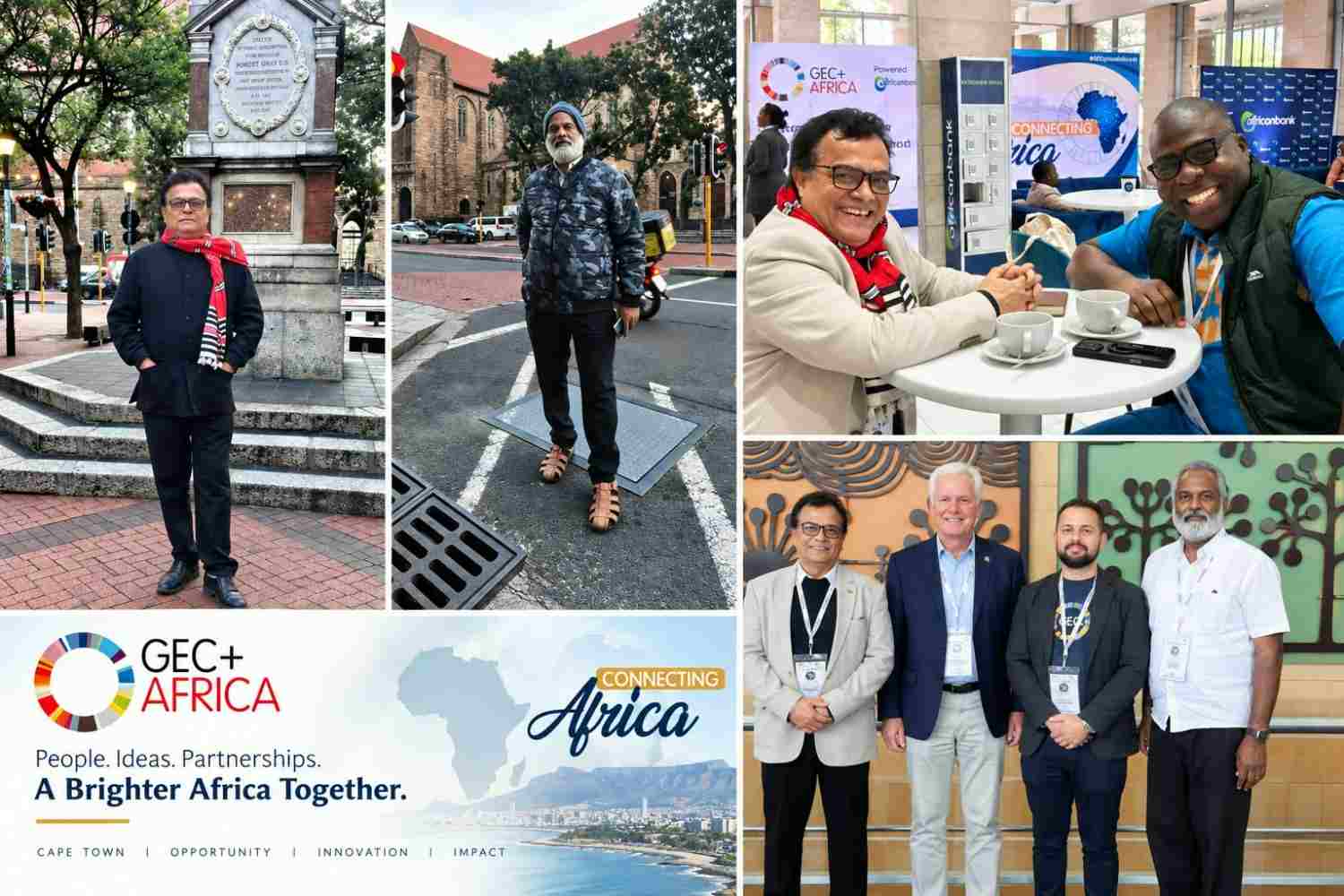
YEFI was represented by its founder, Mathew Mattam, and board member Prof Ujjwal K. Chowdhury. Their participation reflected the event’s central proposition: Africa’s entrepreneurial future will be built through connections that convert skills, ideas and inclusion into investment, jobs and cross-border growth.


Add a Comment