
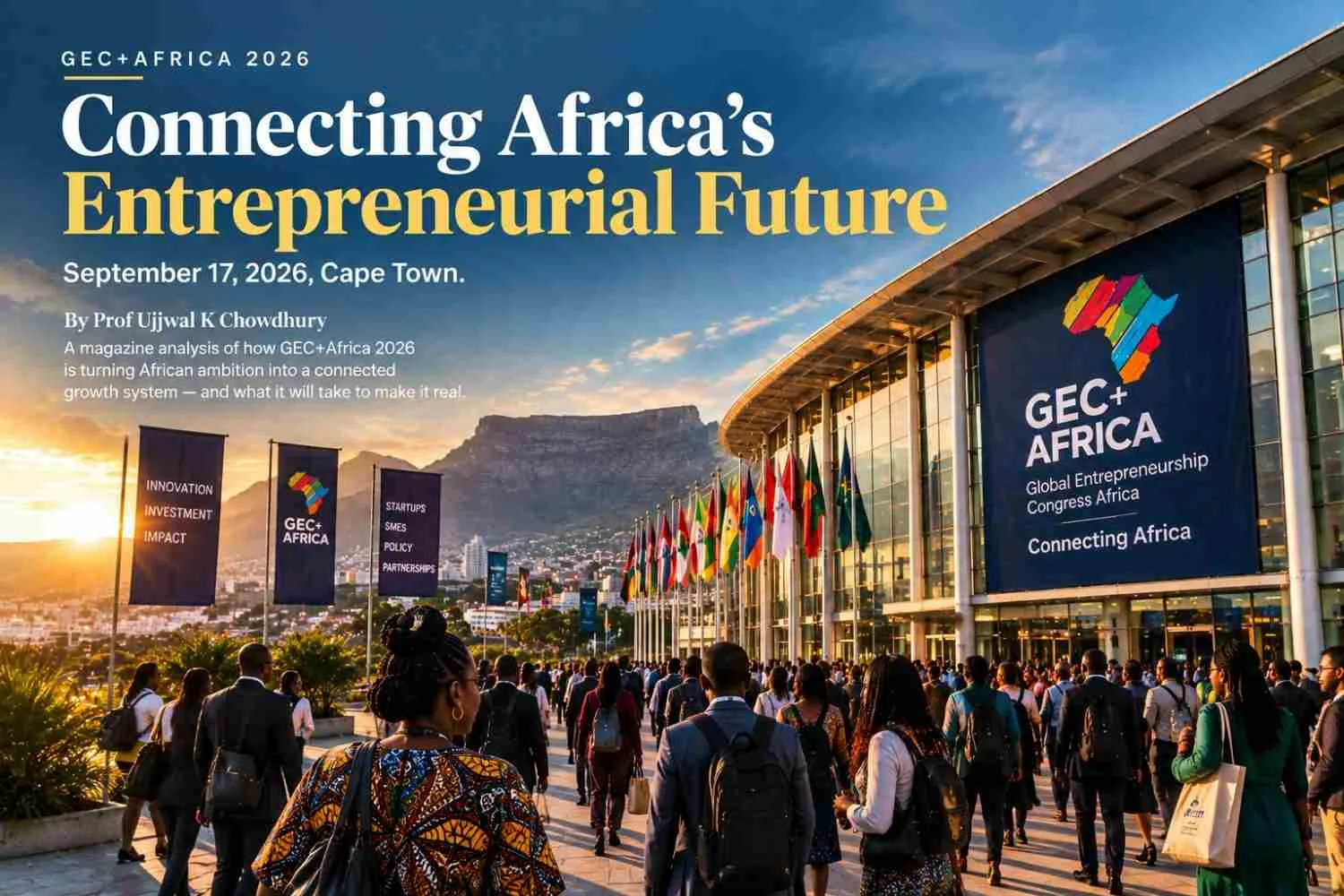
17 September 2026, Cape Town
| GEC+Africa 2026 brings Africa’s entrepreneurial ecosystem together in Cape Town, connecting startups, investors, policymakers and support networks around a shared vision of inclusive, innovation-led growth. |
Summary GEC+Africa 2026 in Cape Town brought together entrepreneurs, investors, policymakers and ecosystem-support organisations from across Africa to strengthen continental connections. The congress focused on turning a fragmented entrepreneurial landscape into a more connected system for capital, knowledge, markets and opportunities. A key development was the launch of KUMii, an AI-powered platform designed to connect businesses with investors, mentors, policymakers and other ecosystem partners. Discussions also highlighted gaps in investment, skills and support for MSMEs, while exploring the role of AI, creative industries, renewable energy and digital innovation in Africa’s growth. The congress placed particular emphasis on inclusive access to finance and the need to strengthen sectors such as agriculture, manufacturing, healthcare and education. Its longer-term impact will depend on whether the conversations and partnerships formed in Cape Town translate into practical pathways that help African businesses scale. |
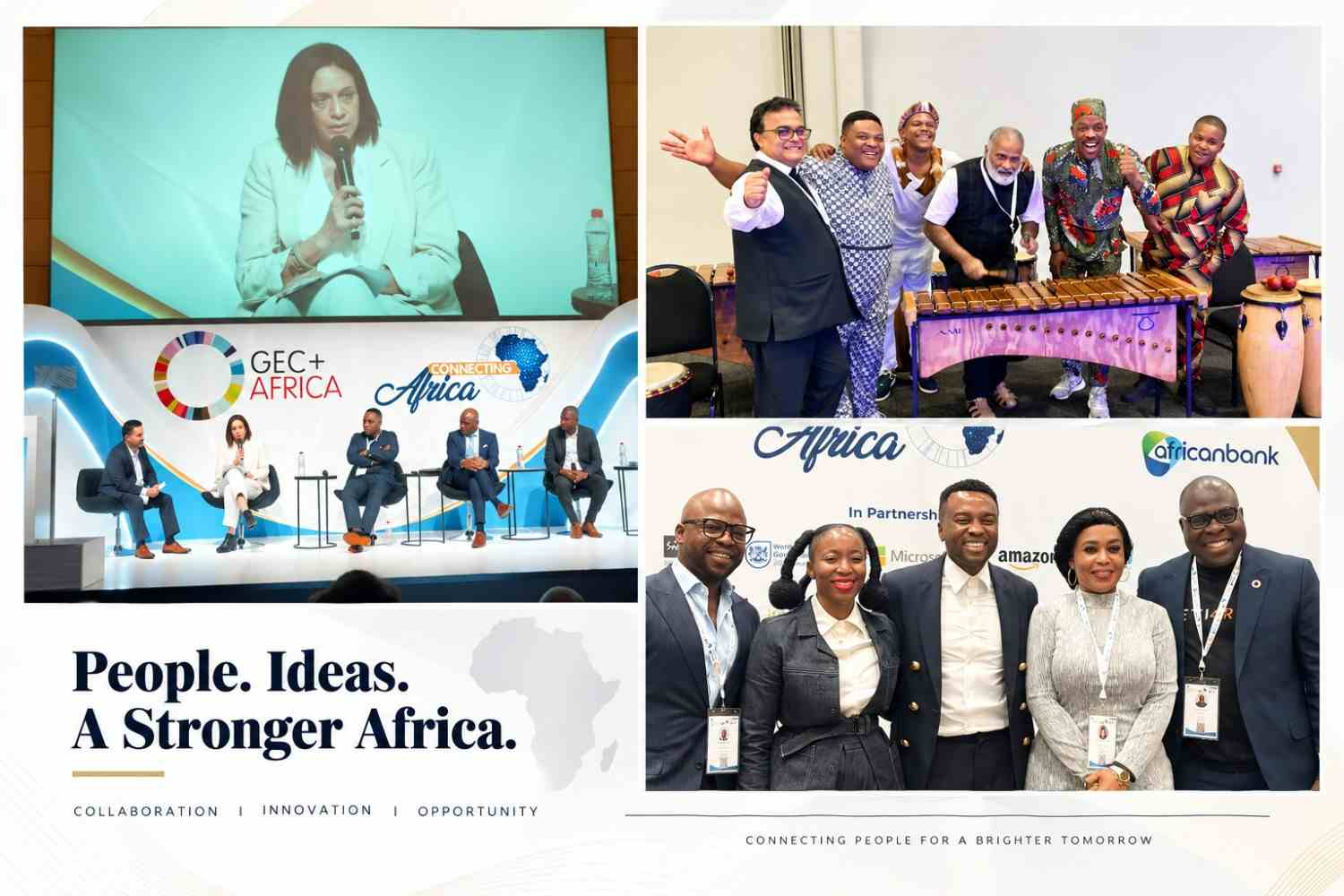
Cape Town became a meeting point for Africa’s economic imagination as the Global Entrepreneurship Congress Africa (GEC+Africa) 2026 opened at the Cape Town International Convention Centre under the theme “Connecting Africa”. Hosted by the Global Entrepreneurship Network (GEN) Africa and 22 On Sloane, the 16–17 September congress brings together approximately 2,000 delegates, including more than 1,500 startups and MSMEs, 150 investors, 150 policymakers and 200 ecosystem-support organisations from over 43 African countries. Yet its importance lies not in its scale alone. GEC+Africa is an attempt to turn a fragmented entrepreneurial landscape into a connected continental growth system.
A striking feature of any African get-together from various African nations has a striking pan-African spirit and expression. Global Entrepreneurship Network organized GEC+ for Africa in the Cape Town International Convention Centre in South Africa is no different. Hence it starts with South African anthem and the anthem of the Organization of African Unity. African solidarity song, dance, expression are resplendent in the inaugural session.
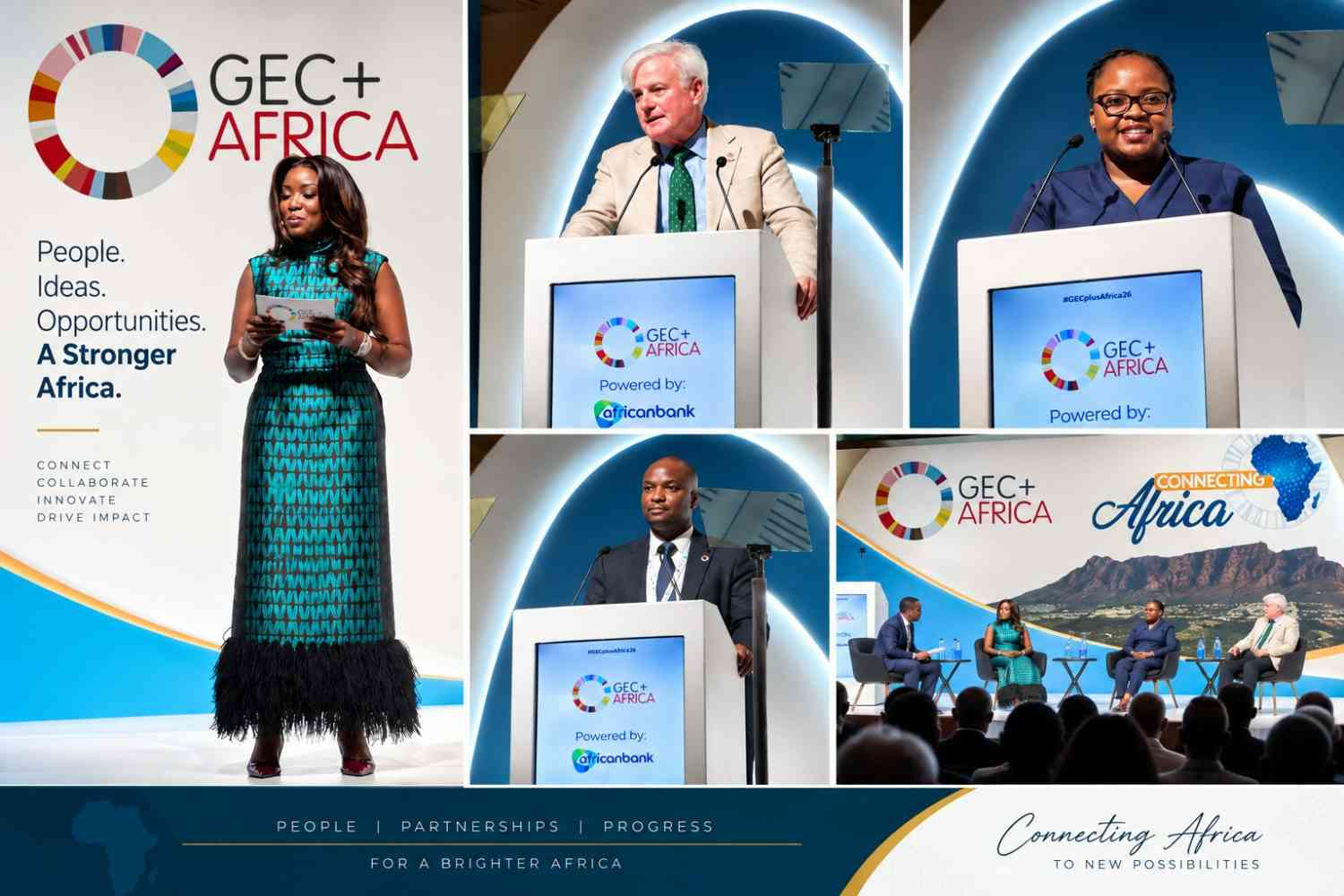
The opening carried a distinctly pan-African spirit: local music and dance, the language of solidarity and the insistence that Africa’s future cannot be built through isolated national efforts. Kizito Okechukwu, Co-Chair of GEN Africa and Executive Head of 22 On Sloane, set the direction, while GEN Founder and President Jonathan Ortmans placed African entrepreneurship within a global network of opportunity. Edna Sathekga-Montse, Group Executive for Transformation and Sustainability at African Bank, underlined the financial sector’s responsibility to widen access to capital and support inclusive growth. The GEN Global President Jonathan Ortmans went down the memory lane recollecting the GEC journey in Africa and the remarkable response it has got in the continent in general, and South Africa in particular.
Former South African President Kgalema Motlanthe gave the congress its moral and political centre. Access to finance for African businesses, he argued, must be treated as a right rather than a privilege. Africa’s next transformation, he suggested, will be driven by innovation in the digital, green and social sectors, but only if countries strengthen agriculture, manufacturing, healthcare and education and give practical force to the African Continental Free Trade Area. His message was unmistakable: Ubuntu must become an economic practice of sharing knowledge, markets and resources.
The most concrete expression of that idea was the launch of KUMii by 22 On Sloane. An AI-powered ecosystem platform, KUMii is designed to connect entrepreneurs, investors, policymakers, mentors, professional service providers and ecosystem partners in one digital environment. Led by KUMii CEO Noma Ngubane, with Zinhle Kubheka and other ecosystem specialists, it seeks to connect businesses to capital, markets, knowledge, expertise, tools and opportunities. Its ambition is not to create another isolated portal, but to reduce the friction that leaves valuable programmes scattered, founders invisible and support providers working in silos. KUMii could become the connective tissue of Africa’s MSME economy.
The congress also confronted the investment gap. Sessions involving Priyansh Dhawan, Amina El Zayat of the International Finance Corporation, Nkosikhona Mbatha of SEDFA, Maxwell Gomera of UNDP and Oluwatoyin Ahmed Edu of Nigeria’s Bank of Industry examined how angel finance, venture capital, blended finance and stronger local funds can move enterprises beyond pilots. At the same time, Phuthi Mahanyele-Dabengwa of Naspers & Prosus and Emmanuel Lubanzadio, Africa Lead at OpenAI, explored how AI, data and skills can drive industrialisation rather than deepen exclusion.
GEC+Africa’s vision is broad enough to include creative industries, renewable energy, township ventures, fintech, healthcare, food systems and cross-border trade. The “Made in Africa” conversation, featuring leaders such as Sylvester Chauke, Eyram Tawia and Zama Phakathi, affirmed that culture and storytelling are also engines of jobs, identity and global competitiveness. The Road to GEC+Africa pitch competitions, culminating in a continental showcase of 15 finalists, gave that vision an entrepreneurial face.
Various sessions highlighted the role of venture capital in African MSME businesses, and noted that the angel investment ecosystem of the continent, which is just 20% of that of India, needs a major push forward before VC funding comes into play.
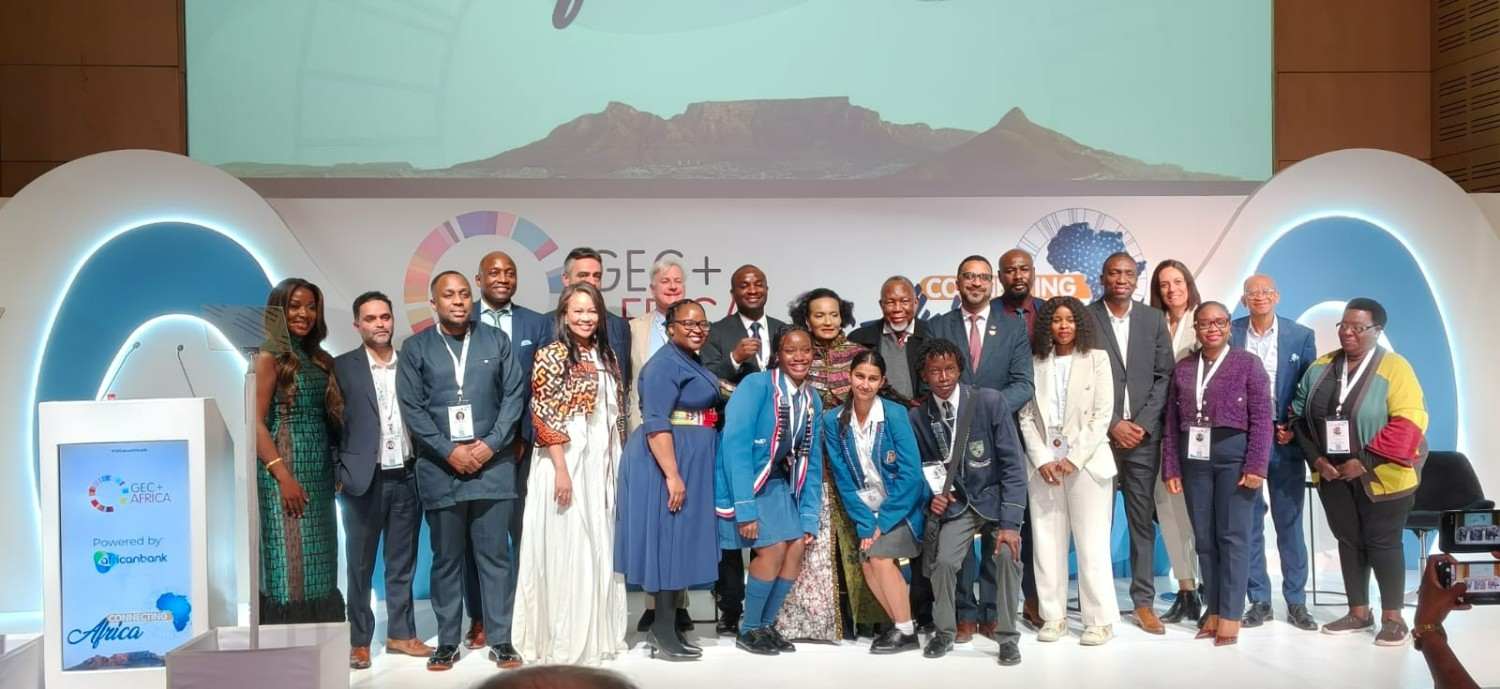
A session on the creative industries highlighted recent achievements of the sector noting that by 2030 the sector is expected to cross USD 200 billion in gross turnover. It did also note that AI is a cautious enabling factor in creativity in the continent, and a formal structured learning in this sector was still missing by and large in most African nations. The content creating and selling eco-system is still in its infancy and needs capital infusion, along with procedural, technological and policy-wise major push ahead.
The congress therefore matters beyond two days in Cape Town. Its real test will be whether conversations become partnerships, partnerships become pathways and pathways help ordinary African businesses scale. GEC+Africa has named the challenge. With KUMii, it has begun building the infrastructure to answer it.
The YouthAid Entrepreneurs’ Federation of India is being represented here by the founder Mathew Mattam and Board Member Prof Ujjwal K Chowdhury (also the editor-in-chief of SustainVerse.org).




Add a Comment