
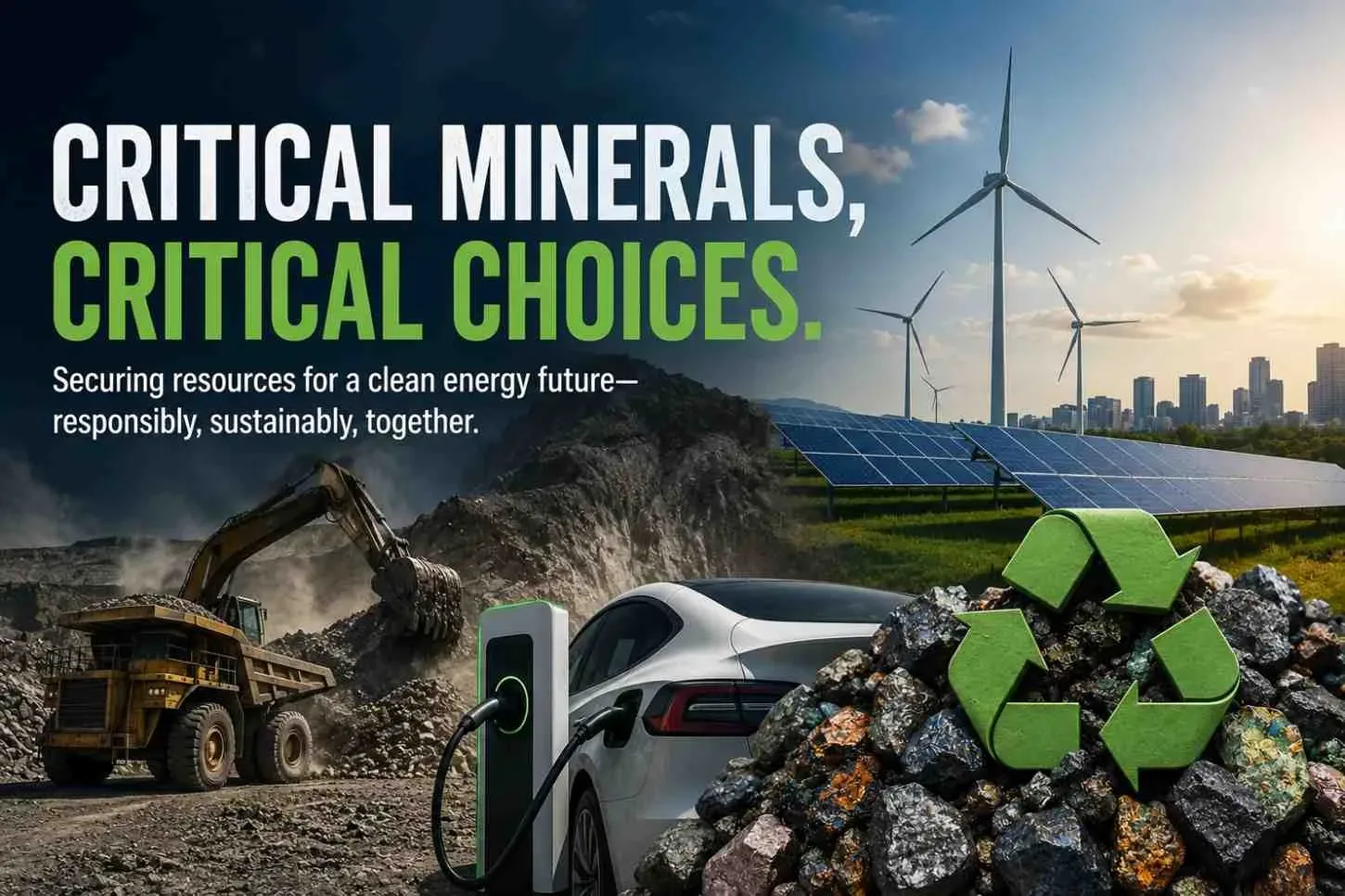
From overseas investments to recycling and responsible mining, India's critical minerals strategy is entering a decisive phase
Kolkata | July 30, 2026:
Every electric vehicle, solar panel, wind turbine and battery storage system relies on a set of resources that often remain out of public view- critical minerals.
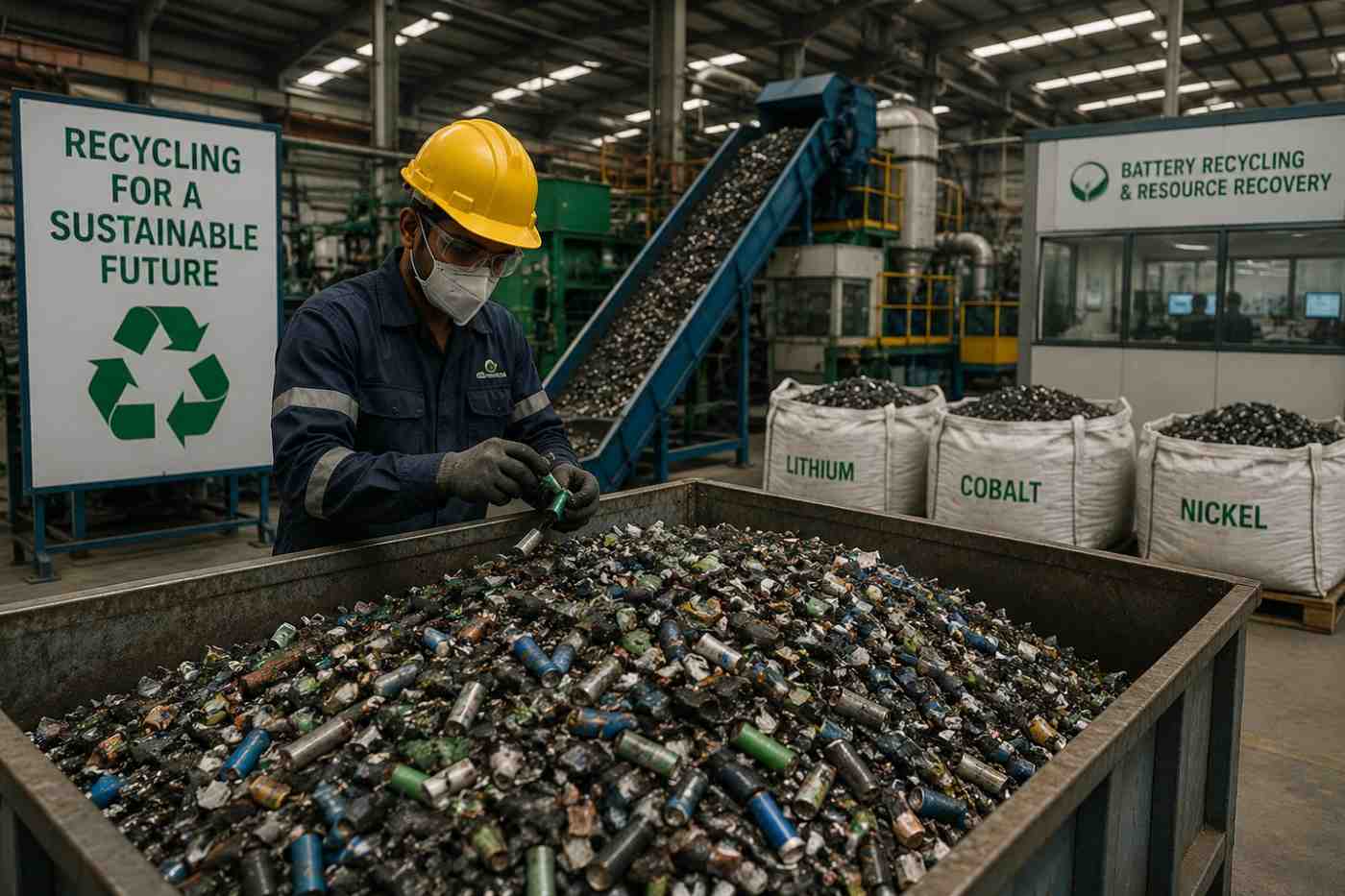
Lithium, cobalt, nickel, graphite and rare earth elements, have become indispensable to the global clean energy transition, making them strategically important today as fossil fuels were in the past.
As countries accelerate efforts to decarbonise their economies, India is also strengthening its approach in securing these resources.
Through overseas partnerships, investments in mineral-rich regions, domestic refining, recycling initiatives and policy reforms, the country is working to build a more resilient critical mineral supply chain. The objectives extend beyond supporting renewable energy projects. It is also about strengthening energy security, expanding domestic manufacturing and reducing dependence on imports.
The urgency has grown as global competition for critical minerals continues to intensify.
Much of the world's refining and processing capacity remains concentrated in a few countries, leaving supply chains vulnerable to geopolitical tensions, trade restrictions and market disruptions.
In response, India is focusing on a two-pronged approach-strengthening international cooperation to secure mineral supplies while building domestic refining capacity to convert raw minerals into battery-grade materials at home.
Experts say this reflects an important shift in the global conversation. Securing access to mineral deposits is no longer enough.
Gradually, countries are seeking greater control over the entire value chain - from extraction and refining to manufacturing, recycling and reusing.
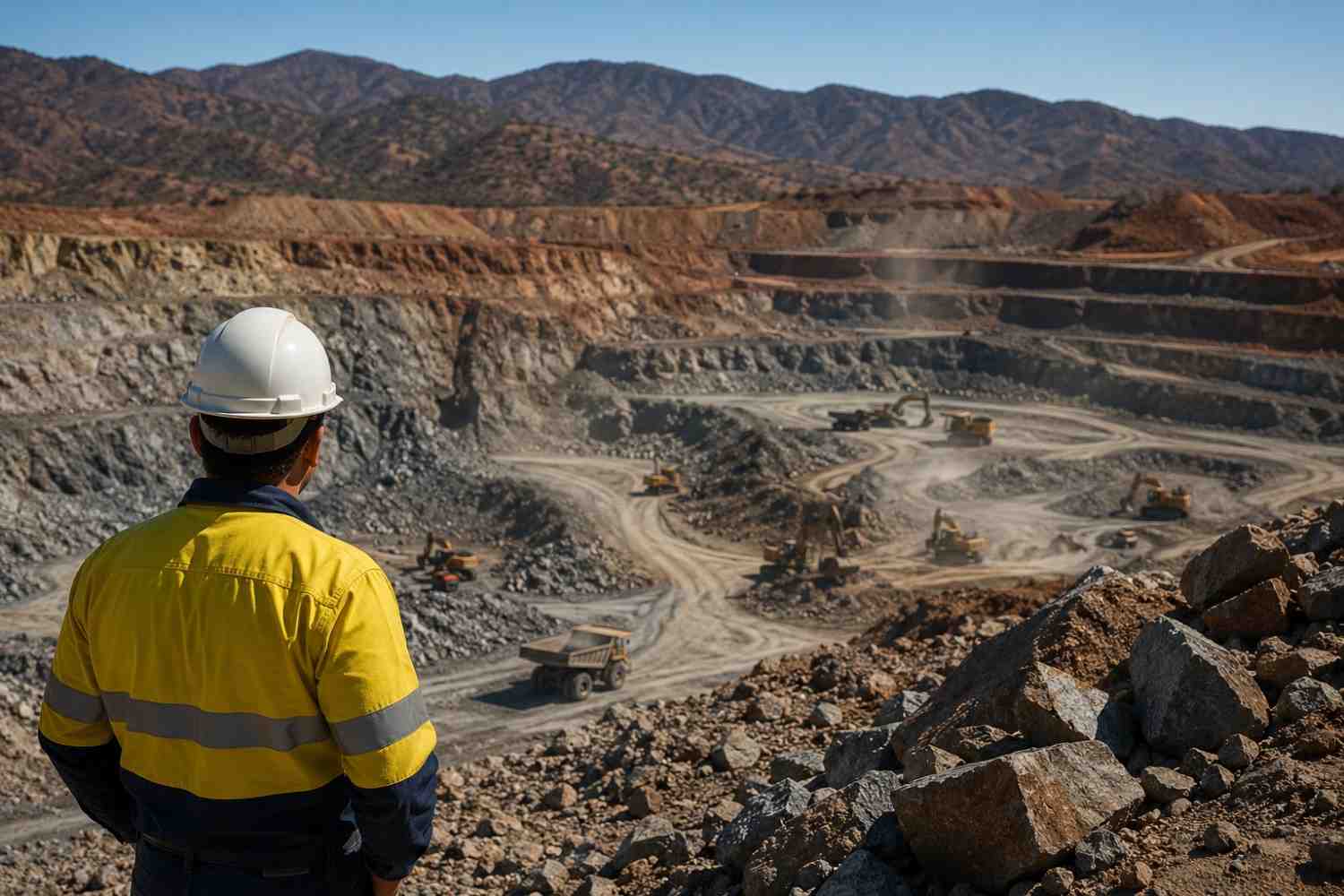
Recycling is emerging as another key part of this transition.
As electric vehicle adoption grows, used batteries and electronic waste are expected to become valuable secondary sources of lithium, cobalt and nickel.
Recovering these materials can reduce pressure on fresh mining, lower environmental impacts and strengthen resource security while creating new opportunities in advanced recycling and material recovery.
Although recycling alone cannot meet future demand, experts believe it will play an important role in building a more circular economy.
Securing critical minerals is necessary, but far from sufficient.
Mining often takes place in ecologically sensitive regions that support forests, rivers and Indigenous communities. Around the world, concerns over biodiversity loss, land acquisition, water stress and community displacement have intensified alongside expanding mineral exploration.
Conservationists argue that the transition to clean energy should not come at the expense of environmental protection or local livelihoods.
This has elevated responsible mining to a core priority.
Experts believe every critical mineral project should include transparent environmental assessments, meaningful community consultation, fair compensation and continuous ecological monitoring. They stress on a fundamental shift: local communities must be partners in building the future, not just recipients of its consequences.
The discussion reflects a broader evolution in the sustainability agenda. Climate action is no longer measured only by the number of renewable energy projects or electric vehicles on the road. It also depends on whether the resources powering these technologies are extracted responsibly, processed efficiently and managed sustainably throughout their life cycle.
For India, the years ahead will determine whether industrial growth, resource security and environmental responsibility can advance together. Progress will depend not only on overseas agreements or new processing facilities, but on building a supply chain that is transparent, resilient and socially inclusive.
Ultimately, the clean energy transition will be defined not just by what we build, but by how we build it.
It will also be judged by the choices made long before those technologies reach consumers.
The countries that lead the future will not simply be those with the largest mineral reserves, but those that develop supply chains that are ethical, resilient and circular.
For India, the real challenge is not only securing the minerals that power a greener economy, but proving that sustainable development begins with responsible decisions at every stage of the journey!
The true success of the clean energy transition lies not only in its destination, but in ensuring that every step along the way is sustainable.
Sources:
- Ministry of Mines, Government of India – National Critical Mineral Mission, policy updates and official announcements.
Ministry of Mines – Critical Minerals - Council on Energy, Environment and Water (CEEW) – Analysis on the India–US Critical Minerals Agreement, domestic processing and supply-chain resilience.
India–US Critical Minerals: The Midstream Test (CEEW) - Ministry of External Affairs (MEA) – Quad Critical Minerals Initiative Framework and international cooperation.
Quad Critical Minerals Initiative Framework - International Energy Agency (IEA) – Critical Minerals Policy Tracker covering global supply chains, recycling and responsible mineral policies.
IEA Critical Minerals Policy Tracker - Reuters – Reporting on India's expanding critical mineral partnerships and efforts to strengthen exploration, processing and recycling.
India in talks over critical minerals partnerships




Add a Comment