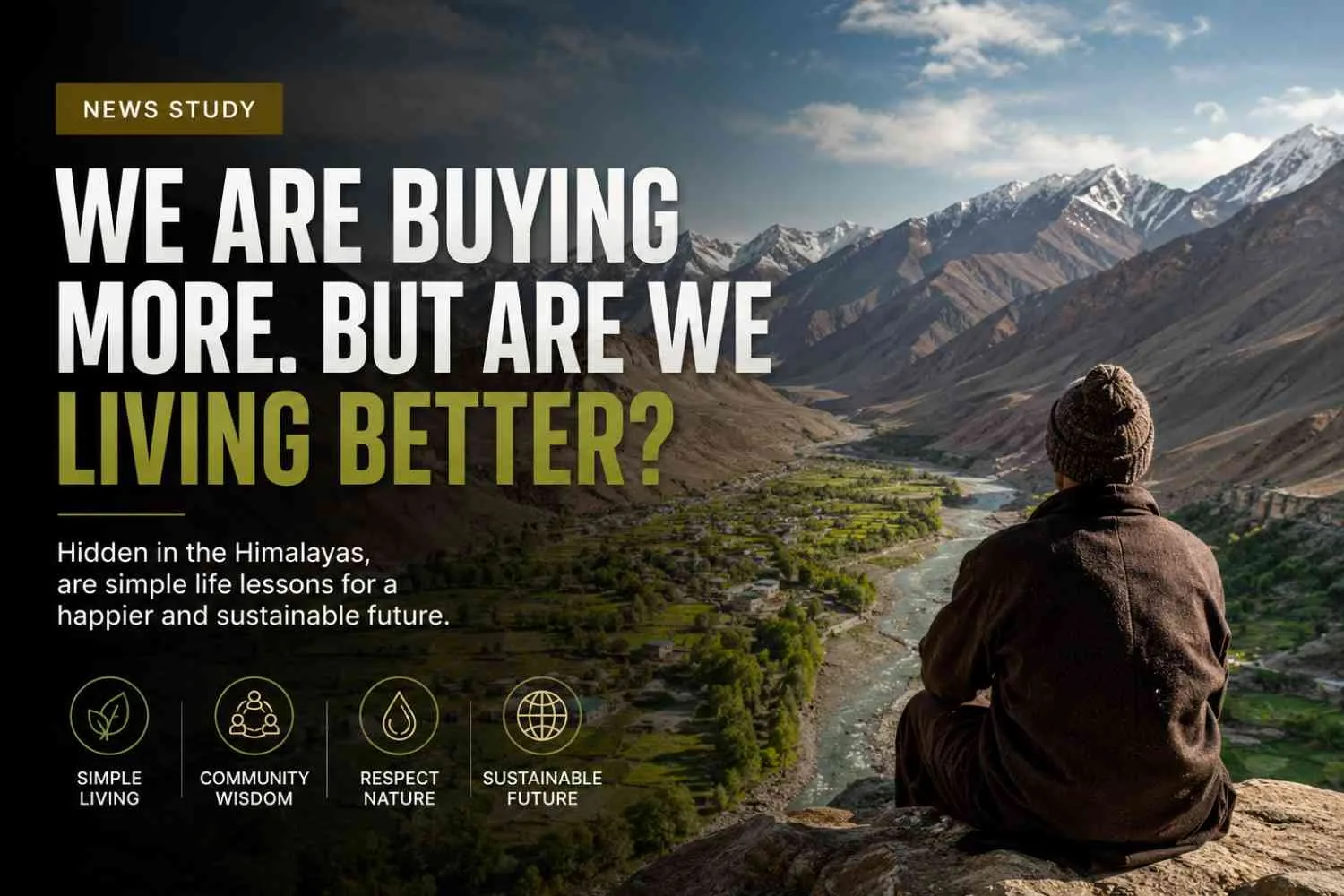
The Shopping Bags Are Full. Why Do Our Lives Feel Empty?

We own more clothes than our parents did. We replace phones faster, order food more frequently, travel farther, renovate homes more often and buy things at the tap of a screen.
Our homes are fuller.
Our wardrobes are overflowing.
Our digital carts are permanently active.
Yet many of us are more anxious, more exhausted, more indebted, more distracted and more dissatisfied than ever before.
That is the central contradiction of modern consumer life: we have become extraordinarily efficient at purchasing things, but not necessarily better at creating happiness.
In India, this contradiction is visible everywhere.
A middle-class family may have two cars but hardly enough time to sit together. A young professional may own an expensive smartphone, smartwatch, wireless earbuds and several paid subscriptions, yet struggle to sleep peacefully. A child may receive a roomful of toys but not an hour of undivided parental attention. A household may renovate its kitchen while increasingly depending on packaged food and instant delivery.
We are surrounded by products designed to save time. Strangely, we appear to have less time than before.
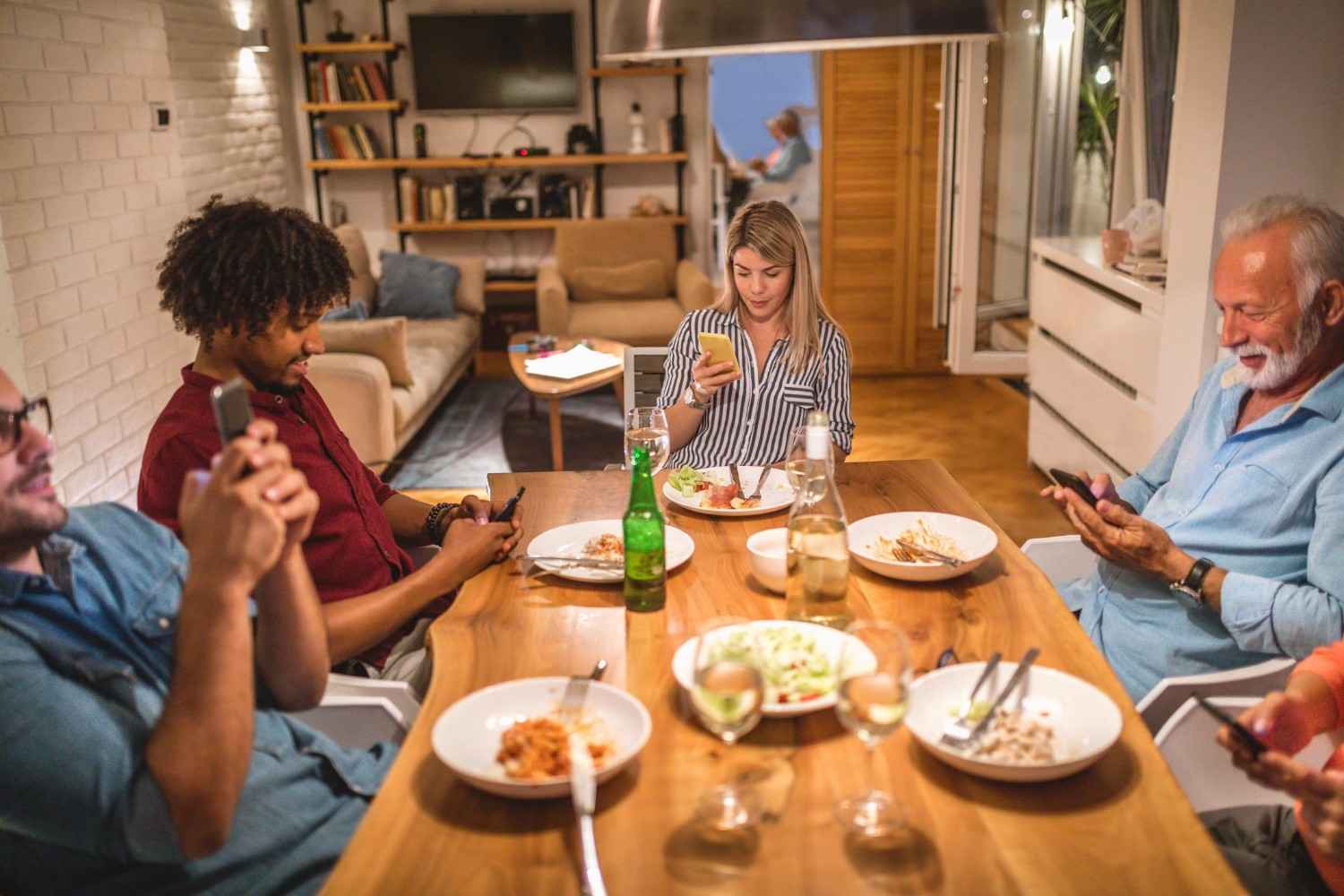
We buy fitness watches but walk less. We purchase storage boxes because we own too many things. We install larger televisions because family conversations are becoming shorter. We take photographs of every celebration but often fail to experience the celebration itself.
So the question is no longer whether we are buying more.
The evidence is in our cupboards, credit-card statements, delivery notifications and dustbins.
The real question is: Are we living better?
Consumption Has Quietly Become a Competition
There was a time when buying something new marked a genuine need or an important occasion. A refrigerator, television, scooter or festive dress would be carefully chosen, maintained and used for years.
Today, consumption is increasingly shaped not by need but by comparison.
Someone in the housing society buys a larger car. A colleague upgrades to the newest phone. An influencer displays a “must-have” skin-care routine involving twelve products. A wedding on social media appears more elaborate than ours. A neighbour’s child attends a more expensive school. Another family takes an international holiday.
Slowly, without realising it, we begin purchasing not for comfort but for status.
The object becomes a message:
“I am successful.”
“I am modern.”
“I have arrived.”
But status is a race without a finishing line. The moment we acquire one symbol of success, another appears. The phone becomes outdated. The fashion changes. The car loses its shine. The holiday photographs stop receiving attention.
Consumer culture survives by making satisfaction temporary.

It repeatedly whispers: You are only one purchase away from becoming happier, more attractive, more respected or more complete.
But completion never arrives.
The Great Indian Sale Never Really Ends
India’s traditional festivals once centred on community, gratitude, food, worship, storytelling and reunion. Consumption had a place, but it was not always the centre.
Today, almost every festival is converted into a sales season.
Diwali becomes an electronics sale. Dhanteras becomes an obligation to purchase. Valentine’s Day becomes a test of affection through gifts. Mother’s Day becomes a promotional campaign. Independence Day becomes a discount event. Even environmentally significant occasions are used to market new “sustainable” products.
The sale countdown creates urgency. “Only two hours left.” “Last chance.” “Limited stock.” “Deal expires at midnight.”
We buy quickly because the platform tells us we are saving money.
But spending ₹3,000 on something we did not need is not saving ₹2,000. It is spending ₹3,000.
The discount may be real. The necessity may not be.
Easy credit makes the temptation stronger. Buy-now-pay-later schemes, credit cards and zero-cost instalments separate the pleasure of buying from the pain of paying. The product arrives today; the financial pressure follows for months.
A home can therefore look prosperous while its occupants remain financially insecure.
More Convenience, Less Connection
Modern consumption promises convenience, and much of that convenience is genuinely useful. Digital payments, online medicine, home delivery and accessible transportation have improved millions of lives.
The problem begins when convenience replaces participation.
We stop walking to the market. We stop knowing the vegetable seller. We stop repairing appliances. We stop cooking together. We stop borrowing from neighbours. We stop visiting local shops. We stop waiting, planning and improvising.
Every difficulty becomes something to outsource.
Food arrives in disposable containers. Groceries arrive inside multiple layers of packaging. A forgotten ingredient is delivered by a motorbike in minutes. A minor inconvenience creates fuel consumption, plastic waste, traffic and another poorly paid worker racing against a countdown clock.

Convenience saves us effort, but effort is not always the enemy.
Walking, cooking, repairing, sharing and waiting can create health, competence, patience and relationships. When everything becomes instantly available, we may gain speed but lose resilience.
The Wardrobe Is Full. There Is Still “Nothing to Wear”
Fashion provides one of the clearest examples of the consumption trap.
An Indian urban wardrobe may contain clothes purchased for weddings, office meetings, holidays, festivals, gym sessions and social-media photographs. Many garments are worn only once or twice. Some are forgotten with their price tags still attached.
Yet before another wedding, the familiar sentence returns: “I have nothing to wear.”
What it often means is: “I have nothing new to display.”
The pressure is particularly intense around Indian weddings. Families spend beyond their means because every event must look distinct, every outfit must be photographed and every photograph must appear impressive.
Clothes that could have been repeated, exchanged, altered or passed between relatives are rejected because repetition is treated as embarrassment.
But repetition is not poverty.
Using something well is intelligence.
Repairing something is responsibility.
Repeating an outfit is not a failure of imagination; it may be a declaration that our worth is greater than our wardrobe.
We Upgraded the Phone. Did We Upgrade the Conversation?
The smartphone is perhaps the defining object of contemporary Indian life.
It connects migrant workers with families, enables education, supports businesses, facilitates banking and gives citizens access to information. But it also creates an endless marketplace inside our pockets.
We are shown what to buy, where to eat, how to look, where to travel and what our homes should contain. Advertising no longer waits on a billboard. It follows us into bed.
The phone is upgraded because its camera is better. Yet during dinner, everyone looks at a separate screen.
We purchase high-speed data but have slower conversations.
We collect hundreds of contacts but may not know whom to call during a crisis.
We watch motivational videos about discipline at two in the morning and wake up too tired to practise any of it.
Technology is not the villain. Unconscious use is.
A device should remain a tool. When it begins determining our attention, desires, relationships and self-esteem, the owner and the object quietly exchange roles.
The Hidden Price Is Paid by the Planet
Every object has a biography.
A cotton shirt requires land, water, labour, dyeing, transportation, packaging and retail infrastructure. A smartphone contains minerals extracted from the earth, components manufactured across countries and a battery that will eventually become hazardous waste. A delivered meal carries the environmental cost of ingredients, refrigeration, cooking, transport and packaging.
The price printed on the product is therefore incomplete.
It rarely includes the polluted river, depleted soil, exploited worker, discarded plastic or carbon emitted during production and delivery.
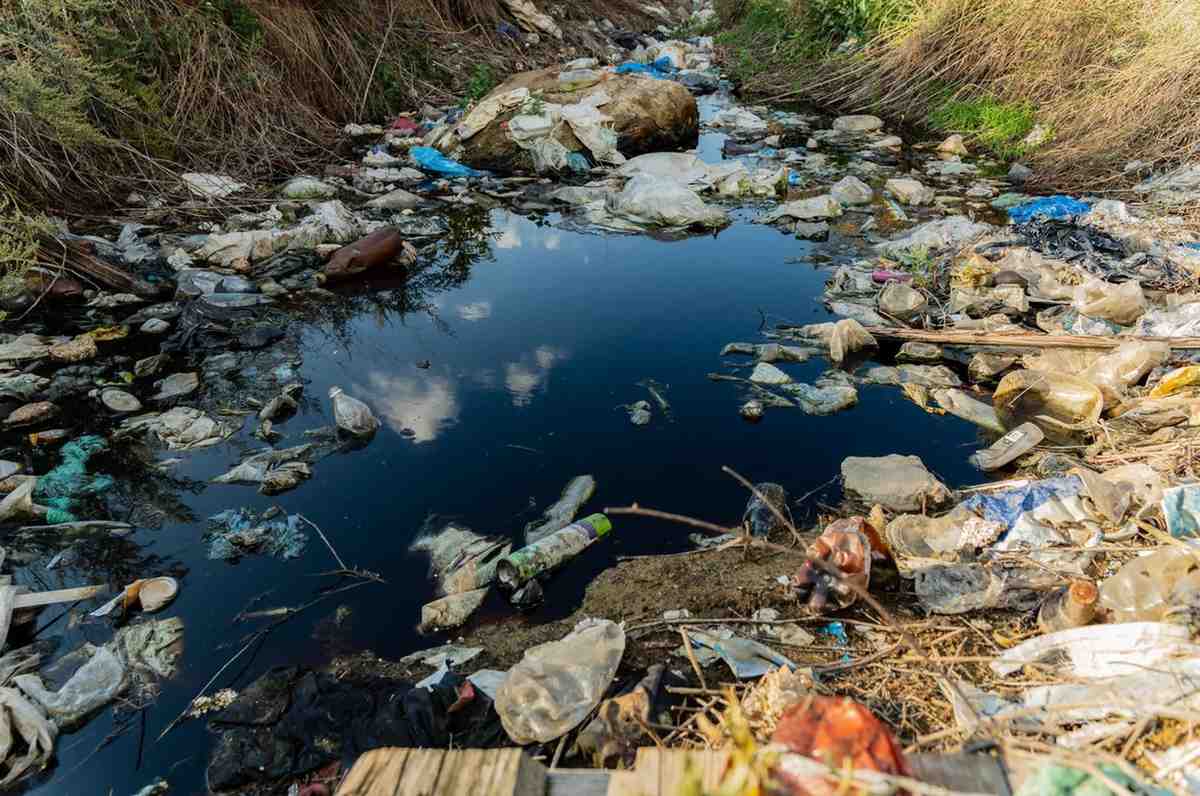
The environmental burden is also unequal.
Those who consume least often suffer first from polluted air, rising temperatures, floods, water shortages and waste dumping. A low-income settlement beside a landfill pays for the disposable habits of neighbourhoods far wealthier than itself.
Mindless consumption is therefore not merely a personal weakness. It is an ecological and social issue.
A Better Life Is Not a Smaller Dream
Living better does not require everyone to abandon cities, reject technology or move to a Himalayan village.
Nor does sustainability mean living joylessly.
It means replacing excess with sufficiency, impulse with intention and display with genuine value.
The goal is not to stop buying. The goal is to stop expecting purchases to perform the work of relationships, health, purpose, community and self-respect.

A better life may contain fewer objects but more experiences.
Less comparison but more confidence.
Less speed but more presence.
Less waste but more gratitude.
The transition can begin through twelve simple steps.
1. Pause Before Every Non-Essential Purchase
Create a waiting period.
For inexpensive items, wait twenty-four hours. For clothes, gadgets, furniture or luxury products, wait a week.
Ask three questions:
Do I genuinely need it?
Do I already own something that serves the same purpose?
Would I still buy it without the discount, advertisement or social pressure?
Many desires disappear when urgency is removed.
2. Count What You Already Own
Before buying another shirt, cup, bedsheet, kitchen appliance or cosmetic product, inspect what is already at home.
An occasional household inventory can be startling. Five water bottles. Seven nearly identical shirts. Unopened toiletries. Duplicate chargers. Forgotten food packets. Books bought but never read.
Visibility reduces unnecessary buying.
We often purchase not because we have too little, but because we have lost track of how much we already possess.
3. Choose Durability Over Novelty
The cheapest product is not always economical.
A well-made pressure cooker used for fifteen years may be more affordable than three poor-quality replacements. A strong schoolbag can serve more than one child. A repairable wooden table may outlive several pieces of disposable furniture.
Before buying, examine quality, warranty, repairability and expected lifespan.
Purchase fewer things, but choose things worthy of long use.
4. Repair Before You Replace
India once had a powerful repair culture: tailors altered clothes, cobblers restored shoes, technicians repaired radios, and neighbourhood mechanics kept appliances alive.
That culture is disappearing under the pressure of cheap replacement.
Bring it back.
Stitch the torn kurta. Replace the phone battery. Polish the furniture. Repair the mixer. Resole the shoes.
Repair saves money, supports local skills and prevents useful materials from entering landfills.
5. Borrow, Rent and Share
Not everything needs private ownership.
A drill machine may be used for ten minutes a year. Party decorations may be required once. Books, luggage, ladders, tools, children’s costumes and specialised kitchen equipment can often be borrowed or rented.
Housing societies can create shared libraries of tools and reusable event materials.
Extended Indian families practised this naturally for generations. Sharing was not seen as deprivation. It was a form of trust.
6. Repeat Clothes Without Apology
Wear the same sari, kurta, jacket or formal suit again.
Restyle it. Exchange garments within the family. Alter older clothing. Support handloom, durable fabrics and locally produced garments when practical.
Most importantly, refuse the idea that every photographed occasion requires a new outfit.
People who judge human worth by clothing repetition are revealing the poverty of their own imagination.
7. Reclaim Food from Convenience
Cook more frequently, even when the meal is simple.
Dal, rice, vegetables, roti, khichdi, poha, idli or seasonal fruit may offer more nourishment and produce less packaging than repeated restaurant orders.
Plan portions. Store leftovers safely. Share excess food. Buy seasonal produce from nearby markets. Carry water and snacks when travelling.
Food should nourish bodies and relationships—not routinely become waste inside refrigerators and dustbins.
8. Protect Attention from Advertising
Unfollow accounts that constantly provoke comparison. Disable unnecessary shopping notifications. Remove stored card details from retail apps. Avoid browsing online marketplaces when bored.
Create screen-free periods, particularly during meals and before sleep.

Attention is a limited resource. Every platform competing for it is also competing to shape desire.
A person who cannot protect attention will struggle to protect money, time or peace.
9. Spend on Experiences That Deepen Life
Redirect some money from objects towards experiences.
Take parents on a short journey. Learn music. Attend theatre. Join a nature walk. Visit a museum. Cook with children. Support a local craft workshop. Plant a community garden.
Experiences are not automatically sustainable, but meaningful experiences often enrich life without permanently filling cupboards.
The best memories rarely require storage space.
10. Redefine What Success Looks Like
A larger car is not success if its loan creates constant anxiety.
A luxury home is not success if family members barely meet.
An expensive school is not success if the child feels unseen.
A prestigious job is not success if it destroys health and dignity.
Define success through freedom from unmanageable debt, time for loved ones, physical well-being, purposeful work, community respect and the ability to sleep peacefully.
What we measure determines what we pursue.
11. Make Sustainability Social
Individual discipline matters, but community action multiplies it.
Start waste segregation in the housing society. Organise a clothes-exchange day. Create a shared bookshelf. Compost kitchen waste. Encourage residents to reduce single-use decorations during festivals. Support local vendors. Arrange repair camps and neighbourhood clean-ups.
Sustainability becomes easier when it is normal, visible and collective.
The strongest Indian traditions were built around community. Our environmental future may depend on recovering that strength.
12. Practise Enoughness
Enoughness is not laziness or lack of ambition.
It is the wisdom to recognise when a need has been met.
Enough food.
Enough clothing.
Enough space.
Enough celebration.
Enough status.
Without a sense of enough, every achievement becomes inadequate. Income rises, but desire rises faster. The house becomes larger, but peace remains outside.
Gratitude interrupts this cycle.
It reminds us that a good life is not created only by adding. Sometimes, it is created by removing noise, debt, clutter, comparison and unnecessary obligation.
The Revolution Can Begin Inside a Shopping Cart
India does not need a future in which millions of people remain deprived. People deserve secure homes, nutritious food, healthcare, education, mobility, technology and dignified opportunities.
The argument against overconsumption must never become an argument against development.
But development should improve human life—not merely increase the movement of products.
The affluent and aspiring classes must therefore ask a difficult question: are we purchasing comfort, or are we purchasing symbols to compensate for exhaustion and insecurity?
The answer will not always be comfortable.
We may discover that the next phone will not repair a neglected relationship. The next holiday will not permanently cure burnout. The next outfit will not create self-worth. The next delivery will not give us more time unless we consciously decide how that saved time will be used.
Living better requires more than buying differently.
It requires wanting differently.
Buy Less. Choose Well. Live Fully.
The most sustainable product is often the one we do not buy.
The most valuable possession may be time.
The greatest luxury may be an unhurried meal.
The best upgrade may be better health.
The richest home may be the one filled not with objects, but with conversation, laughter, security and belonging.
We are buying more than any generation before us could have imagined.
But living better is not an automatic consequence of purchasing power.
It is a conscious practice.
A daily decision.
A refusal to confuse price with value, convenience with happiness, abundance with fulfilment or visibility with success.
The shopping bag may be full.
The wardrobe may be full.
The house may be full.
The question is whether life itself feels full.
That answer cannot be delivered in ten minutes.
It cannot be purchased during a festive sale.
It must be created—slowly, thoughtfully and together.




Add a Comment