
Meanwhile, Net Zero goals are also riddled with Economic and Technological Hurdles
The United Arab Emirates (UAE) has embarked on an ambitious journey. It involves achieving net-zero emissions by 2050, a strategic initiative that aims to position the oil-dependent nation as a global leader in clean energy and sustainable development. Backed by significant funding and a well-rounded national strategy, the UAE has made measurable strides.
It includes launching some of the world's largest solar projects and the first nuclear power plant in the whole of the Arab world. However, this bold transition is not without considerable challenges, as the country navigates a complex balance between diversifying its economy away from oil yet sustaining growth amidst escalating energy demands.
A Visionary Strategy for a Post-Oil Universe
The "UAE Net Zero by 2050 Strategic Initiative" has been the cornerstone of the nation's climate action plan. It outlines a pathway to a low-carbon future that also stimulates economic and social advancement. The strategy is built on more than 25 programs across six key sectors: power, industry, transport, buildings, waste, and agriculture.
Central to this vision is the updated UAE Energy Strategy 2050, which aims to triple the share of renewable energy and achieve an energy mix of 44% clean energy by mid-century. This progressive shift is evident in flagship projects that have broken world records. Some of them are as follows:
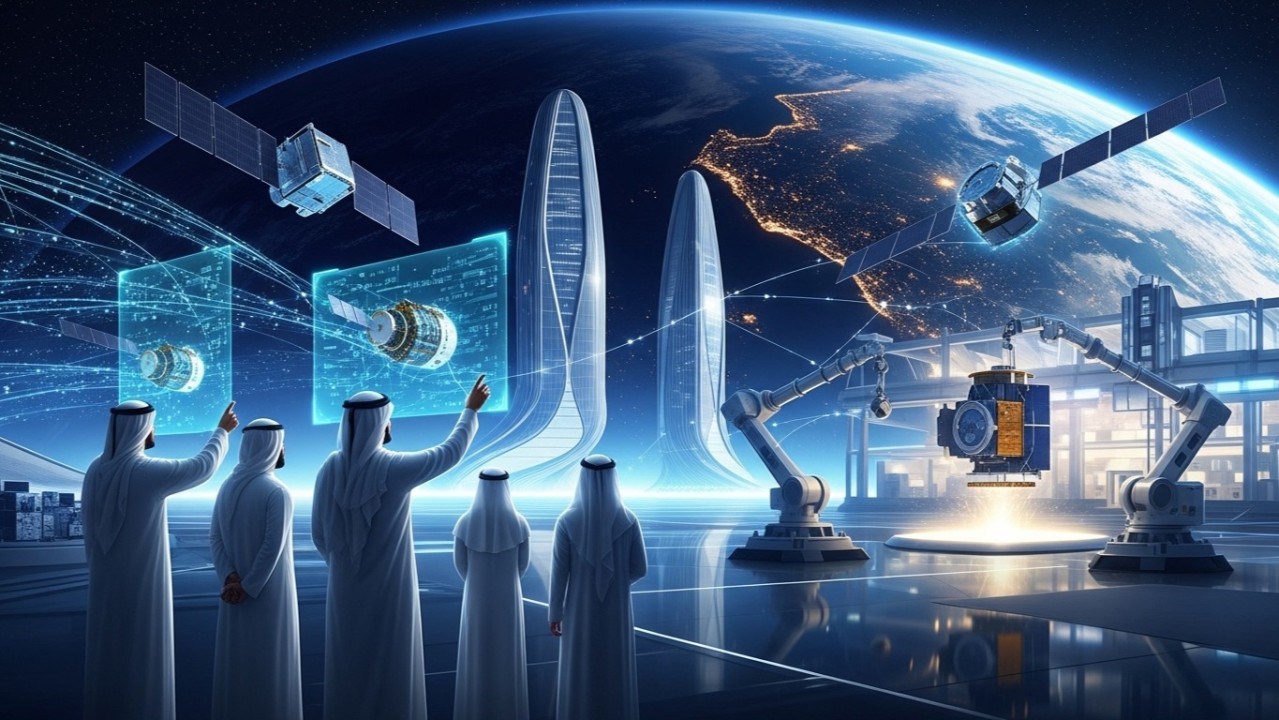
- Mohammed bin Rashid Al Maktoum Solar Park: This park is poised to be the world’s largest single-site solar park. It’s a project in Dubai that aims for generating a massive capacity of 5,000 MW of clean energy by 2030 and features the world's tallest concentrated solar power (CSP) tower.
- Barakah Nuclear Energy Plant: The first nuclear power plant in the Arab world, it has four operational reactors and currently provides a significant 25% of the UAE's total electricity needs ,thus effectively ensuring a stable, zero-carbon baseload power.
- Al Dhafra Solar PV Plant: One of the world's largest solar power facilities, with a capacity of 2 GW, it boasts of record-low electricity prices, demonstrating the economic viability of large-scale solar projects in the UAE's ecosystem..
All these initiatives, alongside the National Hydrogen Strategy, which aims to make the UAE one of the largest producers of hydrogen by 2031, underscores a robust commitment to energy diversification.
The Roadblocks on the Green Pathway
Despite such monumental momentum, the UAE's transition inherently faces several challenges.
Economic Dependence on Hydrocarbons: The most prominent hurdle remains the UAE's heavy reliance on oil and gas exports, which account for approximately 30% of its GDP. Ramping up fossil fuel production for export, while simultaneously investing in domestic clean energy, presents mixed signals to the international community and risks locking the country into a high-emissions trajectory…something that is inconsistent with the 1.5°C warming limit of the Paris Agreement.
Technological and Infrastructural Needs: Integrating intermittent renewable sources like solar and wind into the existing grid requires significant investment in cutting-edge energy storage technologies, such as advanced batteries and pumped-hydro storage. The UAE's rapid urbanization and industrial growth fuels an escalating energy demand, that requires consistent expansion of the power grid and infrastructure.
The CCS Conundrum: A major component of the UAE's strategy relies on Carbon Capture and Storage (CCS) technology for both power generation and industrial applications. Critics argue that an overreliance on a technology that is not yet proven at scale for power generation can be a "smokescreen" for prolonging fossil fuel use, diverting resources from proven renewable energy alternatives.
Environmental Vulnerability: The UAE is highly vulnerable to the physical impacts of climate change, including extreme heat, water scarcity, and rising sea levels, which threaten its huge coastal infrastructure and ecosystems. These environmental risks add urgency to the transition but also present tall challenges in terms of adaptation.
Developed nations like Denmark, Germany, the Netherlands, and Portugal demonstrate lot of progress in clean energy transitions through massive wind/solar expansion, phasing out coal, and supportive policies, with Portugal nearing 80% renewables, Denmark leading in wind integration, and the Netherlands seeing huge solar growth, while nations like the UK and France focus on policy, housing retrofits, and nuclear/renewables integration for net-zero goals.
Key paradigms of Progress:
A pioneer in wind power, Denmark integrates high levels of variable renewables with combined heat & power (CHP) and strategic investments in various offshore wind islands, thus leading to a mammoth wind share in total energy. Meanwhile, Portugal has reached over 75% renewable electricity, phasing out coal by 2021, with rapid solar growth and targets for phasing down gas, thus aiming for near-total clean electricity by 2030.
Likewise, Netherlands generated over half its electricity from wind and solar in 2023, with major offshore wind farms (Hollandse Kust Zuid) and widespread residential solar boosting clean energy share.
Another major economy that demonstrates how to strategically transition away from fossil fuels is Germany. This European nation integrates significant renewable capacity despite challenges, as reported by German news agencies.
On the other hand Lithuania rapidly accelerated the share of renewables to over 60% of the overall energy mix, ending reliance on Russian fossil fuels. It’s now aiming to become a net electricity exporter by 2030, catalysed by rooftop solar. France, on the other hand is phasing out coal and reducing fossil fuel consumption with a focus on energy efficiency in housing (a major emissions source) as part of its net-zero plan. UK too has achieved significant milestones, including its first full day without coal power and record offshore wind capacity, driving towards its net-zero target through a heady cocktail of policy and technology.
What are the common Strategies & Success Factors in all these examples?
These developed nations took a calibrated and strategic approach towards achieving clean energy and Net Zero goals.
Some of them being as below:
- Strong Policy & Targets: All these nations set out ambitious national targets (e.g., 2030/2050) backed by supportive policies like feed-in tariffs and streamlined planning.
- Wind & Solar Dominance: There was a massive deployment of offshore and onshore wind, plus residential and utility-scale solar power.
- Grid Integration: Innovative solutions were deployed for integrating variable renewables, including energy islands and grid upgrades.
- Energy Efficiency: These countries prioritized tackling housing insulation and building retrofits to cut the net energy demand.
- Totally phasing Out Fossil Fuels: Deliberate plans were rolled out across the geography to retire coal plants and reduce gas reliance.
- Incentivising local Investment: They encouraged community-owned energy projects and massive local manufacturing of clean tech.
What are the innovative Solutions and a forward outlook for UAE
The UAE is not sitting pretty on its hurdles and challenges. The nation is in its own way attempting to tackle these challenges with innovative solutions and a pragmatic approach to energy development
Some of them are as depicted below:.
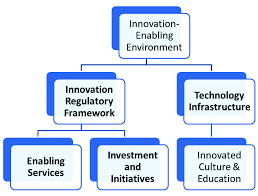
Policy and Regulatory Action: The government has established a clear regulatory framework, including Federal Decree-Law No. (11) of 2024 on the Reduction of Climate Change Effects and the National Register for Carbon Credits. These legislative actions provide a clear path for businesses to incorporate climate risk assessments and emissions reporting, fostering a supportive ecosystem for green investment.
Technological Innovation and R&D: The UAE has emerged as a hub for climate tech investment, attracting over $400 million in funding between 2018 and 2022. Research and development centers, such as the one at the Mohammed bin Rashid Al Maktoum Solar Park, are actively focusing on smart grid integration, advanced energy storage, and green hydrogen production to overcome intermittency issues. AI is also being leveraged for optimizing energy use. Technologies such as predictive maintenance is being effectively used in power plants.
Strategic Partnerships: Collaborations like the Partnership for Accelerating Clean Energy (PACE) with the US aims to mobilize $100 billion in financing for 100 GW of clean energy projects globally by 2035, showcasing the UAE's commitment to international cooperation and leadership in climate diplomacy.
The UAE's journey to net zero by 2050 is an evidence to its national commitment and strategic foresight. By leveraging its financial strength by investing in pioneering projects and innovative technologies, the Emirates is charting a distinctive path that harmonises economic imperatives with the urgent need for climate action. It is also aiming to secure a sustainable future for generations to come.

Add a Comment