India's next energy challenge is bigger than simply generating more electricity.
By Tiyasha Ghosh
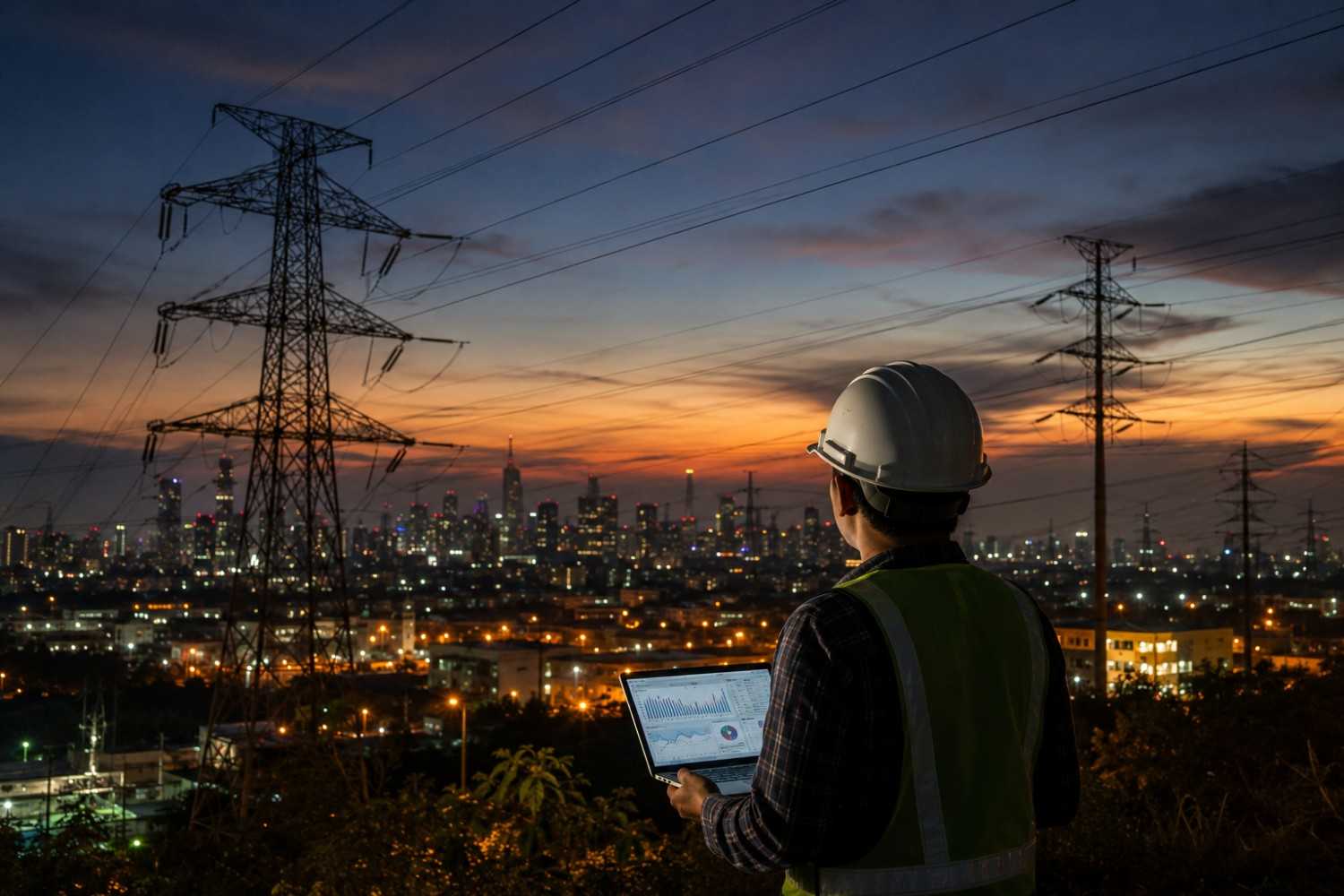
Imagine a city all lit up today, with no future powering it tomorrow!
Would you still switch on the air conditioner without even thinking once? or would you keep your phone on charge overnight?
Would you leave an electric vehicle plugged in, stream a movie, or ask ChatGPT a question as casually as you do today?
Probably, yes!
Because electricity is not visible. We notice it only when it's gone!
Behind every light, hospital, metro, factory, and data centre is a power system working 24/7 to keep the country running.
That system is now gearing up for a make-or-break moment.
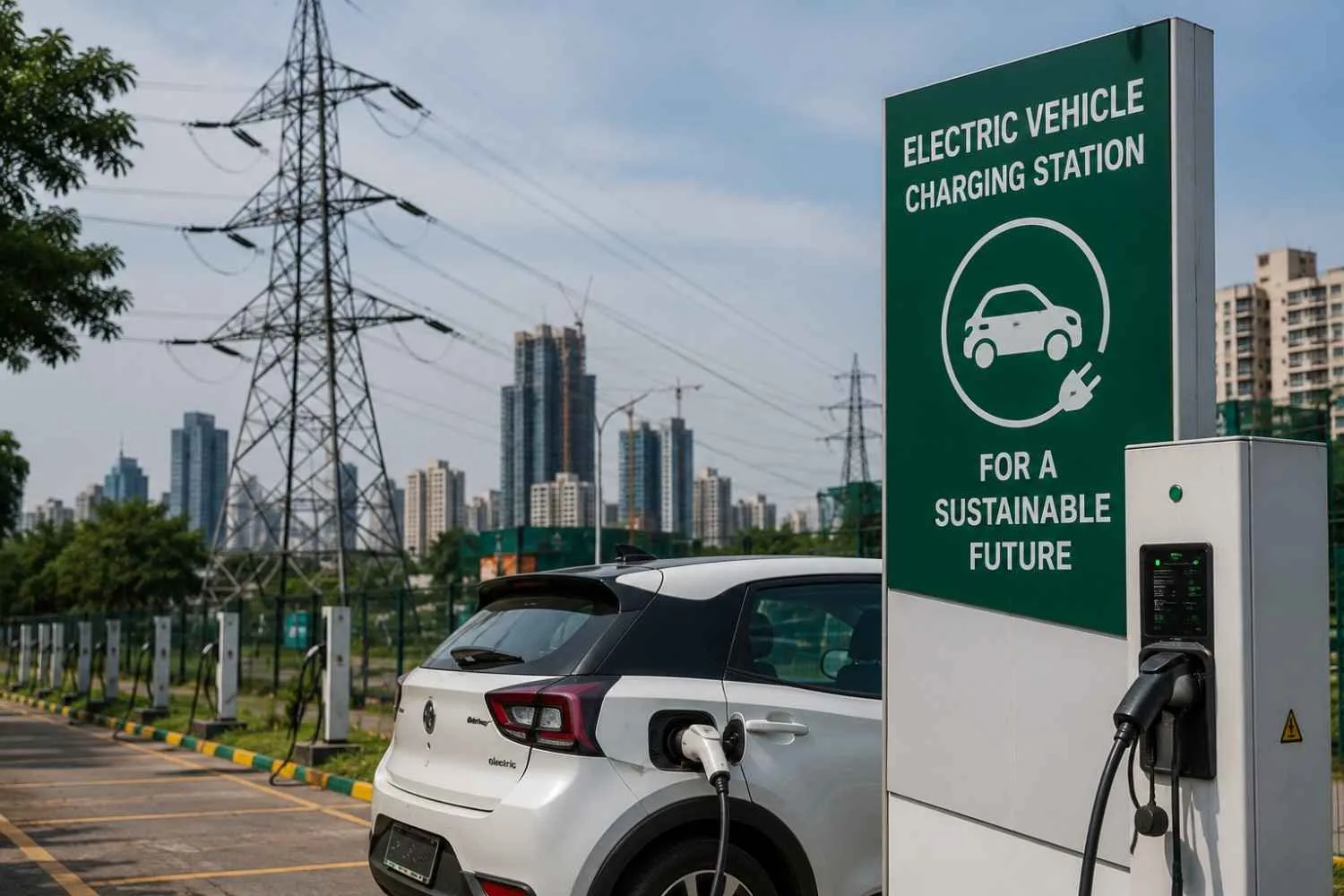
According to a Reuters report published on 8 July 2026, Union Power Minister Manohar Lal Khattar said India's peak electricity demand could touch nearly 300 gigawatts (GW) by 2027. The surge will be driven by rapid economic growth, artificial intelligence (AI), expanding data centres, electric vehicles, industrial growth and cooling demand as temperatures keep rising.
That appears to be progress on paper.
More electricity powers more homes, fuels more industry, grows more businesses, and lifts more lives.
With growth comes greater responsibility.
Can India produce enough power without creating more pollution? Can renewable energy keep up? Is the grid ready for AI, EVs, and climate change?
These are no longer questions for only policymakers because they affect every household, every business and every citizen.
Because electricity is no longer just another utility. It powers education, healthcare, transport, communication, the digital economy, and nearly every aspect of modern living.
The challenge, however, goes beyond generating more electricity.
Electricity must be there when people need it, travel long distances without interruption, remain affordable, and steadily get cleaner.
This is why India’s shift to new energy sources is at a critical stage.
Today’s decisions on coal, renewables, storage, grids, and efficiency will shape India’s energy future for decades.
Keeping the lights on is no longer just about producing electricity. It's about building an energy system that is reliable, resilient and ready for tomorrow.
If meeting future demand is so important, why doesn't India simply build more power plants?
Sounds easy, right? Need more power? Generate more power.
But that’s not how it works.
Electricity is different from other resources. You can’t just produce and preserve it. It has to be available 24/7, the moment people need it.
That is where India's real challenge begins.
Coal has powered India for decades.
Coal continues to be the country’s most dependable electricity source. It operates 24/7 in any weather, and keeps delivering during heatwaves or demand peaks when other options struggles.
Reliable power, real consequences.
Coal is a major source of greenhouse gas emissions and air pollution. It is also water-intensive and hinders India’s climate goals.
It’s a hard choice. Coal keeps us running today, but it can’t power tomorrow.
The only way out is cleaner energy.
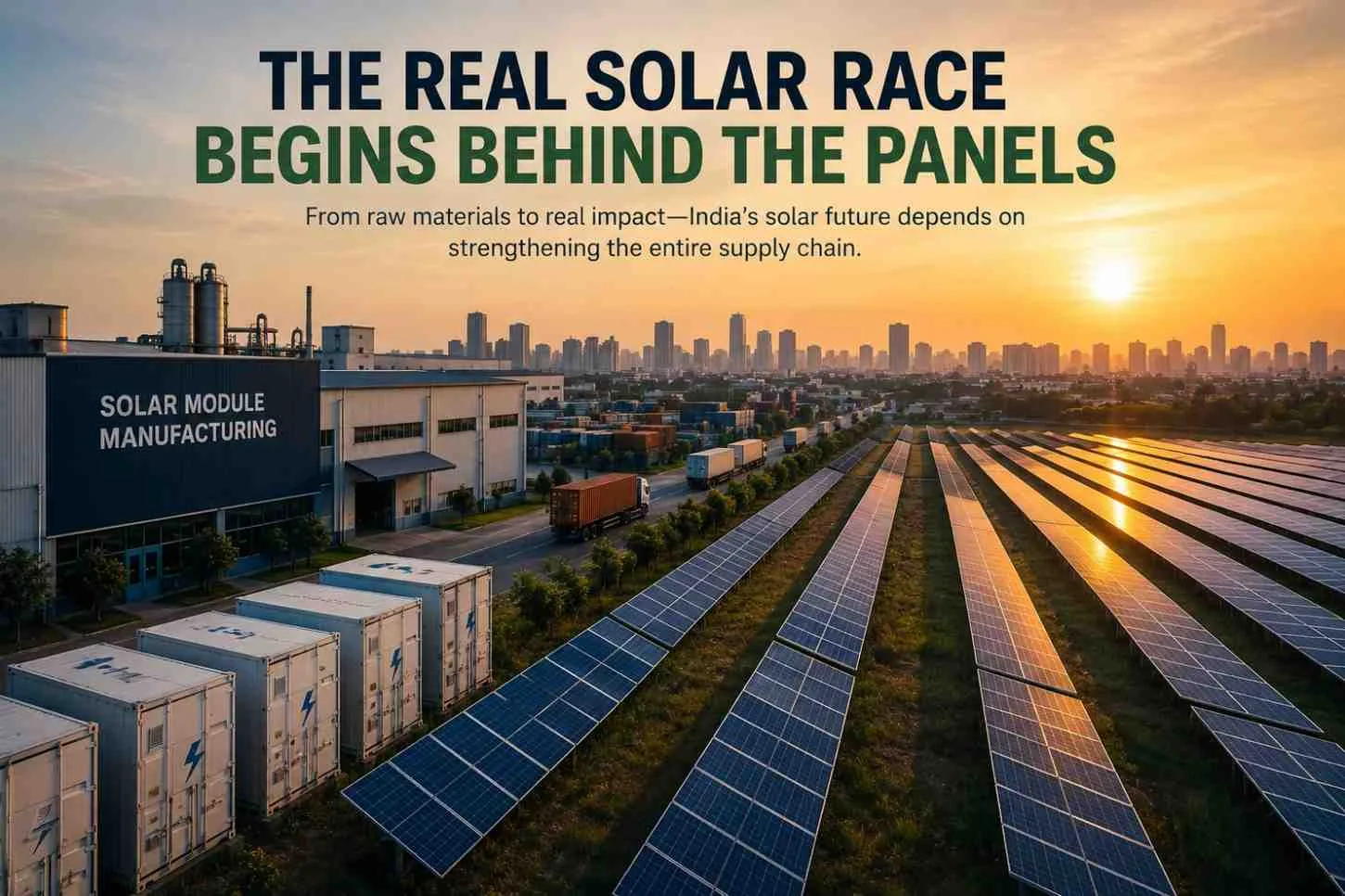
Solar and wind projects are expanding rapidly across the country. Technology has become cheaper. Investments are increasing. India is already among the world's leading producers of renewable energy.
Yet clean energy has one limitation that cannot be ignored.
The sun sets. The wind fades. Electricity demand doesn't!
Life doesn’t pause for darkness, clouds, or calm winds. Hospitals, factories, and data centres need power 24/7 - no excuses.
It’s not coal vs renewables anymore.
The real conversation is about maintaining the equilibrium.
Coal provides stability. Renewables provide sustainability. Storage provides flexibility and transmission connects them all.
We generate solar power by day but lose its value by night because we can't store it. We produce electricity where it's abundant but struggle to deliver it where it's needed most. Every evening, rising demand pushes the grid to its limits- highlighting the urgent need for smarter energy management.
Every part of the system depends on one another.
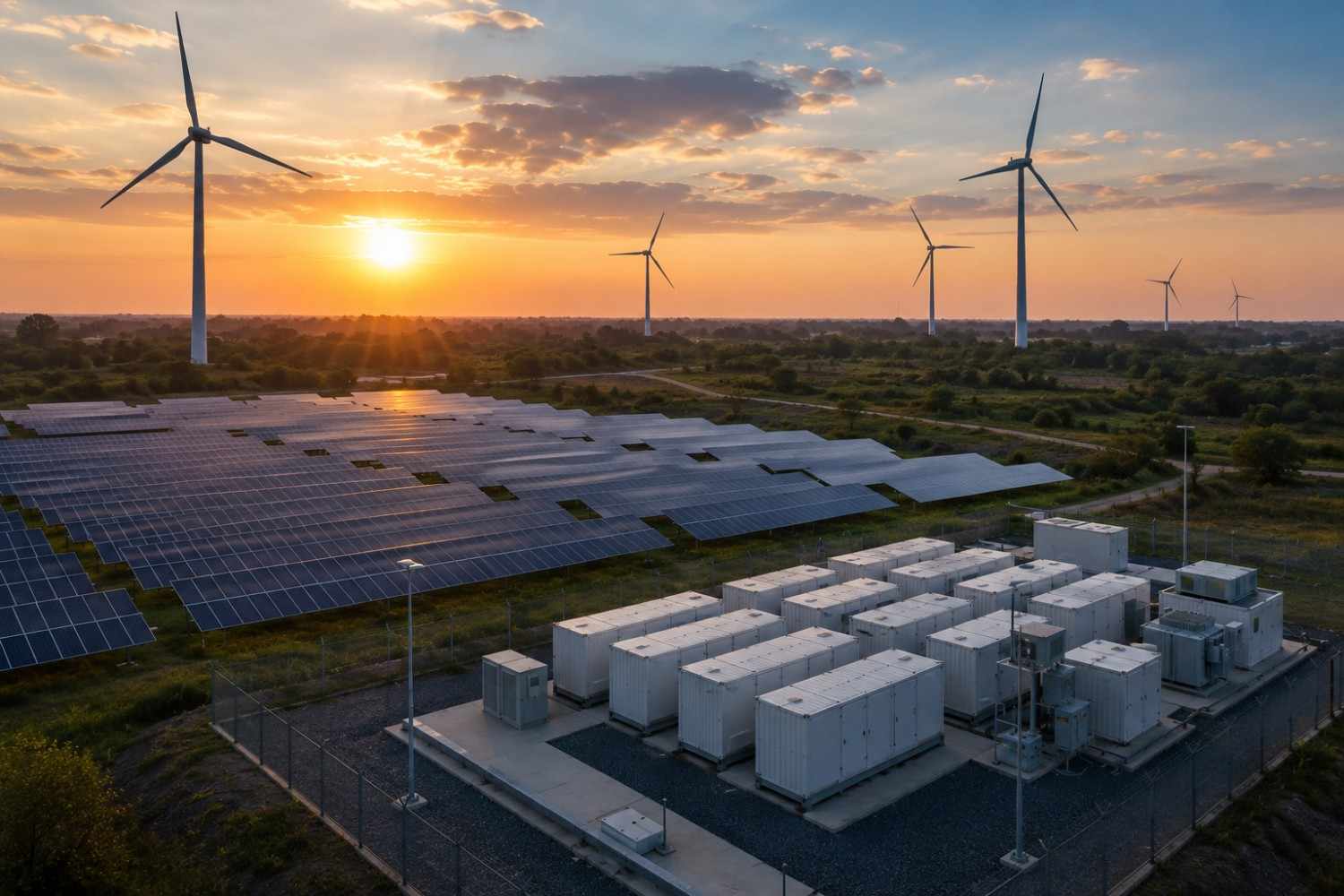
India’s power system works like a chain. Generation kicks it off, storage sustains it, transmission moves it across, and efficiency makes sure nothing is lost before it reaches consumers.
Even if one runner slows down, the whole system suffers.
This is why experts believe that India's future energy strategy cannot just focus on building more power plants but instead on building a smarter power system.
Power that doesn’t fail when demand spikes. Bills people can actually pay. Air, that’s much cleaner. And a grid flexible enough to run the future!
The challenge ahead isn’t about generating more power. It’s about generating the power at the right time, delivering it when it’s needed, and doing it in the most cost-effective and environmental way.
So, what can India do?
The first answer is surprisingly simple. Use electricity more efficiently.
Each evening, electricity demand peaks. Households turn on lights, ACs, TVs, and appliances simultaneously while offices, factories, and commercial spaces remain active. This overlap creates a sharp surge that strains the grid.
This is where energy efficiency and Time-of-Day (ToD) pricing can have a real impact.
ToD pricing is simple: pay less at night, pay a bit more in the evening rush. It’s not about making power costly but about getting people to charge cars, run washing machines, and run machines when the grid has room.
Along with efficient appliances, LEDs, smart meters, and improved building design, these measures can greatly lower peak load. According to experts, managing demand is often the quickest, cheapest way to relieve the grid instead of building more plants.
But reducing demand alone will not solve the problem. India also needs to store clean electricity to use later. Solar power is generated only during the day and wind energy depends on weather conditions.
Demand, however, persists continuously.
India's Electricity Demand: Current vs Future
| Year | Peak Electricity Demand |
|---|---|
| 2024 | 250 GW |
| 2025 | 270 GW |
| 2027 (Projected) | 300 GW |
Key Takeaway:
India's electricity demand is projected to increase by nearly 50 GW within three years, mainly due to AI, data centres, EVs, cooling demand and economic growth.
This is driving greater reliance on Battery Energy Storage Systems (BESS) and pumped-storage hydropower.
Solar in the day, batteries at night. That’s the idea. And pumped storage? It’s nature’s battery - lifts water when power is cheap and drops it when demand spikes.
According to experts, India will require both daily-use battery storage and long-duration storage to ensure stable power during extreme periods of solar and wind generation. Storage is no longer an optional technology- it is becoming the backbone of a renewable energy grid.
Another question, i.e., equally important, is
Is power reaching the places that need it the most?
Generating clean power is only one part of the solution. It should also travel efficiently across the country.
Rajasthan and Gujarat’s large solar farms frequently produce surplus electricity, while demand spikes in other states. Weak transmission links mean renewable energy may stay unused despite demand elsewhere.
This means transmission is as critical as power generation. Experts say building high-capacity transmission corridors and upgrading the national grid will determine how well India taps its expanding renewable capacity.
Then the biggest question of the future arises.
Should data centres produce their own clean energy?
Artificial intelligence, cloud computing and digital services are driving a surging expansion of data centres. These facilities operate 24 hours a day and consume an enormous amount of electricity.
The energy transition isn’t just the government’s job. Big consumers need to step up too. Rooftop solar, batteries, long-term clean power deals - these don’t just take load off the grid, they also make companies more secure.
India's Energy Transition Chain
Renewable Energy
↓
Battery Storage
↓
Transmission Grid
↓
Smart Distribution
↓
Consumers
Without any one of these links, the entire electricity system becomes less reliable.
The final question is perhaps the most difficult.
Which energy source offers the best balance between reliability, affordability and sustainability?
There is no perfect answer!
Coal remains reliable because it can generate electricity throughout the day. However, it also produces high carbon emissions and causes air pollution.
Solar and wind power are clean sources of energy that are becoming more cost-effective. The biggest limitation is that they depend on weather conditions.
Hydropower provides flexible electricity and helps balance renewable energy but growth is constrained by location and environmental factors.
Natural gas helps meet sudden spikes in demand. However, high costs and dependence on imports make it less reliable in the long run.
Battery storage improves reliability by storing renewable energy, although large-scale expansion still requires the right investment.
The cheapest way to manage power isn’t to make more of it but to waste less. That’s why demand response and efficiency still win.
This is why experts believe India's future will not depend on a single technology but on the right combination of many.
In the short run, coal may ensure stability. Renewables will power the clean transition. Batteries will fill the gaps between supply and demand. New transmission lines will carry clean power to consumers. Energy efficiency can ease the burden on the power grid.
Together, these solutions can help India meet rising electricity consumption without compromising reliability, affordability or sustainability.
One thing made India's progress possible: Power you can count on.
From powering factories during industrial growth to supporting today's AI revolution, electricity has become the backbone of the country's progress silently.
The challenge now is no longer whether India can generate more electricity, but whether the country can generate it wisely.
Every choice we make today comes with a cost.
Coal ensures reliability but raises emissions. Renewables without storage can’t deliver power on demand. More transmission without more generation still won’t meet needs.
Relying on just one solution won’t work. The path forward, experts say, is balance, not dependence.
During the transition, coal may ensure reliability. Renewables will lead on sustainability. Storage will fill supply gaps. Smarter grids and stronger transmission will bring clean power to consumers.
Comparing India's Power Options
| Energy Source | Reliability | Emissions | Best Use |
|---|---|---|---|
| Coal | ★★★★★ | High | Base-load power |
| Solar | ★★☆☆☆ | Very Low | Daytime electricity |
| Wind | ★★★☆☆ | Very Low | Seasonal generation |
| Hydropower | ★★★★☆ | Low | Peak balancing |
| Battery Storage | ★★★★★ | Zero | Evening demand |
| Energy Efficiency | ★★★★★ | Zero | Reducing peak demand |
We don’t have to wait for new plants. Smarter tech and smarter use can take pressure off the system right now.
Governments won’t make it alone. Industries need to go cleaner, businesses need to be more efficient, housing societies need to cut excess use, and consumers need to make smarter choices daily
Small actions may seem insignificant at first but together, they shape the future of the entire electricity system.
India has already proven that ambitious targets are within reach.
The next challenge is ensuring that every additional unit of electricity is cleaner, more reliable, and more resilient than the last.
This isn’t just about electricity. It’s about economic growth, climate resilience, public health, energy security, and the lives of more than a billion people.
The lights must stay on!
The real question isn’t just electricity.
But legacy.
How India powers itself today will define tomorrow!
DATA / DOCUMENT STACK
- Central Electricity Authority (CEA): Peak electricity demand and generation data (2024–2026).
- Ministry of New and Renewable Energy (MNRE): Monthly renewable energy capacity additions and physical progress reports.
- Grid India: Grid frequency, renewable integration and transmission performance data.
- State DISCOM Reports: Electricity demand curves, Time-of-Day (ToD) pricing pilots and Battery Energy Storage System (BESS) tenders.
- Reuters (8 July 2026): Union Power Minister Manohar Lal Khattar's remarks on India's projected 300 GW peak electricity demand by 2027.
- International Energy Agency (IEA): India Electricity Outlook and clean energy transition reports.
- NITI Aayog: National Energy Security and Energy Transition publications.
SOURCE:
- Reuters — 8 July 2026 (Remarks by Union Power Minister Manohar Lal Khattar)
- Ministry of New and Renewable Energy (MNRE) — Physical Progress Reports
- Central Electricity Authority (CEA) — Peak Demand & Generation Statistics
- Grid India — National Grid Performance Reports
- International Energy Agency (IEA) — India Energy Outlook


Add a Comment