
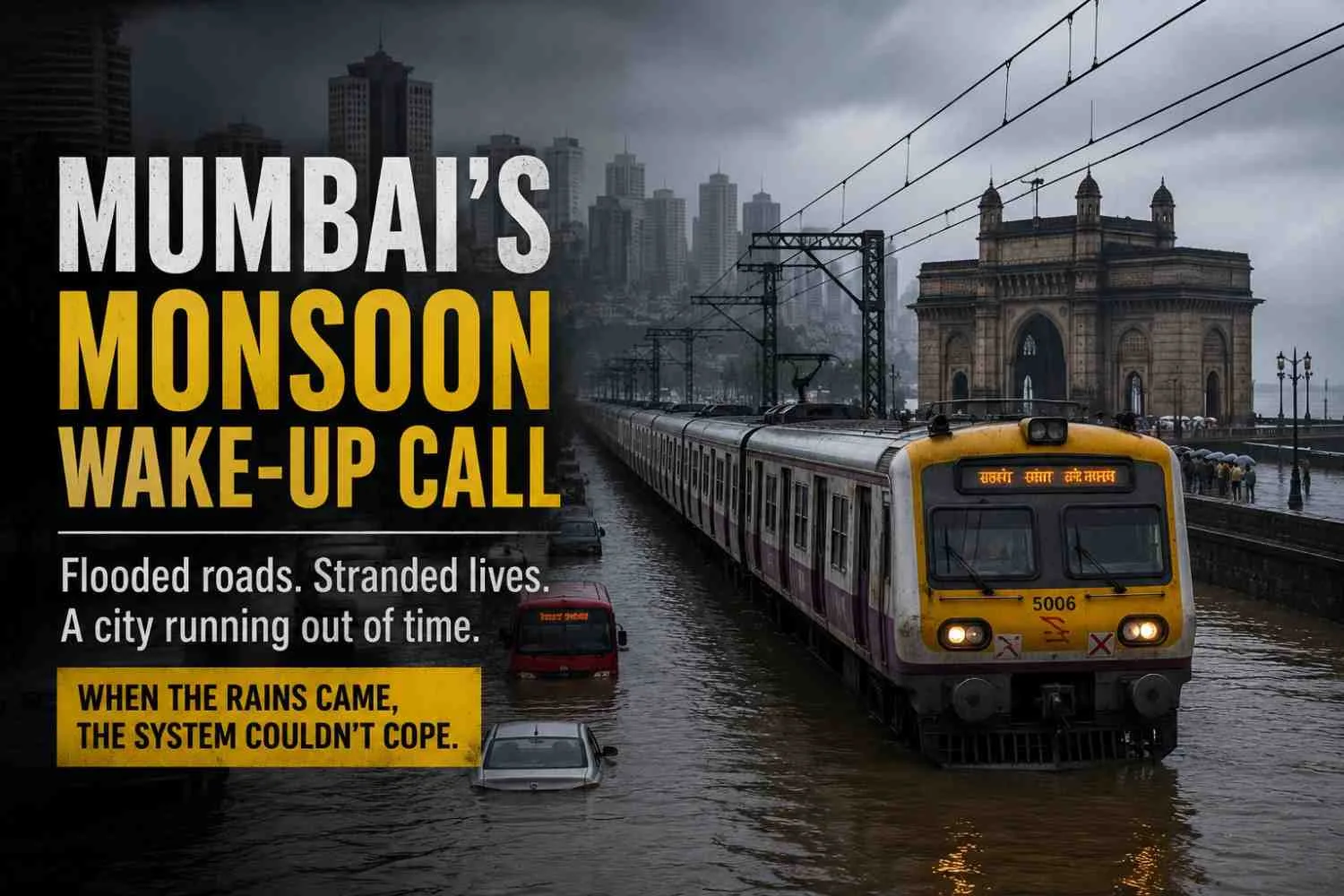
The floods exposed more than clogged drains. They revealed a city struggling to keep pace with a changing climate
By Tiyasha Ghosh
Kolkata | July 17, 2026:
Rain isn’t new to Mumbai. So why is the city still caught off guard? Why does it take just a few hours for roads to become rivers?
And if we face this every year, why are we still asking the same questions?
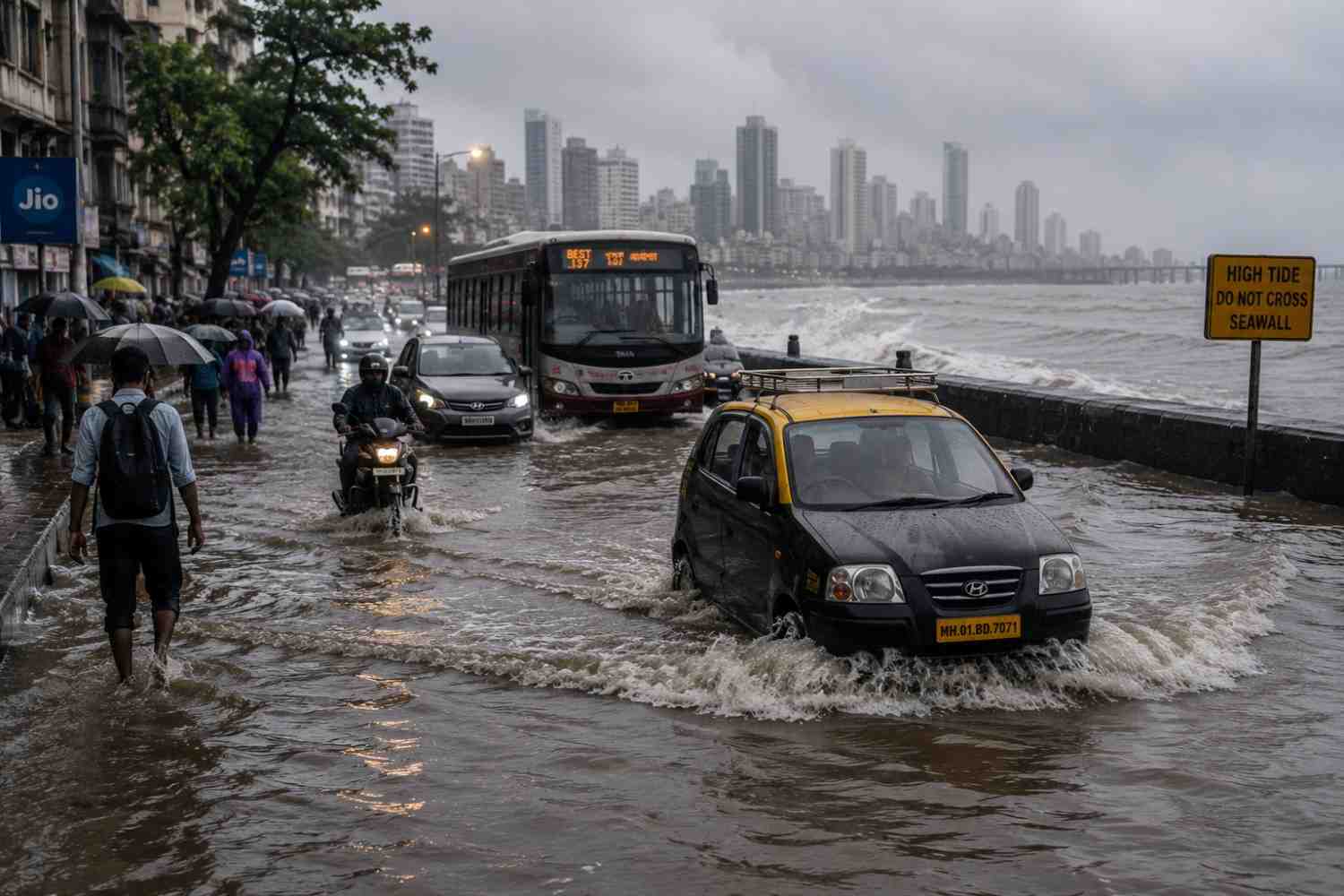
Because intense rainfall between June 30 and July 6 brought large parts of Mumbai to a standstill and these questions returned once again!
Roads were submerged, train services were disrupted, flights were delayed, and thousands of people found themselves stranded as water quickly flooded homes, markets, and streets.
Roads were underwater, trains were hit, flights were delayed, and thousands were stranded as water rushed into homes, markets and streets.
But this isn’t just about another rainy week!
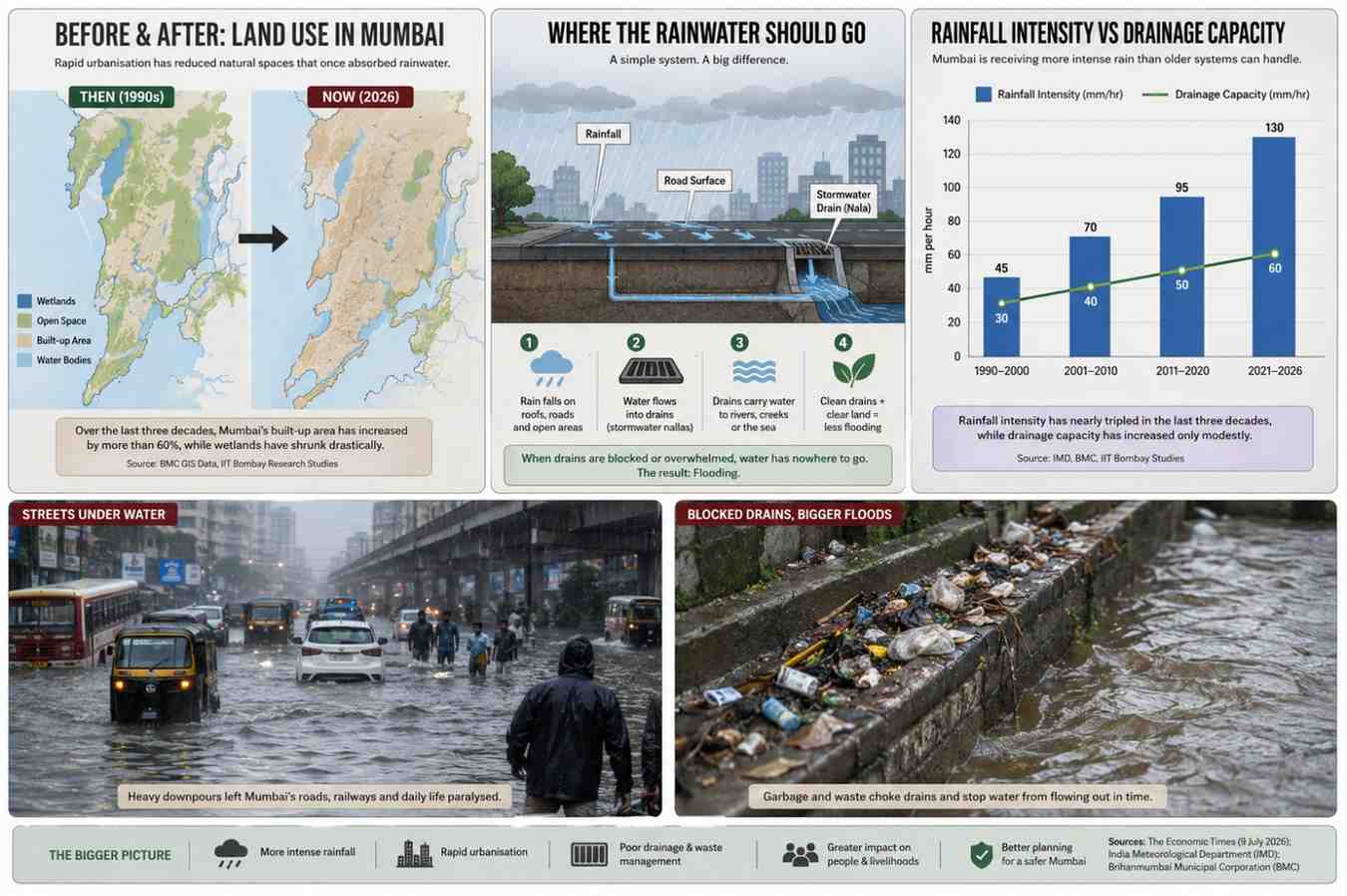
Experts say it’s not just about how much it rains anymore. What matters is how quickly it falls, where it falls, and if the city can cope or not. In many areas, the intensity of rainfall has outpaced what old drainage systems were built for.
Mumbai's drainage system was built decades ago based on rainfall patterns that has changed significantly over time. Today, short but extremely heavy cloudbursts dump large volumes of water within hours, overwhelming stormwater drains before they can carry the water away.
At the same time, rapid urbanisation has worsened this issue.
The wetlands that soaked up rainwater have vanished. Concrete buildings, roads and parking areas have replaced open land. Instead of draining into the soil, rain now flows over hard surfaces and quickly floods low-lying neighbourhoods.
Experts additionally identify solid waste as an escalating concern.
We dump plastic, construction waste and household trash into drains all year. So, when the monsoon arrives, the clogged drains don’t just carry water away - they spill it right into people’s houses.
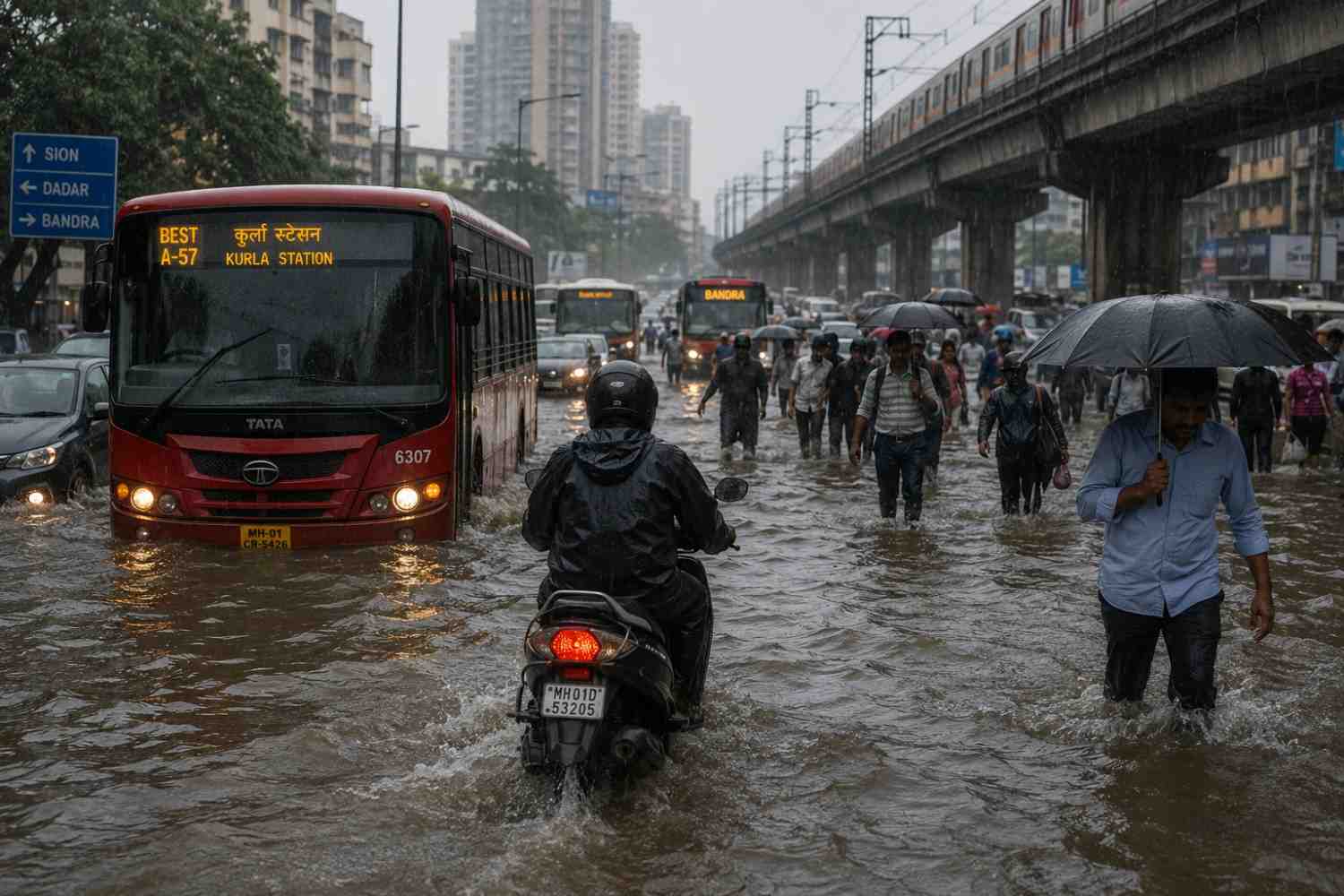
The ordinary people suffer the most.
Transport shutdown means lost wages for daily workers, missed classes for students, and hours of closure for small businesses. People in informal settlements suffer the most - floodwater gets into houses, damages property, and spreads water-borne illnesses.
According to urban planners, Mumbai should shift from tracking only daily rain to measuring rainfall intensity. New drainage systems must be designed for extreme downpours instead of outdated estimates.
Experts also say cities should regularly check if drainage capacity matches actual rainfall intensity. These checks can identify problems before the monsoon, not after the roads have already been flooded.
Residents and infrastructure experts say that bigger drains alone won’t solve flooding. We also need to restore wetlands, protect rivers and mangroves, improve waste management, add more permeable surfaces, and strengthen disaster planning at the grassroots level.
Small steps by residents can make a huge difference. Clearing litter from drains, reporting blockages, avoiding construction debris dumping, and obeying flood advisories will help cut down local flooding.
Mumbai just got another wake-up call - climate change means heavier rain.
The good news? Not every flood is destiny.
Plan better, build stronger, develop smarter, and we can take the hit out of the next storm.
We know the rain will come back, hard .
The only thing left to ask is: will Mumbai be ready this time?
Source:
The Economic Times (9 July 2026)
India Meteorological Department (IMD)
Brihanmumbai Municipal Corporation (BMC).







Add a Comment