Jakarta Became the World's Sustainability Classroom
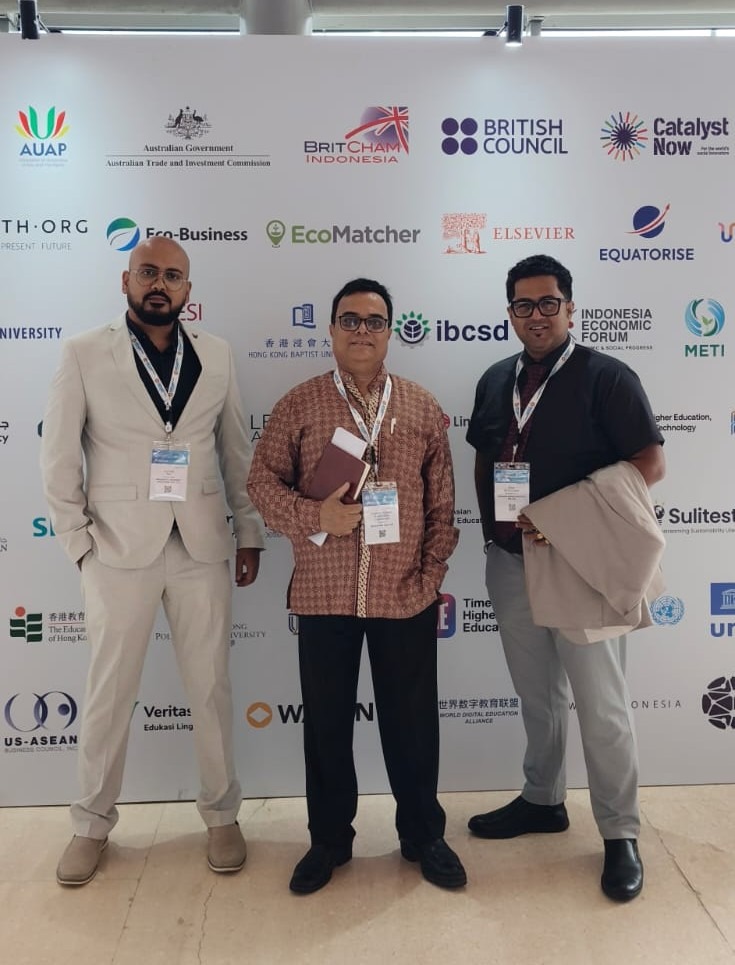
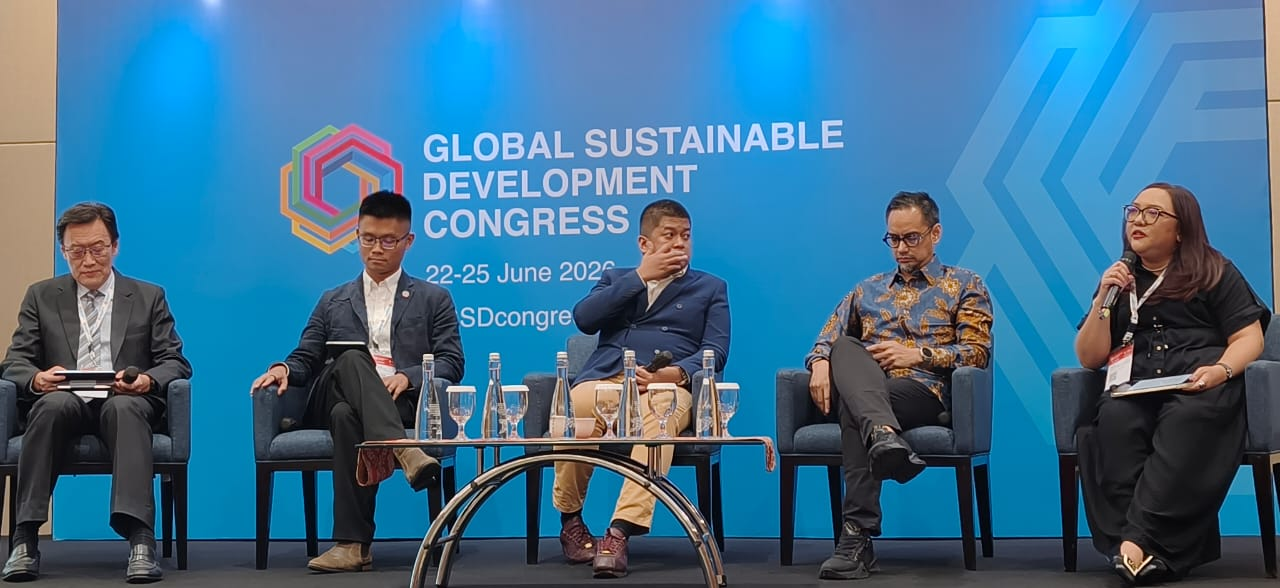
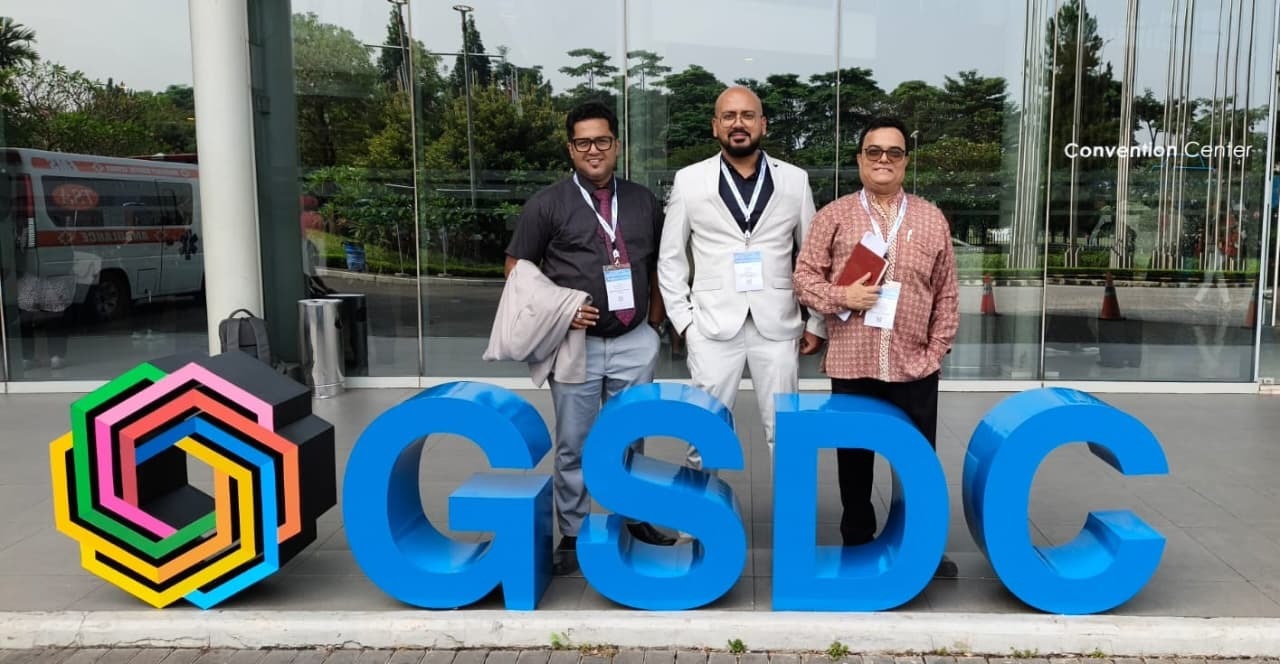
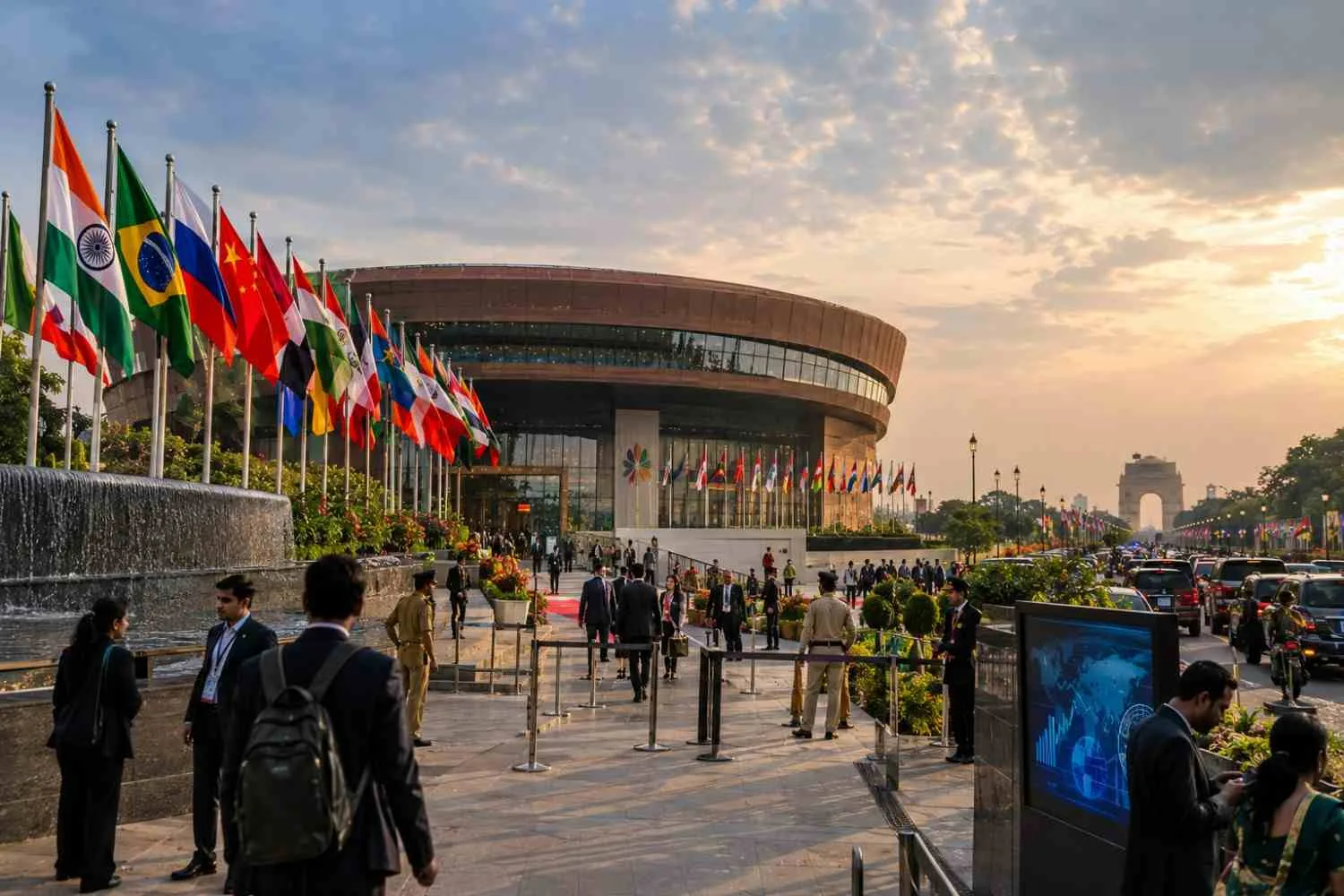
For four June days in 2026, Jakarta did more than host a congress. It became a live classroom for the world's sustainability conscience. The fifth Global Sustainable Development Congress, convened by Times Higher Education at the Indonesia Convention Exhibition from 22 to 25 June, brought together more than 5,000 people from higher education, government, industry and civil society. Its official post-event description spoke of "thought-provoking discussions, new partnerships and collaborative action" [1]. But the larger story was not merely the scale of attendance. It was the way the congress treated the Sustainable Development Goals as a practical architecture for institutions, rather than as ceremonial vocabulary for banners, annual reports and polite speeches.
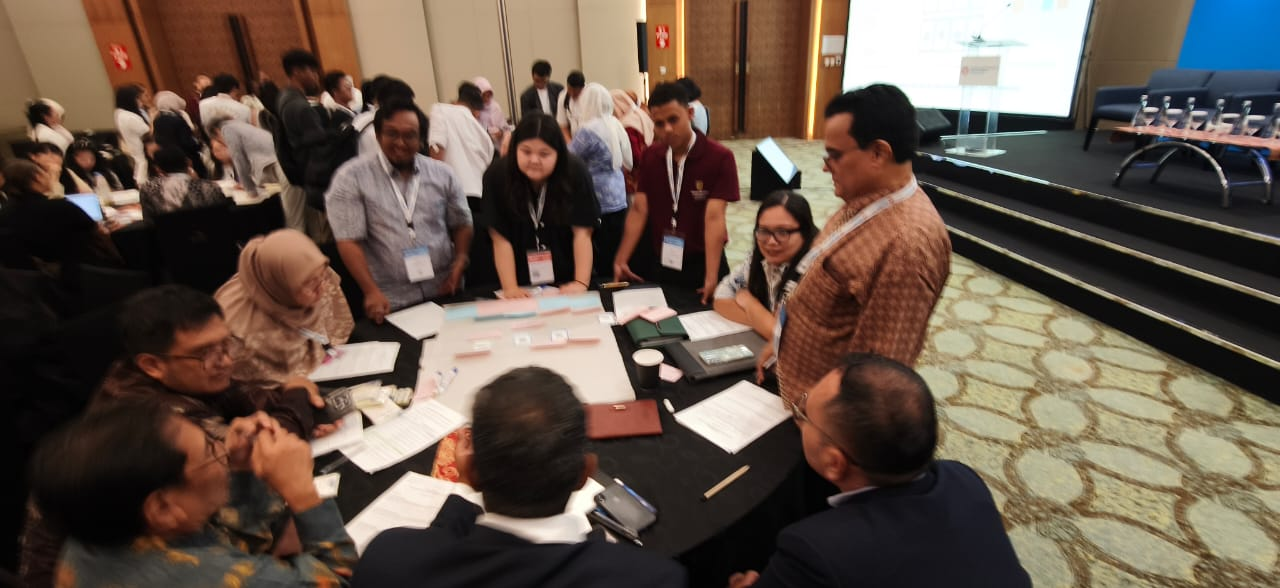
The attached pre-event report had anticipated exactly this shift. It described Jakarta as a crossroads of culture, commerce, policy and innovation, and argued that the world no longer needed sustainability as a slogan but as a system of action. The subsequent public conversation around #GSDCongress confirmed that this was not an empty line. The congress became a meeting ground where university presidents, ministers, impact-rating experts, ESG professionals, digital entrepreneurs, development practitioners, city planners, investors and students discussed how to move from climate concern to measurable institutional behaviour.
That is why the phrase 'from sustainability talk to sustainability architecture' captures the spirit of Jakarta. The congress was not designed as an isolated education conference, a business forum or a climate seminar. It worked as a cross-sector operating table. Universities brought research and legitimacy. Governments brought planning authority. Companies brought capital, technology and value chains. Civil society brought moral pressure and ground truth. Media and digital platforms brought the possibility of public translation. Together, they formed the beginnings of an SDG delivery ecosystem.
Why Jakarta Mattered
Indonesia was not a neutral venue. It was part of the message. Southeast Asia is one of the most consequential regions for sustainability in the twenty-first century: fast urbanisation, vulnerable coasts, forest and biodiversity tensions, energy-transition dilemmas, youth-heavy demography, emerging middle classes and rapidly expanding higher education systems. Holding the congress in Jakarta placed the SDG conversation inside the development realities of the Global South. It reminded participants that sustainability cannot be shaped only in Western capitals, donor agencies or ranking offices. It has to be negotiated in cities that are growing, in economies that are industrialising, and in communities that live daily with climate risk and opportunity.
The official GSDC 2026 agenda covered cities and communities; education, gender and inequality; environment; circular economy and materials; decarbonisation and energy; and supply chain and resources [2]. Those pillars gave the congress its intellectual spine. Cities were treated not only as places of consumption but as laboratories of resilience. Education was presented not only as a human-rights issue but as the platform for green skills and social mobility. Environment was not separated from livelihoods. Circularity was not reduced to recycling. Decarbonisation was not discussed only as technology but as finance, jobs, policy and justice. Supply chains were treated as systems of transparency, responsibility and competitiveness.
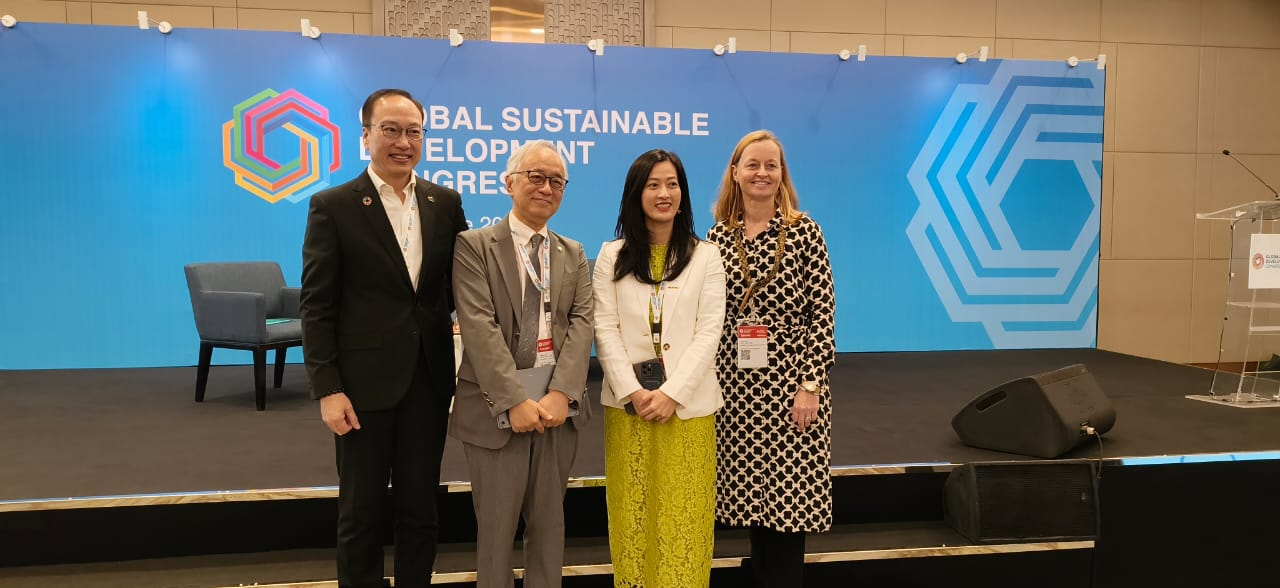
This framing matters for Asia, South Asia and the Middle East. These regions are exposed to heat, floods, water stress, air pollution and livelihood vulnerability, but they also carry enormous demographic energy, digital capacity, entrepreneurial ambition and institutional expansion. Jakarta therefore allowed a different story to be told: the Global South is not merely a geography of risk. It is a geography of solutions.
Phil Baty and the Global Pulse of #GSDCongress
Public posts after the congress captured the emotional and institutional charge of the event. Phil Baty, Chief Global Affairs Officer and COO of Times Higher Education and one of the key global figures behind the congress, called it "a truly awe-inspiring event" and pointed to the commitment to "real societal impact" from changemakers across the world [3]. The official GSDC community message, which he amplified, described the week as a demonstration of global collaboration's power to "turn ambition into action" [3].
This was not only celebratory language. It pointed to the real transition that GSDC is trying to force across higher education. In another publicly indexed post connected to the congress, Baty shared the message that educational institutions must equip young people with "skills, knowledge and values" so that they can "create and seize the opportunities" before them [4]. That line matters because it moves sustainability from institutional reputation to student formation. If universities are serious about the SDGs, the proof will not be in brochures; it will be in graduates who can redesign systems, build ethical enterprises, read climate data, communicate risk, fight misinformation, understand ESG evidence, and work with communities.
Another pre-congress discussion amplified by Baty carried a harder message for universities: "Excellence in itself is not enough anymore" [5]. The point was clear. Teaching excellence and research excellence remain necessary, but they are no longer sufficient markers of institutional greatness. Universities are now being asked to demonstrate how they address local and global challenges. That is a major reputational shift. It changes the definition of prestige from exclusivity to usefulness, from citation alone to contribution, from institutional image to public good.
The Ratings Moment: Accountability Enters the Room
The live release of Times Higher Education's Sustainability Impact Ratings 2026 gave the Jakarta congress a powerful accountability dimension. THE states that the 2026 rankings evaluated 1,646 universities from 116 countries and territories across 17 individual SDG tables and one overall ranking [6]. The ranking page also notes that the University of Manchester was number one overall, with Griffith University second [6]. A Times Higher Education LinkedIn post added that Asia had the greatest representation, with more than half of the universities in the global ranking, and that India was the second best represented country with 110 institutions [7].
These figures matter because they show that sustainability performance is no longer peripheral to higher education. It is becoming part of global institutional measurement. The old university brand was built on admissions selectivity, research citations, faculty reputation, industry salaries and alumni power. The new university brand increasingly asks additional questions. Does the campus reduce its footprint? Does the curriculum prepare students for a just transition? Does research solve public problems? Do partnerships help communities? Is equality measurable? Are water, energy, waste and health systems audited? Are students treated as co-creators of sustainable change?
For Indian, Bangladeshi, Nepali, Sri Lankan, Gulf and Southeast Asian institutions, the implication is decisive. Sustainability reporting cannot remain a year-end documentation exercise. It has to become strategic planning. Every university should now think in terms of an SDG evidence office, green campus dashboard, community impact registry, sustainability curriculum map, industry partnership pipeline and annual public accountability statement. In this sense, the GSDC ratings moment converted the SDGs from moral aspiration into institutional evidence.
South Asia Speaks: From Quality Education to Global Education Services
The congress also made space for South Asian voices that linked sustainability with education, innovation and regional development. Dr Md Sabur Khan, representing Bangladesh's Daffodil ecosystem, wrote that he looked forward to sharing South Asia's experiences in sustainable impact through higher education, innovation and cross-sector collaboration, with special focus on "SDG 4" and "SDG 17" [8]. That framing is important. Quality education and partnerships are not two separate goals in the Global South. They are mutually reinforcing. Without partnerships, education reform lacks scale. Without education, partnerships lack human capital.
Asish Thakur's publicly indexed reflections from Nepal extended this argument. He asked whether Nepal could become a global destination for education rather than simply a source of students, and pushed the conversation from "Study Abroad" to "Study in Nepal" [9]. He also described Nepal's greatest untapped resource as the "talent, ambition, and potential" of its people [9]. This is one of the most important educational-development insights emerging from Jakarta: sustainability is not only about conserving natural resources. It is also about transforming human capacity into regional value.
The South Asian outcome beyond SustainVerse is therefore much larger than a media launch. It includes the possibility of a knowledge-services corridor across India, Bangladesh, Nepal, Sri Lanka and the Gulf; new transnational education models; SDG-led university partnerships; joint degrees in sustainability, development management and green entrepreneurship; and regional youth programmes that turn climate anxiety into employability. Jakarta gave South Asian institutions a global stage to say that they are not waiting to be invited into the future of higher education. They are ready to help design it.
SustainVerse: The Launch as a Signal, Not the Whole Story
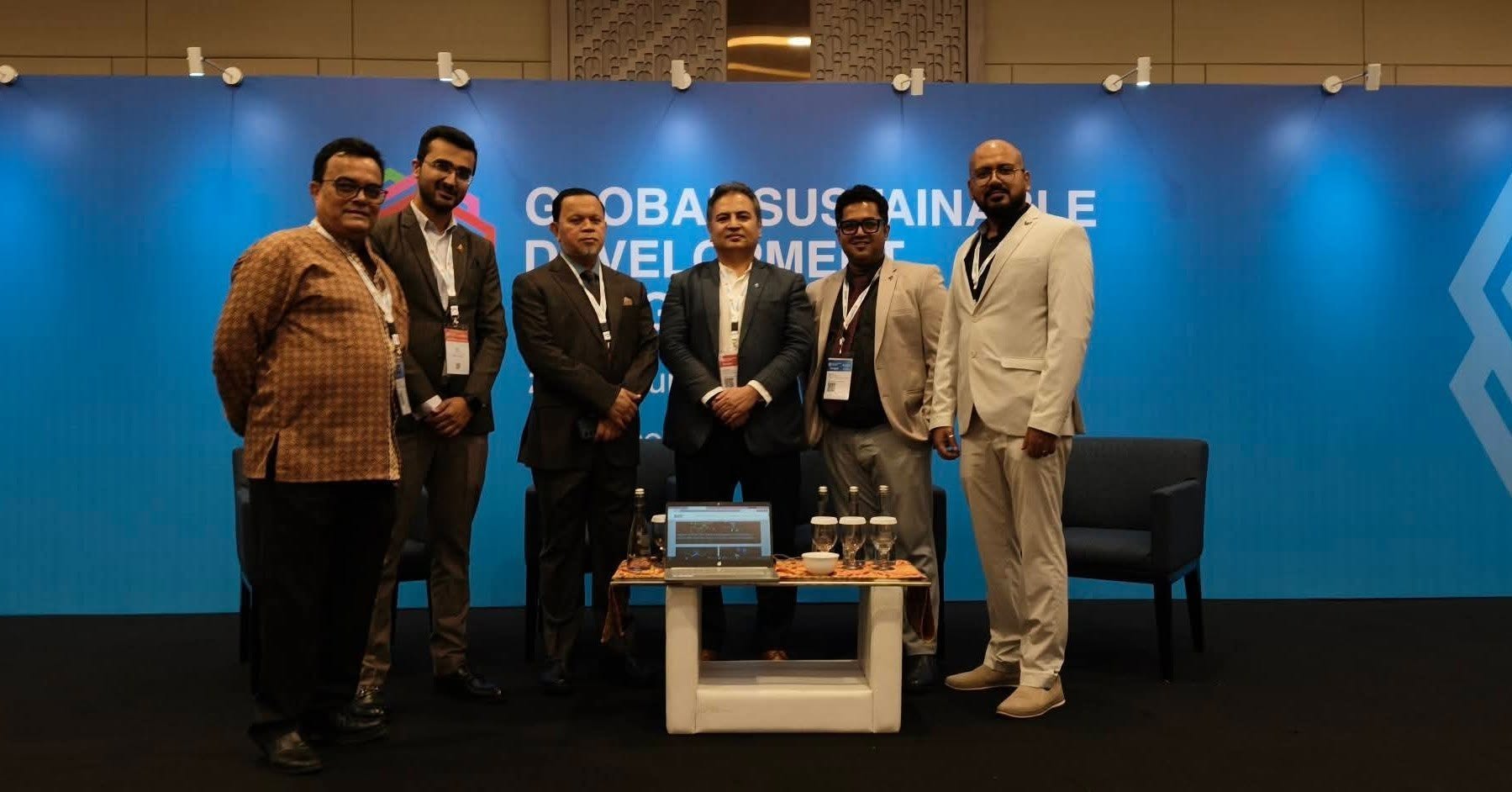
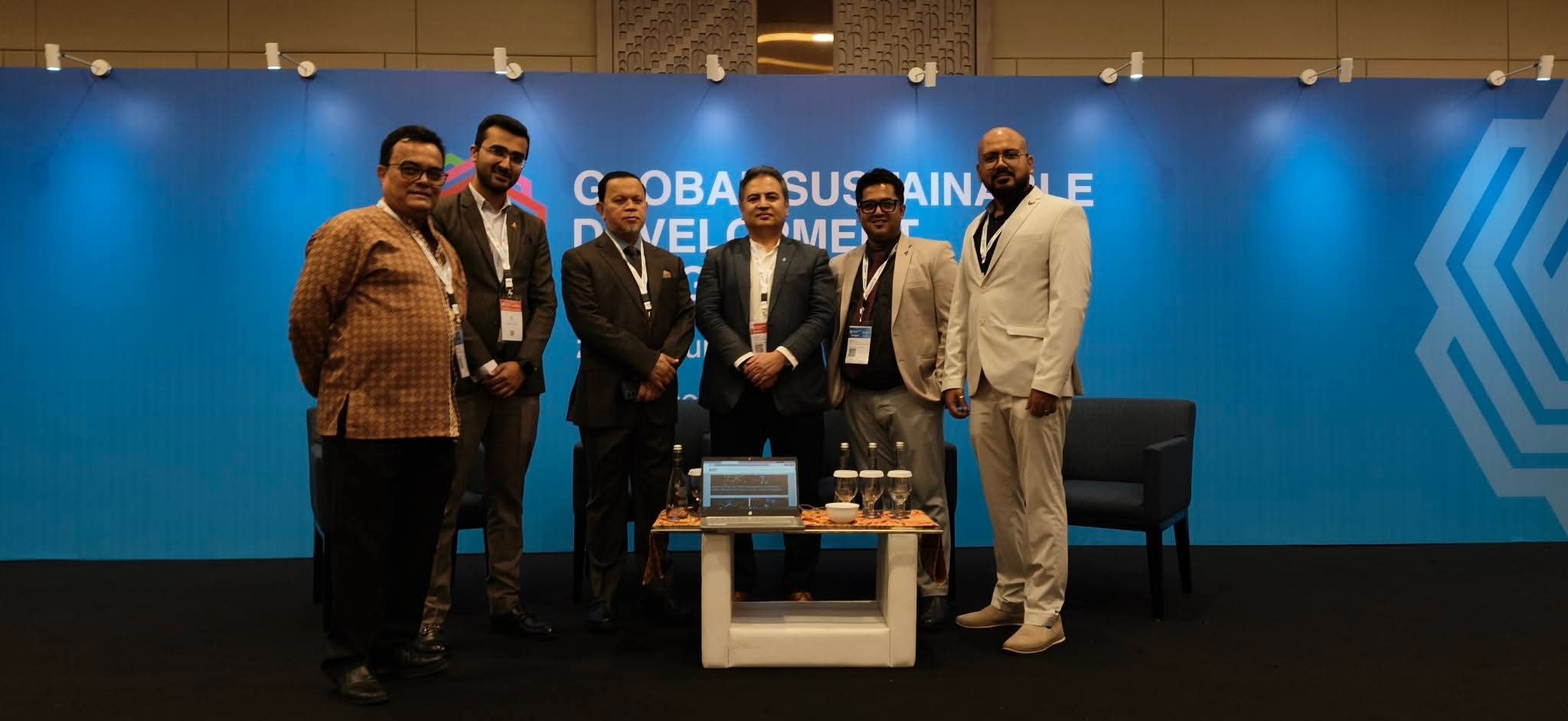
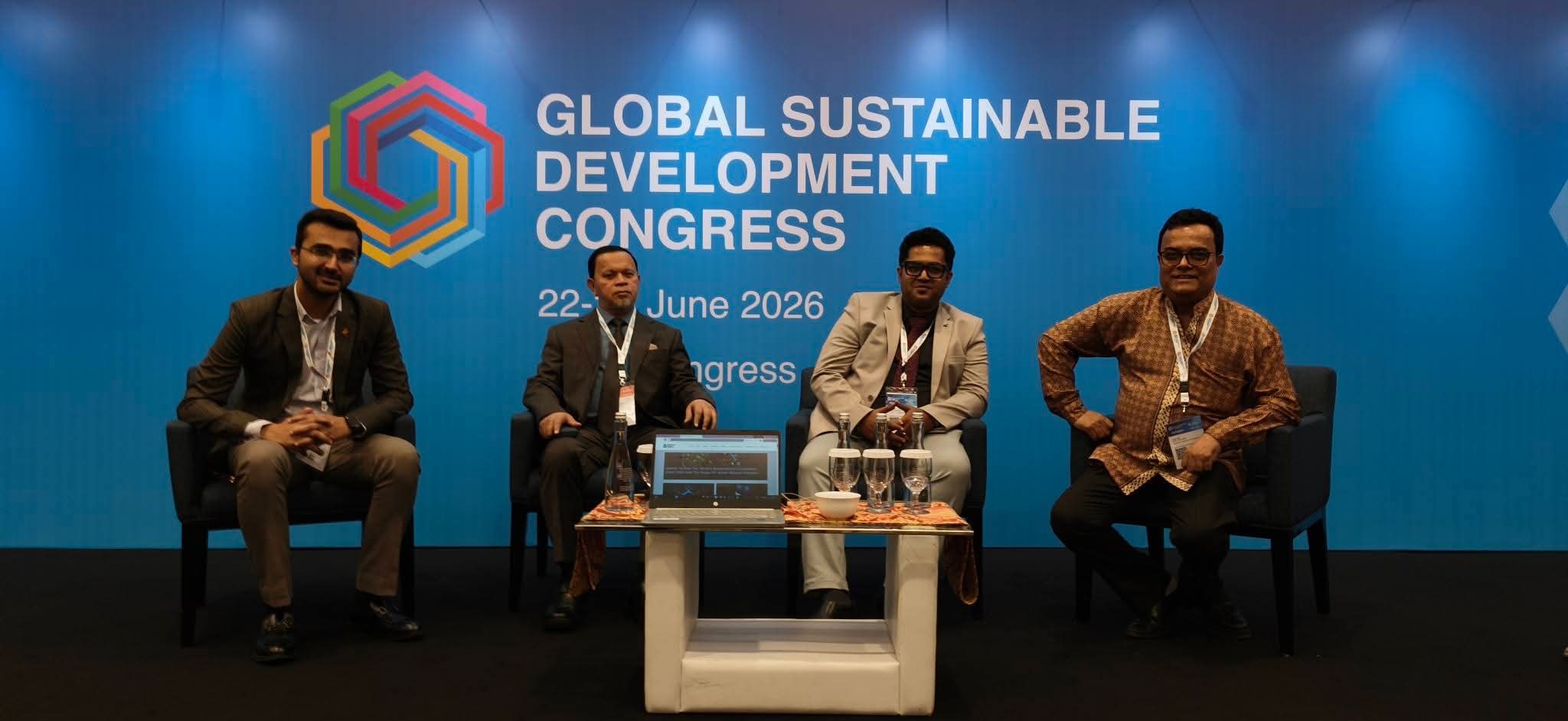
Within this larger congress narrative, the launch of SustainVerse.org became a timely South Asian digital intervention. A public LinkedIn post by Victor Bhattacharya said SustainVerse was launched at the #GSDcongress Summit 2026 in Jakarta and described it as a comprehensive ecosystem for global sustainability, including a global media portal, an education portal and a marketplace [10]. Another post from him framed technology as having to play a deeper role in real-world challenges and called SustainVerse "not just a platform" but a commitment to digital solutions for a "greener, smarter, and more responsible future" [11].
This gives SustainVerse a clear mandate. It should not become merely another sustainability website carrying event reports and generic climate commentary. Its opportunity is to translate complex sustainability knowledge into public learning, professional skills, investment intelligence, CSR opportunities, product discovery, policy explainers, campus action models and short-form media. The SustainVerse marketplace describes the platform's purpose as making sustainability practical, accessible and actionable, exploring climate innovation "not as abstract ideas but as real-world possibilities" [12]. The portal's own blog similarly says the deeper purpose is to convert stories into models that can be studied, adopted, replicated and scaled [13].
The public posts also credited Prof Ujjwal Anu Chowdhury's role in shaping and bringing the SustainVerse vision to the global stage [10]. A publicly indexed Facebook result from his profile showed the journey beginning with the line, "On to Jakarta to attend" GSDC 2026 organised by Times Higher Education [14]. That small travel note now reads as more than a departure post. It became the beginning of a bridge between a global congress and a new South Asian sustainability communication platform.
Outcomes Beyond SustainVerse: What Jakarta Actually Set in Motion
The first major outcome beyond SustainVerse is the normalisation of sustainability as institutional strategy. GSDC Jakarta made it difficult for universities to treat the SDGs as optional outreach language. Institutions now have to connect sustainability to admissions, research, faculty work, campus operations, community partnerships, rankings and reputation.
The second outcome is the rise of the university-industry-city triangle. The congress showed that the future of sustainability will be implemented where campuses, companies and cities work together. Universities can generate research and talent; companies can finance and execute; cities can provide the lived problem field of water, waste, transport, housing, energy, air, health and resilience. The practical next step is to build city sustainability labs anchored by universities and funded by industry.
The third outcome is green skills as the new employability grammar. GSDC's audience included HR and people-development leaders, and the official page linked skills, talent and workforce transformation to progress toward a sustainable economy [1]. This is a curriculum revolution waiting to happen. Sustainability must enter engineering, business, media, law, design, architecture, health sciences, education and public administration. The green economy will need carbon accountants, climate communicators, ESG data analysts, circular designers, biodiversity auditors, renewable-energy managers, sustainable procurement professionals and community transition facilitators.
The fourth outcome is the mainstreaming of sustainability finance. The attached context emphasised that capital is the missing bridge between vision and delivery. Jakarta reinforced that point by bringing chief financial officers, investors and responsible-investment leaders into the conversation. If universities and civil society want sustainability to move beyond advocacy, they must learn the language of bankable projects, blended finance, green bonds, transition finance, climate-risk disclosure and credible impact measurement.
The fifth outcome is evidence-based SDG governance. The Sustainability Impact Ratings made visible the need for verifiable documentation. The danger is that institutions will chase ranking points. The opportunity is that they will build evidence systems that actually improve practice. The best universities will use the ratings not as trophies but as mirrors.
The sixth outcome is regional confidence in the Global South. Jakarta affirmed that Asia, South Asia and ASEAN are not peripheral to the SDG future. The THE release showed Asia's numerical strength in sustainability rankings [7]. The congress's setting, speaker diversity and public posts by South Asian leaders created a psychological shift: emerging economies can contribute models, not merely receive advice.
The seventh outcome is a new public-media task. Sustainability is still too often trapped in jargon: net zero, ESG, Scope 3, nature-positive, climate resilience, just transition, circularity, blended finance. Media platforms must translate this into everyday meaning. SustainVerse can do that, but so can university media labs, journalism schools, regional broadcasters and independent digital creators. The congress created content; the next challenge is pedagogy.
The eighth outcome is youth leadership. The SDGs belong most directly to young people because they will inherit the consequences of today's decisions. GSDC's strongest legacy will emerge if students are not treated as photo-op participants but as researchers, communicators, entrepreneurs, community fellows, data collectors and policy challengers.
The ninth outcome is a new model for CSR and ESG in South Asia. Instead of donation-led charity or report-led compliance, Jakarta points toward measurable partnerships: school climate literacy, community adaptation, green skilling, rural clean-energy entrepreneurship, biodiversity restoration, waste-to-value enterprises, sustainable tourism, responsible fashion and campus-community innovation.
The tenth outcome is the repositioning of sustainability from fear to agency. The world is fatigued by climate panic without pathways. Jakarta's message was that the future must be built through alliances, metrics, finance, education, technology and courage.
The Business and Policy Dividend
For business, Jakarta's message was equally demanding. Sustainability can no longer be placed at the edge of the enterprise as CSR storytelling. It has to enter procurement, design, energy use, logistics, employee learning, investor communication and board-level risk management. The Asia-Pacific Sustainable Business Summit element in the attached context was therefore crucial because it joined the language of SDGs with the practical language of value chains. Companies that ignore climate risk, social inclusion, waste, water stress and community trust will increasingly face regulatory, reputational and market penalties. Companies that understand sustainability as innovation will find new products, new financing opportunities, new talent pipelines and new legitimacy.
For governments, the policy outcome is a reminder that sustainable development cannot be delivered by ministries working in isolation. Education policy has to speak to industrial policy. Urban planning has to speak to water and health. Climate policy has to speak to employment. Digital policy has to speak to inclusion and data ethics. The Jakarta congress placed ministers, universities, business leaders and civil society in the same institutional room, which is exactly the model that national and state governments should replicate through regional SDG implementation councils. Such councils should not be ceremonial. They should publish indicators, budgets, responsibilities, timelines and citizen-facing dashboards.
For philanthropic foundations and CSR leaders, the lesson is to move from activity counts to outcome architecture. Funding a seminar, distributing saplings or sponsoring a report is not enough. The new benchmark should ask: What changed in the community? What skill was acquired? What emission was reduced? What livelihood became more resilient? What policy was influenced? What student group continued the work? What data proves it? This outcome culture is where GSDC's emphasis on ratings, partnerships and evidence can reshape practice beyond higher education.
The Communication Dividend: Making Sustainability Understandable
One of the quiet but powerful outcomes of GSDC Jakarta is the recognition that sustainability will fail if it remains trapped in expert language. The public cannot act on acronyms alone. ESG, Scope 3, circularity, carbon markets, green taxonomy, nature-positive transition and climate adaptation all need translation into everyday choices, institutional checklists and local stories. This is where journalists, educators, creators and platforms become as important as scientists and financiers. They do not replace technical expertise; they convert expertise into public agency.
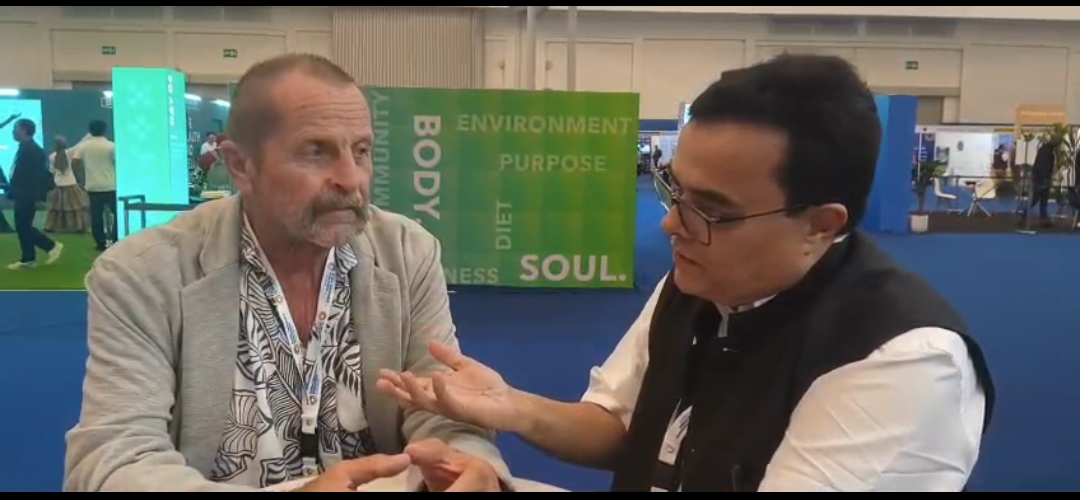
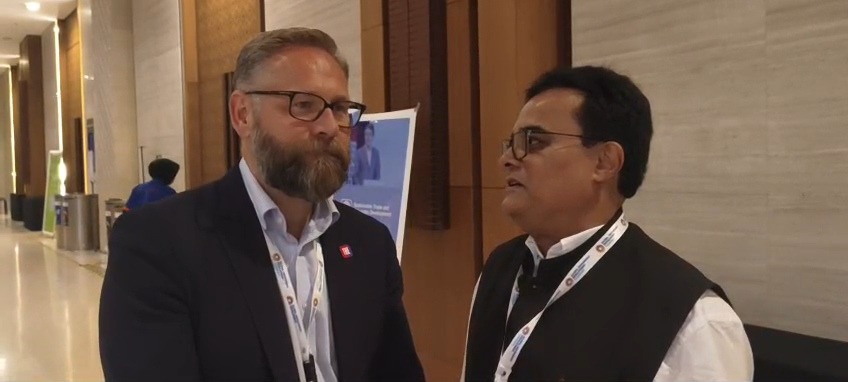
The interview of Phil Baty by SustainVerse, visible through publicly indexed social posts though not fully fetchable during verification, should be seen in this light. Its value is not only that a senior THE leader spoke to a new platform. Its value is that a global higher education conversation can be carried into a South Asian digital public sphere. Every such interview should now be converted into multiple formats: a full article, a short explainer, reels for students, quote cards for universities, a policy brief for regulators and a checklist for campuses. That is how a congress conversation becomes a knowledge product.
From Congress to Consequence
The success of GSDC Jakarta should not be measured only by 5,000 attendees, speaker lists, social-media impressions or photo galleries. Those are important, but they are event metrics. The real measurement will come later. How many universities redesign curricula? How many cities create living labs? How many companies decarbonise supply chains? How many CSR projects become measurable? How many students gain green skills? How many impact dashboards are built? How many partnerships survive beyond the exchange of business cards?
This is where the post-Jakarta responsibility begins. The official GSDC page says the congress is where strategies are set, partnerships are forged and real progress is made [1]. The challenge now is to turn that statement into a follow-up discipline. Every delegate should return home with a ninety-day action plan: one curriculum change, one partnership, one public communication product, one data dashboard, one student initiative and one measurable community outcome.
For SustainVerse, the immediate mandate is to become the memory and explainer of the moment. It should track GSDC outcomes, profile change-makers, publish action toolkits, host interviews, decode sustainability finance, map green careers, build student-facing explainers and expose greenwashing with evidence. But the broader lesson of Jakarta goes far beyond SustainVerse. It is a message to universities, governments, companies, civil society and media: sustainable development has entered the age of execution.
The world has spent decades speaking about the SDGs. Jakarta asked a sharper question: who will build them, fund them, teach them, measure them, communicate them and live them? If the congress succeeds in answering that question through partnerships and behaviour change, GSDC 2026 will not be remembered merely as a large event in Indonesia. It will be remembered as a moment when sustainability matured from advocacy into architecture.
Research and Quote Source Notes
Note: Direct quotations have been kept brief and are drawn only from publicly accessible or search-indexed source text. Public Facebook/Instagram pages connected to the SustainVerse interview with Phil Baty were visible in search results but some could not be fully fetched during verification; no unsupported interview quote has been invented or attributed.
[1] Global Sustainable Development Congress 2026 official post-event page: https://www.gsdcongress.com/2026
[2] GSDC 2026 official agenda tracks on the event page: https://www.gsdcongress.com/2026
[3] Phil Baty LinkedIn post amplifying the GSDC wrap-up: https://www.linkedin.com/posts/philbaty_gsdcongress-activity-7475870230251188225-9q71
[4] Phil Baty LinkedIn post/transcript excerpt from GSDC 2026 welcome material: https://www.linkedin.com/posts/philbaty_gsdcongress-activity-7474842140850716673-WaRl
[5] Phil Baty LinkedIn post quoting Andy Simmons on sustainability and reputation: https://www.linkedin.com/posts/philbaty_theimpact26-gsdcongress-activity-7469734753139785728-sfPM
[6] Times Higher Education Sustainability Impact Ratings 2026: https://www.timeshighereducation.com/impactrankings
[7] Times Higher Education LinkedIn post announcing Sustainability Impact Ratings 2026: https://www.linkedin.com/posts/times-higher-education_theimpact-theunirankings-timeshighereducation-activity-7475336764245852161-2Qxq
[8] Dr Md Sabur Khan LinkedIn post on speaking at GSDC 2026: https://www.linkedin.com/posts/sabur-khan-2b9a364_gsdc2026-sdg4-sdg17-activity-7474406376815898624-Px86
[9] Asish Thakur LinkedIn post on Nepal as a global education services hub: https://www.linkedin.com/posts/asishthakur_can-nepal-become-a-global-destination-for-activity-7475116019494113280-0DcE
[10] Victor Bhattacharya LinkedIn post on the SustainVerse launch at GSDC: https://www.linkedin.com/posts/victor-bhattacharya-682536b8_gsdcongress-sustainverse-sustainverse-activity-7476841930958626816-KSy-
[11] Victor Bhattacharya LinkedIn post on technology for sustainable development at GSDC: https://www.linkedin.com/posts/victor-bhattacharya-682536b8_gsdcongress-sustainverse-gsdcongress2026-activity-7477262420068089857-7Uz0
[12] SustainVerse Marketplace About Us page: https://marketplace.sustainverse.org/about-us
[13] SustainVerse blog: Where stories become solutions: https://sustainverse.org/home/blog/sustainverse-where-stories-become-solutions-and-sustainability-becomes-a-movement
[14] Publicly indexed Facebook search result for Prof Ujjwal Anu Chowdhury's Jakarta/GSDC post: https://www.facebook.com/ujjwalkchowdhury/


Add a Comment