Image courtesy: Imagesbazaar
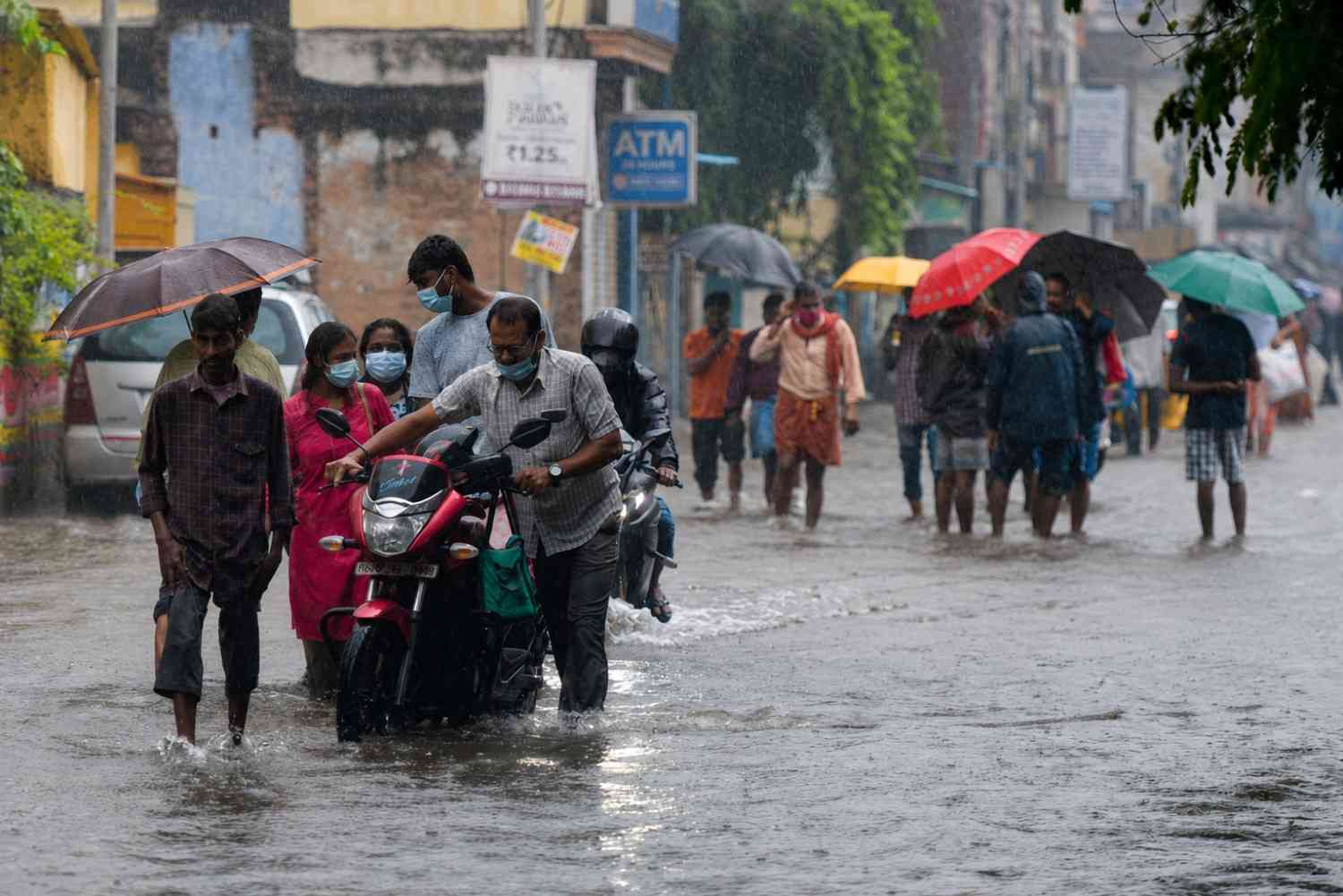
Expensive grocery bills? Neighbourhoods hotter than usual? Unpredictable rains? Well, it’s not your imagination, it’s the present reality. India has been warned about the probability of receiving below-normal rainfall in July 2026. This made June 2026 the driest in over a century. Why you may ask? That is because a monster is awakening in the open waters of the Pacific Ocean for months.
Delayed crop sowing, rising vegetable prices and increased pressure on water resources – all of which are influenced by one climate event. A natural climate pattern which happens when sea surface temperatures become warmer in the central Pacific Ocean. How can something so far away, so deep affect India? Distance doesn’t matter; the air circulation is altered at a global level. This leads to the weakening of the southwest monsoon and uneven rainfall patterns in South Asia.
This climate event or pattern is known as El Nino.
This year, the increasing intensity of El Nino conditions has been observed by the meteorologists. Having triggered concerns related to uneven heavy showers during the crucial monsoon season.
But the question is WHY should one care?
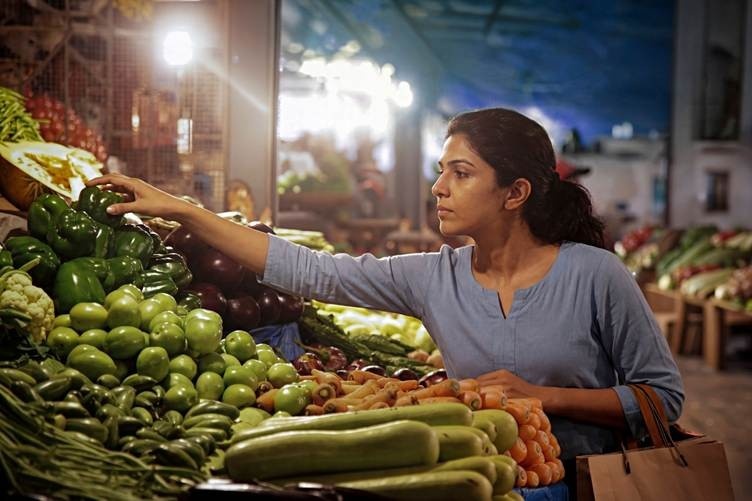
One should, because this is where your grocery expenses become relevant. Monsoon is more than just a regular season for India’s farmers – it is the backbone of agriculture. The sowing of important crops such as rice, soybean, cotton, and maize may postpone due to delayed rainfall. There have been reports of slower kharif crop planting compared to last year because of late rainfall.
When agricultural production becomes less, the consumers pay the price. Decrease in crop yield leads to increase in prices of vegetables, grains, and other food items. This eventually impacts the local market.
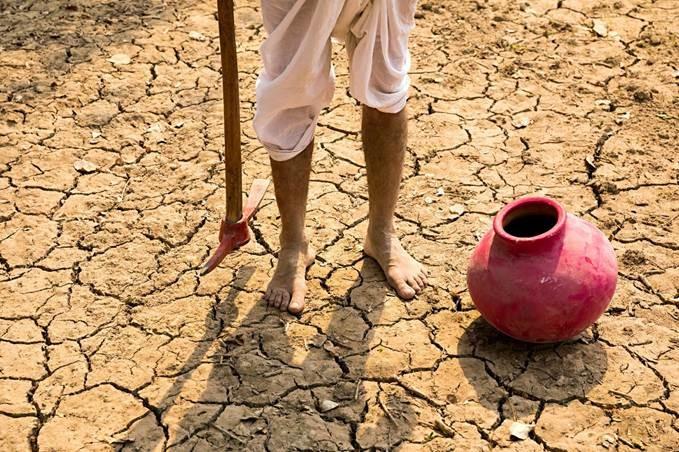
Image courtesy: Imagesbazaar
Another growing concern is Water. Multiple reservoirs depend on monsoon rainfall to restore supplies. Several regions may face lack of water availability if rainfall remains below normal. Which may lead to stricter water management measure both in rural and urban areas.
Why does the weather drastically change on a day-to-day basis?
One of the recent phenomena faced by some regions in India is very heavy rainfall and thunderstorm one day and heatwaves the very next day. This is the effect of El Nino. One of its most confusing aspects is that it doesn’t just cause less rainfall. It often changes how rain falls. Rather than even showers spread across the whole season, rainfall may occur as sudden bursts of intense storms followed by dry weather conditions. This may cause flash floods in one region while water shortages on another. Such inconsistent weather results in difficulty in irrigation planning by farmers and drainage system management in city authorities.
Rise in global temperatures is causing the impacts of El Nino to be more pronounced even though El Nino is a naturally occurring climate cycle. More moisture is held by a warmer atmosphere intensifying extreme weather conditions. Heatwaves become hotter and rainfall becomes increasingly unpredictable.
Now, what do we await?
The next few weeks will be very crucial for India’s monsoon. El Nino is closely monitored by India Meteorological Department (IMD) since it is expected to persist through the following months. However, some regions may have an improvement in rainfall.
For the common people, El Nino is not just a scientific term discussed by the meteorologists. It may be the rising expense of vegetables, lack of water availability in reservoirs, prolonged heat resulting in high electricity bills, and how difficult it is to cope with the uncertain climate changes for the farmers.
As the monsoon unfolds, the echoes of a warming Pacific Ocean remind us of a simple truth: in an interconnected climate, even the most distant changes can hit closest to home.
Sources
- World Meteorological Organization (WMO) – Prepare for El Niño
https://wmo.int/news/media-centre/wmo-prepare-el-nino - Scroll.in – El Niño likely to intensify as India's monsoon advances slowly
https://scroll.in/article/1093913/el-nino-likely-to-intensify-as-indias-monsoon-advances-slowly - Down To Earth – Tackling the trilemma of El Niño, stagflation and shrinkflation
https://www.downtoearth.org.in/climate-change/tackling-the-trilemma-of-el-nino-stagflation-and-shrinkflation



Add a Comment