
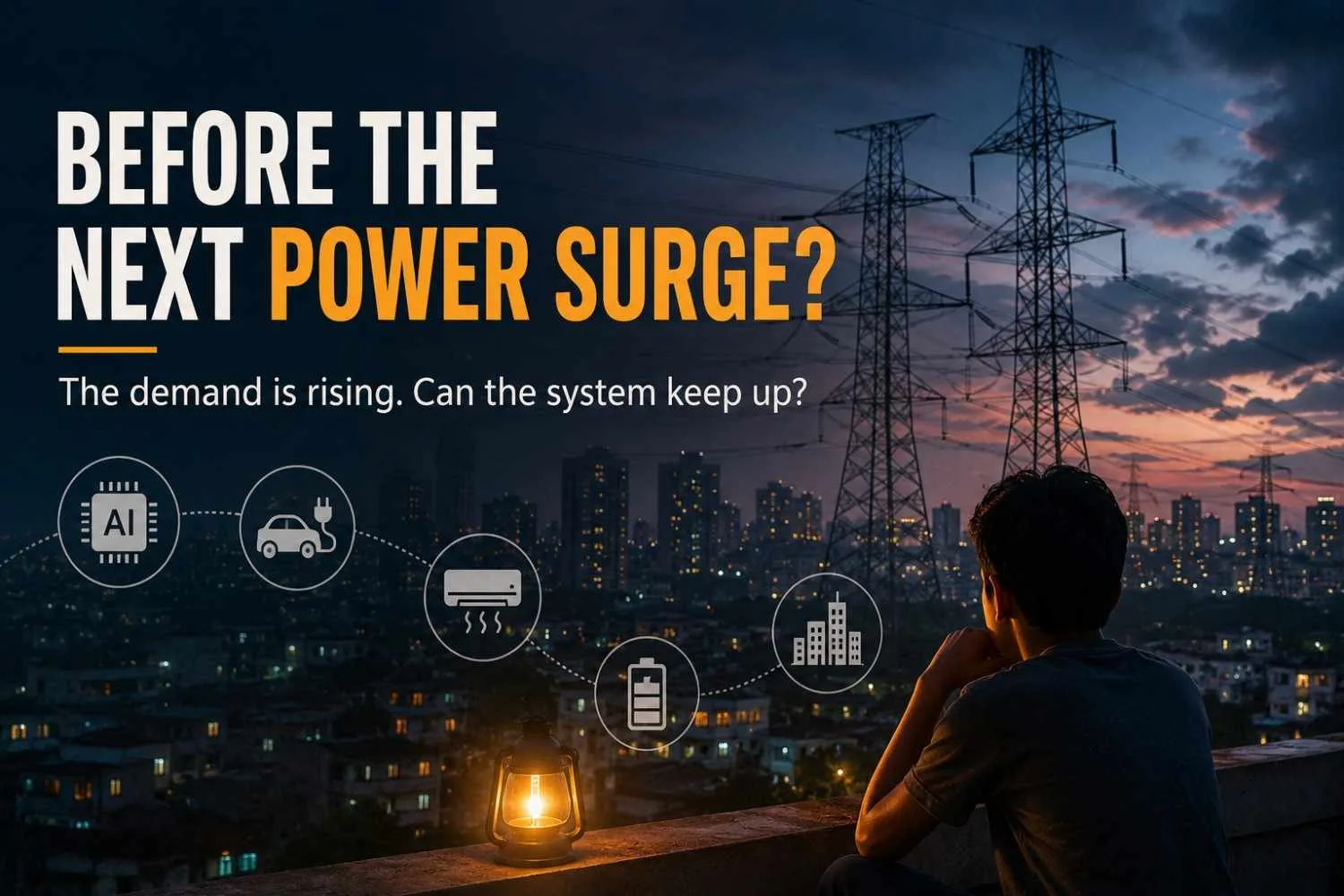
The demand is rising. Can the system keep up?
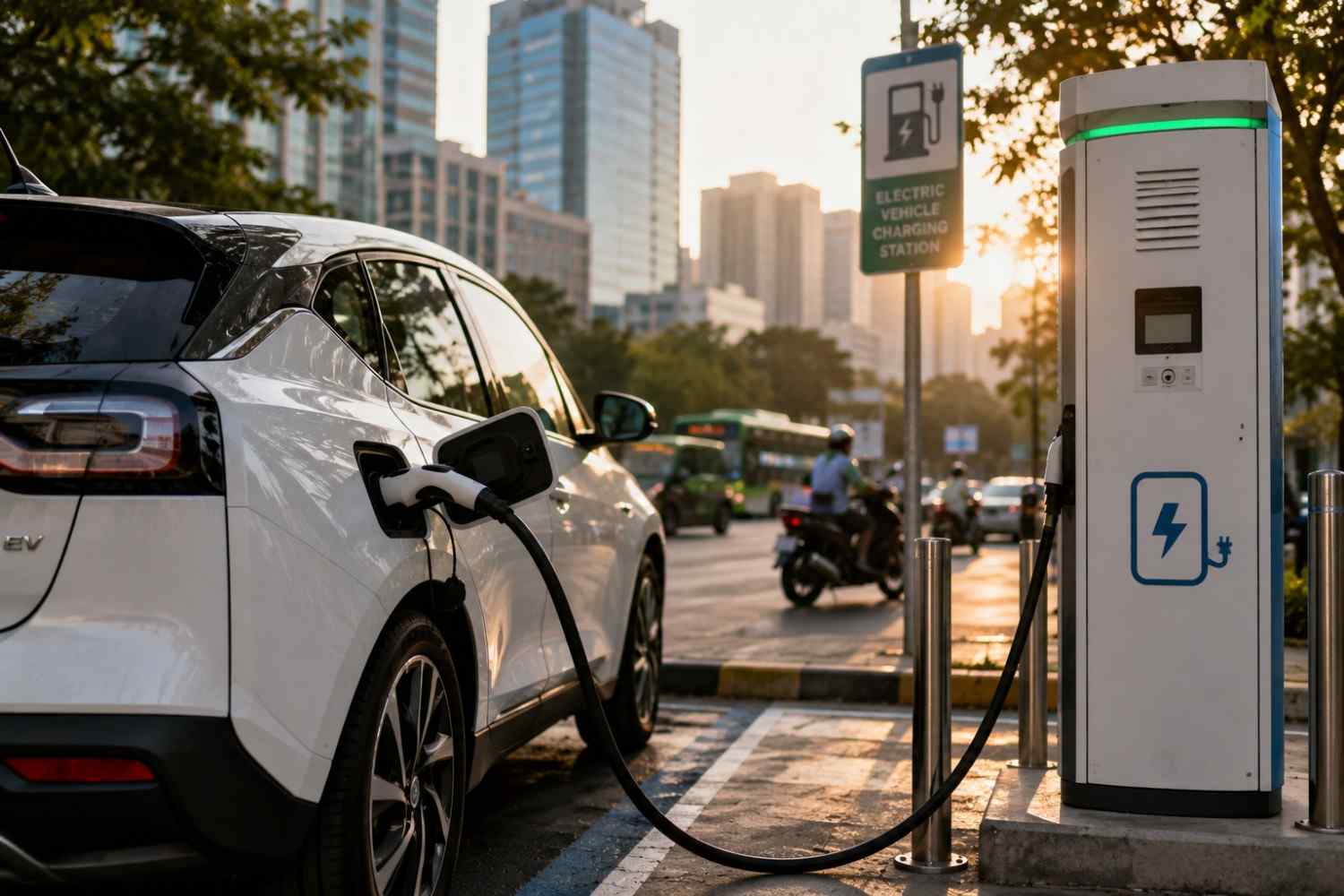
Have you ever thought about a day when your phone won't charge, your office loses its electric supply, or your electric car has nowhere to charge?
That seems unlikely.
But as India is racing towards a digital future, one important question is still arising in the background, i.e.,
Will our power supply be sufficient when demand increases?
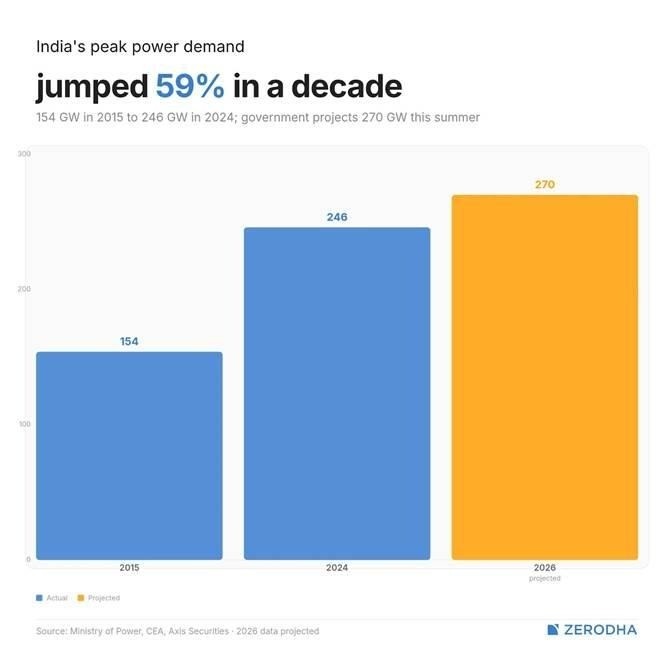
The concern is no longer about using more electricity. It is about whether India can produce, store, and deliver sufficient power to support a rapidly evolving nation or not.
According to a Reuters report published on 8 July 2026, India has been preparing for a peak electricity demand of nearly 300 gigawatts (GW) by 2027. This estimate is based on remarks made by the Union Power minister, who highlighted the urgent need to strengthen the country's clean-energy ecosystem before the demand reaches record levels.
| Indicator | Current Status | Projected / Future Outlook |
| Peak Electricity Demand | Current peak demand continues to rise annually. | Expected to reach ~300 GW by 2027. |
| Renewable Energy Capacity | India has added significant solar and wind capacity in recent years | Further expansion is needed to meet rising electricity demand. |
| Major Demand Drivers | Industries, households, and urban growth. | AI, data centres, electric vehicles, cooling needs, and economic growth. |
| Key Challenges | Grid expansion, storage, and land acquisition. | Faster transmission, battery storage, domestic manufacturing, and project approvals will be crucial. |
So, why is electricity demand rising so quickly? The answer lies in the way India is growing.
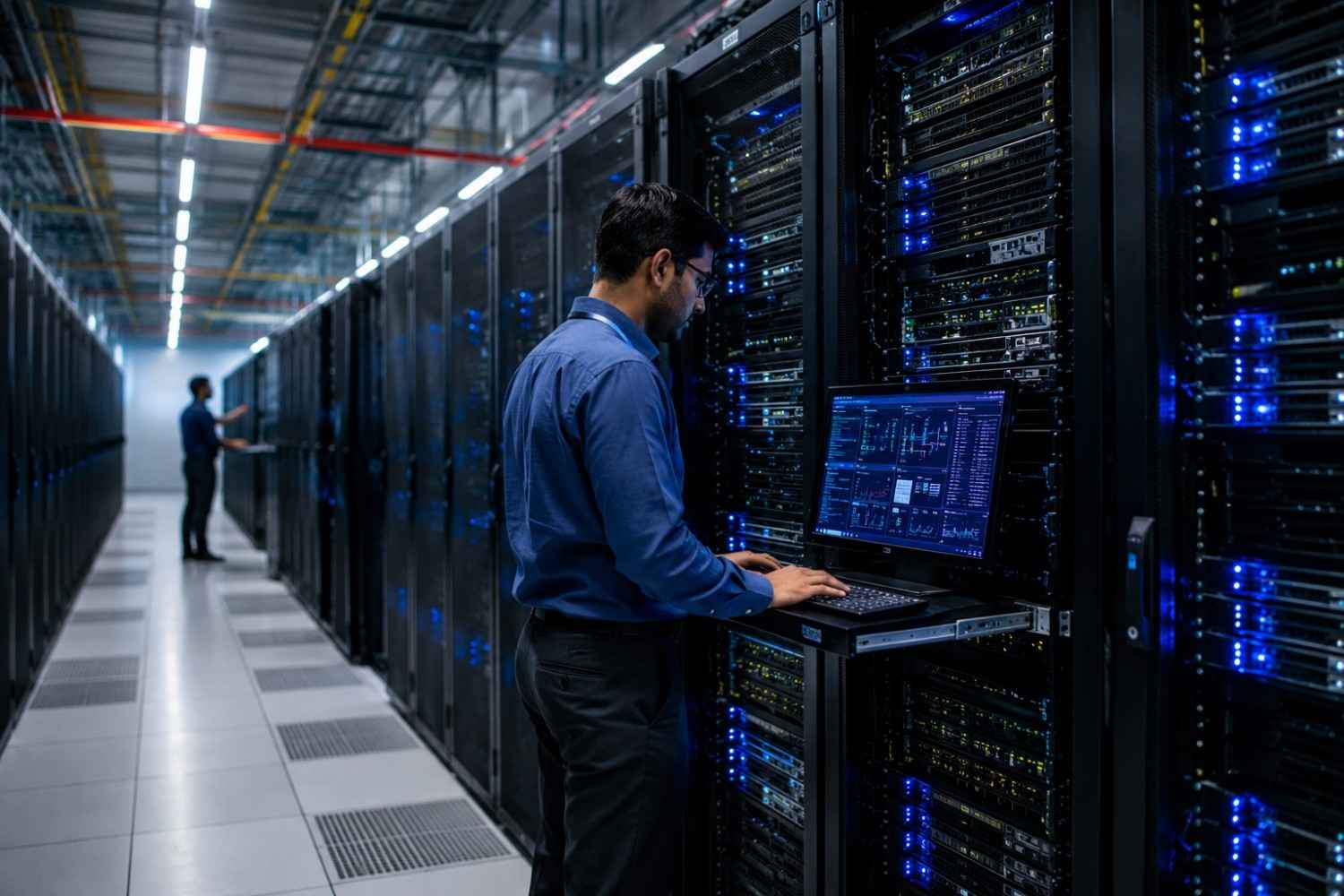
Artificial Intelligence (AI) is growing fast. Data centres run 24/7. People are switching to electric vehicles more often. As the temperature rises, the use of air conditioners and coolers increases. At the same time, industries, businesses, and cities continue to grow, driving power consumption to record levels.
This rising demand is often seen as a sign of economic progress. But every action has its own consequences.
The question is- Can India expand its utility infrastructure fast enough to keep up with it?
Experts believe that just generating more electricity will not solve the problem.
The country must focus on three key pillars—power generation, energy storage and transmission networks.
Just like how a water supply system works.
Generating electricity is just the first step. It should also be stored even when demand is low. And then seamlessly transported to homes, industries, hospitals, and businesses when there’s a sudden shift in demand. Without stronger transmission lines and storage facilities, sufficient electricity generation might not be enough to prevent shortages during peak hours.
Another important factor is domestic production.
According to the Union Power Minister, India needs to boost domestic manufacturing of solar panels, batteries, and clean-energy gear. This would reduce dependence on imports, strengthen energy security, create employment opportunities, and support long-term industrial growth.
However, the journey towards 300 GW cannot be achieved without obstacles.
According to the Reuters report, there are several issues that may slow the progress. Expanding transmission networks requires time and investment. For renewable energy projects, land acquisition remains a challenge. Delays in getting supplies, financial problems, and global supply chain issues can also slow down clean-energy development.
These challenges must be addressed if India hopes to build a reliable and next-gen power grid.
The report also points towards another emerging market of electricity, i.e., digital infrastructure.
Technologies like AI, cloud computing and big data centres use huge amounts of electricity every day. As India's digital economy continues to expand, the electric infrastructure must grow along with it.
Okay, but how does this affect us?
The electricity we use every day without noticing will play an even more crucial role while going forward. Reliable power supports homes, schools, hospitals, public transport and businesses. A stronger renewable energy network can reduce dependency on fossil fuels, improve air quality, boost EV adoption and help India build a more sustainable future.
But this transition cannot happen overnight!
It requires smart planning, faster execution, continuous investment, and cooperation between governments, industries, developers, and citizens.
For India, the biggest energy challenge is no longer in the future tense, as it is happening now.
The road to 300 GW is not just about generating more electricity. It's about creating an energy system that powers future growth while protecting the environment.
India’s road to 300 GW
| Projected peak demand | ~300 GW by 2027 |
| Main demand drivers | AI, data centres, EVs, cooling, economic growth |
| Key focus areas | Generation, storage, transmission |
Major bottlenecks
| Land, procurement, financing, supply chains |
| Needed response | Stronger grid, storage, and domestic manufacturing |
The real question isn't about whether India will need more power or not.
Instead, the question is: Will India be prepared in time?
Source
Adapted from a Reuters report (8 July 2026) based on remarks by the union Power Minister, with supporting reference from MNRE physical progress updates.





Add a Comment