

Massive investments promise clean power, jobs and growth. But can development keep up with nature?
By Tiyasha Ghosh
Kolkata | July 17, 2026:
Can one state reshape India’s sustainable energy roadmap?
Can thousands of crores drive both growth and environmental protection? And can the Northeast emerge as India’s next green powerhouse?
These questions sit at the heart of Assam’s ₹77,000-crore power investment plan - one of the largest clean energy initiatives announced by any Indian state.
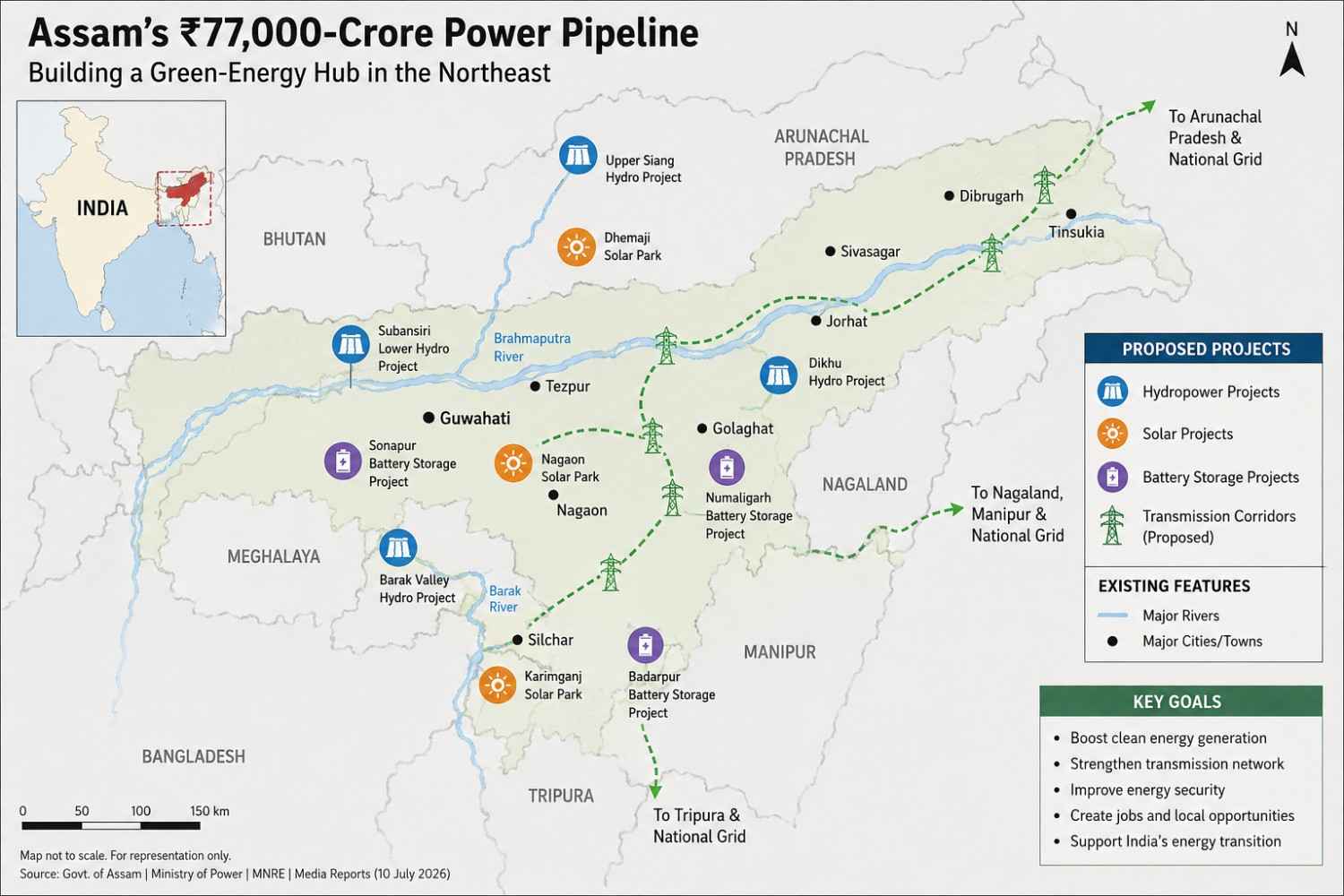
From hydropower and solar to batteries, transmission, and conventional plants - the investment is built to turn the Northeast into a powerhouse for India’s energy transition.
The moment couldn’t be more critical. India's electricity demand is rising every year.
EVs are on the rise. Data centres are booming. ACs are now a household need. With industries growing and cities consuming more, electricity demand has never been higher.
Balancing increasing electricity demand with the goal of coal reduction represents one of India’s most pressing challenges.
Assam aims to be a key part of the answer.
The proposed projects are designed to boost clean power generation, reinforce the national grid, and enhance energy security.
New power highways will carry electricity from the Northeast to the rest of the country. Battery projects will save clean energy now so we can use it when demand spikes.
Together, this is about steadier power today and a cleaner future tomorrow.
This goes beyond just funding and megawatts.
The central challenge is ensuring that rapid development does not compromise the unique ecological assets of the Northeast.
Hydropower projects typically need dams, and transmission lines often run through forests and ecologically fragile zones. Assam and its neighbouring states have rich biodiversity, large river systems, and wildlife habitats that sustain both nature and local communities.
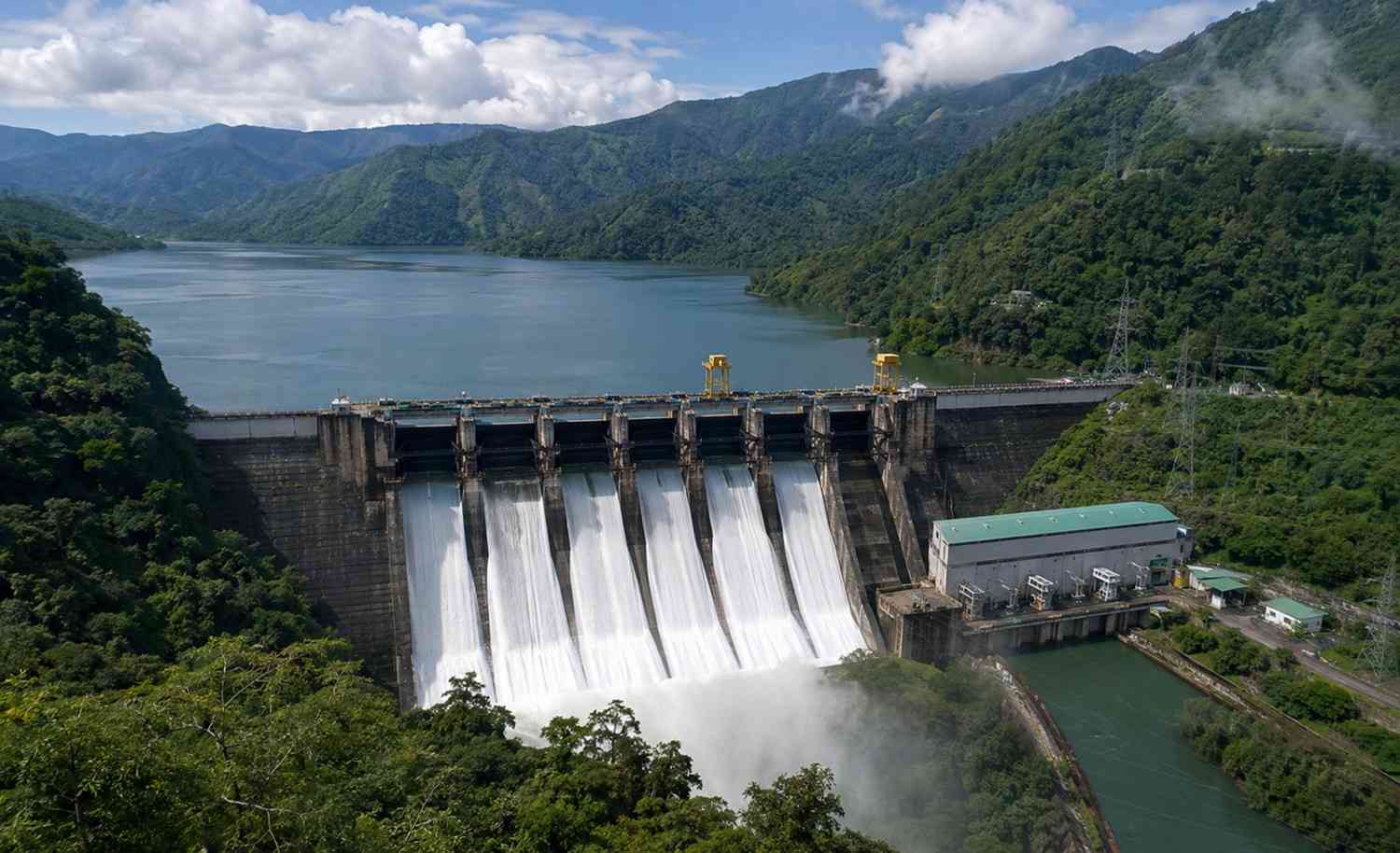
Environmental experts and civil society groups are therefore urging thorough ecological studies before proceeding with major projects.
According to them, protecting forests, rivers, and biodiversity is as important as growing renewable energy.
Another key question is whether these investments will actually benefit local communities.
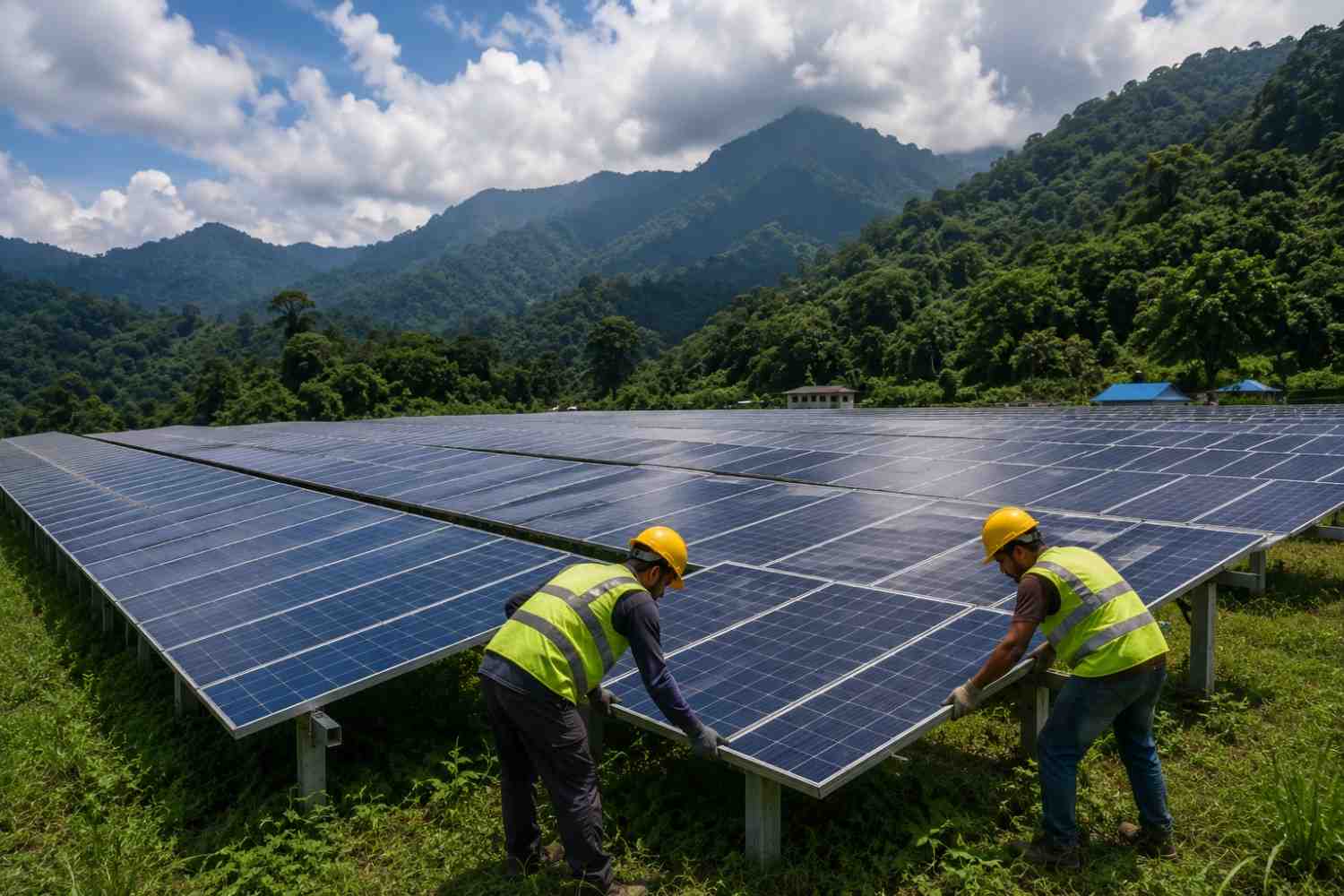
While construction brings short-term employment, experts argue that real success requires local industry, a skilled workforce, and sustainable jobs for people throughout the region.
If local businesses, engineers, and workers are included in the clean energy supply chain, Assam’s investment could fuel economic growth for decades.
According to experts, successful implementation is key to whether the investment works or not.
Speeding up approvals isn’t enough. We also need strong transmission networks, modern battery storage, efficient project management, and clear environmental safeguards to work together.
Without these basics in place, even big investments could fall short of providing reliable electricity.
For ordinary citizens, the outcome matters more than any investment figure.
A stronger electricity network can reduce power cuts, improve access to clean energy, create employment and support new industries. Stronger infrastructure may draw business investment to the Northeast and expand economic opportunities there.
With India moving faster toward clean energy, Assam is now at a key turning point.
This isn’t just about electricity. The ₹77,000-crore bet is on whether clean energy and growth can go hand-in-hand with responsibility.
If we get the balance right, Assam could do much more than power the Northeast - it could help drive India towards a greener and sustainable future!
Source:
- The Times of India (10 July 2026)
- Ministry of New and Renewable Energy (MNRE); Ministry of Power, Government of India.







Add a Comment