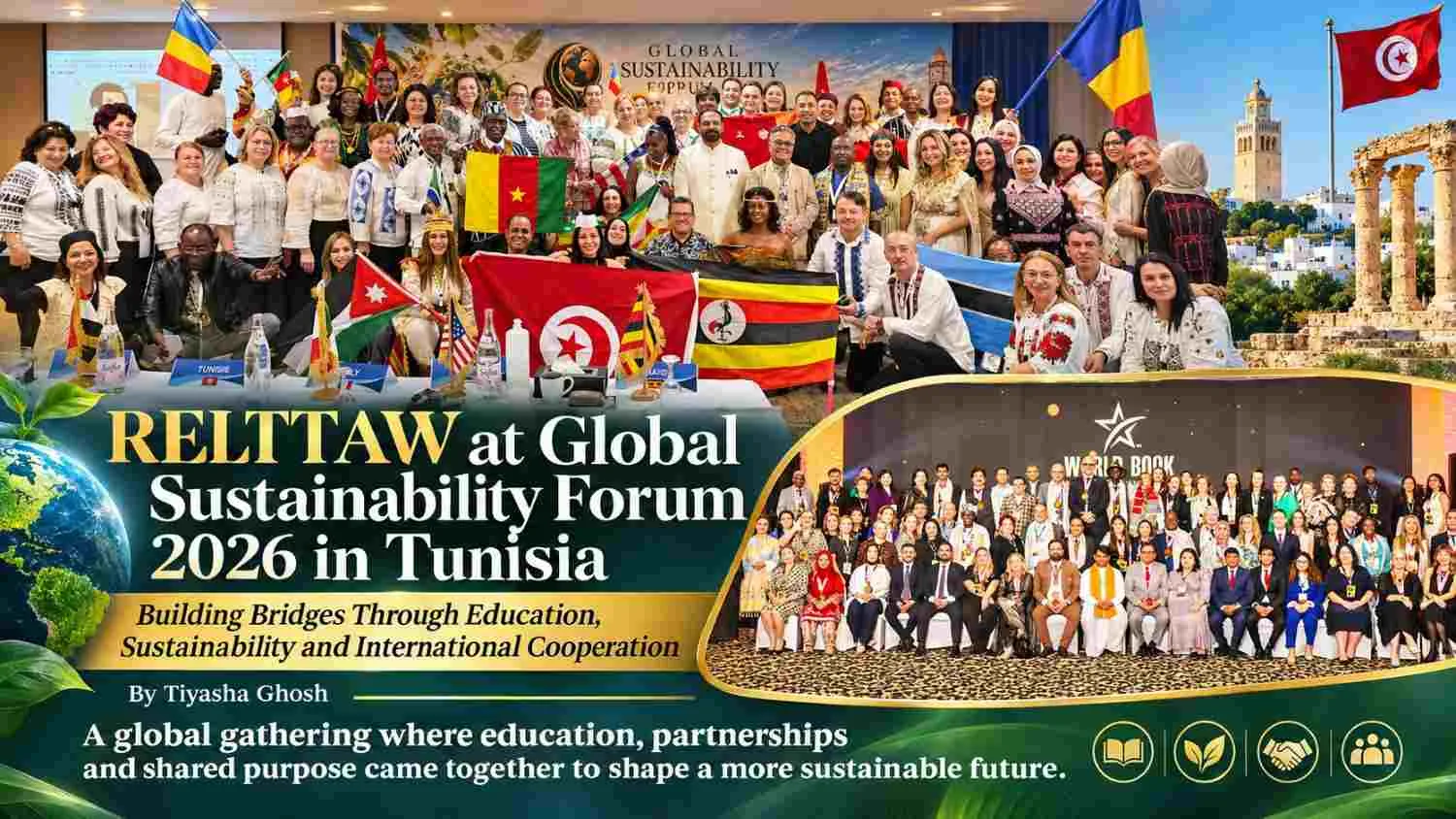
| The five-day international gathering in Tunisia highlighted the importance of education, cross-border partnerships, African development and cultural heritage in building a more sustainable world. |
A Global Dialogue for a Sustainable Future
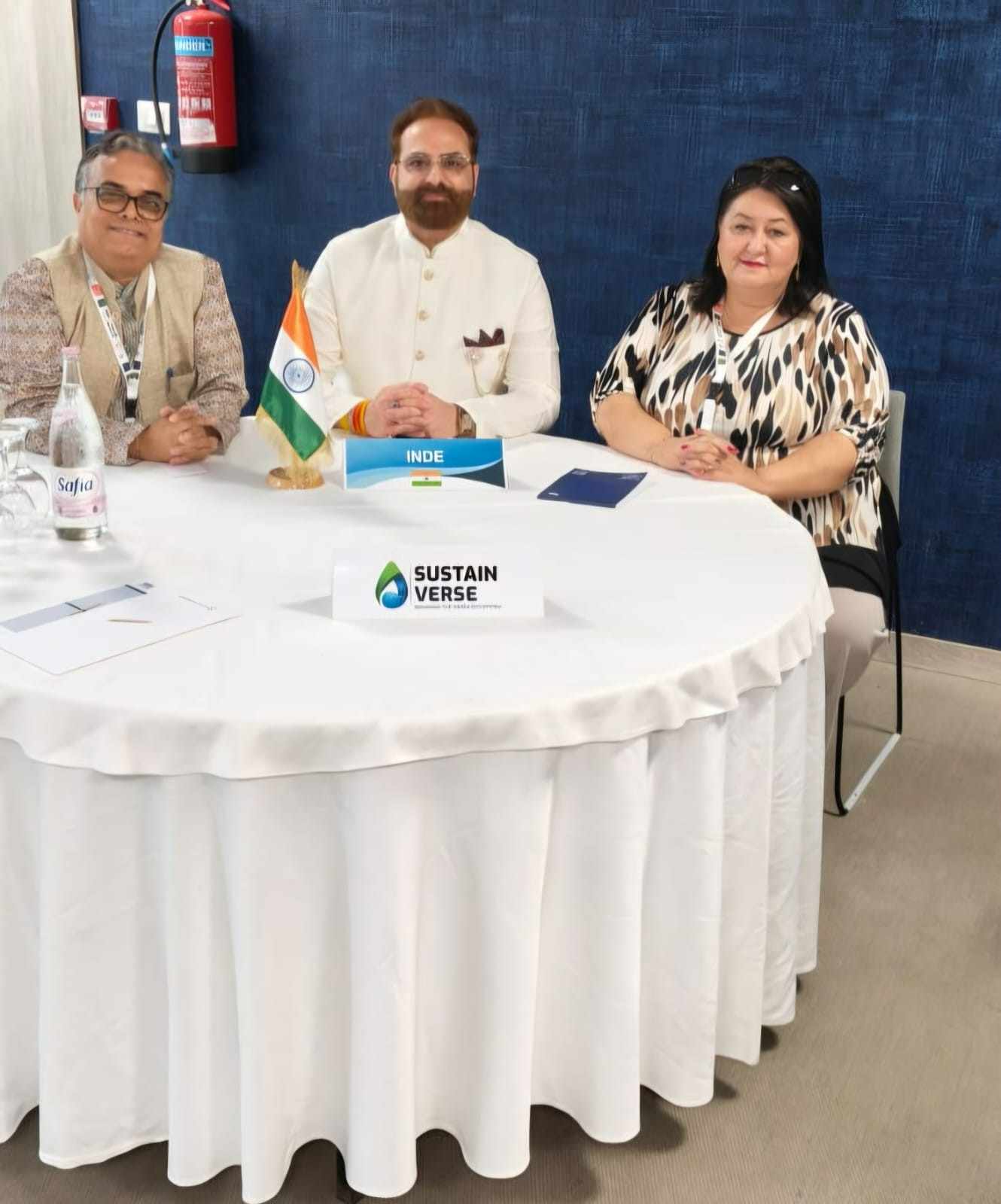
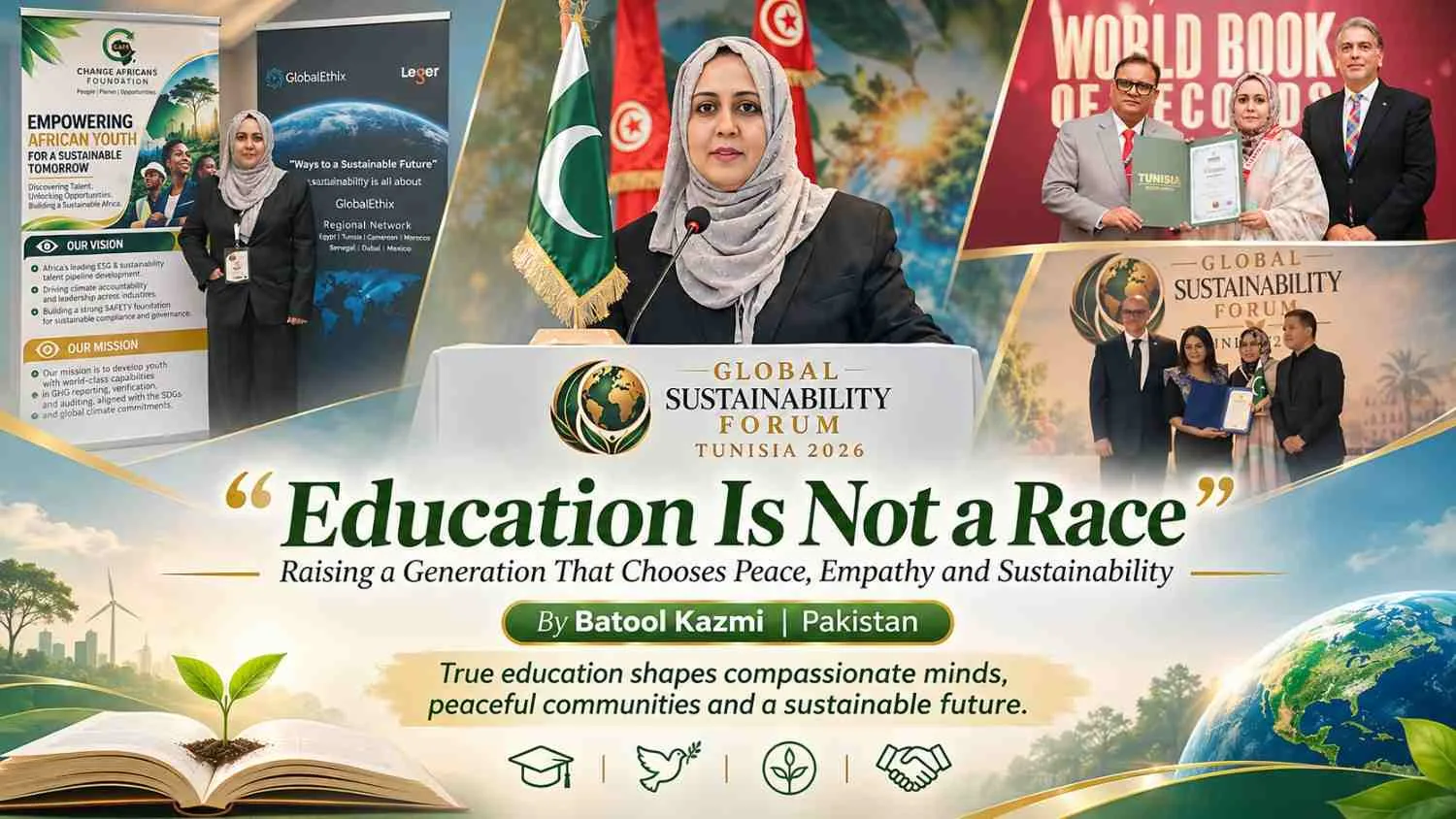
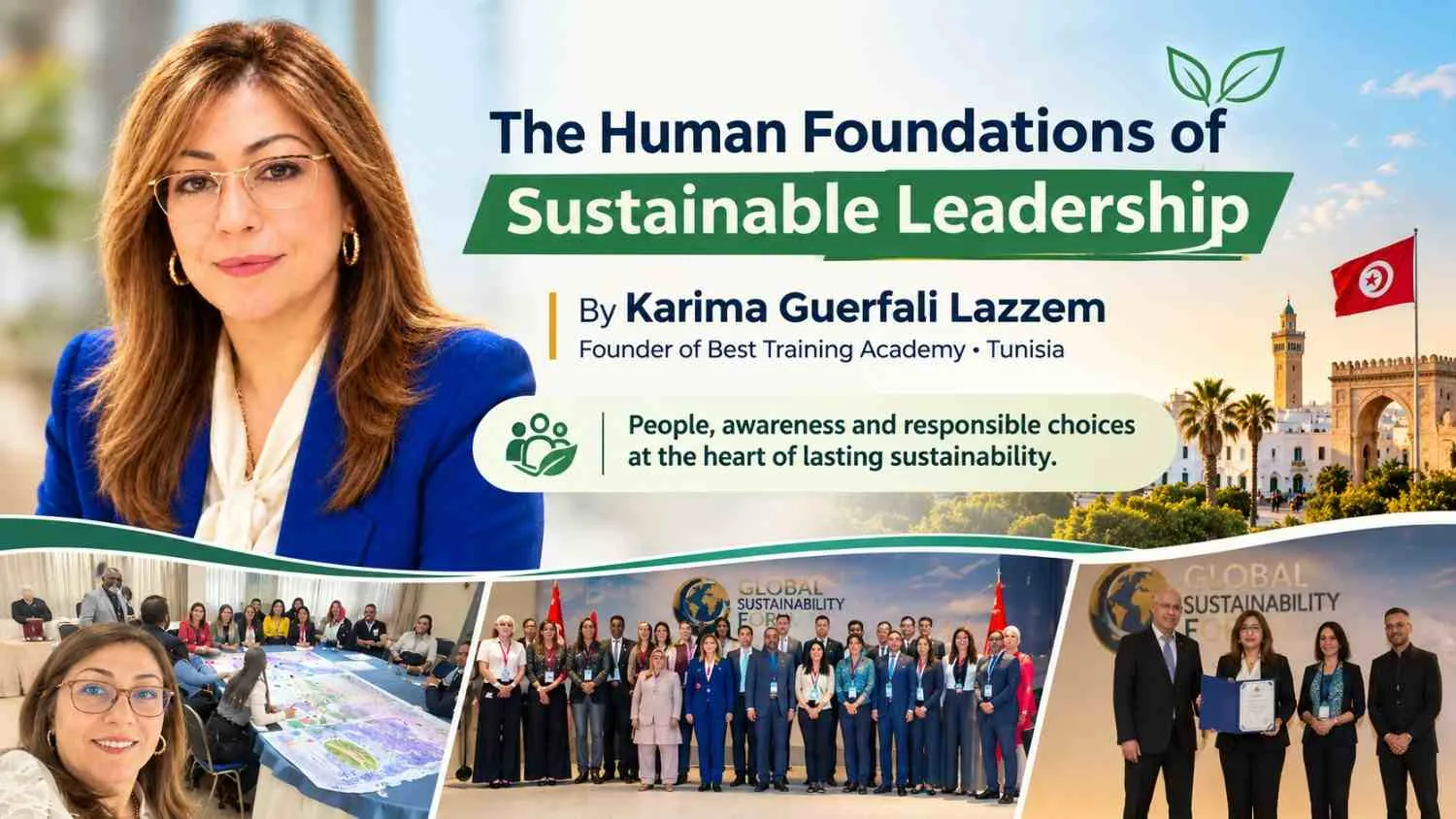
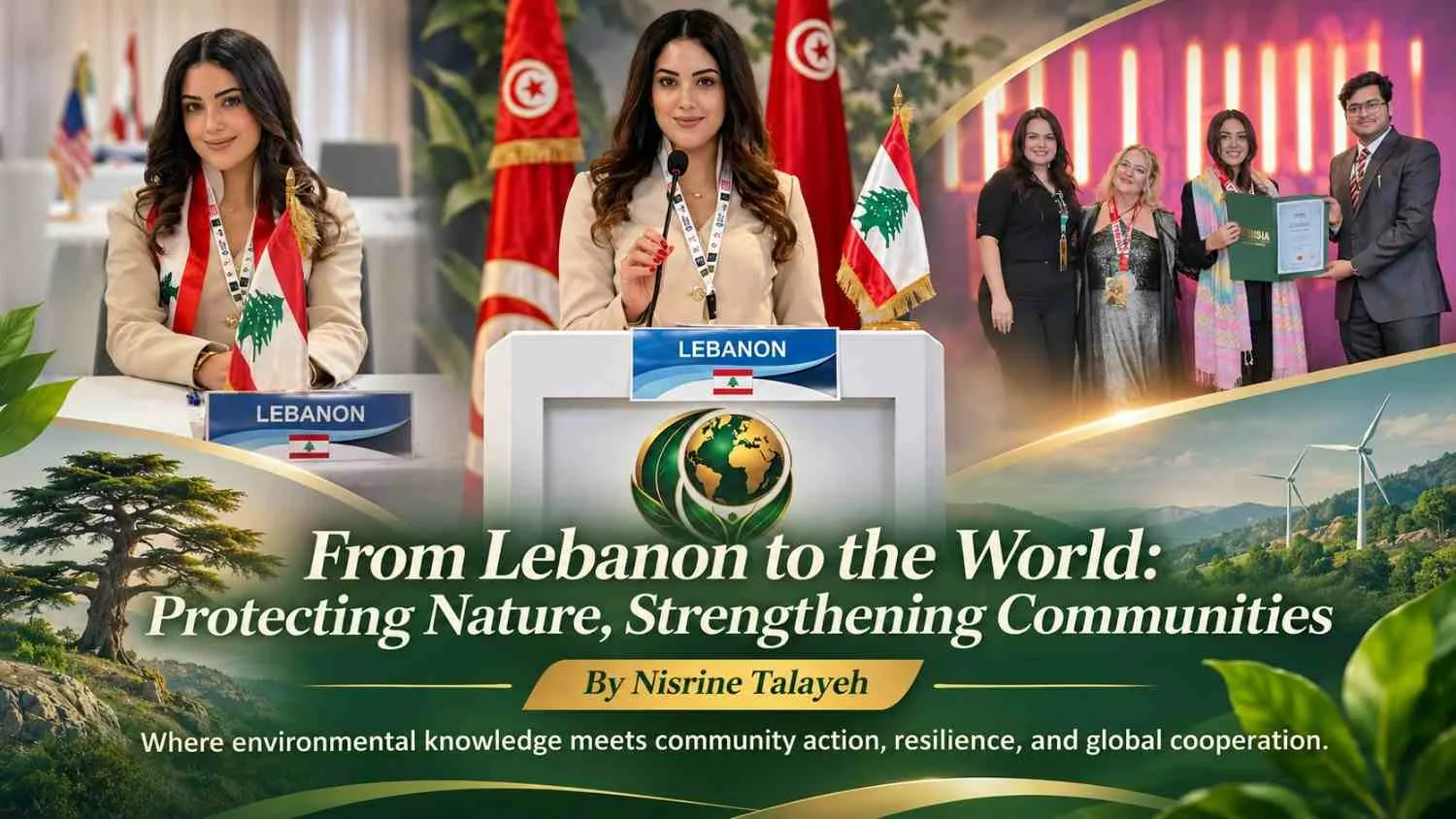
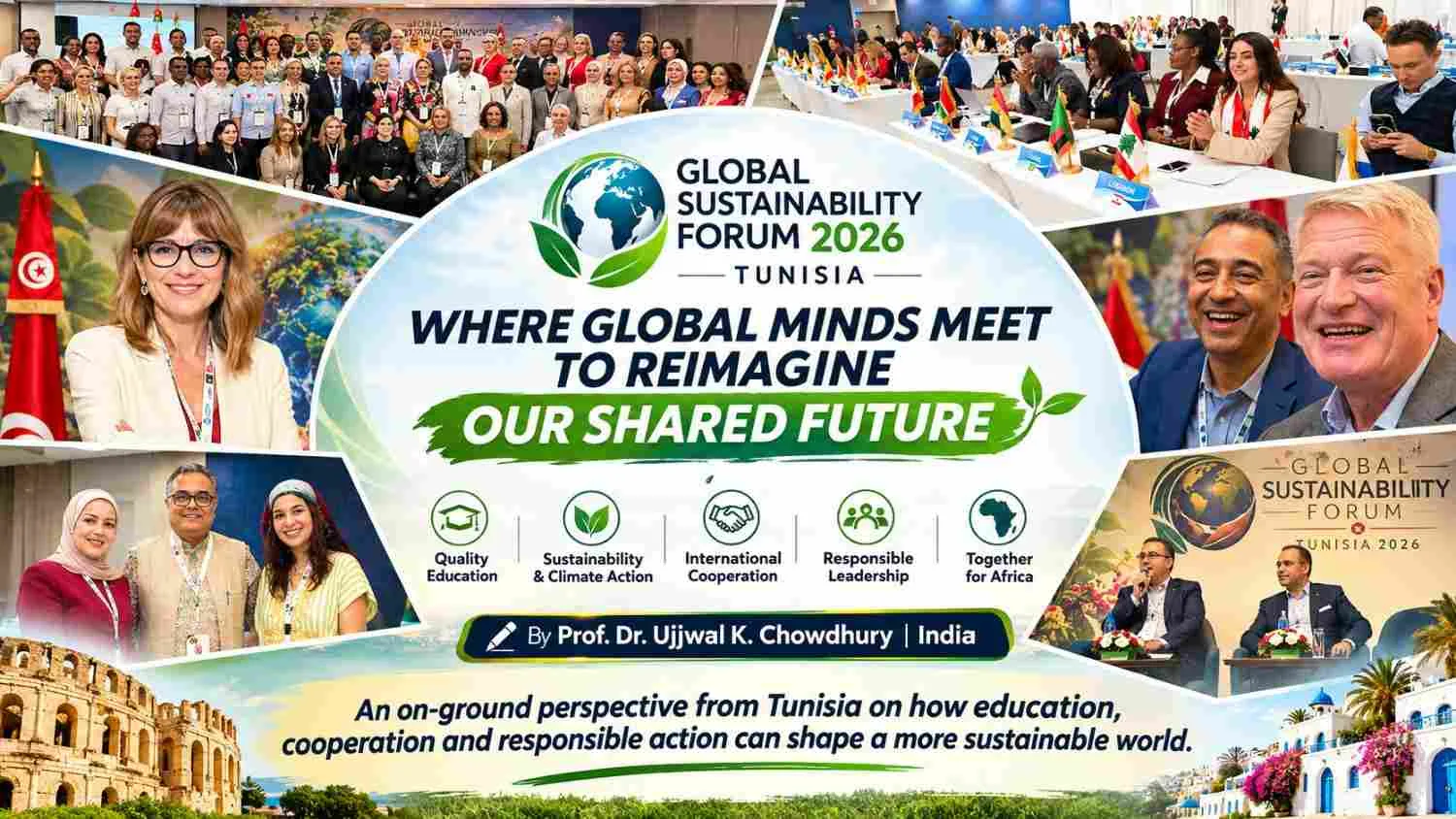
The Global Sustainability Forum, held in Tunisia from October 23 to 27, 2026, brought together international participants, educators, institutional representatives and development-focused organisations to explore how education, cooperation and responsible leadership can contribute to a more sustainable future.
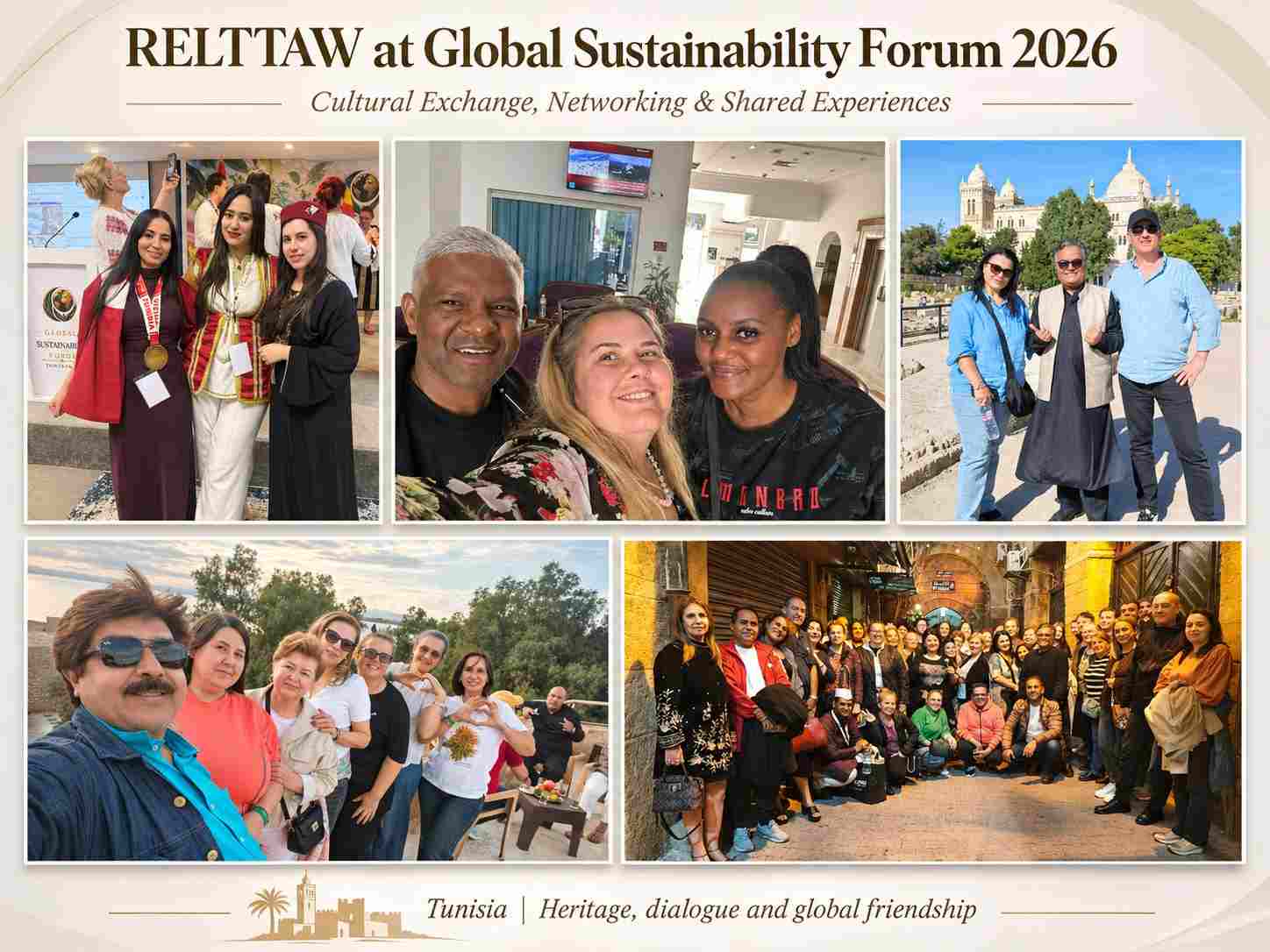
The five-day gathering offered a platform for exchanging experiences, discussing development priorities and exploring partnerships across national boundaries. Its programme included two conferences focusing on education and sustainability, international networking sessions, an awards ceremony organised by World Book of Records, and visits highlighting Tunisia's cultural heritage.
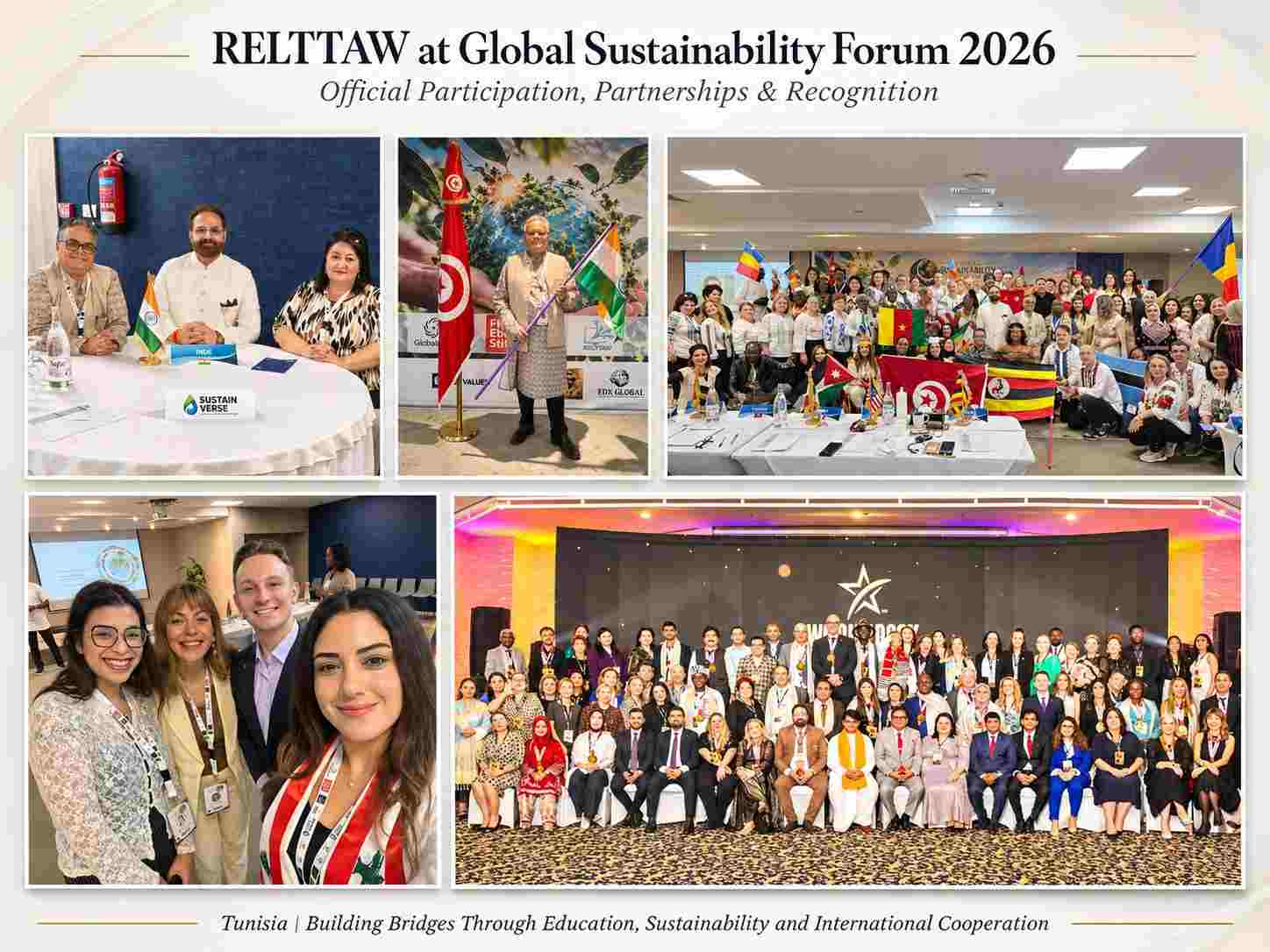
Among the participating organisations was RELTTAW Association, which joined as an official partner and contributed to discussions on education, international cooperation and community development.
A significant outcome of its participation was the launch of the international initiative Together for Africa, intended to connect educational development with sustainability and practical support for African communities.
The forum reinforced an important message: sustainability cannot be achieved through environmental action alone. It requires quality education, stronger institutions, social inclusion, cultural understanding and international collaboration.
Education as a Foundation of Sustainability
Education emerged as an important theme of the forum, reflecting its role in advancing the United Nations Sustainable Development Goals, particularly SDG 4 on Quality Education and SDG 17 on Partnerships for the Goals.
Education is not simply about improving literacy or providing qualifications. It also develops the knowledge, skills and attitudes needed to address climate change, environmental degradation, poverty and inequality.
RELTTAW contributed to this discussion by presenting experiences and perspectives from Romania's education system in an international context.
The presentation encouraged dialogue among education professionals from different countries, demonstrating the value of sharing teaching practices, institutional experiences and innovative approaches to learning.
Such exchanges are particularly relevant as education systems face the challenge of preparing younger generations for an uncertain future shaped by technological change, economic transitions and environmental pressures.
Sustainability education must therefore move beyond textbooks. Students need opportunities to understand their local environments, develop problem-solving abilities, participate in community initiatives and appreciate the relationship between human wellbeing and ecological balance.
International educational partnerships can support this transition by connecting institutions, teachers and communities that might otherwise work in isolation.
Together for Africa: Turning Cooperation into Action
One of the forum's most important announcements was the launch of Together for Africa on October 26, 2026.
The initiative seeks to promote education, sustainability and international collaboration while developing practical support for communities across Africa.
RELTTAW Association is a partner in this project, which was formally introduced in the presence of His Excellency Valentin Ciprian Muntean, Ambassador of Romania to Tunisia.
The launch signalled an ambition to extend international dialogue into longer-term development cooperation.
Africa presents a compelling context for such partnerships. Across the continent, communities face interconnected challenges involving educational access, climate vulnerability, employment opportunities and sustainable livelihoods. These issues require approaches that combine local knowledge with international resources and expertise.
Educational initiatives can make a valuable contribution by strengthening skills, improving access to learning and supporting community resilience.
For Together for Africa, the next important step will be translating its broad objectives into measurable programmes. Potential areas for future cooperation include teacher development, environmental education, practical skills training, community learning and youth participation.
While specific implementation plans have not yet been detailed in the participation report, the initiative provides a starting point for collaboration among organisations interested in sustainable African development.
Its longer-term significance will depend on the communities reached, partnerships developed and results achieved.
Diplomacy and International Partnerships Matter
The presence of Romania's Ambassador to Tunisia at the project launch highlighted the role that diplomatic relationships can play in supporting education and development cooperation.
The Romanian Embassy in Tunis also acknowledged the contribution of Romanian citizens to strengthening relations between the two countries.
Such engagement demonstrates how international cooperation can extend beyond formal government agreements.
Civil society organisations, educational institutions, development professionals and community networks can create meaningful connections between nations.
These partnerships are especially valuable for sustainability initiatives, where shared learning and coordinated action are often essential.
The forum provided opportunities for participating organisations to exchange experiences and explore future collaborations.
However, partnerships deliver their greatest value when discussions lead to clear responsibilities, joint programmes and lasting relationships.
Tunisia's Cultural Heritage and the Sustainability Connection
Beyond conference discussions, the forum's cultural programme offered participants an opportunity to experience Tunisia's extraordinary historical and artistic heritage.
Visits included Tunis, Carthage, Sidi Bou Said, Nabeul, Hammamet, Kairouan, El Jem and Sousse.
The historic medinas, traditional markets, archaeological landmarks and local crafts demonstrated the relationship between cultural preservation, community identity and sustainable development.
At Nabeul, participants visited a ceramics workshop and experienced traditional craftsmanship by painting their own pieces.
This activity offered a practical reminder of the value of preserving local skills and supporting traditional creative livelihoods.
Similarly, the historic markets of Tunis, Hammamet and Sousse showed how heritage remains connected to everyday economic and social life.
The ancient sites of Carthage and El Jem, along with Kairouan's historic architecture and water infrastructure, illustrated the importance of conserving cultural assets for future generations.
Responsible tourism can contribute to this objective when it supports local artisans, protects heritage sites, respects communities and reduces environmental pressure.
The cultural programme was therefore more than sightseeing. It created opportunities to understand sustainability through history, craftsmanship and local traditions.
Recognising Leadership and Encouraging Cooperation
The programme also featured Tunisia Summit 2026, associated with World Book of Records, recognising achievements in leadership, institutional development and international cooperation.
RELTTAW was represented by its founder, Corina Sujdea, and members of the Romanian delegation received individual recognition.
Such occasions can encourage international networking and acknowledge contributions made by individuals and organisations.
For the sustainability community, however, recognition becomes most meaningful when it encourages greater responsibility and continued action.
Awards can celebrate achievement, but lasting impact must ultimately be measured by improvements in communities, institutions and environmental outcomes.
From International Dialogue to Lasting Impact
The Global Sustainability Forum 2026 demonstrated the potential of international gatherings to connect education, sustainability, cultural understanding and development cooperation.
RELTTAW's participation, particularly through the launch of Together for Africa, illustrated how organisations can use such platforms to initiate new relationships and explore common development priorities.
The immediate achievements included educational exchanges, international networking, project initiation and broader cultural engagement.
The next challenge is implementation.
Future progress will require clearly defined objectives, committed institutional partners, community participation, transparent reporting and measurable outcomes.
For international sustainability forums, this distinction is increasingly important. The success of a gathering should not be judged only by participation, speeches, ceremonies or declarations, but by what happens after delegates return home.
The Tunisia experience offers an encouraging foundation for further cooperation.
Its central message is clear: education creates opportunity, international partnerships expand possibilities, and sustained collective action turns sustainability ambitions into meaningful change.

1 Comments
Imed
A very trustworthy partner.Thanks Relttaw