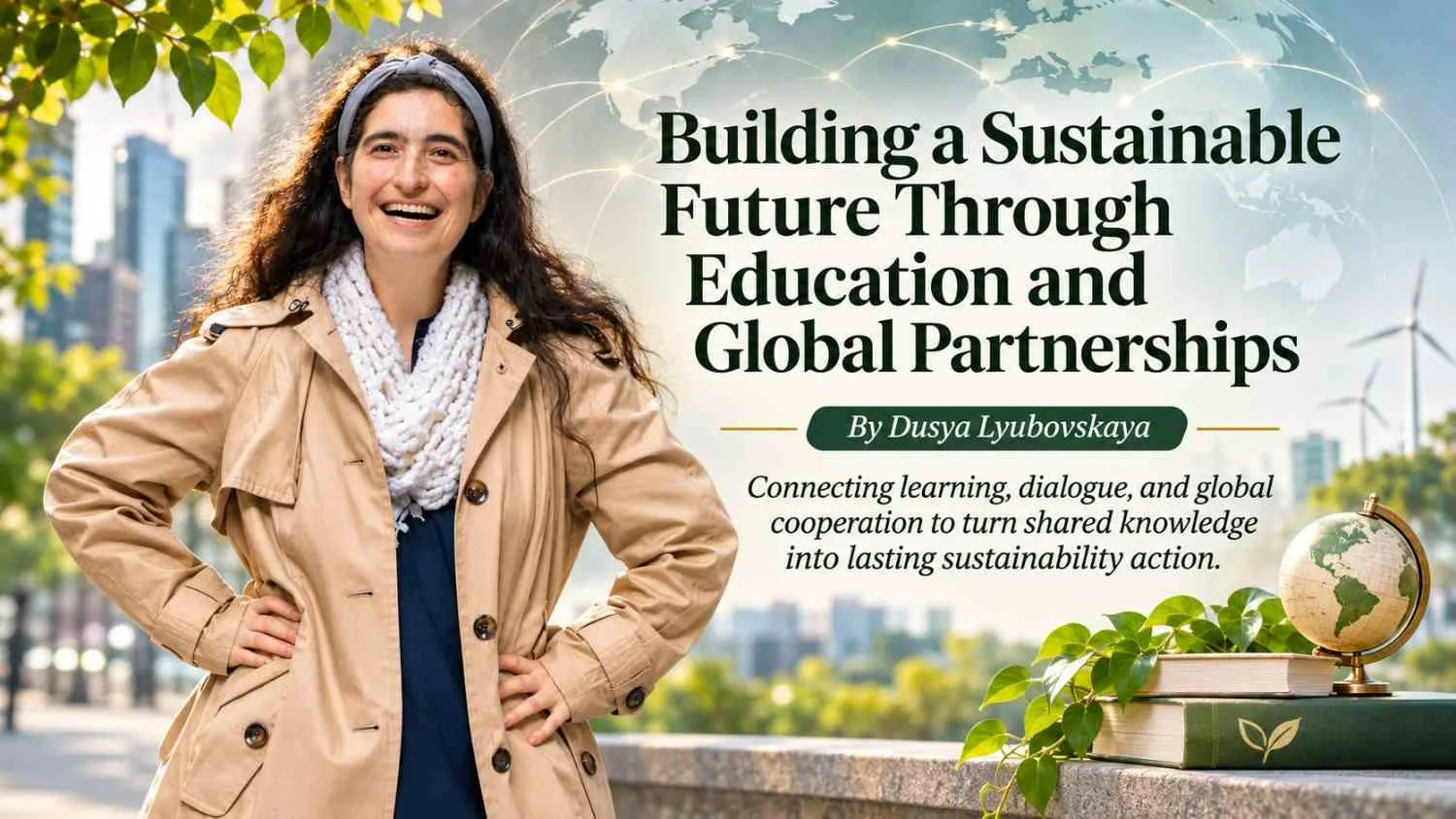
Sustainability begins with understanding how our choices affect other people, the natural world, and the generations who will follow us. In my work, it takes shape through teaching, advocacy, and international cooperation. Whether I am helping someone communicate in another language or discussing opportunities in clean energy, I return to the same question: how can this work improve people’s lives while respecting the environment?
As a Sustainability Ambassador and member of Global Goals Connection (GGC), I contribute through English and French teaching, promoting GGC within my professional network, and encouraging conversations about sustainability. I believe people are more likely to participate when they understand both the purpose of an initiative and the contribution they can make.
Language teaching has an important place in this work. Communication across borders can help someone access knowledge, express an idea, build confidence, or participate in an international project. Teaching also requires patience and listening—qualities that are equally essential to successful partnerships.
My contribution on SDG 17, Partnerships for the Goals, for the UN Day event in Morocco reflected this outlook. The Sustainable Development Goals depend on cooperation among people with different experiences, resources, and responsibilities. Educators, scientists, businesses, public institutions, and communities all have something to contribute. Bringing them together requires trust, clear expectations, and a willingness to work through difficulties.
Through GGC, I seek to encourage that participation. I introduce the organization to my contacts and discuss how sustainability connects with their interests and expertise. Sometimes a conversation helps someone recognize that the skills they already possess can serve a wider purpose.
This commitment also guides my work as a Global Ambassador for The Thorium Network. My involvement includes raising awareness of peaceful nuclear energy and developing international relationships around energy needs. I approach these discussions with people in mind: students who need dependable electricity, healthcare workers serving their patients, farmers seeking reliable irrigation, and businesses creating local opportunities.
My developing collaborations in Senegal, Uganda, Kenya, and Cameroon reflect this commitment. Each relationship has its own context and priorities, reinforcing the importance of listening before proposing solutions.
In Senegal, discussions have explored a possible future nuclear energy project associated with agricultural needs, including irrigation and electricity supply. In Uganda, my work has included supporting proposals and outreach concerning potential nuclear energy collaboration. In Kenya, I am collaborating with contacts to explore opportunities for cooperation in sustainable development. My connections in Cameroon also support dialogue around thorium, peaceful nuclear energy, and opportunities for knowledge exchange.
These collaborations are at different stages of discussion, outreach, and development. Energy projects require technical assessment, regulatory processes, financing, and meaningful engagement with the communities concerned. My contribution is to connect people, support communication, and help potential partners examine where their needs and capabilities may align.
Alongside this work, I serve as a Global Ambassador for IPRI.Tech, bringing mineral processing into my sustainability perspective. Energy technologies and infrastructure depend on materials, making responsible resource use an essential part of development. How those materials are processed, what environmental pressures arise, and how communities benefit are questions that deserve careful attention.
The commercial dimension belongs in this discussion. Projects need investment and workable business models to endure. Environmental responsibility and community well-being must also inform their development, with evidence supporting claims about benefits. I seek to encourage partnerships that consider these responsibilities together.
Switzerland holds a special place in my sense of belonging and professional outlook. It is the country I choose to reflect on here because its achievements offer useful lessons, while its continuing challenges demonstrate the sustained effort that sustainability requires.
One significant achievement is Switzerland’s extensive and widely used public transport system. Its railways and connected services demonstrate the value of long-term investment in shared infrastructure. For me, mobility also means opportunity: connections that help people reach education, employment, healthcare, and one another. (bav.admin.ch)
A second achievement is its reduction in domestic greenhouse gas emissions. Official figures show that emissions in 2024 were 27 per cent below their 1990 level, excluding the greenhouse gas balance of land use. This represents meaningful progress and demonstrates the importance of sustained action. (indikatoren.admin.ch)
Switzerland’s environmental responsibilities also extend beyond its borders. A major challenge is the impact associated with consumption and imported goods. According to the Federal Office for the Environment, more than three quarters of the environmental impact generated by Swiss final domestic demand occurs abroad. This connects consumption within Switzerland to resource extraction, production, and environmental pressures elsewhere. (bafu.admin.ch)
Biodiversity is another serious challenge. Around one third of Switzerland’s species and nearly half of its natural habitat types are threatened. Protecting ecosystems remains an urgent responsibility, even in a country with considerable resources and strong infrastructure. (bafu.admin.ch)
These realities strengthen my belief in international cooperation. Environmental impacts cross borders, and our understanding of responsibility must do the same. Countries can learn from one another’s achievements while examining how their own choices affect people and ecosystems elsewhere.
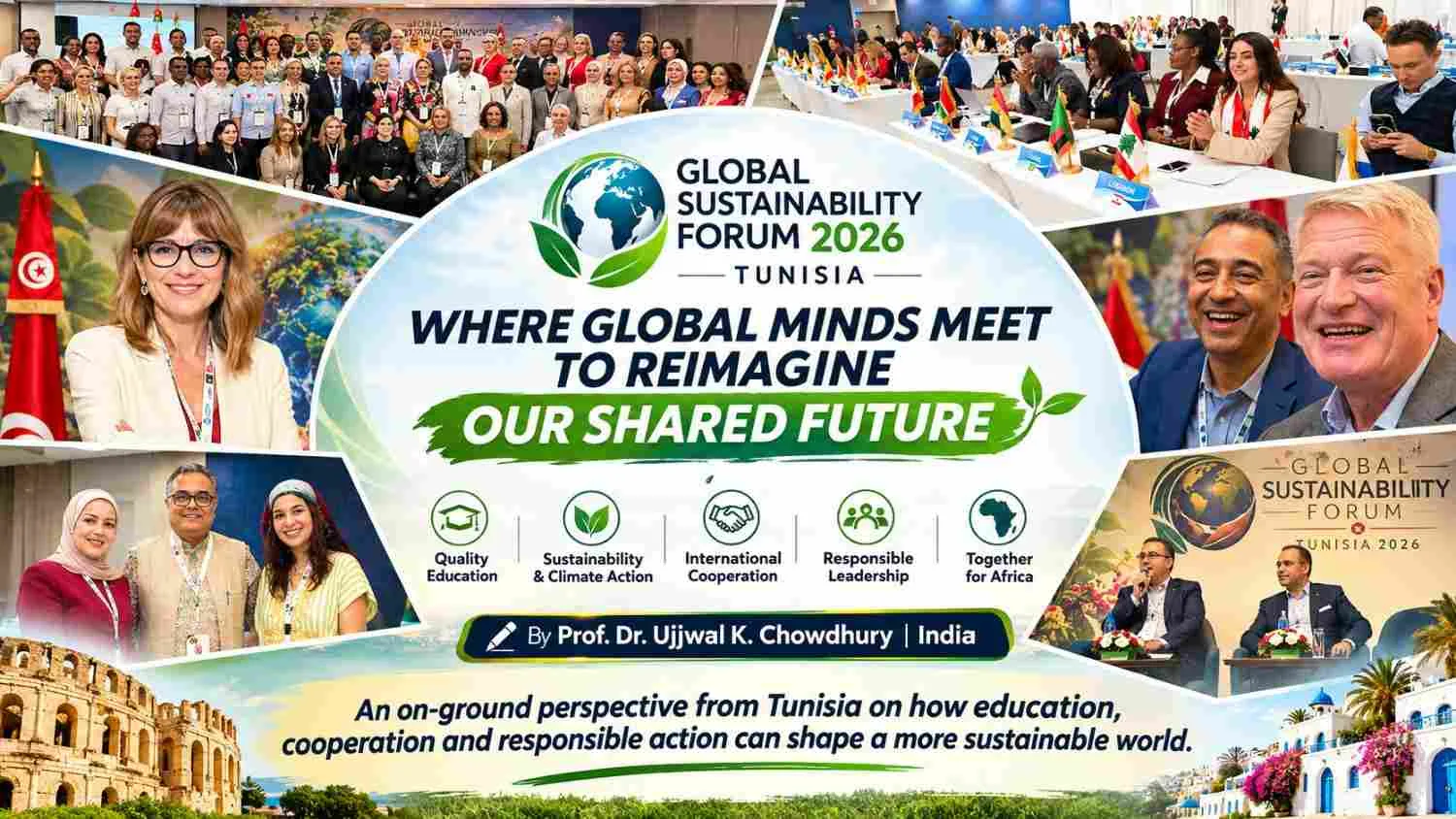
Although I was unable to attend the Global Sustainability Forum, I appreciated seeing posts about the new ambassadors receiving their training and certifications. It was encouraging to see people preparing to contribute to this shared effort. I hope they value the knowledge they have gained and apply it thoughtfully in their communities and professional lives, helping create a better planet for the next generation.
My own commitment is to continue teaching, raising awareness through GGC, and developing cooperation across education, energy, and responsible resource use. Through my relationships in Senegal, Uganda, Kenya, Cameroon, and beyond, I want to help connect expertise with practical needs while learning from the people closest to those needs.
Much of this work begins with a lesson, an introduction, or a thoughtful discussion. With care and persistence, those beginnings can develop into lasting cooperation. That is where I seek to contribute: helping people find common purpose and work toward a future that supports both human well-being and the natural world.
Add a Comment