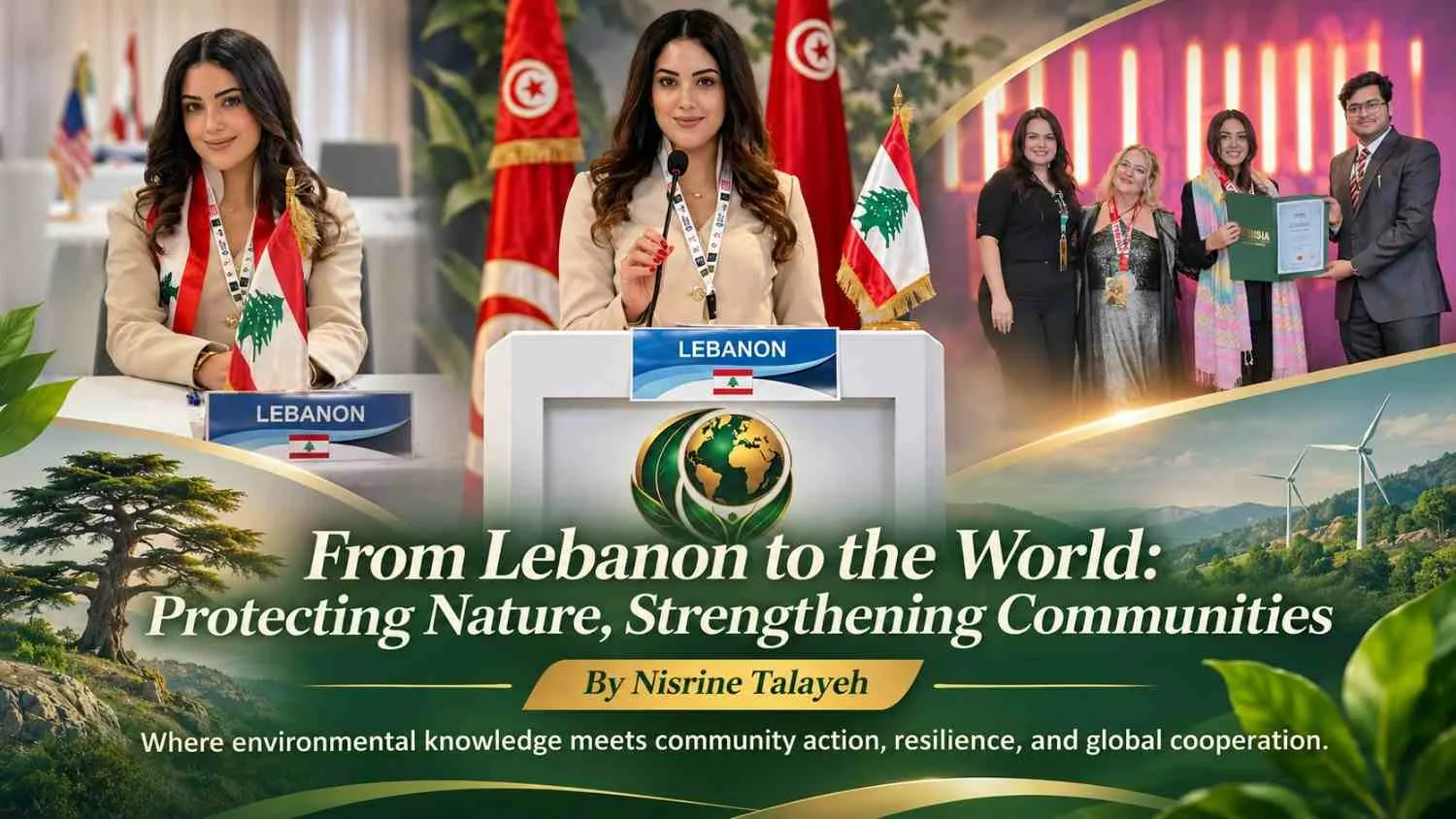
Lebanon’s forests, mountains, rivers, wetlands and Mediterranean coast are part of our identity and our shared inheritance. Protecting them means protecting the water we depend on, the livelihoods that sustain families and the possibilities available to future generations. As a Lebanese environmental consultant, ecologist and inclusive education specialist, I see sustainability as a commitment to keeping people and nature connected through knowledge, care and responsible action.
My professional interests bring together biodiversity conservation, research, water security, education and sustainable development. These fields meet in everyday life. The way communities use water affects ecosystems; the health of ecosystems influences agriculture; education shapes how people understand both. Scientific knowledge becomes especially valuable when it helps communities make informed decisions and participate in protecting the resources around them.
Lebanon’s environmental challenges make these connections urgent. Water scarcity, pollution, inadequate waste management, forest fires and ecosystem degradation place pressure on communities already facing economic and social difficulties. Climate change adds further strain to agriculture, biodiversity and water resources. Addressing these pressures requires coordinated work across institutions and communities, with environmental protection understood as essential to public wellbeing and lasting resilience.
There are foundations for progress. Universities, researchers, environmental organizations, entrepreneurs and local communities bring knowledge, creativity and determination. Renewable energy, environmental education, biodiversity conservation and responsible resource management offer opportunities for cooperation. Lebanon’s climate planning, encompassing adaptation and emissions reduction, can help guide that work. Its success will depend on implementation, financing, institutional coordination and the participation of those most affected.
For me, progress must be visible in practical improvements: better protection of ecosystems, greater awareness of water conservation and stronger community participation. Policies gain meaning through their effects on daily life. Protecting a water source, for example, can support health, food production, livelihoods and biodiversity together. Such connections should guide how we design projects, share resources and evaluate results.
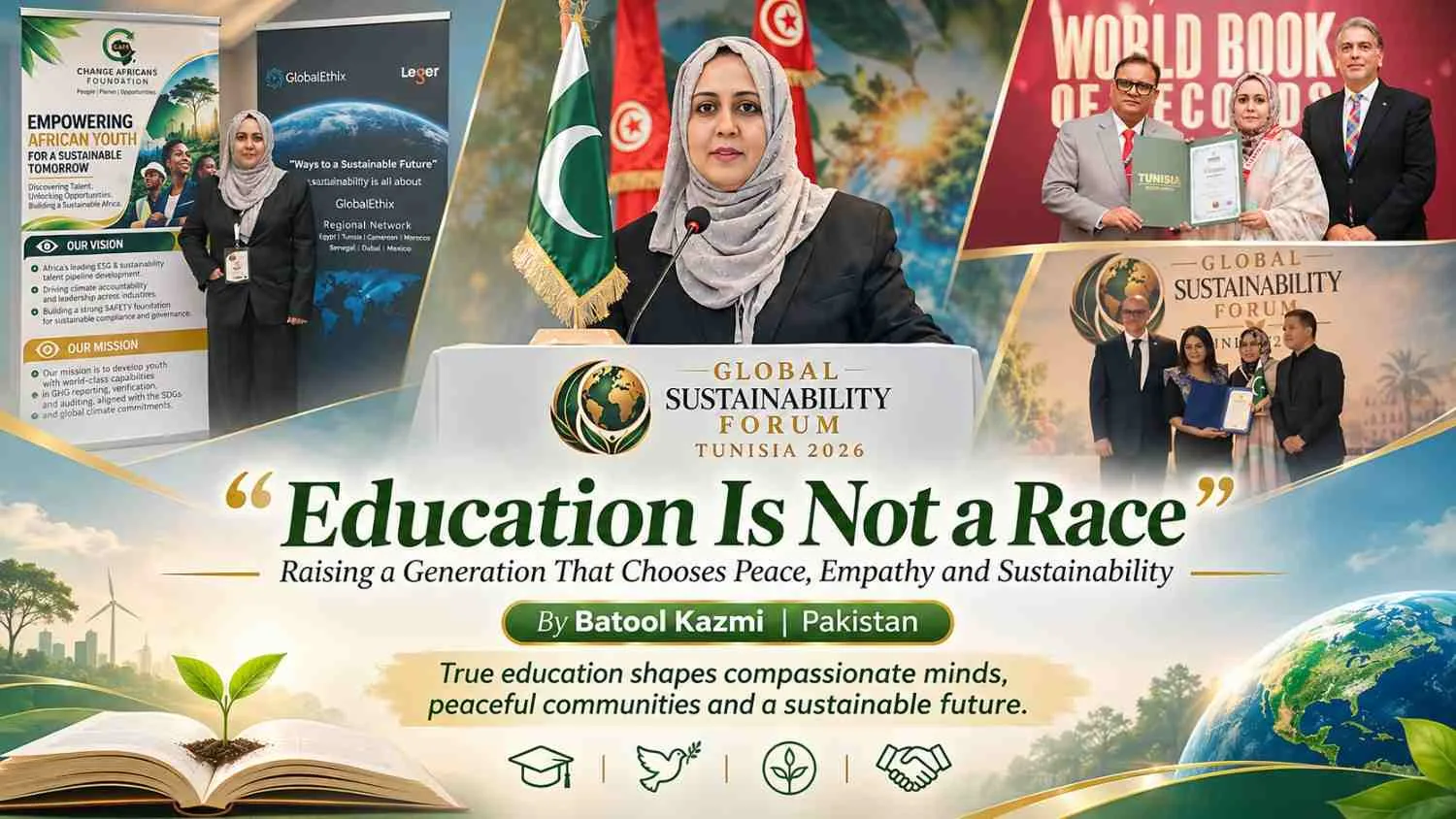
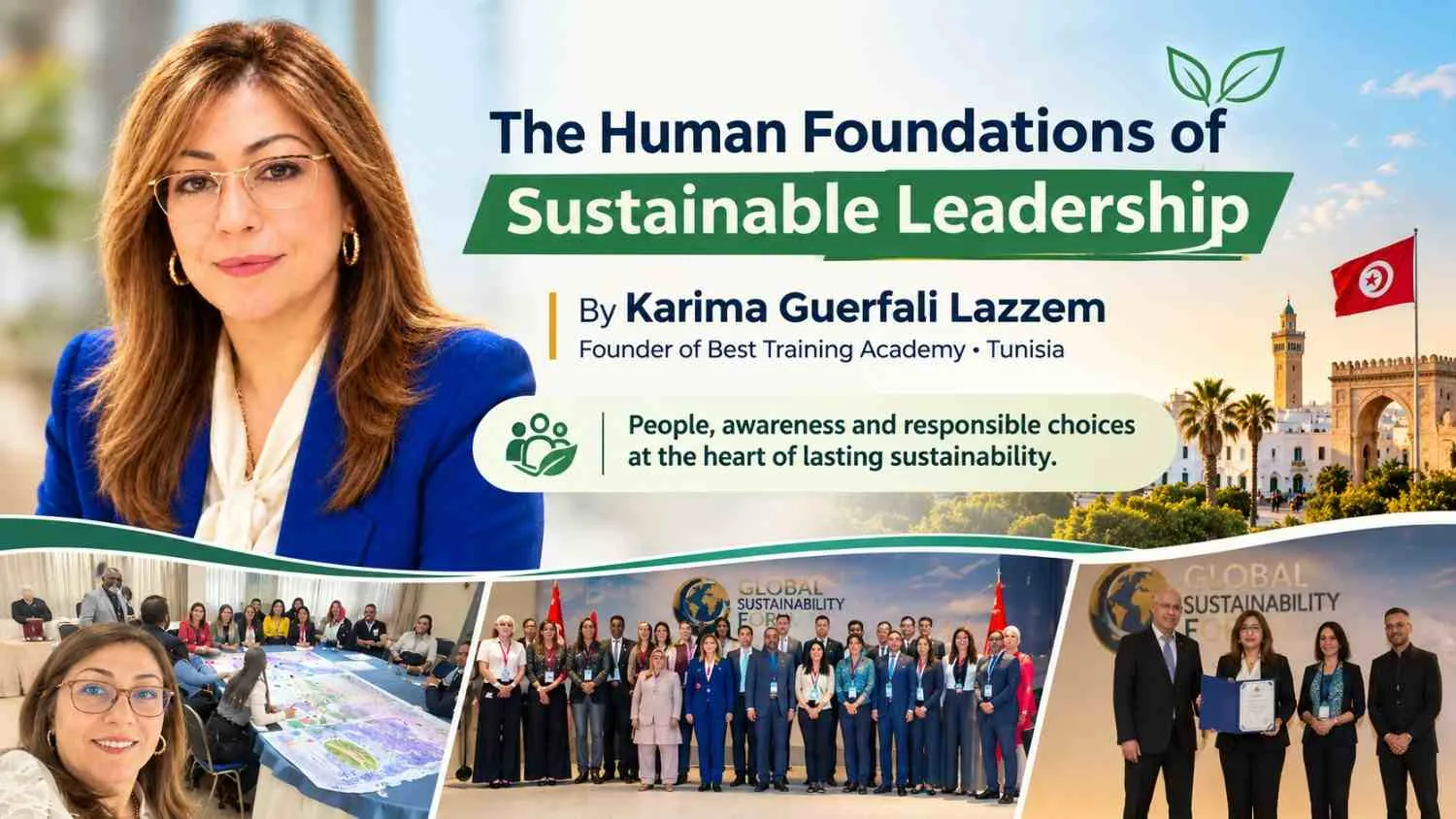
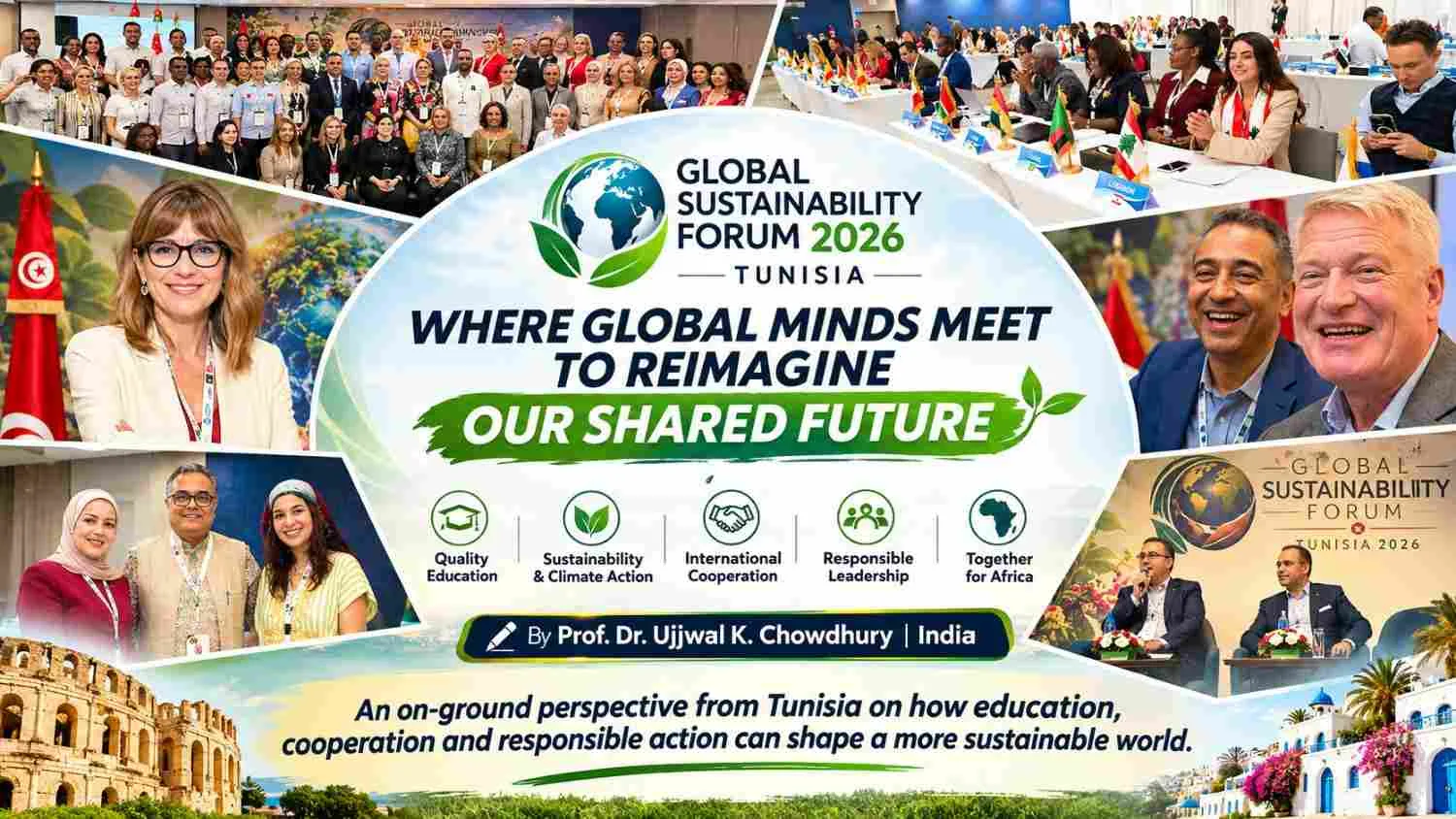
My participation in the Global Sustainability Forum in Tunisia, held from 24 to 27 October 2026, strengthened this conviction. Representing Lebanon, I joined professionals, experts and advocates from different countries in learning and dialogue. I delivered a speech on “Climate Change and Food Security: Threats, Challenges & Future Perspectives,” examining an issue that connects environmental change directly with human security.
Food security makes the consequences of climate change tangible. Agricultural productivity, food availability and livelihoods depend on healthy ecosystems and responsible management of natural resources. My presentation highlighted the importance of climate resilience, sustainable agriculture and responses grounded in local realities. Global cooperation becomes more useful when it recognises the different pressures communities face and respects the knowledge they already possess.
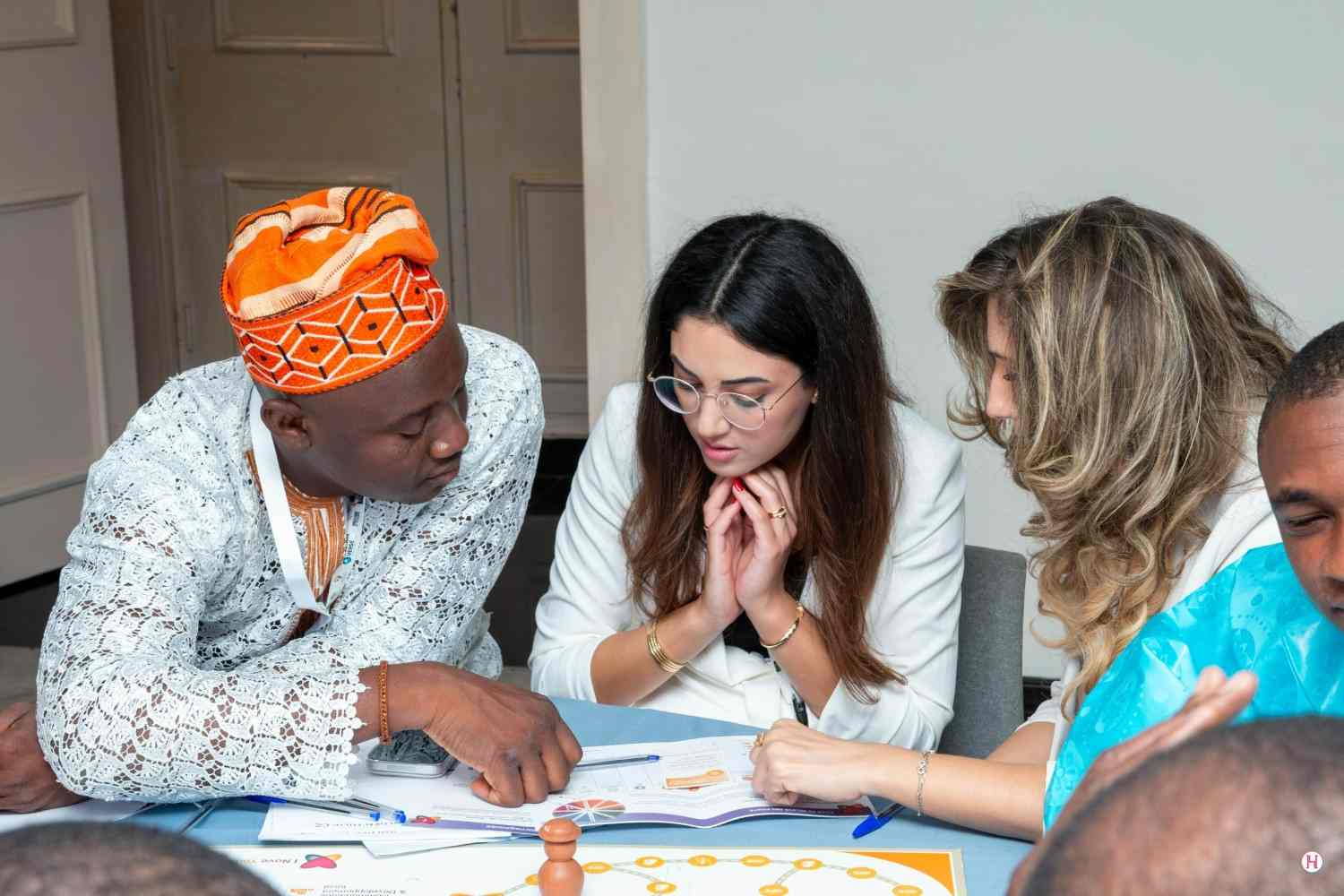
The forum’s workshops, training sessions and conversations reinforced the value of working across disciplines and borders. Researchers, educators, policymakers, businesses and civil society bring different capabilities; communities bring experience that must shape the response. Women and young people deserve meaningful roles in this process. Their participation strengthens the range of ideas available and helps make sustainability a shared undertaking.
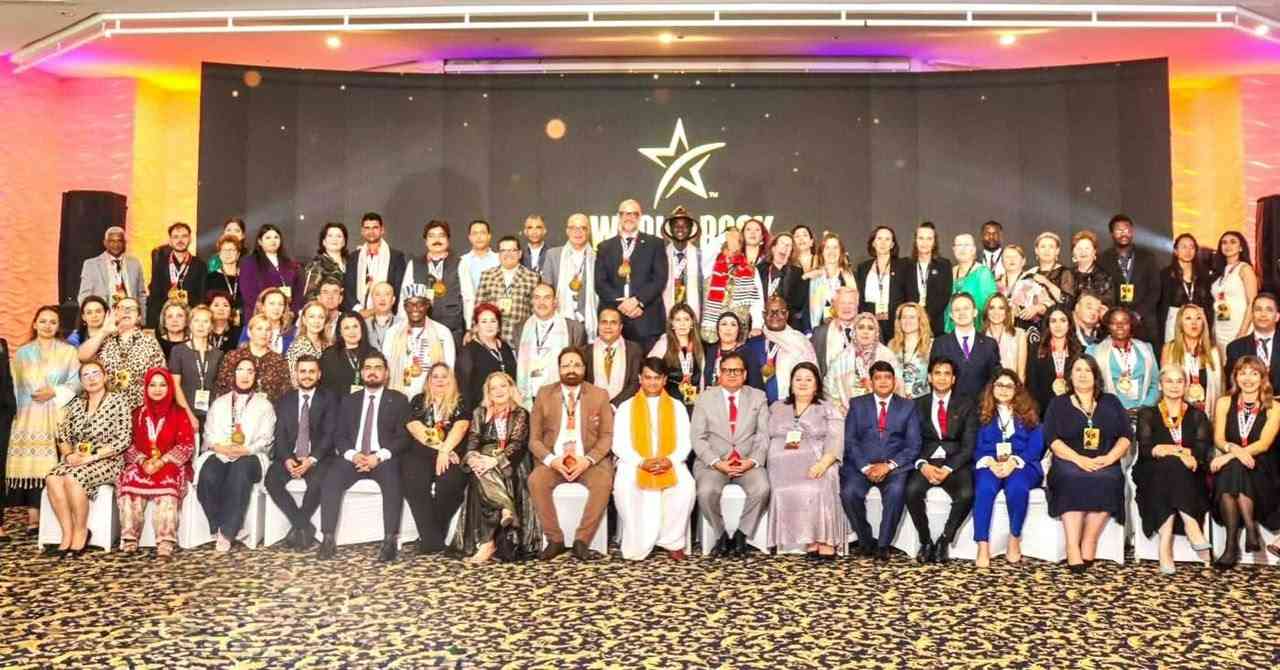
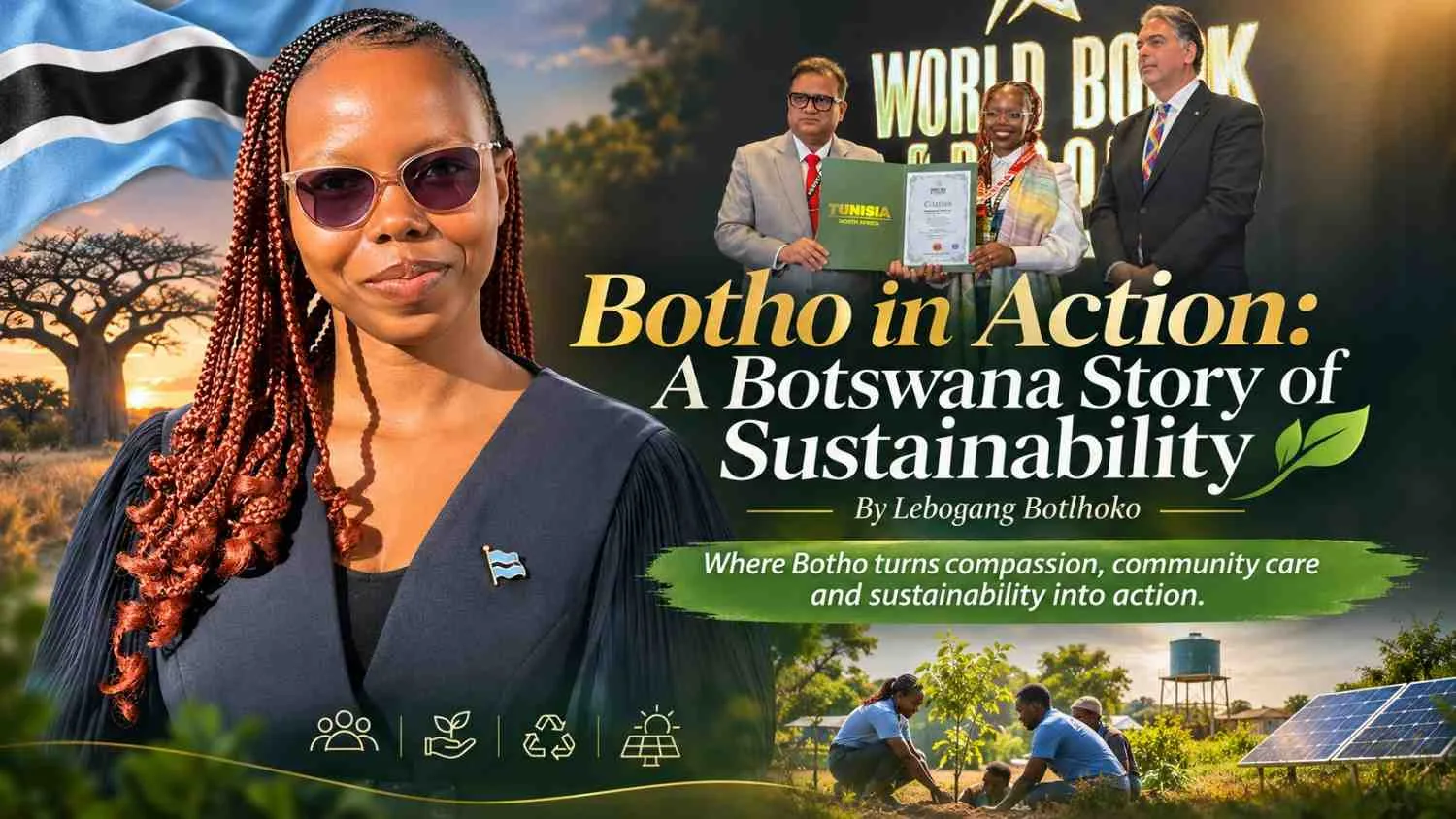
Recognition at the Tunisia Award Summit by the World Book of Records for contributions to education, international harmony and environmental conservation, alongside recognition from Global Goals Connections, encouraged me to continue. I see these honours as an invitation to deepen my contribution. My roles as a Global Sustainability Ambassador with Global Goals Connections and a Pillar Fellow for Ecosystems, Biodiversity & Water Security provide further opportunities for exchange and collaboration.
The next step is to carry that learning into purposeful work. I intend to strengthen my engagement in environmental research, biodiversity conservation, water security, climate action, food security and inclusive education. In Lebanon, this means encouraging awareness of our natural heritage, responsible resource use and cooperation among people and organizations. Internationally, I hope to build partnerships that support knowledge exchange and practical collaboration.
Education remains central to this vision. Students and communities who understand biodiversity, water conservation and climate change are better equipped to make responsible choices. Inclusive approaches can widen participation and help more people contribute their abilities. Sustainability becomes stronger when scientific understanding is accessible and learning creates opportunities for action. Every classroom, community discussion and professional partnership can help build that connection.
For environmental education to inspire action, it should connect global concerns with familiar places: the water a family uses, the trees near a school, the waste a neighbourhood produces. These connections can make complex challenges understandable. Listening to local concerns and adapting learning to different needs can help communities become active partners in local conservation and sustainable development.
I returned from Tunisia with renewed determination to connect Lebanon’s environmental priorities with global cooperation. Our contribution begins where our knowledge meets a community’s needs. From protecting water to sharing research, from teaching children to strengthening partnerships, each responsible step can support a more resilient future. The inheritance we pass on will reflect the care, courage and cooperation we practise today.
About the author
Nisrine Talayeh is a Lebanese environmental consultant, ecologist, researcher and inclusive education specialist. She serves as a Global Sustainability Ambassador with Global Goals Connections and a Pillar Fellow for Ecosystems, Biodiversity & Water Security. Her work connects environmental protection, education and community resilience through research, awareness and international collaboration
Add a Comment